Exploring Lore and Story in Roleplaying Games
16 August 2026
Let’s be real for a second—what’s the first thing you do when you boot up an RPG? Do you dive into combat like you're the main character in a badly dubbed kung-fu movie? Or do you pause, read all the flavor text, and treat the game like a rich fantasy novel where you can also punch monsters in the face?
If you picked the second one, welcome to the club. We’ve got cookies, dice, and way too many fan theories.
Roleplaying games (RPGs) are more than just stat points and demon-slaying. They are sprawling, emotion-packed, lore-saturated adventures that can tug at your heartstrings one moment and make you rage-quit the next. And the tasty filling in this digital or tabletop sandwich? Yep—lore and story.
Let’s dig deep into the magic of storytelling in RPGs—where dragons aren’t just something to slay, but beings with tragic pasts, political agendas, and maybe even a love life.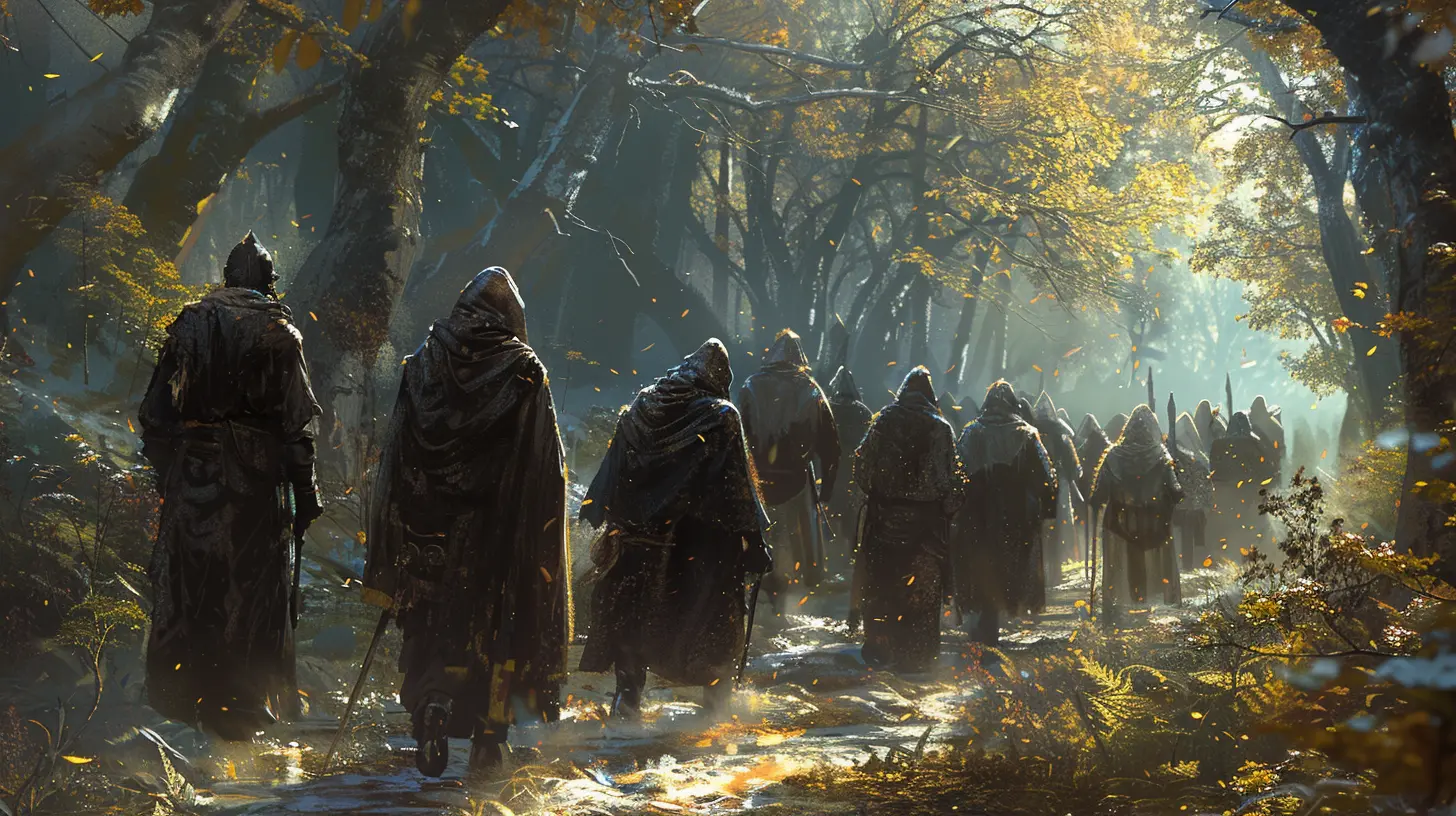
What Is Lore, Anyway?
Alright, before we summon our party and roll for initiative, let's get our definitions straight.Lore is basically the history, mythology, and world-building that exists within a game. It’s everything from dusty old books in a wizard’s study to the whispered legends you hear from a drunken NPC (who may or may not be your next quest-giver).
Story, on the other hand, is the narrative journey the player experiences. This includes the main quest, side quests, character arcs, emotional cutscenes, and yes, even that dramatic betrayal that made you gasp so hard your cat jumped off your lap.
In a nutshell: lore is the world’s backstory, and the story is your ride through it.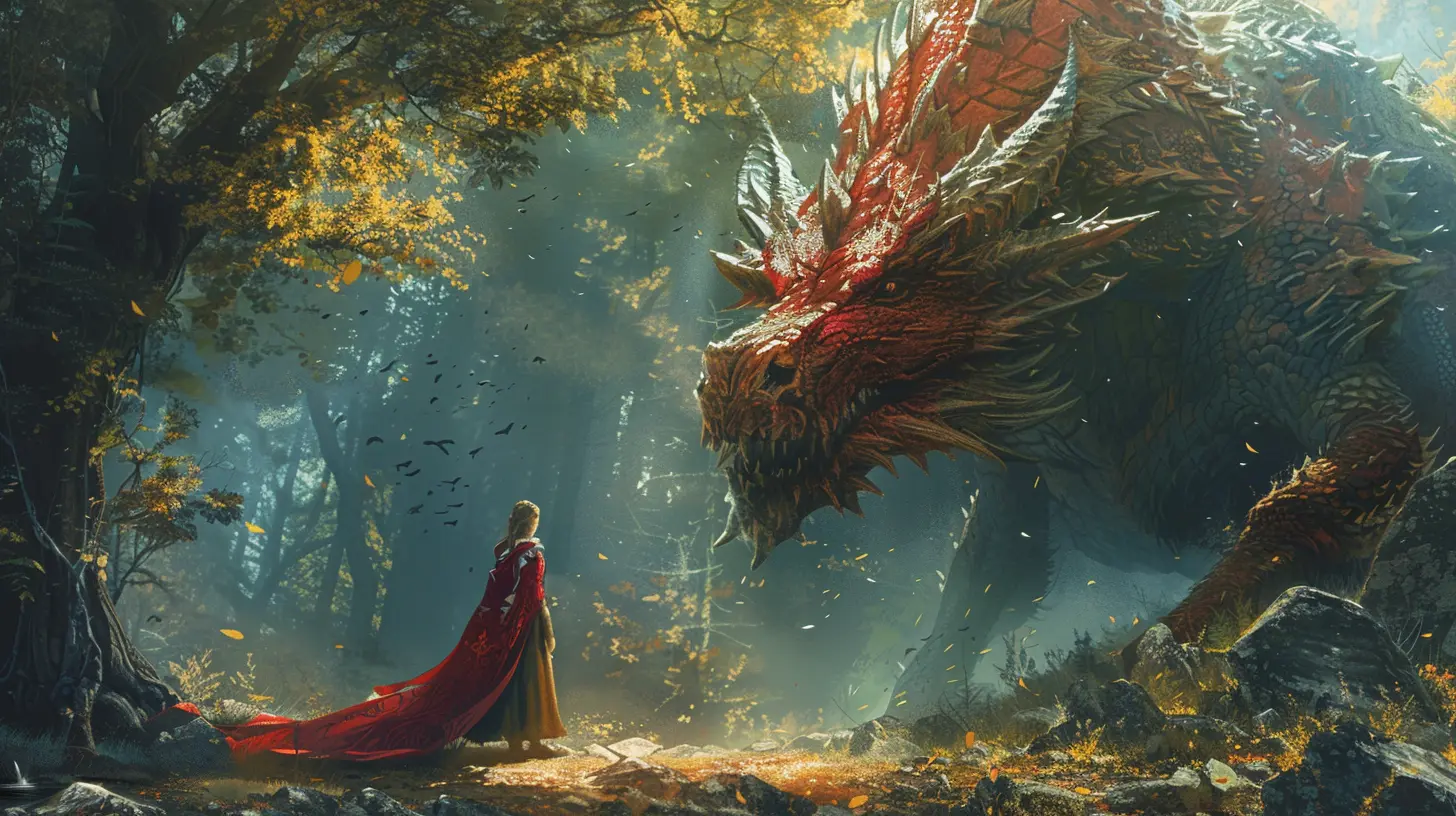
The Secret Sauce: Why Lore and Story Matter
Imagine playing an RPG with zero story. You’re just wandering around stabbing skull-things and collecting loot with no clue why you’re doing it. That would feel kinda like eating cereal with water instead of milk—technically functional, but also deeply upsetting.Strong lore and story give games:
- Emotional depth – When your choices have consequences and characters feel real, you start to care. Possibly too much.
- Immersion – A well-crafted world feels alive. You’re not just playing a game—you’re living in it.
- Replayability – You mean to tell me there's a whole secret ending if I just don’t slap the king? Time for a replay!
- Community buzz – Great stories lead to fan theories, fan fiction, and heated arguments over coffee. Looking at you, Mass Effect fans.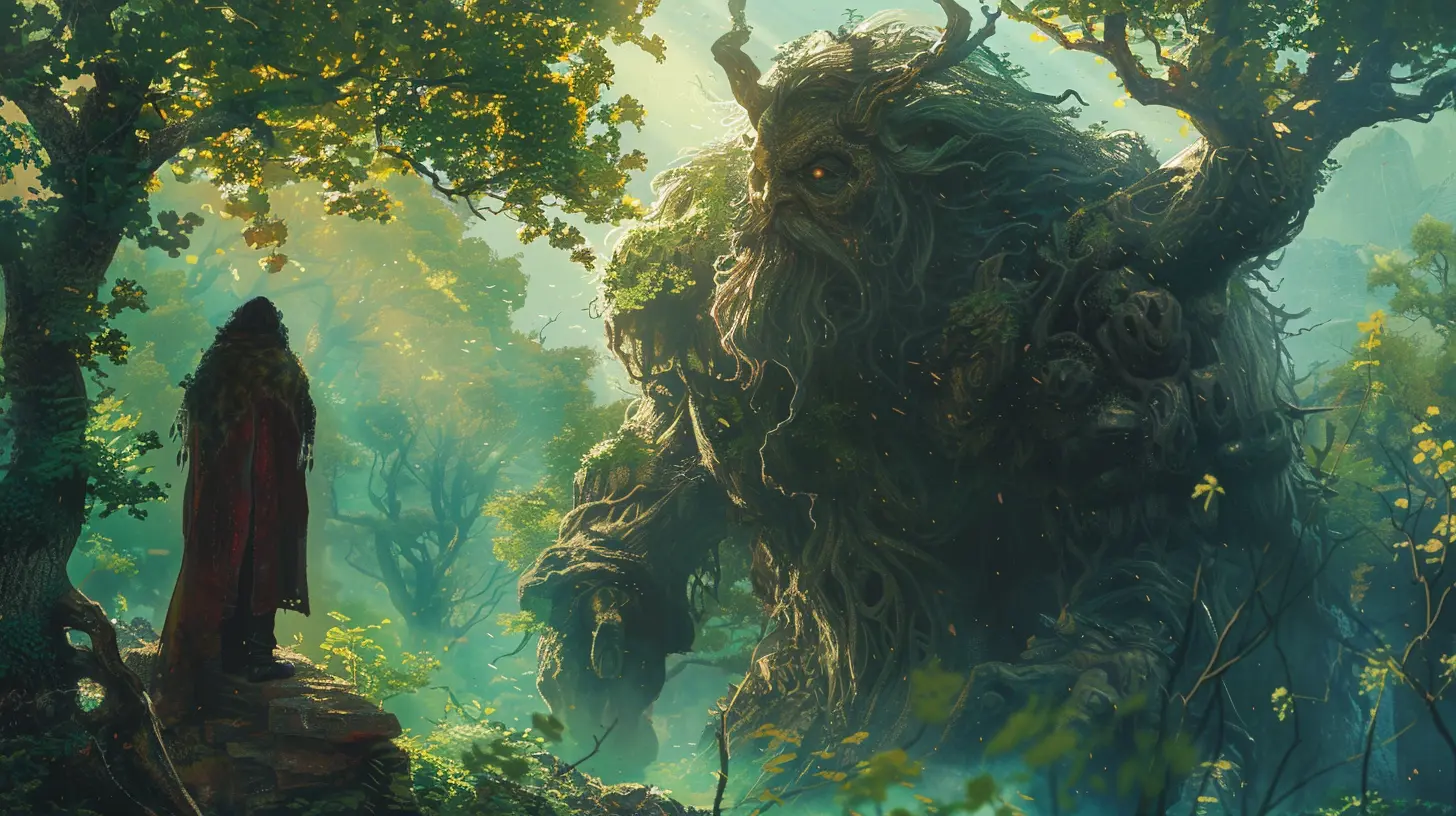
Think Little, Dream Big: Micro-Lore Moments
Not all lore comes in giant epic chunks. Sometimes, it's in the tiny details that make a world sing.Ever found an old diary in a dungeon? A graffiti on a wall? A weird item description that references a long-lost civilization? That’s micro-lore! These little Easter eggs enrich your experience without shouting in your face.
Games like Dark Souls and Elden Ring are masters of this. You could literally miss 90% of the lore if you don't pay attention—but for lore-hunters, it's like finding treasure.
Main Quest or Soap Opera? Understanding Story Arcs
RPGs are the soap operas of the gaming world. There, I said it. And I mean it in the best possible way.There’s romance, betrayal, secret siblings, dramatic monologues right before boss fights, and power struggles that make Game of Thrones look tame.
Your standard RPG story arc includes:
- The Beginning – You’re a nobody. Maybe you woke up with amnesia. Maybe you just got fired from your job as a potato farmer. Something kicks off the whole adventure.
- The Middle – You gather your party, make choices, realize your actions have real consequences, and probably yell “What have I done?” at least once.
- The Epic Climax – Time to face the big bad. Also, time to cry if you’ve made friends along the way who now don’t make it.
- The End (Maybe?) – The story wraps up, but let’s be honest—you’re already starting a new save file to see what happens if you choose that dialogue option.
Characters: The Heartbeat of the Story
If the world is the stage and the lore is the backdrop, the characters are the glittering, angst-filled, sword-wielding actors stealing the show.Think about your favorite RPG character. You probably know their backstory better than that of your co-workers. We've all got that one companion we always bring along, even if they're absolutely useless in combat, just because they’re funny (or very hot. No judgment here).
RPGs thrive on character-driven narratives. Through companions, villains, and side characters, we experience the world from different perspectives.
Want a good example? The Witcher 3. You get to see the world not just through Geralt's grumpy eyes, but also through the stories of Yennefer, Ciri, and even that guy who tried to sell you a cursed spoon.
Choices and Consequences: AKA “Oops, Did I Just Doom a Village?”
The beauty of RPG storytelling lies in player agency. You’re not just along for the ride—you drive the story.Pick a moral choice, make a dialogue decision, and BOOM. You may have just changed the fate of an entire kingdom. RPGs like Dragon Age and Divinity: Original Sin II are infamous for this. One wrong word and your best friend becomes your mortal enemy (or worse, starts talking like a Shakespearean ghost).
These branching paths are what gives stories their oomph. They make you think, “Should I help the rebel faction… or side with the morally ambiguous empire?” And then two hours later, you’re researching lore to justify your betrayal.
Lore You Can Feel: Environment Storytelling
Sometimes, a game whispers stories to you through its environment. Whether it’s a battlefield littered with broken swords or a castle now overtaken by nature, the surroundings are dropping hints like a passive-aggressive roommate.Games like The Elder Scrolls and Hollow Knight are pros at letting you feel the lore. You might not get a cutscene, but you’ll get a vibe. And vibes, my friend, are powerful.
Tabletop vs Digital RPGs: Same Spellbook, Different Pages
Both digital and tabletop RPGs are storytelling playgrounds—but they deliver differently.Tabletop RPGs (like Dungeons & Dragons) rely heavily on players and a Dungeon Master to create the story collaboratively. You could spend an entire session trying to persuade a goblin to join your band just because someone rolled a 20 on charisma.
Video game RPGs, however, are more structured but offer cinematic storytelling, voice acting, and visual beauty that makes your jaw drop. You're following a path, but with many forks to choose from.
Honestly, they’re like pizza and burgers—they're both amazing in their own way. Why choose?
Memorable RPG Stories That Rocked Our Socks Off
Let’s give a quick shoutout to some iconic RPG narratives:- Final Fantasy VII – The emotional trauma is real. Aerith’s theme? Still not over it.
- Mass Effect Trilogy – Space opera meets moral complexity. Plus, aliens you can smooch.
- The Witcher 3: Wild Hunt – Geralt tries to find his daughter while the world burns. Casual dad stuff.
- Chrono Trigger – Time travel, epic battles, and a frog knight. What more could you ask for?
- Planescape: Torment – A question for the ages: “What can change the nature of a man?”
These stories didn’t just entertain us—they stuck with us. Like that weird dream you had about riding a dragon through a coffee shop and somehow it meant something.
The Future of RPG Lore and Storytelling
We haven’t even scratched the surface. With tech advancing faster than a bard on an espresso binge, storytelling in RPGs is reaching new heights.Procedural narrative, AI-driven companions, and even VR roleplaying are becoming a thing. Soon, you’ll be able to live the story in 360 degrees. Just don’t forget to hydrate and stretch your neck.
We’re heading into an age where lore will be more dynamic, and stories will adapt to you—not the other way around.
Final Thoughts: Why We Keep Coming Back
So, why do we keep returning to these lore-heavy RPGs?Because they give us something real in a fake world. They let us feel—whether that’s triumph, heartbreak, or existential dread over what we just did to that NPC who seemed evil at the time.
Games are a way for us to tell stories, live out adventures, and experience a depth of emotion that sometimes feels more authentic than real life.
And yeah, sometimes we just want to wield a flaming sword while arguing with a talking cat. Don’t judge.
TL;DR – If You Skipped to the End Like a Chaotic Neutral
- Lore = The rich history and myths of the game world.- Story = The player-driven journey through that world.
- Great RPGs combine both to create unforgettable experiences.
- Characters, choices, and world-building are the spice mix of this storytelling stew.
- Whether digital or tabletop, RPGs thrive on compelling, immersive worlds.
- The future of RPG storytelling? Even more mind-blowing.
Now, go forth, hero. Read the codex. Talk to every NPC. And never ignore a side quest again.
all images in this post were generated using AI tools
Category:
Game GuidesAuthor:

Leandro Banks