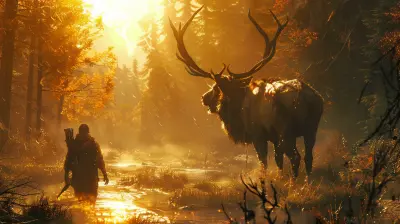
Exploring the Dark Side of Trophy Hunting
5 June 2026
Trophy hunting. Just hearing the phrase stirs up a mix of opinions, emotions, and controversy. Some folks see it as a conservation tool, a way to fund wildlife protection through regulated hunts. Others? They see it as a needless, cruel pastime—luxurious killing that exploits animals for bragging rights.
Let’s not sugarcoat it—trophy hunting can be brutal. And beneath the dusty safari hats, high-powered rifles, and smiling selfies beside lifeless animals, there’s a much darker story to tell. We're peeling back the layers of this billion-dollar industry to reveal what doesn't make it onto the glossy safari brochures.
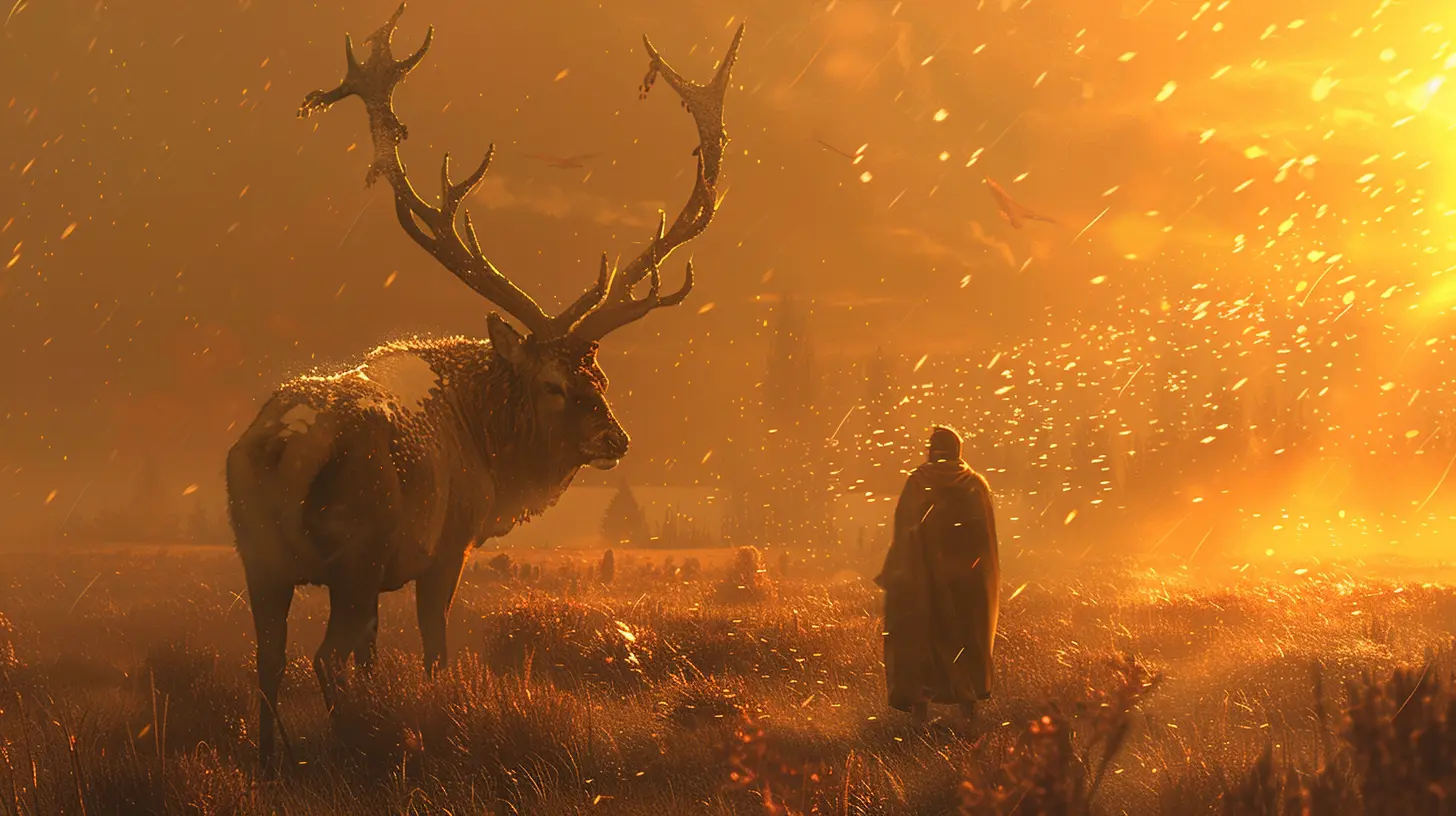
What Is Trophy Hunting, Really?
Before we dive deep, let’s get the basics out of the way.Trophy hunting is the practice of hunting wild animals for sport, not food. The goal? To kill animals with desired traits—massive horns, thick manes, unique tusks—so their bodies can be mounted on walls or turned into keepsakes.
It’s not the same as subsistence hunting, where people hunt to feed their families. Trophy hunters typically travel from wealthy countries to poorer regions, often in Africa, to target big game like lions, elephants, rhinos, and leopards.

Who Are the Trophy Hunters?
It’s easy to think it’s just a bunch of elite millionaires spending their spare cash on “exotic” kills. And while that’s partly true, it’s more complex.Trophy hunters often come from the U.S., Europe, and other developed regions. They pay top dollar—sometimes tens of thousands of dollars per hunt. Some argue they’re conservationists in disguise, claiming their money helps local communities and funds wildlife protection. But, like most things in life, follow the money, and the story shifts.
The Ethical Dilemma: Killing to Save?
Here’s where it gets tricky.Supporters say that when done legally and ethically (if that's possible), trophy hunting can actually benefit conservation. Their logic? The money from hunting permits helps protect habitats, fund anti-poaching efforts, and support local communities.
Sounds good, right?
But hold up—many conservationists and scientists disagree. They argue that the so-called “benefits” of trophy hunting rarely trickle down to where they’re needed most. And the cost to wildlife? It’s often irreversible.
Killing an alpha lion, for example, may rake in $50,000. But it also disrupts the pride’s structure, leading to infanticide, instability, and a ripple effect that can cripple entire populations.
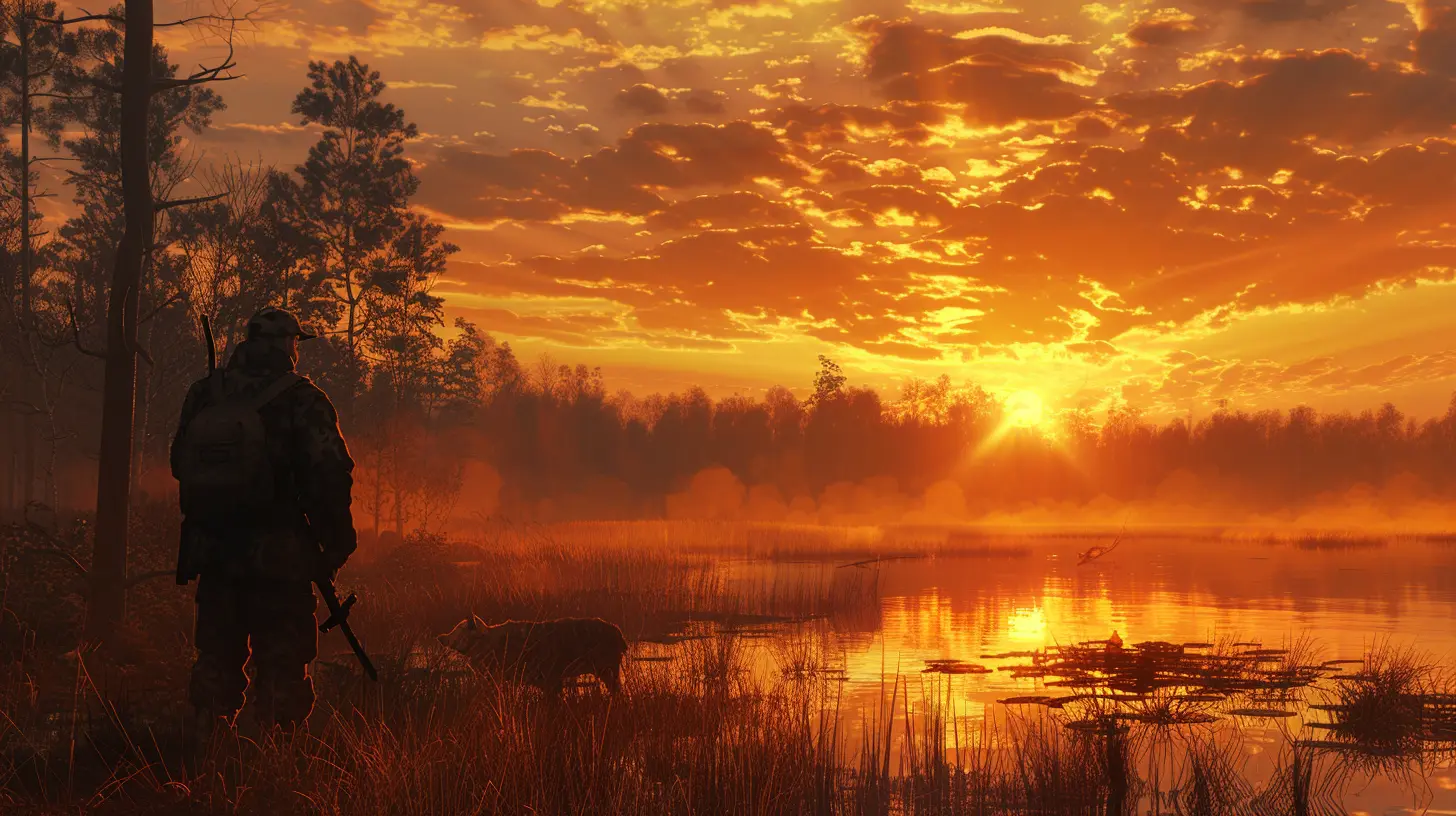
The Impact on Wildlife Populations
Let’s get one thing straight—trophy hunting isn’t just about removing one animal from the wild. It’s like yanking a cog out of a delicate ecosystem machine.Many trophy hunters go after the biggest and strongest animals—the very ones who are key to breeding and leading. Removing these animals weakens genetic diversity, making populations more vulnerable to disease, inbreeding, and environmental changes.
Take African elephants. Their tusks are a trophy hunter’s dream—but those tusks also belong to the most genetically impressive males, the ones essential for passing on strong genes. You take them out, and the herd suffers as a whole.
And lions? Kill a pride leader, and his cubs are often killed by the next male in line. One bullet can wipe out a whole future generation.
Economic Promises vs. Harsh Realities
Supporters claim trophy hunting helps poor communities survive. And yes, in theory, hunters pay enormous fees for the right to shoot. But how much of that money really ends up helping the people or protecting wildlife?Spoiler: Not much.
Many hunting operations are run by foreign outfitters. Locals often see little more than low-wage jobs, if anything. A 2013 study found that only 3% of trophy hunting revenue reaches local communities. That’s pocket change, not empowerment.
Compare that to eco-tourism—when tourists come to see animals alive, in the wild. It creates long-term jobs, boosts local businesses, and doesn’t require killing an animal to make it profitable. You don’t have to pull a trigger to make a difference.
Legal Loopholes and Corruption
Ever heard of canned hunting?It’s a horrific twist on trophy hunting where animals are bred in captivity, raised by hand, and then released into small enclosures to be shot by hunters. It’s like shooting fish in a barrel—but with lions. These animals never had a chance. And yet, these trophies are still proudly mounted and legally exported.
The trophy hunting industry is filled with legal loopholes, dodgy regulations, and corruption. In some countries, permits are sold under the table. In others, quotas are made up, and enforcement is practically nonexistent. Animals are killed under the guise of conservation, but the money often disappears, and the consequences are ignored.
Cultural and Psychological Impact
Let’s not forget the human side of things.In many parts of Africa, animals like elephants, leopards, and lions hold cultural significance. Seeing outsiders come in to kill these animals for sport can be deeply offensive to local traditions and spiritual beliefs.
On another level, there's the psychological toll—both on those who witness these killings and those who are forced to participate in the industry just to survive. Trauma doesn’t always wear a face we recognize, but it's real.
The Role of Social Media
If you've ever scrolled through Instagram and seen someone proudly posing next to a dead giraffe or lion, you know just how viral these pictures can get.Trophy hunters often post these photos to show off their "achievements." But the backlash can be swift and brutal. Remember the story of Cecil the Lion? That one incident sparked a firestorm that put trophy hunting under the global spotlight.
Still, for every photo that causes outrage, hundreds go unnoticed. The glamorization of trophy hunting on social media fuels demand, normalizes the behavior, and encourages others to seek out the same kind of "glory."
Conservation Without Killing: It’s Possible
Here’s the million-dollar question: Can we protect wildlife without trophy hunting?Absolutely.
Conservation efforts around the world have shown that non-lethal approaches work—and work well. Wildlife sanctuaries, photo safaris, and protected reserves generate income without a body count. They also attract tourists who are willing to pay for ethical experiences, not blood-stained souvenirs.
Countries like Kenya have banned trophy hunting and instead focus on eco-tourism. As a result, they've seen growth in animal populations and sustainable revenue streams.
We don’t need to kill to conserve. We need smarter, more humane solutions.
What Can You Do?
Feeling helpless? Don’t be. Here’s what you can do:- Support ethical wildlife tourism companies.
- Avoid buying products made from animal trophies or parts.
- Educate yourself and others—awareness is powerful.
- Donate to organizations that combat illegal hunting and promote sustainable conservation.
- Use your voice on social media to call out harmful practices.
Change starts with awareness, and action follows. You don't need to be in the savannah to make a difference—you just need to care.
Final Thoughts: Killing Isn’t Conservation
We get it—this topic is messy, emotional, and full of gray areas. But at the end of the day, trophy hunting sheds light on how we value wildlife, morality, and money. It forces us to ask tough questions like, “Does this animal’s life matter less just because someone paid for it?”There’s a dark side to trophy hunting, and it’s not just about the kills. It’s about what it says about us as humans.
We’re supposed to be stewards of this planet—not its executioners. It's time we stop dressing up cruelty as conservation and start doing better. Because the real trophy? A thriving planet where both animals and people can coexist without fear.
all images in this post were generated using AI tools
Category:
Trophy HuntingAuthor:

Leandro Banks
Discussion
rate this article
1 comments
Hudson Barlow
This article provides a compelling look at the complexities of trophy hunting. It raises important ethical questions and encourages readers to reflect on the impact of their choices in gaming.
June 12, 2026 at 3:13 AM
Leandro Banks
Thanks for your thoughts! I'm glad you found it engaging and thought-provoking. It's an important conversation to have.