How Eurogames Revolutionized the Board Gaming Industry
21 December 2025
Board games—they’ve been around for centuries, right? From ancient Egypt’s Senet to the roll-and-move escapades of Monopoly, these tabletop pastimes have entertained us through countless game nights. But let’s face it: there was a time when the board gaming world felt… stale. Roll, move, buy property, lose friends. Repeat.
Then came Eurogames. Like a fresh breeze in a room filled with stale air, these European-designed gems shook things up and redefined what board gaming could be. But how exactly did Eurogames revolutionize the industry? Well, buckle up, because we’re diving deep into this cardboard adventure. Grab your meeples (we’ll get to those in a second), and let’s go!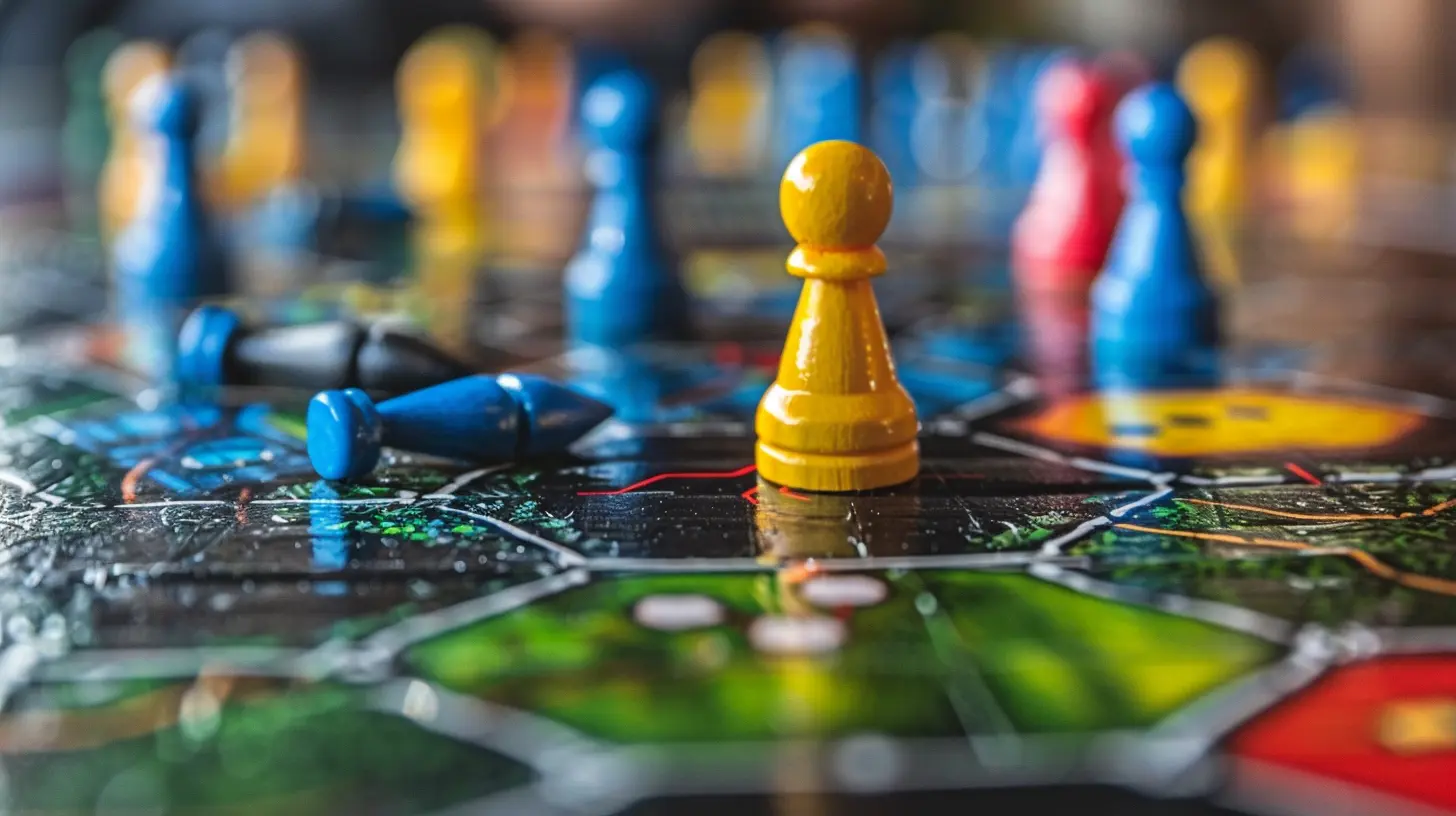
What Exactly Are Eurogames?
Before we start tossing around terms like “meeple,” let’s clear up what a Eurogame actually is. Eurogames, sometimes called “German-style board games” because of their roots, are strategy-focused tabletop games that emphasize player decisions over luck. Think less rolling dice, more brainpower.Unlike the cutthroat “destroy everyone” vibe of some traditional games (looking at you, Risk), Eurogames often steer players towards indirect competition. Everyone’s working on their own little puzzle, but they’re still vying for that sweet, sweet victory point glory. And don’t even think about eliminating a player mid-game—Eurogames are too polite for that nonsense.
Some classic examples? Catan (formerly The Settlers of Catan), Carcassonne, and Ticket to Ride. These aren’t just board games—they’re modern masterpieces.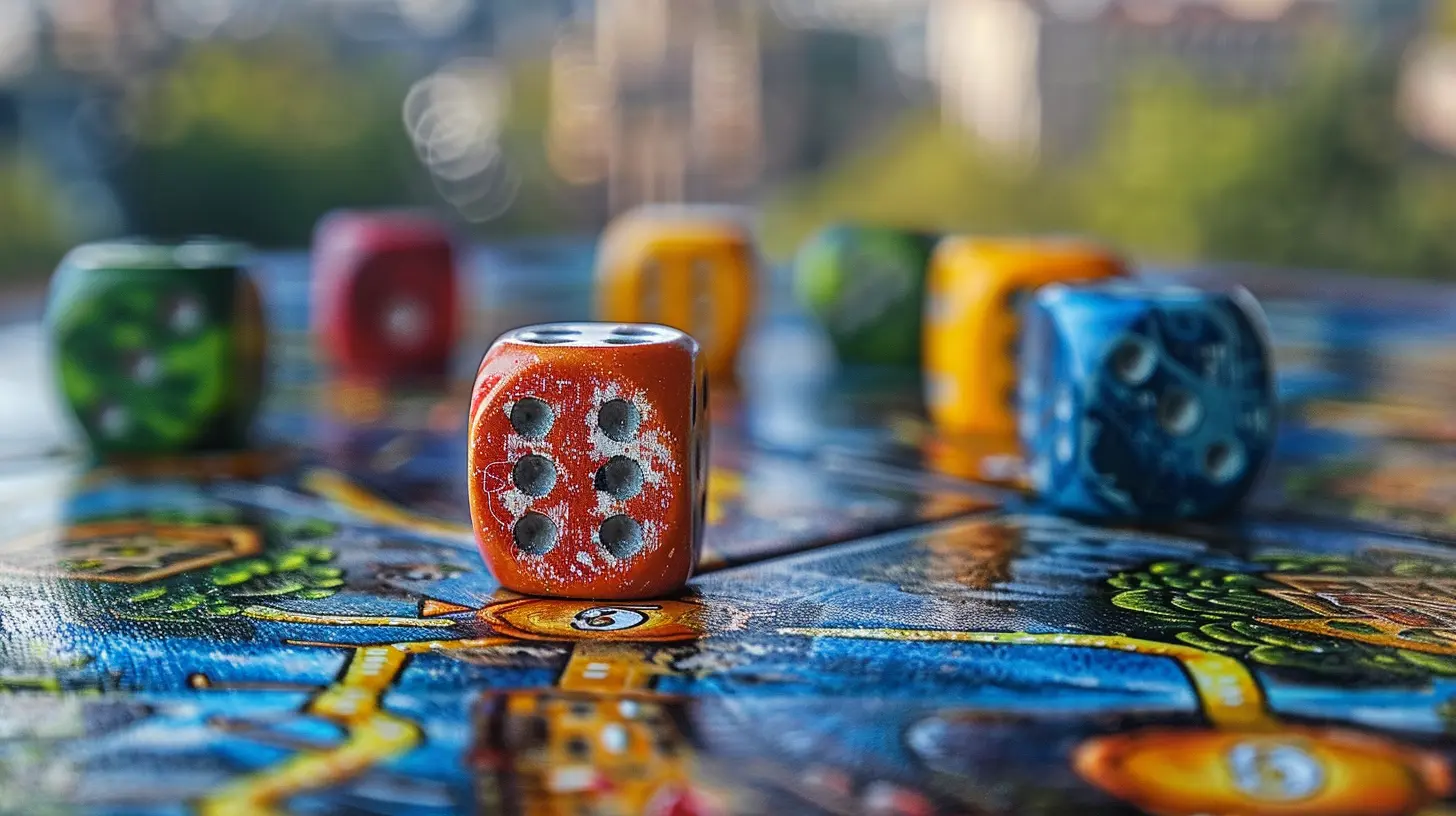
Turning the Tables: What Makes Eurogames Special?
Alright, so what’s the big deal? What makes a Eurogame so much better—or at least so different—from traditional board games? The secret sauce lies in their unique design philosophy. Let’s break it down.1. Less Luck, More Strategy
You know that sinking feeling when you’re losing a game purely because of bad dice rolls? Yeah, Eurogames said, “No thanks!” Luck takes a backseat here. Instead, it’s all about outthinking your opponents.Take Catan, for instance. Sure, there’s a little randomness when rolling for resources, but your ability to trade, strategize, and negotiate carries way more weight. It’s like chess, but with sheep and wheat.
2. Everyone Stays in the Game
Remember getting eliminated an hour into a game of Risk and spending the next three hours watching everyone else play? Awkward. Eurogames avoid player elimination like the plague. You’re in it until the bitter end—whether you’re dominating the scoreboard or just quietly farming resources.This design choice makes Eurogames perfect for keeping game night fun and inclusive. Nobody’s sidelined. Everybody’s engaged.
3. Theme Meets Mechanics
Eurogames are masters of blending theme and strategy. Unlike traditional games where the theme is often tacked on (looking at you again, Monopoly), Eurogames make theme integral to the experience.In Ticket to Ride, you’re not just collecting colored cards—you’re a railroad tycoon fiercely competing to complete your train routes. In Carcassonne, you’re not just placing tiles—you’re building a medieval countryside, one road and monastery at a time. It feels immersive, and that’s no accident.
4. Victory Points: A Game-Changer
Forget bankrupting your friends or conquering the whole world. Eurogames introduced an elegant alternative: victory points. These are little nuggets of accomplishment that players earn throughout the game. Maybe you built the longest road, completed a secret objective, or nabbed the best resources.Victory points keep players guessing who’s actually winning until the very end. It’s like pulling back the curtain on a magic trick—surprising and satisfying all at once.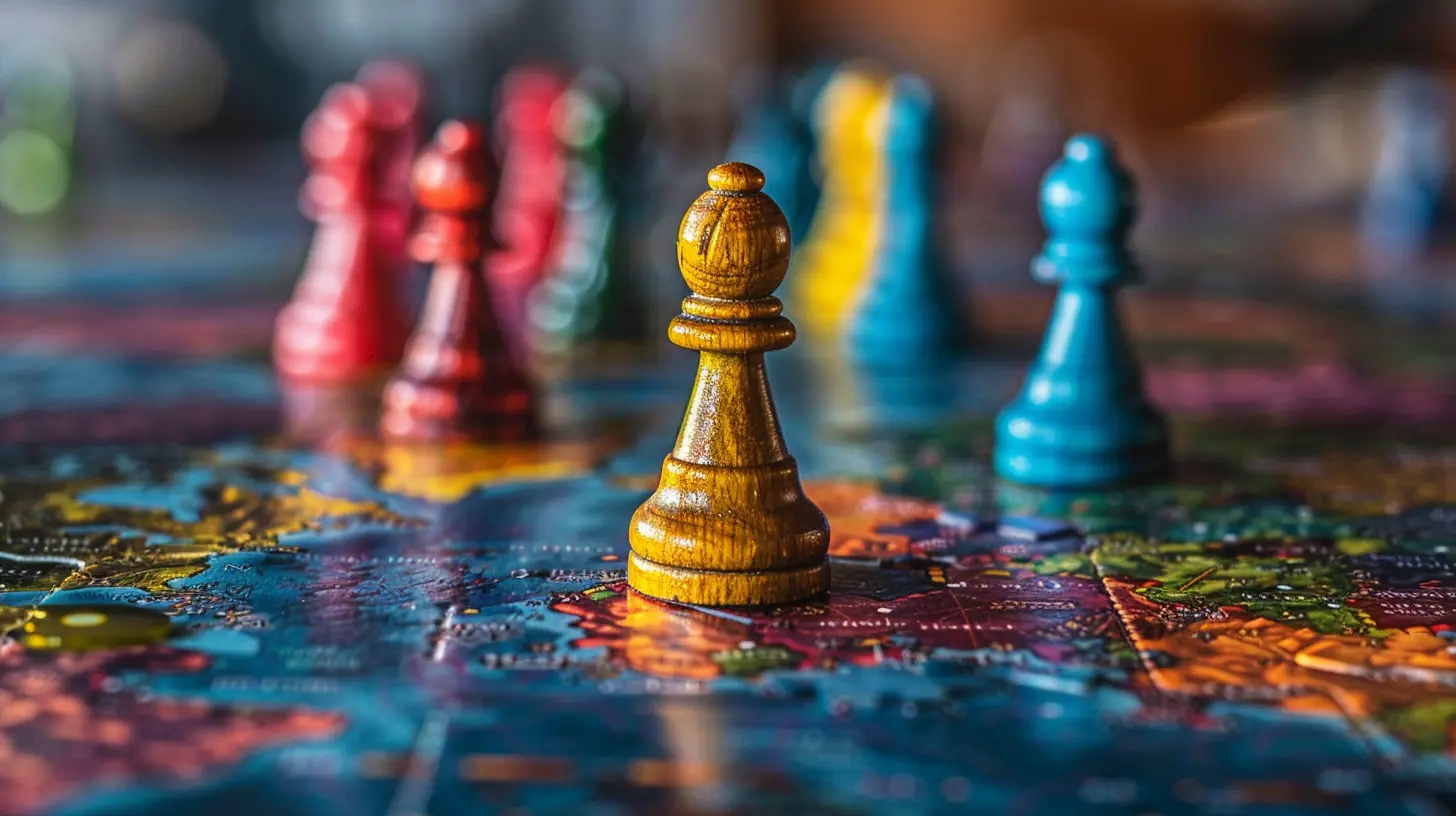
The Birth of Eurogames: A Quick History Lesson
Eurogames didn’t just appear out of nowhere. Their story starts in post-World War II Europe, particularly in Germany. After the war, Germany adopted strict anti-war sentiments, which naturally extended to its cultural products—including games. Designers steered away from violent, antagonistic themes and leaned heavily into economics, strategy, and positive interaction.Fast forward to the 1990s, when a little game called The Settlers of Catan burst onto the scene. Designed by Klaus Teuber, Catan was an instant hit and became the poster child for Eurogames. It introduced millions of players to a fresh style of gaming, sparking a renaissance in board game design.
Now? Eurogames are a global phenomenon. They’ve inspired countless spin-offs, hybrids, and even began influencing traditional American-style games—leading us to what many call the “golden age of board gaming.”
The Meeple Revolution: Iconic Eurogame Features
You can’t talk about Eurogames without mentioning a few specific quirks that make them so darn charming.Meeples: The Tiny Wooden Heroes
What’s a Eurogame without its beloved “meeples”? These small wooden tokens, usually shaped like people, became an unofficial mascot for the genre. First popularized in Carcassonne, meeples transformed plain game pieces into something with character. They’re tactile, adorable, and endlessly satisfying to play with. Seriously, who doesn’t love a good meeple?Modular Game Boards
Say goodbye to playing on the same board every single time. Eurogames often use modular boards—tiles or cards that change the layout with every game. This means no two games are ever quite the same. Catan’s hexagonal tiles and Carcassonne’s growing landscape are prime examples.Simplicity Meets Depth
Eurogames are deceptively simple to learn but incredibly deep to master. The rules are straightforward, and yet the strategies? Oh, they’ll keep you coming back for more. In many ways, Eurogames are like onions—there are layers to peel back. And no, they won’t make you cry (unless you’re losing terribly).How Eurogames Took Over the World
The success of Eurogames didn’t just stop at Europe—they went global. The reasons? A perfect storm of modern trends, community engagement, and accessibility.Kickstarter and the Board Game Boom
Crowdfunding platforms like Kickstarter became a game-changer (pun intended) for board game developers. Independent creators could pitch their ideas to the masses, giving rise to countless innovative Eurogames. Suddenly, the market was flooded with fresh ideas and unique twists on classic mechanics.The Rise of Gaming Cafés
Gaming cafés popped up like mushrooms, providing social spaces for people to try out games without committing to a purchase. Eurogames thrived in these environments, as their engaging gameplay often converted newcomers into lifelong fans.A New Wave of Gamers
Let’s not forget the internet and its role in spreading the love for Eurogames. From YouTube reviews (shoutout to anyone who’s fallen down a Shut Up & Sit Down rabbit hole) to online forums, the tabletop community exploded. And Eurogames? They were front and center.How Eurogames Changed the Industry Forever
Eurogames didn’t just shake things up—they changed the entire DNA of the board gaming industry. Today, their influence can be seen everywhere.Blurring Genre Lines
Thanks to Eurogames, the lines between “American-style” and “European-style” games are blurrier than ever. Many modern games now combine the best of both worlds—strategic depth from Eurogames and thematic flair from American games.Elevating Game Design
Eurogames set a new standard for what a board game could be. Designers began focusing on player experience, balancing mechanics, and creating engaging themes. This higher bar has benefited everyone, regardless of what style of games you enjoy.Taking Over Pop Culture
Board games are no longer niche. They’ve earned a spot at the cool kids’ table, and Eurogames played a big part in that. Shows like The Big Bang Theory popularized games like Catan, while modern culture embraced game nights as a trendy, tech-free way to connect with friends and family.Conclusion: Eurogames’ Legacy Lives On
Eurogames didn’t just revolutionize the board gaming industry—they reinvigorated it, turning a once-stale pastime into a thriving, dynamic hobby. Whether you’re building railroads in Ticket to Ride, farming in Agricola, or trading sheep for wood in Catan, you’re experiencing the legacy of a revolution that began in Europe and spread across the globe.And the best part? Eurogames keep evolving. New games are hitting the shelves all the time, each one pushing the boundaries of what we thought board games could do. So next time you sit down for a game night, take a moment to appreciate how far we’ve come—all thanks to the little Eurogames that could.
all images in this post were generated using AI tools
Category:
Board GamesAuthor:

Leandro Banks
Discussion
rate this article
2 comments
Maris McDonald
Eurogames transformed the board gaming landscape from luck-driven chaos to strategy-laden artistry. By prioritizing player interaction, intricate mechanics, and thematic depth, they’ve not only reshaped our tables but also sparked a renaissance, proving that sometimes, less is indeed more—more strategy, more conversation, and definitely more fun!
December 30, 2025 at 5:47 AM
Leandro Banks
Thank you for your insightful comment! Eurogames truly have redefined the board gaming experience, emphasizing strategy and interaction, and fostering a vibrant community around thoughtful gameplay.
Vex Benson
This article beautifully highlights the impact of Eurogames on the board gaming landscape. Their emphasis on strategy and player interaction has truly transformed gaming experiences, bringing people together in such meaningful ways. Great read!
December 24, 2025 at 5:55 AM
Leandro Banks
Thank you for your kind words! I'm glad you enjoyed the article and appreciate the impact of Eurogames on bringing players together.