How to Improve Your Reflexes for Fast-Paced Games
7 July 2026
Let’s be real for a second—fast-paced games are more intense than a double espresso shot on an empty stomach. Whether you’re dodging bullets in an FPS, landing perfect combos in a fighting game, or making split-second decisions in a sweaty battle royale, one thing is crystal clear: your reflexes make or break your gameplay.
If you've ever found yourself yelling “I totally pressed that!” or blaming lag when you're a second too slow, you're not alone. The good news? Reflexes aren’t just some magical gift from the gaming gods. Like your aim, builds, or strategy—reflexes can be trained and improved.
So, buckle up. We’re about to dive into how you can level up your reflexes, become a menace in fast-paced games, and maybe—just maybe—get that win you’ve been chasing.
⚡ What Are Reflexes Anyway?
Think of reflexes as your brain’s race car. They're your body’s automatic reaction to a stimulus—like seeing an enemy peek and instantly snapping your aim to their head. But in gaming, we’re not just relying on physical reflexes (like flinching when something flies at your face). We're talking about _perceptual_ reflexes—the kind that involves your brain, eyes, and hands working like a flawless tag team.Improving reflexes is part muscle memory, part reaction speed, and a lot of focus. And yes, all of that can be trained.
? Why Reflexes Matter in Gaming
Here’s the deal: in fast-paced games, reactions are everything. A millisecond delay can mean the difference between clutching a match or watching someone else emote over your body.If you're playing titles like:
- Call of Duty, Valorant, or Overwatch – you need fast aim and quick reactions to enemy movement.
- Fortnite, Apex Legends, or PUBG – you need to build, shoot, and reposition fast.
- Rocket League, Tekken, or Smash Bros – every flick, dodge, or counter matters.
These games don’t just test your strategy—they push your physical and mental limits. If you want to climb the ranks, boosting your reflexes is non-negotiable.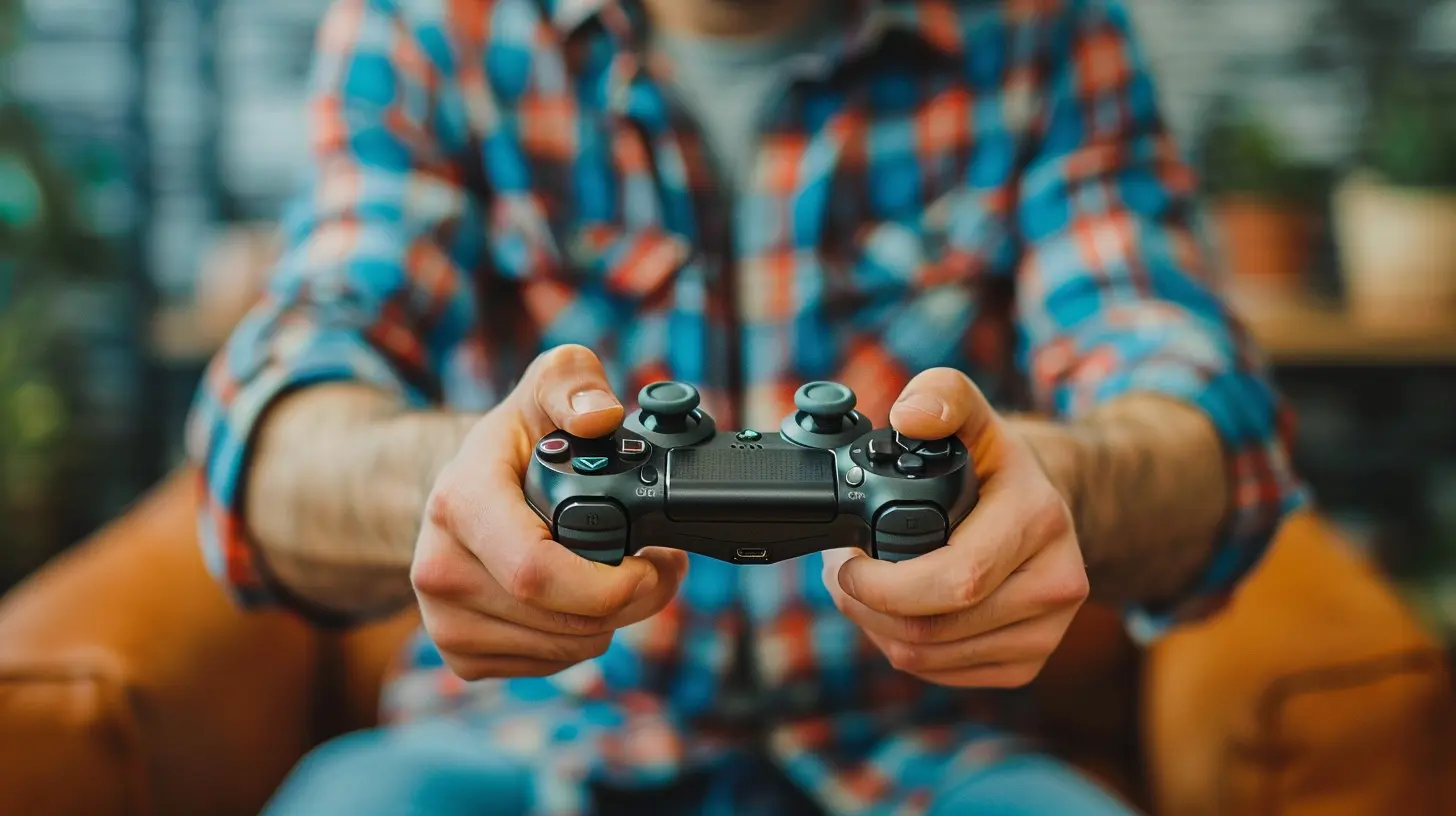
? Step 1: Train Your Brain (Yes, Really)
Your brain is the command center. Reflexes start there. So let’s give it a workout.? Play Brain-Training Games
Apps like Lumosity, Brain.fm, or NeuroNation offer exercises that improve your reaction time, decision-making, and visual processing speed. It’s like going to the gym—but for your noggin.?️ Practice Visual Recognition
Gaming reflexes rely heavily on spotting changes fast. Play “spot the difference” games, use reaction timer tools like Human Benchmark (yep, it’s fun), or even try competitive puzzle games like Tetris or Puyo Puyo.When your eyes get faster, your reflexes do too.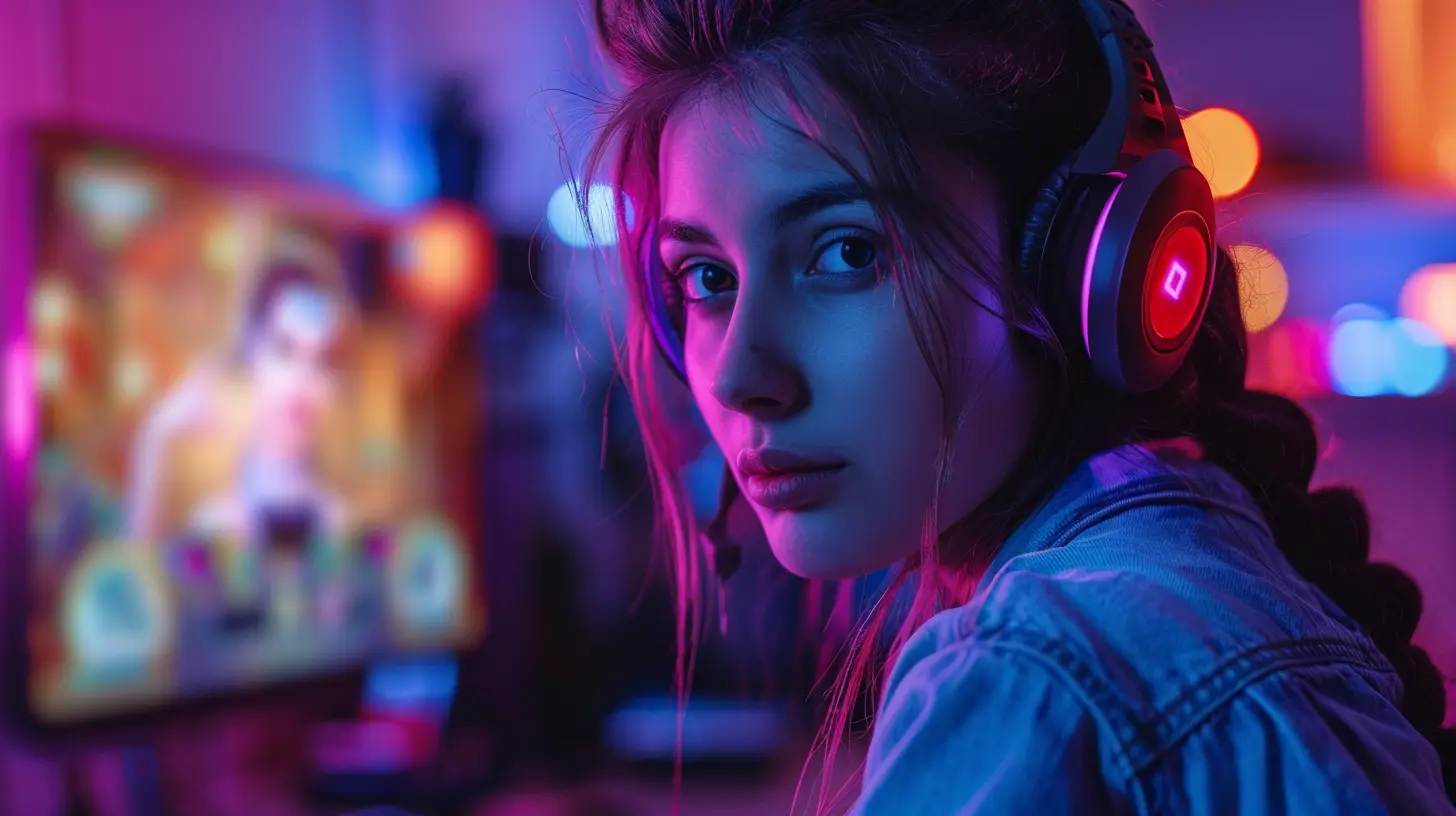
? Step 2: Build Hand-Eye Coordination
Let’s get those hands and eyes talking like best buds.? Aim Trainers
If you’re into shooters, aim trainers are your holy grail. Programs like _Kovaak’s FPS Aim Trainer_, _Aim Lab_, or _Aimtastic_ help you sharpen your flick shots, build precision, and react quicker to movement.Use them daily—just 15 minutes can make a noticeable difference.
? Use Games That Push You
Some games naturally push reflex development. Play stuff like:- Osu! – A rhythmic reaction-based game that’s insanely effective for muscle memory.
- Beat Saber – Fun, physical, and fast-paced.
- Geometry Dash – Yes, it’s chaotic, but boy does it keep you on your toes.
The more you push your limits, the faster your reflexes get.
?♂️ Step 3: Sharpen Your Focus
Reflexes aren’t just about reacting—they’re about reacting correctly. For that, you need focus.? Ditch the Distractions
Multitasking might sound cool, but it’s a reflex killer. Close your tabs, put your phone on silent, and focus on the game. Reflexes thrive when your attention is laser-sharp.? Try Mindfulness (No, Seriously)
Quick reactions require a calm mind. Meditation or breathing techniques help you manage stress and stay composed under pressure. Even five minutes a day works wonders.Remember: a calmer mind reacts faster under stress.
? Step 4: Practice Reaction Time Drills
Yep, there are actual drills for this. Think of these as practice sprints for your reflexes.? Reaction Timer Tools
Websites like Human Benchmark or Just Get Reaction Time Test let you test and improve your response time. You’ll get addicted real fast.Try to beat your score daily. Challenge your friends. Make it a competition. Gamify it—you’re a gamer, right?
? In-Game Training Modes
Use custom games or practice ranges. For example, in Valorant or CS:GO, set up bots, increase their speed, and practice reacting. In fighting games, set the AI to hard mode and learn to parry or dodge.⚙️ Step 5: Upgrade Your Gaming Setup
Don’t let lag ruin your flow. A solid setup isn’t about flexing—it actually sharpens your reflexes.?️ Use the Right Equipment
- High refresh rate monitor (at least 120Hz) = smoother visuals- Low input lag mouse/keyboard – your click actually registers—fast
- Proper gaming headset – hearing footsteps a second early can be a game changer
? Clean Setup, Clean Mind
A cluttered desk? That’s a distraction. Keep your space tidy. It’s amazing how much more focused you’ll feel.? Step 6: Take Care of Your Body
Wait, what? Isn’t this article about reflexes in games?Yes—but your body is the hardware running the game. If it's lagging, your reflexes are too.
? Sleep is Non-Negotiable
Sleep deprivation crushes reaction time. Aim for 7-9 hours a night. Even being 1-2 hours short can make you slower than your grandma’s dial-up connection.? Eat for Energy, Not Snoozes
Sugary foods give quick boosts and fast crashes. For consistent performance, fuel up with balanced meals—think proteins, whole grains, and healthy fats.?♂️ Stay Active
Regular exercise boosts blood flow to the brain. That means better focus and quicker reactions. You don’t have to hit the gym daily—just move. Think walks, stretches, maybe even a little dancing between matches (hey, it adds fun).? Step 7: Repetition Builds Perfection
Here’s where the magic happens. You’ve got the tools, drills, and tips—now you need to put in the reps.? Make Reflex Training a Routine
Treat your reflex training like practicing an instrument or going to the gym. Set aside 15–30 minutes a day:- 10 mins aim trainer
- 5 mins reaction time drills
- 10 mins high-focus gameplay
Over time? You’ll notice insane improvements.
? Build Muscle Memory
Want to react instantly? Then practice until certain actions become automatic. Watch pro gamers—they don’t _think_ about peeking corners or switching weapons—they just do it.You want that kind of automation. And that comes from repetition.
? Bonus Tips for Specific Game Types
? FPS Games
- Pre-aim corners- Crosshair placement = huge time-saver
- Sound cues? Learn them well
? Fighting Games
- Drill combos until they’re second nature- Learn frame data (yep, nerdy but useful)
- React to patterns, not randomness
? Battle Royales
- Master movement mechanics- Practice tracking, not just clicking
- Understand third-party timings
? Racing/Action Games
- Anticipate turns, don’t just react to them- Use peripheral vision more
- Adjust FOV settings for better vision
? Final Thoughts
Getting better reflexes for fast-paced games isn’t just about spamming buttons faster—it’s about training smart.You don’t need superpowers. You just need patience, consistency, and a desire to push yourself one second faster than before. The best part? This stuff doesn’t just help in gaming. Faster reflexes make you sharper in real life too—from parking your car to catching a falling phone (we’ve all been there).
Start small. Stay consistent. You’ll be surprised how fast your reflexes level up.
Now go out there and make your enemies wonder if you’re running cheat codes (you’re not—your reflexes are just cracked).
all images in this post were generated using AI tools
Category:
Game GuidesAuthor:

Leandro Banks
Discussion
rate this article
1 comments
Celine Wheeler
Improving your reflexes can be a challenging journey, but remember that progress takes time. Celebrate small victories along the way. Every bit of practice counts, and the dedication you show will not only enhance your skills but also deepen your enjoyment of gaming.
July 8, 2026 at 4:59 AM
Leandro Banks
Thanks for the reminder! Celebrating those small wins definitely keeps the motivation up. Every little bit of practice truly makes a difference.