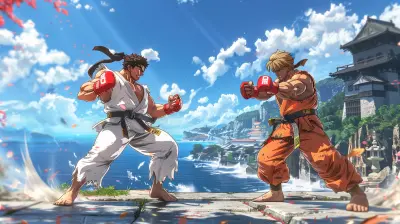
How to Train Effectively in Fighting Games
3 May 2026
So, you’ve thrown your controller across the room after another online loss, huh? We've all been there. Fighting games are brutal. They don’t hold your hand, and the learning curve can feel like climbing Mount Everest with flip-flops. But here’s the thing—what separates the rookies from the beasts is effective training, not just grinding match after match without a game plan.
Whether you're trying to climb the ranked ladder, sweep through a local tournament, or just beat your trash-talking friend, smart training is your ticket to domination. Let’s break it down together and build a training routine that actually gets results.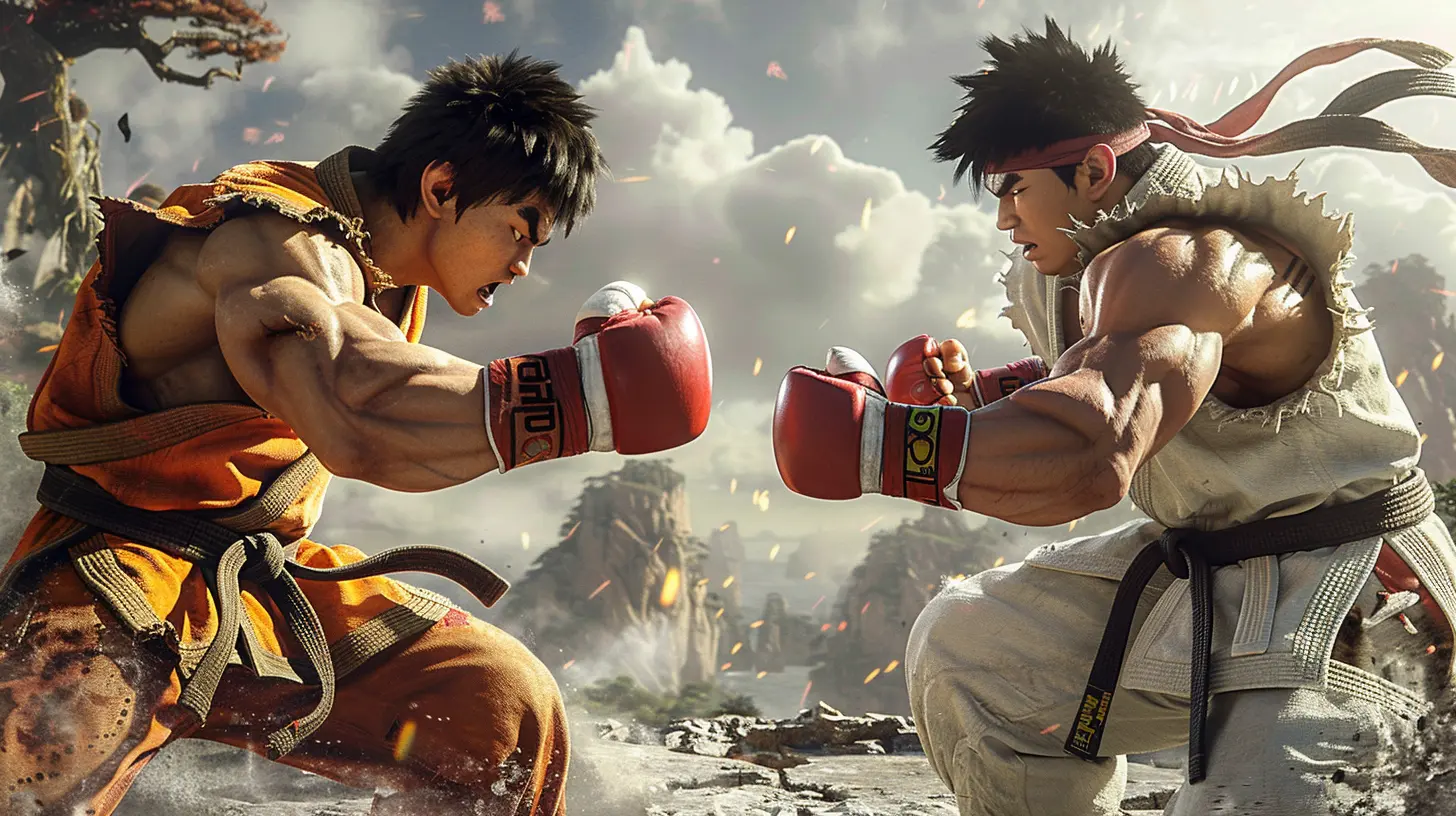
Why Training Smarter Beats Training Harder
Before we dive into combos and frame data, let’s get one thing straight: spamming games isn’t the same as practicing. Imagine trying to learn guitar by playing random notes without knowing the chords or scales. That’s what many players do—they jump online, get bodied, and wonder why their win rate isn’t budging.Training effectively in fighting games is about intentional learning. You’ve got to know what you’re practicing and why.
Step 1: Pick a Main and Stick With It
Look, I get it—every new DLC character looks sick. It's tempting to bounce around from fighter to fighter. But if you want to grow, commit to one main. Learn their normals, specials, strengths, weaknesses, and most importantly, how you like to play them.Every character has quirks that take time to master. Switching mains constantly is like trying to learn five languages at once—you’ll just get confused and frustrated. Pick a character you vibe with and build your foundation there.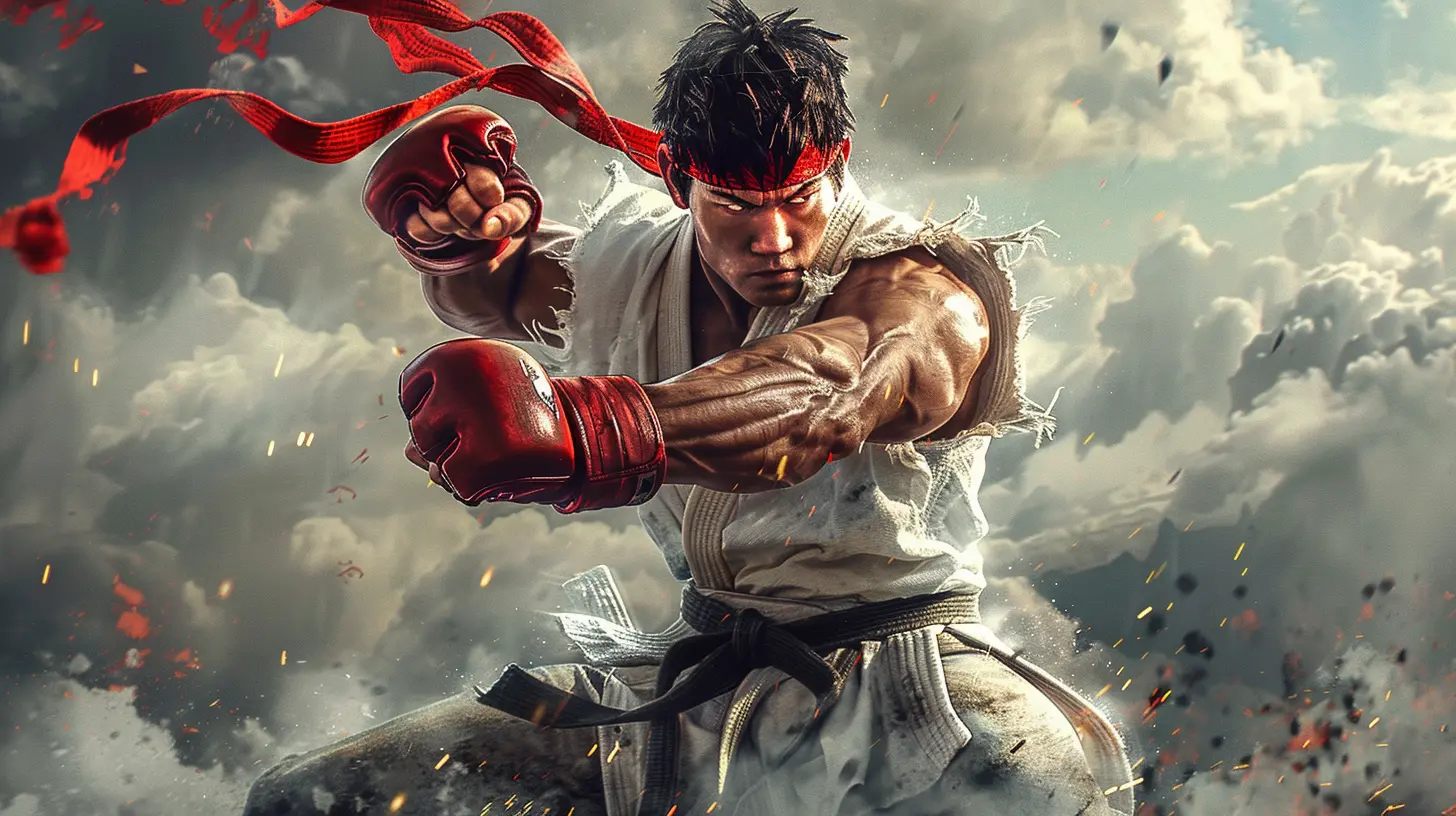
Step 2: Master Movement First
You can’t win fights if you can’t move. Footsies, spacing, and positioning are the unsung heroes of fighting games. Mastering movement is like learning to walk before you sprint.- Practice dashing, jumping, and walking with intent.
- Drill backdashes and forward movement into your muscle memory.
- Learn how different characters control space. Zoners? Rushdown? Grapplers? They all handle movement differently.
Want an easy drill? Load up training mode and just dodge attacks for five minutes. No counterattacking—just avoid. It forces you to focus on movement and spacing.
Step 3: Understand Your Moveset, Don’t Just Memorize It
Sure, knowing your character’s moves is great, but do you know when and why to use them?Go into the command list and test out each move:
- What’s its range?
- Is it safe or punishable?
- Can you follow up after it hits?
- Does it beat air attacks? Anti-airs matter more than you think.
Don’t just memorize inputs. Learn their purpose. A great player doesn’t hit buttons at random—they press the right one at the right time.
Step 4: Lab Like a Scientist
Let me tell you a hard truth: training mode is your best friend. No, seriously. That boring screen with no action? It’s the dojo of legends.Here’s how to use the lab effectively:
- Practice punishes. Set the CPU to repeat unsafe moves and drill your response.
- Test combos. Start with bread-and-butter (BnB) combos and expand from there.
- Learn frame traps. Yes, frame data sounds like math homework, but it’s your key to controlling the pace.
What’s frame data, you ask? Think of it as the “risk vs. reward” blueprint of the game. Moves that are safe let you pressure more. Unsafe ones? Your opponent will slap you for them.
Step 5: Watch Your Replays (Yes, Even the Ugly Ones)
Replays are like a mirror—they don’t lie. Watching your own matches can feel brutal, but it’s pure gold for improvement.Ask yourself:
- Why did I lose neutral?
- Was I blocking properly?
- Did I drop combos?
- Did I panic when cornered?
Write down what you notice. Did you always get hit by wake-up DPs? Did your anti-air game vanish under pressure? These patterns are your training roadmap.
And hey—don’t only watch losses. Check out your wins too. Sometimes we get so caught up in what went wrong, we forget to reinforce what went right.
Step 6: Train One Skill At A Time
You can’t juggle five spinning plates when you haven’t mastered holding one. Focus on one element:- This week: Anti-airs.
- Next week: Throw techs.
- Then: Combos under pressure.
Breaking your training into bite-sized goals prevents burnout and builds confidence. Mastering each piece slowly turns you into a complete player.
Step 7: Fight People Better Than You
Scary, right? But here’s the deal—playing someone worse or equal in skill is cozy. Doesn’t push you much. Facing stronger players, though? That’s where growth lives.You’ll:
- Recognize your habits faster.
- Adapt to new strategies.
- Learn what high-level pressure feels like.
Sure, you’ll lose. But every loss is a free lesson, and in fighting games, education = elevation.
Step 8: Incorporate Mental Training
Want to know the unspoken skill that separates plat from pro?Mental resilience.
Fighting games are emotionally intense. Rage, nerves, tilt—it hits everyone. Training your mind is just as vital as learning matchups.
- Learn to stay calm after a loss.
- Don’t mash buttons in panic.
- Breathe and reset between rounds.
- Avoid blaming lag or the game. (Yeah, we all think the netcode's trash sometimes.)
Strong mental game = consistent performance. And consistency wins tournaments.
Step 9: Make Use of Online Tools
We’re living in the golden age of info. Use it!- YouTube: Watch pros play your character. Pause, study, take notes.
- Discord: Join character-specific servers. Ask questions, find mentors, get matchup advice.
- Frame Data Apps: Tools like FAT (for Street Fighter) or Dustloop (for Guilty Gear) are game-changers.
- Modded Training Modes: Some games have advanced training tools that let you record sequences, view hitboxes, and simulate scenarios.
Combine game time with study time. Be a student of the game, not just a player.
Step 10: Stay Consistent (Even When It Sucks)
Real talk—some days it feels like you're regressing. You’ll question your skill, your character, maybe even your life choices. That’s normal.Improvement isn’t linear. It’s messy. But consistency? That’s your secret weapon.
Even just 30 minutes a day of focused, deliberate practice adds up. Over time, muscle memory builds, reactions sharpen, and confidence skyrockets.
Bonus Tip: Balance Practice with Play
Don’t forget to just play the game. All labbing and no interaction turns you into a robot.Jump into casuals. Try new things. Experiment. Lose with a smile.
Because at the end of the day, fighting games are about connection, competition, and that heart-racing moment when you land the perfect punish.
Final Thoughts: It’s a Marathon, Not a Punch-Out Match
Training effectively means working smarter, not aimlessly harder. It’s not about memorizing 50-hit combos or grinding the same matchup forever—it’s about understanding the game, forming habits, and steadily building your skill brick-by-brick.No one becomes a Street Fighter god overnight. Even Daigo had to learn how to block first.
So keep at it. Embrace the Ls. Celebrate the Ws. And remember—every hard-fought match brings you one step closer to mastery.
You've got this, warrior.
all images in this post were generated using AI tools
Category:
Game GuidesAuthor:

Leandro Banks
Discussion
rate this article
2 comments
Lauren Newton
This article offers practical insights on training techniques for fighting games. It emphasizes the importance of focused practice, understanding character mechanics, and adapting to opponents. Incorporating both solo drills and online matches can significantly enhance a player's skill and game awareness.
May 5, 2026 at 2:58 AM
Leandro Banks
Thanks for the feedback! I'm glad you found the insights on focused practice and adaptability helpful. Happy gaming!
Sloan Kelly
Great tips on training! I think incorporating a mix of solo practice and online matches can really enhance skills. Also, reviewing match footage to analyze mistakes is invaluable. Remember, consistency is key; even short daily sessions can lead to significant improvement over time. Keep up the good work!
May 4, 2026 at 2:55 AM
Leandro Banks
Thanks for the insights! Mixing solo practice with online matches and reviewing footage really does make a difference. Consistent short sessions can lead to big gains. Appreciate your support!