Mastering Immersive Gameplay in Single Player RPGs
6 January 2026
When was the last time you were so absorbed in a game that you actually lost track of time? You know, one of those moments where your coffee went cold, and suddenly it’s three in the morning? That’s the magic of immersive gameplay in single-player RPGs (Role-Playing Games). These types of games can pull you into an entirely different world and make you feel like you're living a second life.
But here's the thing: not all RPGs are created equal. To truly enjoy that immersive experience, you need to know how to approach these games. From understanding mechanics to engaging with the narrative, there’s a certain finesse to mastering the art of losing yourself in these virtual universes.
In this article, we’ll dive deep into what makes single-player RPGs so special and, more importantly, how you can squeeze every ounce of enjoyment out of them.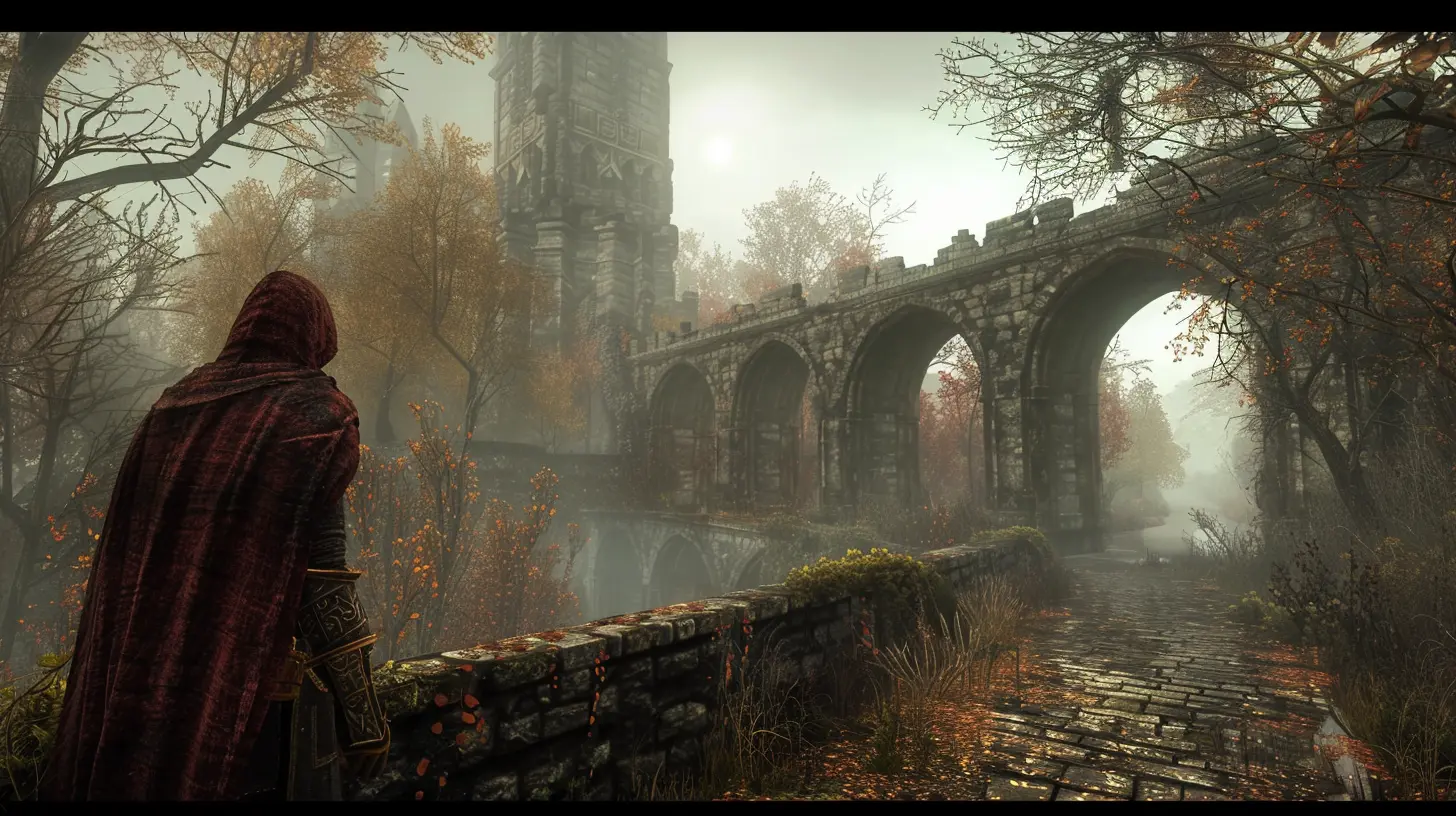
What Makes Single-Player RPGs So Immersive?
Before we jump into tips and strategies, let’s take a moment to appreciate what sets single-player RPGs apart. Unlike multiplayer games where you’re usually competing or cooperating with other players, RPGs are more personal. They’re like an interactive book where you are the protagonist.Here are a few key elements that make these games so immersive:
1. Rich Storytelling
Single-player RPGs are a storytelling playground. Whether it’s saving a kingdom from impending doom or piecing together your character's mysterious past, the narrative is the backbone of an RPG. A well-told story can grip you emotionally, making you care about the characters and decisions you're making.Think of classics like The Witcher 3: Wild Hunt. Its story is so dense with lore and emotional depth that you feel like Geralt’s struggles are your own. That’s the sweet spot of immersion.
2. Exploration and Open Worlds
Let’s be real: who doesn’t love wandering through sprawling worlds and uncovering hidden secrets? Single-player RPGs like Skyrim let you roam wherever you please, whether that means climbing snowy peaks, diving into eerie caves, or simply enjoying the serene beauty of their worlds.The freedom to explore gives players a sense of agency, which is exactly the kind of thing that keeps you hooked for hours.
3. Character Customization
Whether it’s choosing your character’s abilities, tweaking their appearance, or picking moral alignments, single-player RPGs let you be you (or someone else entirely). Games like Dragon Age: Inquisition and Cyberpunk 2077 let you craft a version of yourself or a completely unique character.These customization options help immerse you deeper because the experience feels personal. It’s your story, and you’re writing it as you go.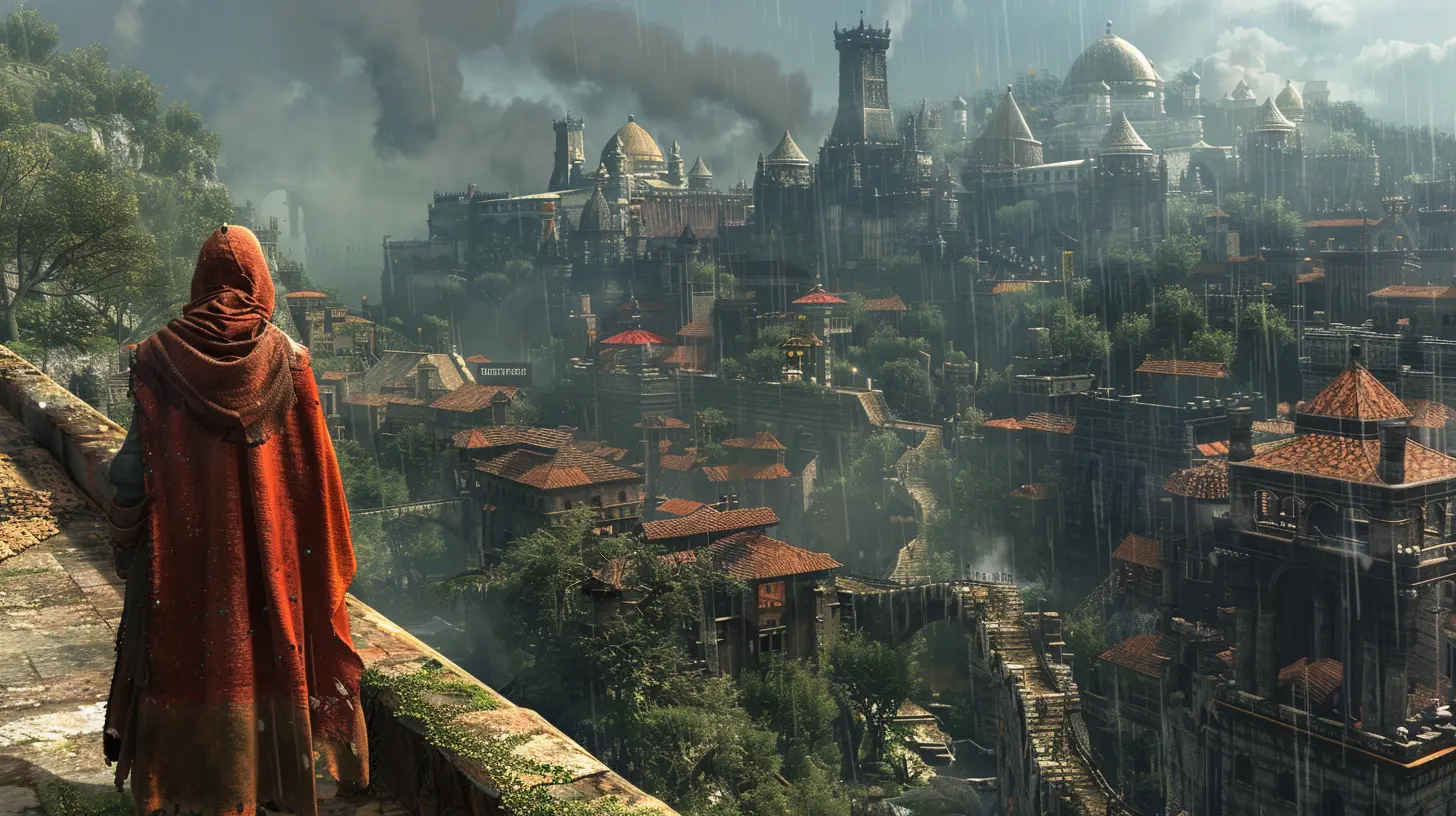
How to Master Immersive Gameplay in Single-Player RPGs
Now that we know what makes RPGs special, let’s focus on how to approach them to get the ultimate experience. Whether you’re a seasoned player or new to the genre, these tips will help you dive headfirst into the world of immersive gameplay.1. Don’t Rush the Main Questline
It’s tempting—oh, so tempting—to charge straight through the main questline. But trust me, you’ll enjoy the game so much more if you take your time. Most single-player RPGs are crafted with side quests, random encounters, and hidden details that flesh out the world.Think of the main quest as the skeleton, while the side content is the flesh and muscle. If you ignore the side quests, you’re missing out on the heart and soul of the game.
Pro Tip:
Set small goals for your play sessions. For instance, instead of saying, “I’m going to beat the game,” go for something like, “I’ll explore that mysterious tower on the map today.”2. Engage with the Lore and Story
Have you ever skimmed through in-game books, dialogues, or codices? (Don’t be ashamed, we’ve all done it.) While it’s easy to brush past these details, they often hold the key to a more immersive experience.For example, in Elden Ring, understanding the cryptic lore gives the world its emotional weight. Similarly, reading about the history of a region in Skyrim can make visiting those ancient ruins feel more meaningful.
Pro Tip:
Take breaks in between action-packed moments to dig into the game’s lore. And if you’re someone who loves the story but can’t remember all the details, jot down notes—it’s like being a detective!3. Experiment with Role-Playing
Here’s where RPGs shine—you’re not just playing; you’re role-playing. Don’t just aim for the optimal path but make choices based on how your character would behave. Would they help the beggar on the street or walk away? Would they negotiate a truce or burn the place down?When you role-play, every decision feels personal, and the game becomes more than just a series of objectives. It becomes your story.
Pro Tip:
If you’re struggling to role-play, give your character a backstory. Are they a wandering knight with a tragic past? A rogue with a heart of gold? Let these details guide your decisions.4. Play at Your Own Pace
Let me say this loud and clear: RPGs are not races. There’s no leaderboard, and nobody’s judging how long it takes you to complete the game. Instead of rushing, savor the experience.Spend hours exploring obscure locations, talk to every NPC (non-playable character), and don’t worry about efficiency. If you’re having fun, you’re doing it right.
5. Get Immersive with Audio and Visuals
Immersion isn’t just about gameplay; it’s about atmosphere. Ensure you’re playing under the best conditions possible. Dim the lights, turn up the sound, and maybe even throw on some headphones. A good soundtrack or ambient noise can significantly enhance your experience.For instance, the haunting music in Dark Souls elevates the game’s intensity, while the orchestral scores in Final Fantasy tug at your emotions.
Pro Tip:
If your gaming rig allows it, crank up the graphics settings. Those tiny details—like the way sunlight filters through trees or how rain hits your character’s cloak—add to the immersion.6. Make Use of Mods
Some games, like Skyrim or The Witcher 3, have thriving modding communities. Mods can enhance immersion by adding new features, quests, or even graphical overhauls. Want to make the world more realistic? There’s probably a mod for that.Pro Tip:
If you’re just starting with mods, keep it simple. Look for quality-of-life improvements like better UI (user interface) mods or texture packs.7. Learn the Game’s Mechanics
Immersion doesn’t mean abandoning the technical side of an RPG. In fact, getting familiar with the game’s mechanics—whether it’s crafting, combat, or dialogue options—can enhance your experience. Knowing how the systems work makes you feel like a true master of the world.Example:
In Divinity: Original Sin 2, experimenting with elemental combos in combat can be thrilling. Once you know the mechanics, igniting an oil slick to burn your enemies feels incredibly satisfying!
Games That Nail Immersive Single-Player RPG Experiences
If you’re wondering where to find some of the most immersive RPGs, here’s a quick list:1. The Elder Scrolls V: Skyrim – A masterpiece of open-world design.
2. The Witcher 3: Wild Hunt – A gold standard in RPG storytelling.
3. Dragon Age: Inquisition – Incredible character-building and relationships.
4. Cyberpunk 2077 – Neon-lit dystopia meets personalized gameplay.
5. Divinity: Original Sin 2 – The ultimate role-playing sandbox.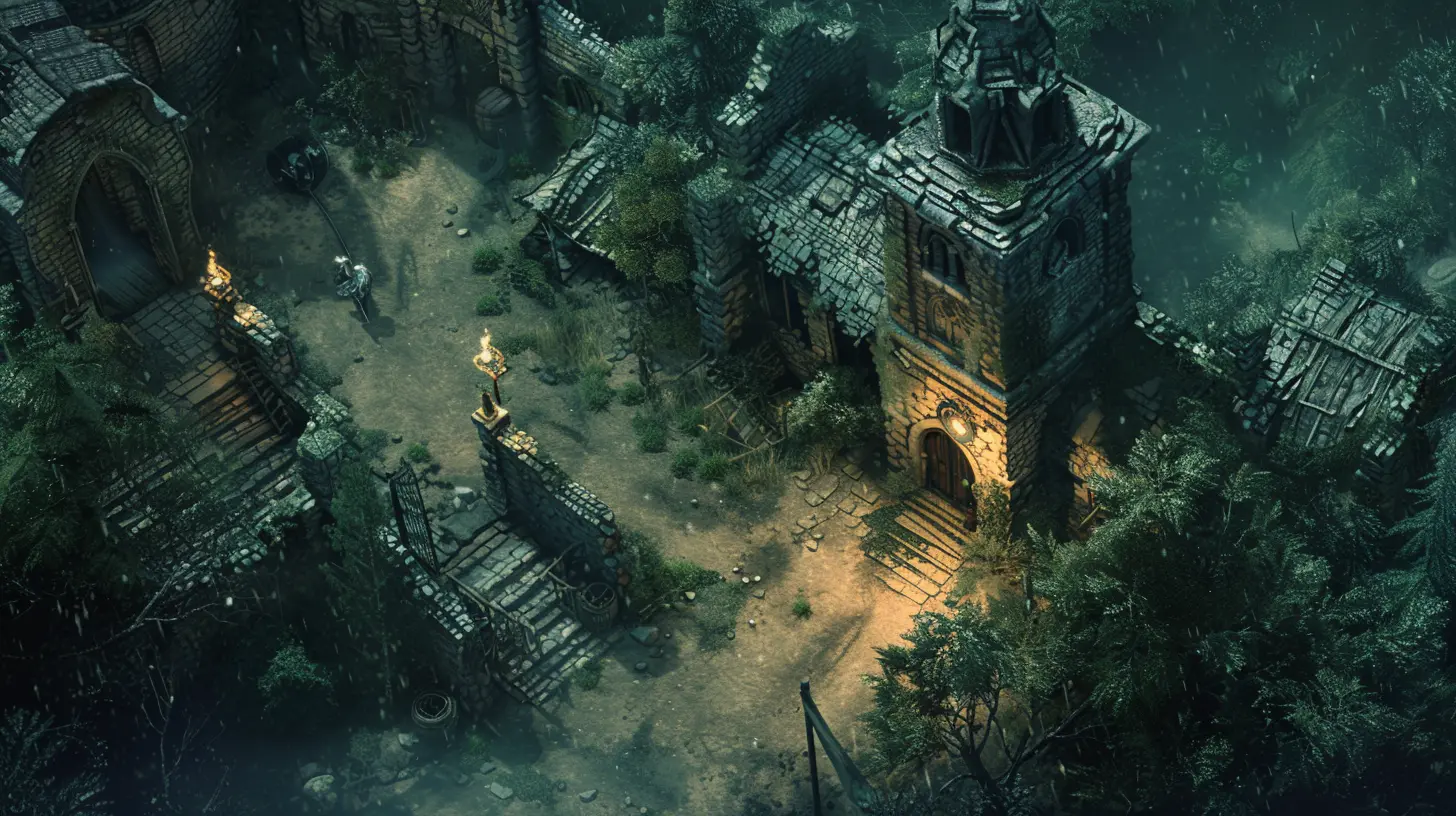
Final Thoughts
Single-player RPGs are more than just games—they’re experiences. They’re a ticket to another world, where you can be anyone and do anything. To fully master immersive gameplay, you need to let go of external distractions, let the game world pull you in, and embrace every twist and turn.So, the next time you boot up an RPG, take your time. Dive deep into the story, explore every corner, and savor the experience. After all, these are the kind of games that stick with you long after you’ve put the controller down.
all images in this post were generated using AI tools
Category:
Single Player GamesAuthor:

Leandro Banks
Discussion
rate this article
2 comments
Simone McCord
Ah, yes, mastering immersive gameplay in single-player RPGs—because who doesn’t want to spend 80 hours perfecting their virtual life while the real one passes by? Just remember, if you can’t save the world, at least save your snacks from getting cold! Happy adventuring!
January 16, 2026 at 5:16 AM
Leandro Banks
Haha, great advice! Balancing virtual quests and real life is key—happy gaming!
Danica Gray
This article brilliantly captures the essence of immersive gameplay in single-player RPGs, emphasizing how narrative depth and player agency intertwine to create unforgettable experiences. A must-read for aspiring developers and gamers alike!
January 10, 2026 at 3:37 AM
Leandro Banks
Thank you for your thoughtful comment! I'm glad you found the article insightful and relevant for both developers and gamers. Happy gaming!