The Art of Timing and Precision in Button Combos
26 March 2026
If you've ever button-mashed your way through a fighting game or struggled to pull off a sick move in a hack-and-slash title, you already know that button combos can make or break your gameplay. But here's the thing—it’s not just about knowing the combo. It’s about nailing the timing and precision behind every press. Mastering this art is what separates casuals from pros, the button mashers from the tacticians.
Let’s break it all down and see why timing and precision in button combos are way more than just mashing buttons and hoping for the best.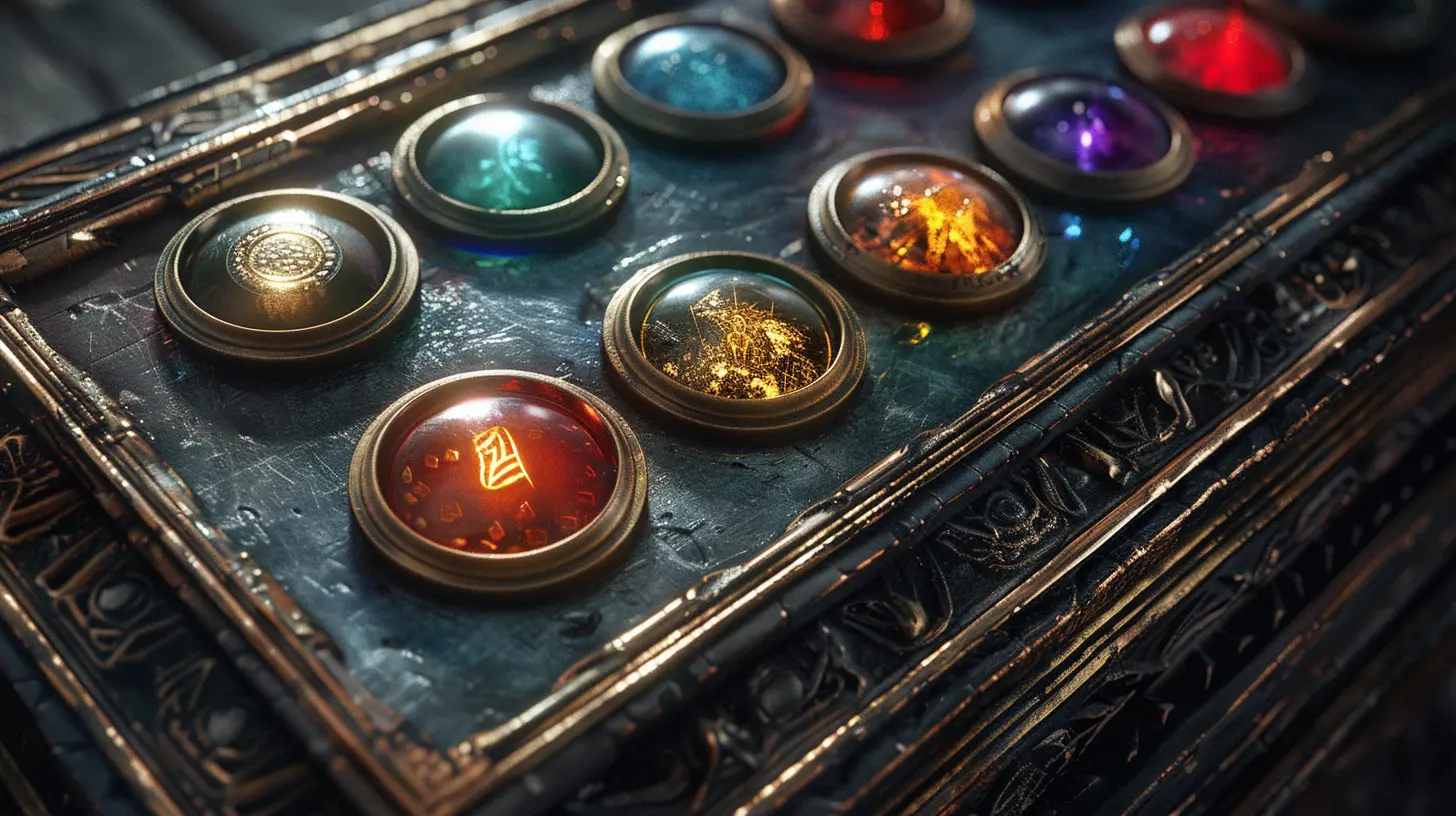
What Are Button Combos, Really?
Before we get into the finesse part of it, let's clear the air. A button combo is a pre-determined sequence of button presses that triggers a special move or chain of actions in a game. Think "Hadouken" in Street Fighter or a triple takedown in Batman: Arkham Knight. Each combo demands not just the right buttons, but the right rhythm and exact input windows.And if you think you can spam your way through those sequences, you’re in for a rude awakening.
Timing: The Backbone of Every Combo
Let’s talk about timing first. Ever tried performing a killer combo, but your character just awkwardly stands there or does a regular punch instead? That’s a timing issue. In most games—especially fighting or action RPGs—each button has a specific time window in which it needs to be pressed.If you're too early? The game ignores it.
Too late? The combo breaks.
Perfectly timed? You unleash a chain that your opponents will remember… or rage quit over.
Think of it like playing a musical instrument. Each note (button) has to be played in the right rhythm to create a melody (combo). Hit the wrong note at the wrong time and your masterpiece becomes noise.
Precision: Hitting the Right Note, Every Time
Timing is one part of the puzzle. Precision is the other side of the coin. You can have perfect timing, but if you hit the wrong button—or press an extra one by accident—it all goes downhill.In high-speed games like Devil May Cry or Mortal Kombat, precision separates the good players from the elite. One wrong input and your combo won’t just fail; you’ll leave yourself open to counterattacks or mess up a speedrun split.
It’s a bit like defusing a bomb (not literally, don’t sweat). You've got the wire-cutting sequence laid out. But if you snip the wrong one or hesitate even a second too long… well, boom.
Why Timing and Precision Matter More Than Ever
Games today aren’t getting easier. Combos are getting longer, windows are getting tighter, and input requirements are getting stricter.Here’s why these two elements are critical:
- Competitive Edge: In multiplayer settings—especially ranked matchmaking—executing combos with flawless timing and precision can be the difference between climbing rank or staying stuck in bronze forever.
- Efficiency: In PvE, you get through mobs faster, conserve resources, and look like a total legend on stream or YouTube.
- Style Points: Let’s be honest, we all want to look cool. Pulling out smooth, clean combos in front of your friends or audience? Chef’s kiss.
Not All Timing Is Created Equal
Did you know that different games use different timing systems for combos?Let’s break it down:
1. Rhythm-Based Timing
Games like Kingdom Hearts or some Musou titles (Dynasty Warriors, for example) use a rhythm-based combo system. You need to press buttons to a beat. Spam doesn’t work—you have to let the animations breathe.2. Frame-Perfect Timing
Fighting games like Tekken or Street Fighter demand frame-perfect inputs. That means you only have a few frames (milliseconds) to get your next button in. Miss the window? Combo’s dead.3. Lenient/Buffered Timing
Some modern games, especially more accessible action titles, offer a combo buffer. If you input the sequence early, the game stores your input and executes it at the right time. Makes it easier, but still needs precision.Knowing which timing system your game uses? That’s your first step toward mastery.
Building Muscle Memory: Practice Makes Perfect… Literally
You won’t master button combos overnight. You’ll mess up. Your thumbs might cramp. You’ll cry a little inside. But trust me—every top-tier player started out where you are.Step 1: Break Down the Combo
Don’t try to learn the five-hit string all at once. Start with the first two moves. Get them down. Then add the third, and so on.Step 2: Use Training Mode (Seriously)
If your game has a training room or lab mode, live there for a while. Turn on input display. Slow it down if you need to. Watch where you’re going wrong.Step 3: Repetition Rocks
Drill that combo until it’s second nature. Your hands should execute it while your brain is thinking about your next move. That’s the ultimate goal.The Role of Input Devices
Another thing no one talks about enough? Your controller or keyboard setup.- Arcade Stick vs Controller: In fighting games, arcade sticks offer precise directional inputs—great for quarter-circles or dragon punches. But if you’ve been using a controller all your life, stick with it. Familiarity > flash.
- Keyboard vs Controller: In PC action and MMORPGs, keyboards can be faster for combos that include abilities and hotkeys. But controller fans swear by analog movement and thumb-based button control. Choose your weapon.
Optimize your gear based on your comfort and the game’s control scheme. Don’t force it.
Lag: The Invisible Enemy of Timing
Ever feel like your combo SHOULD have landed—only it didn’t? You nailed the button inputs, but the move didn’t go off?Blame lag. Input delay is a real problem, especially in online multiplayer games. Your combo precision might be solid—but if the server or your console is lagging… well, even perfect timing isn’t enough.
- Use wired connections
- Lower graphics settings if needed
- Close background apps
- Choose servers close to your location
Make the environment cooperate with your skills.
Reading the Opponent: Timing Isn’t Just About Speed
Want to elevate your combo game further? Learn to read your opponent.- In PvP, a well-timed combo is about knowing when to strike, not just how to.
- In action games, chaining a combo after a parry or dodge is about reactive timing.
Think of it like dancing. It’s not just about how you move—it’s about moving in sync with your partner (or in this case, your enemy).
Common Mistakes to Avoid
We’ve all been there. But if you’re aware of these screw-ups, you can fix them fast.- Mashing buttons: It doesn’t work. Ever. Just don’t.
- Skipping training mode: Cutting corners will cost you.
- Not adjusting to lag: You’ll need to slightly adapt timing in online play.
- Overreliance on one combo: Be adaptable. Mix it up.
- Ignoring cooldowns or stamina systems: If you run out of resources mid-combo, you’re a sitting duck.
Combo Execution in Different Genres
Let’s peek at how combo timing and precision vary across popular genres.Fighting Games (Tekken, Street Fighter, Guilty Gear)
- Tight timing windows- Frame data knowledge essential
- Input buffering is your best friend
Action Hack-and-Slash (Devil May Cry, Bayonetta)
- Flow-based combat- Style matters as much as damage
- Timing mixed with movement and evasion
MMO/ARPGs (World of Warcraft, Lost Ark)
- Rotation-based combos- Cooldowns and resource management
- Must adapt to enemy behavior
Platformers (Celeste, Hollow Knight)
- Combo timing tied to movement- Precision is life or death
- Requires muscle memory and twitch reflexes
Tricks and Tips for Nailing Combos
Let’s wrap it up with some golden rules:- Slow down your combo at first, speed it up gradually.
- Learn to watch animations, not just hit buttons blindly.
- Use visual and muscle memory triggers (e.g. slow spark before a heavy hit).
- Record your sessions—watch what you’re doing wrong.
- Don’t panic in real matches—stick to what you’ve drilled.
Final Thoughts
Mastering combos isn’t just about memorizing inputs. It’s about synchronizing your brain and fingers, understanding game mechanics, and practicing until it feels natural. Timing and precision are skills that can be trained—not talents you’re born with.So whether you’re comboing into a super finisher in Mortal Kombat, juggling enemies mid-air in DMC, or pulling off a pixel-perfect move in Hollow Knight, just remember—every pro was once a noob who decided to get good.
Ready to level up your timing and precision? Let your fingers do the talking.
all images in this post were generated using AI tools
Category:
Game GuidesAuthor:

Leandro Banks
Discussion
rate this article
2 comments
George McIntosh
Sure, because button mashing is obviously an Olympic sport now!
April 3, 2026 at 3:08 PM
Leandro Banks
While button mashing may not be an Olympic sport, mastering timing and precision in combos certainly elevates gameplay to a competitive level!
Kova Franklin
Mastering timing transforms chaos into artful precision.
March 26, 2026 at 5:22 PM
Leandro Banks
Absolutely! Timing is the key that turns practice into mastery. It makes all the difference in executing those combos seamlessly.