The History of Trophy Systems in Gaming
1 May 2026
Ever find yourself grinding a tough level just to hear that ding and see a trophy icon pop up on your screen? Yeah, we’ve all been there. Achievements, trophies, badges—whatever you call them—they're more than just bragging rights. Trophy systems in gaming have evolved into an integral part of the gaming culture, subtly pushing us to explore more, play harder, and sometimes, do the downright ridiculous just for that 100% completion. But how did we get here?
Let’s take a deep dive into the history of trophy systems in gaming and how they’ve shaped the way we play.
Before Trophies: The Good Old High Score Era
Long before digital pats on the back became a thing, gamers had one goal: beat the high score. Remember walking into arcades and seeing initials like “AAA” or “BOB” at the top of the scoreboard? That was the original form of in-game recognition.Early console games borrowed this mentality. Titles like _Pac-Man_ and _Donkey Kong_ rewarded players purely through points. No pop-ups. No badges. Just your name in blazing pixels on a leaderboard.
It was simple but effective. You had proof of your epic skills… as long as nobody unplugged the machine.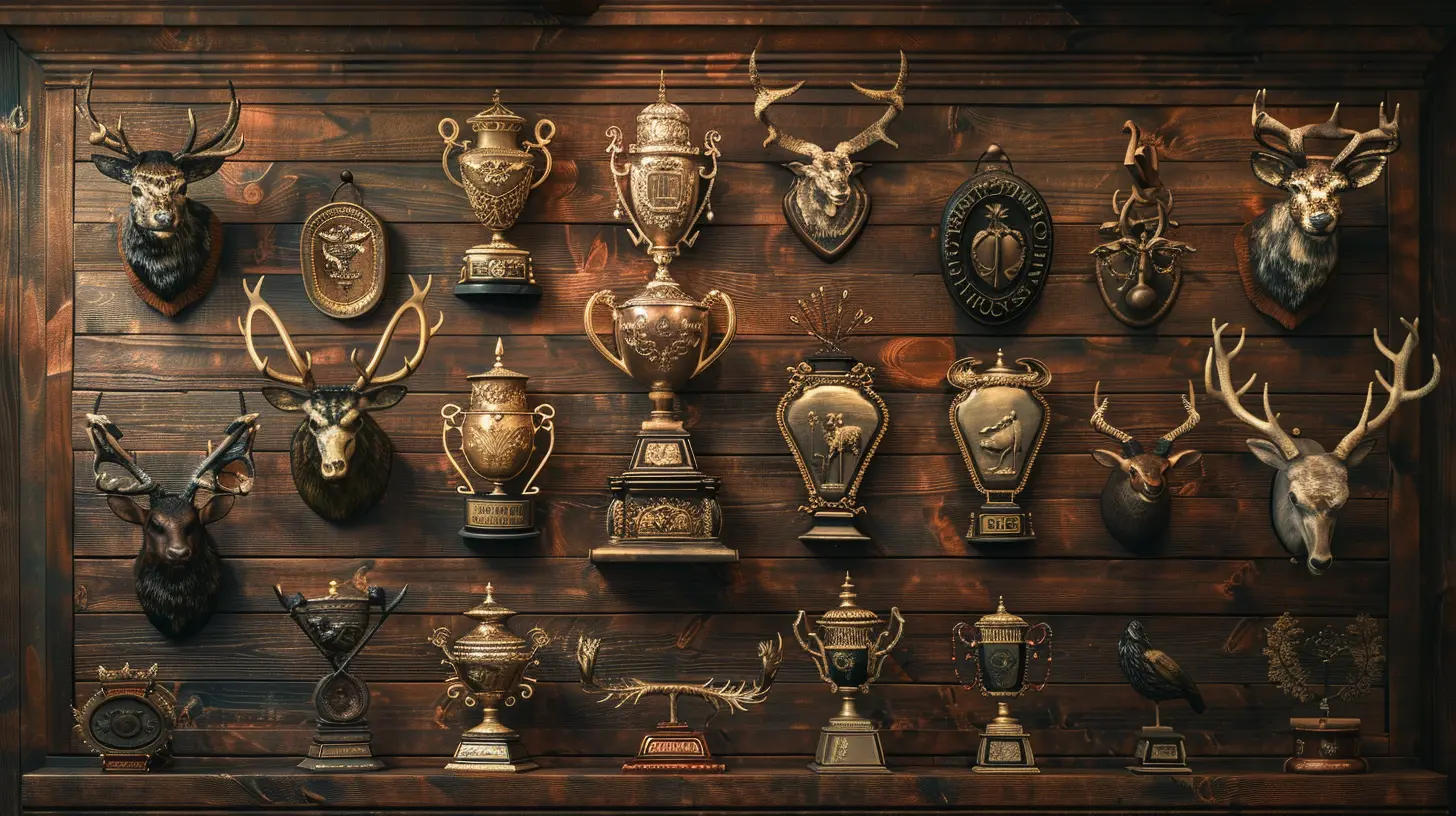
The Birth of Gameplay Challenges
As home consoles took over, games got deeper. Think back to the NES days—_The Legend of Zelda_, _Metroid_, or _Castlevania_. Completing these games wasn’t just about surviving; it was about facing off against secret bosses, finding hidden items, or conquering insane difficulty modes.Still, these feats were undocumented. If you beat _Mike Tyson’s Punch-Out!!_, you'd tell your friends and wait for their inevitable “Pics or it didn’t happen.” There were no built-in systems to track these accomplishments… yet.
So, how did virtual achievement systems come into play?
Enter Xbox: The Birth of the Modern Achievement System
Here’s where things really started to change.In 2005, Microsoft launched the Xbox 360 and introduced a little something called Gamerscore. With it came a structured system of achievements—challenges that rewarded players for doing specific tasks in-game, from completing levels to finding Easter eggs.
Each achievement came with a certain point value, which added up to a cumulative Gamerscore for your Xbox Live profile. Suddenly, you weren’t just playing games—you were building a digital reputation.
Let’s be real: gamers love stats. The Gamerscore was like a public highlight reel of everything you’d accomplished. It gave games long-term replayability and turned casual players into completionists.
Developers now had a tool to nudge players toward parts of the game they might otherwise skip. Didn’t think you’d bother with playing on Nightmare Mode? Well, there’s 50 Gamerscore waiting for you if you do…
Sony Steps In: The Trophy System on PlayStation
Three years later, in 2008, Sony rolled out its answer to Xbox’s achievements with the PlayStation Trophy system, introduced in a firmware update for the PS3.Trophies were split into four tiers:
- Bronze – relatively easy tasks
- Silver – moderate difficulty
- Gold – tougher challenges
- Platinum – the holy grail, awarded when you unlock all other trophies in a game
Unlike Gamerscore, trophies didn’t have a numeric value. Instead, they were about prestige—earning that Platinum trophy became a badge of honor. If you’ve got a shelf full of Platinums, you’ve definitely earned your stripes.
Sony’s trophy system added a new dimension to the gaming experience. It wasn’t just about finishing a game—it was about mastering it. And for trophy hunters, it became a modern-day treasure hunt.
Steam Achievements: The PC Crowd Joins the Party
While console players were stacking trophies and achievements, PC gamers were doing their own thing—modding, speedrunning, and conquering games on extreme difficulty just for fun. But that changed in 2007 when Valve introduced Steam Achievements.These were game-specific and didn’t contribute to a global score system like Xbox, but they had the same addictive quality. Whether it was killing 10,000 zombies in _Left 4 Dead_ or finishing _Half-Life 2_ without firing a bullet, achievements gave players new reasons to dive back in.
Soon, other PC platforms like GOG and Epic Games Store added their own achievement systems, though Steam remains king of the hill.
Nintendo: The Odd One Out?
Ah, Nintendo. The company that wrote the rulebook on gaming innovation… and then occasionally misplaced it.To this day, Nintendo doesn’t have a unified achievement system across its consoles. That’s right—no trophies on the Switch, no Gamerscore, no Steam-style badges.
However, that doesn’t mean Nintendo ignores player milestones. Many of their games, like _Super Mario Odyssey_ and _Breath of the Wild_, have built-in achievement-like features (think in-game challenges or 100% completion bonuses). But they exist only within each game.
Why hasn’t Nintendo jumped on board? Maybe it’s their philosophy—play for fun, not for points. Or maybe they're just being, well, Nintendo.
Why Are Trophies So Addictive?
Let’s pause and ask the big question: Why do we care so much about trophies?The answer isn’t just “because it’s fun.” There’s a bit of psychology behind it.
Trophy systems tap into a concept known as operant conditioning—rewarding behavior to encourage repetition. Every time you hear that familiar sound and see a trophy notification, your brain gets a tiny dose of dopamine. It’s like a high-five from the game for being awesome.
Plus, there's the social part. Trophies are public. You can compare them with friends and size up who’s the better gamer. It turns solo gaming into a subtle competition.
And for completionists, it's a way to ensure you’re getting the full experience out of a game. Missed that side quest? Time to go back and snag that bronze trophy.
The Rise of Trophy Hunters
Some gamers don’t just earn trophies—they chase them like treasure. We’re talking about the rise of trophy hunters and achievement junkies.These folks scour forums, watch guides, and make spreadsheets just to map out the most efficient route to 100%. Sometimes they replay games on multiple difficulty levels, make weird in-game decisions, or complete absurd tasks (like playing a game for 100 hours straight) just for that digital reward.
And yes—there are whole communities built around trophy hunting. Websites like PSNProfiles and TrueAchievements let you track progress, compare stats, and even compete with others. What's wild is that for some players, the value of their gaming profile rivals that of their in-game inventory.
Developers & The Art of Trophy Design
Behind every trophy is a game developer trying to balance challenge and fun. Some do an amazing job. Think of the creatively titled trophies in games like _The Witcher 3_ or _Borderlands_. They're often witty, satisfying, and tied to cool gameplay moments.Others… not so much. There’s nothing like grinding for hours to unlock a trophy that says “Play 500 online matches.” That’s not fun—it’s a chore.
Good trophy systems should enhance the game, not turn it into a second job. The best ones encourage exploration, reward skill, and sometimes just exist to make you laugh. (Looking at you, _Untitled Goose Game_, with your "Nasty" achievement.)
The Future of Trophy Systems
Where are we heading next?With the rise of cloud gaming, VR, and even AI-driven game design, trophy systems are evolving too. We’ve already seen platforms like Xbox integrate achievements across mobile and PC via Game Pass. Some developers are even experimenting with dynamic achievements that respond to your playstyle.
There’s also a growing discussion about meaningful rewards. What if trophies earned you discounts, exclusive cosmetics, or even real-world merch? That would turn these digital pats on the back into tangible perks.
And let’s not forget accessibility. More developers are making trophies attainable even for players with disabilities, ensuring the joy of completing a game isn’t limited to specific skill sets.
Final Thoughts: More Than Just Digital Stickers
At the end of the day, trophy systems are about celebrating the journey. They’re that little nudge that says, “Hey, you did something cool!” Whether it’s your first bronze or your latest platinum, each one tells a story.Sure, they can be silly. Sure, they can sometimes feel like a grind. But trophy systems have become more than just digital stickers—they're part of how we experience and remember games.
So next time you hear that ding, don’t just brush it off. Smile. Because you just made gaming history—again.
all images in this post were generated using AI tools
Category:
Trophy HuntingAuthor:

Leandro Banks
Discussion
rate this article
2 comments
Spencer Horne
Great read! Trophy systems have truly evolved the way we engage with games, adding layers of motivation and achievement. It's fascinating to see how these elements enhance our experience and keep us coming back for more. Looking forward to the next piece!
May 26, 2026 at 3:46 AM
Leandro Banks
Thanks for the kind words! I'm glad you found it interesting. Trophy systems really do transform the gaming experience in unique ways. Stay tuned for more insights!
Darrow Snyder
Great overview of trophy systems! It's fascinating to see how they evolved from simple achievements to complex challenges. The impact on player motivation and game design is significant. Looking forward to seeing how they develop in future titles. Keep up the good work!
May 12, 2026 at 2:52 PM
Leandro Banks
Thanks for your thoughts! It's exciting to see how trophy systems shape gaming experiences. I appreciate your support and interest in future developments.