Time vs. Skill in Trophy Design
6 May 2026
Ever found yourself grinding for hours just to snag that elusive platinum trophy? Or maybe you've breezed through a game, flexing your skills, and walked away with the top-tier trophy feeling like a gaming god. Either way, if you’ve ever cared about trophies, achievements, or gamer score, then you’ve probably faced the age-old debate: Is it about time... or skill? When it comes to trophy design in games, which one should matter more?
Let’s dive deep into this hot topic, break it down, and see how time and skill play their roles in modern gaming achievements.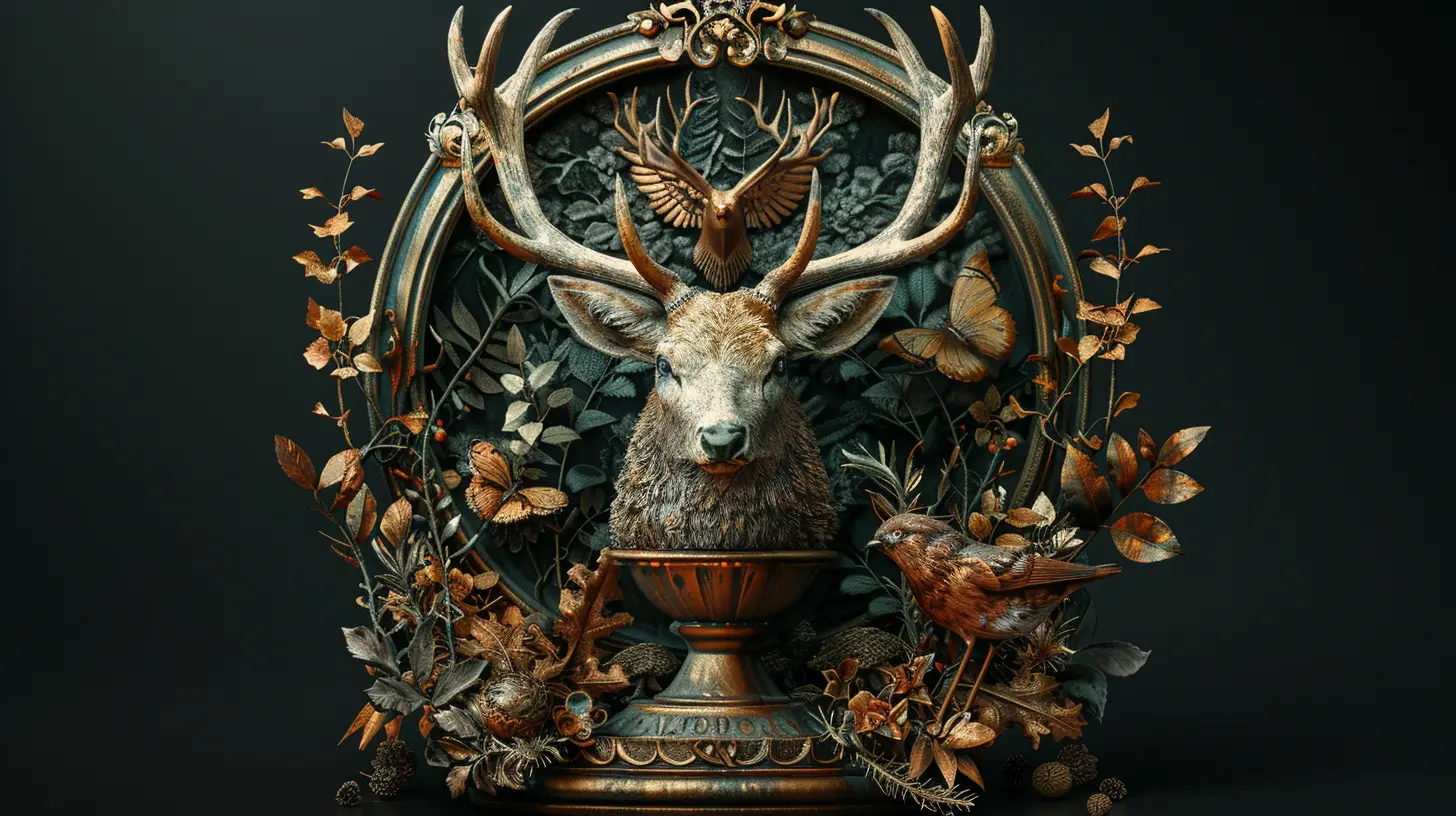
? The Purpose of Trophies: Why Do Gamers Chase Them?
Before we split hairs on time vs. skill, let’s ask the obvious question: Why do trophies even exist?Trophies (or achievements, depending on your platform) exist to reward players for their progress, creativity, perseverance, or straight-up badassery. They add a layer of challenge, a sense of completion, and—let’s be honest—a bit of bragging rights.
Game developers use trophies to nudge players toward exploring content they might otherwise skip. Think of them as gentle suggestions: “Hey, try beating the boss without taking damage,” or “Have you noticed that weird little side quest?”
But here’s the kicker: Not all trophies are created equal.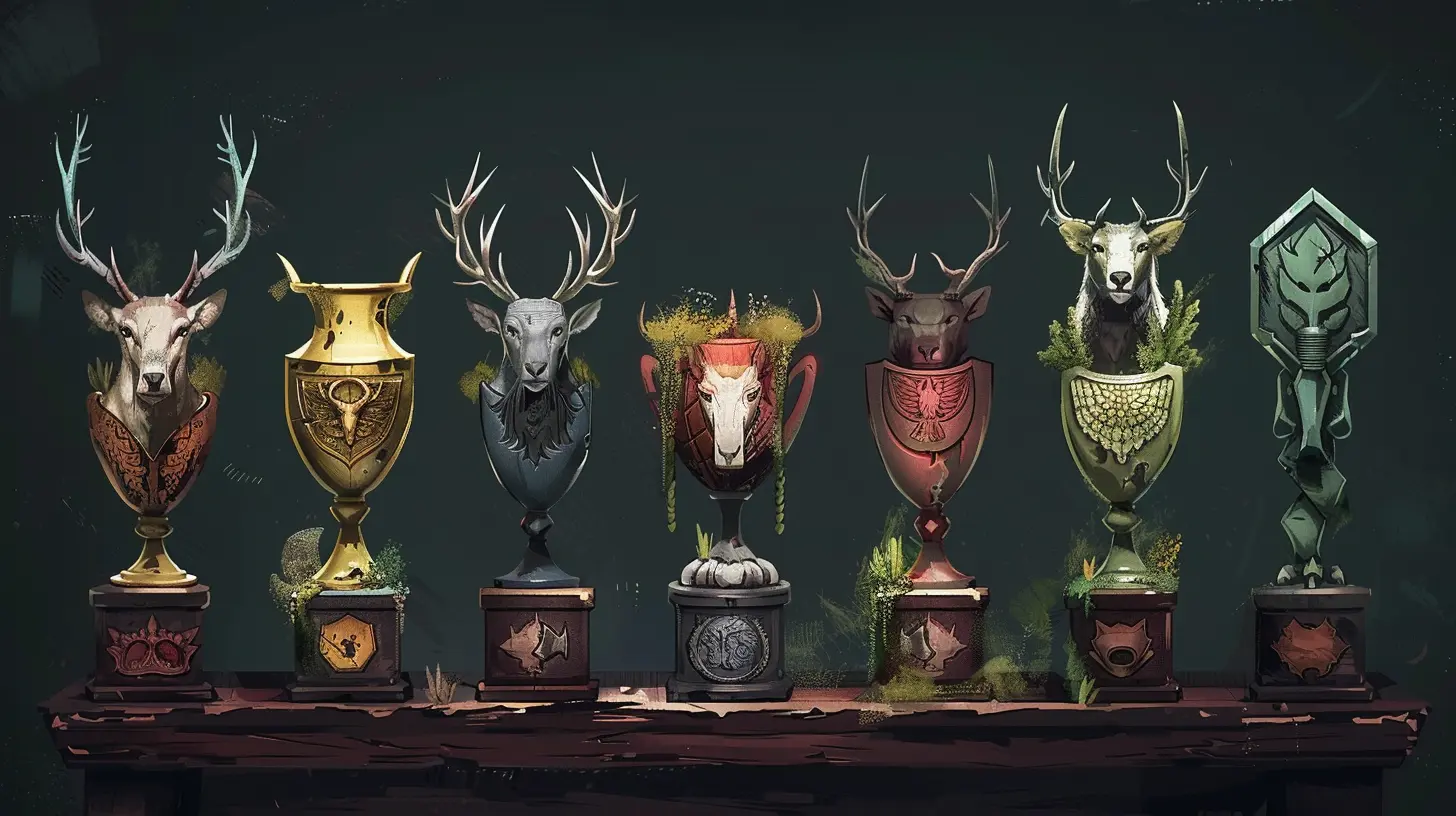
?️ Time-Based Trophies: The Grind is Real
Let’s talk about the grind. Some developers love designing trophies that reward players simply for putting in time.We’re talking about stuff like:
- “Play 500 matches.”
- “Collect 1,000 herbs.”
- “Walk 1,000,000 steps.”
These trophies don’t necessarily require skill. They just ask for time. Lots of it.
Pros of Time-Based Trophies
- Accessible to everyone: Almost anyone can eventually get these trophies with enough patience.- Keeps players engaged: Devs can keep you coming back day after day.
- Builds a sense of progress: Even casual players can feel like they’re achieving something.
Cons of Time-Based Trophies
- Can become boring: Walking in circles or grinding the same enemy over and over isn’t exactly thrilling.- Artificially inflates playtime: Developers sometimes use time-based trophies to boost perceived game length.
- Not reflective of skill: Just because someone spent more time doesn’t necessarily make them a better player.
Ever felt like a game was wasting your time with overly long requirements? Yeah, you’re not alone.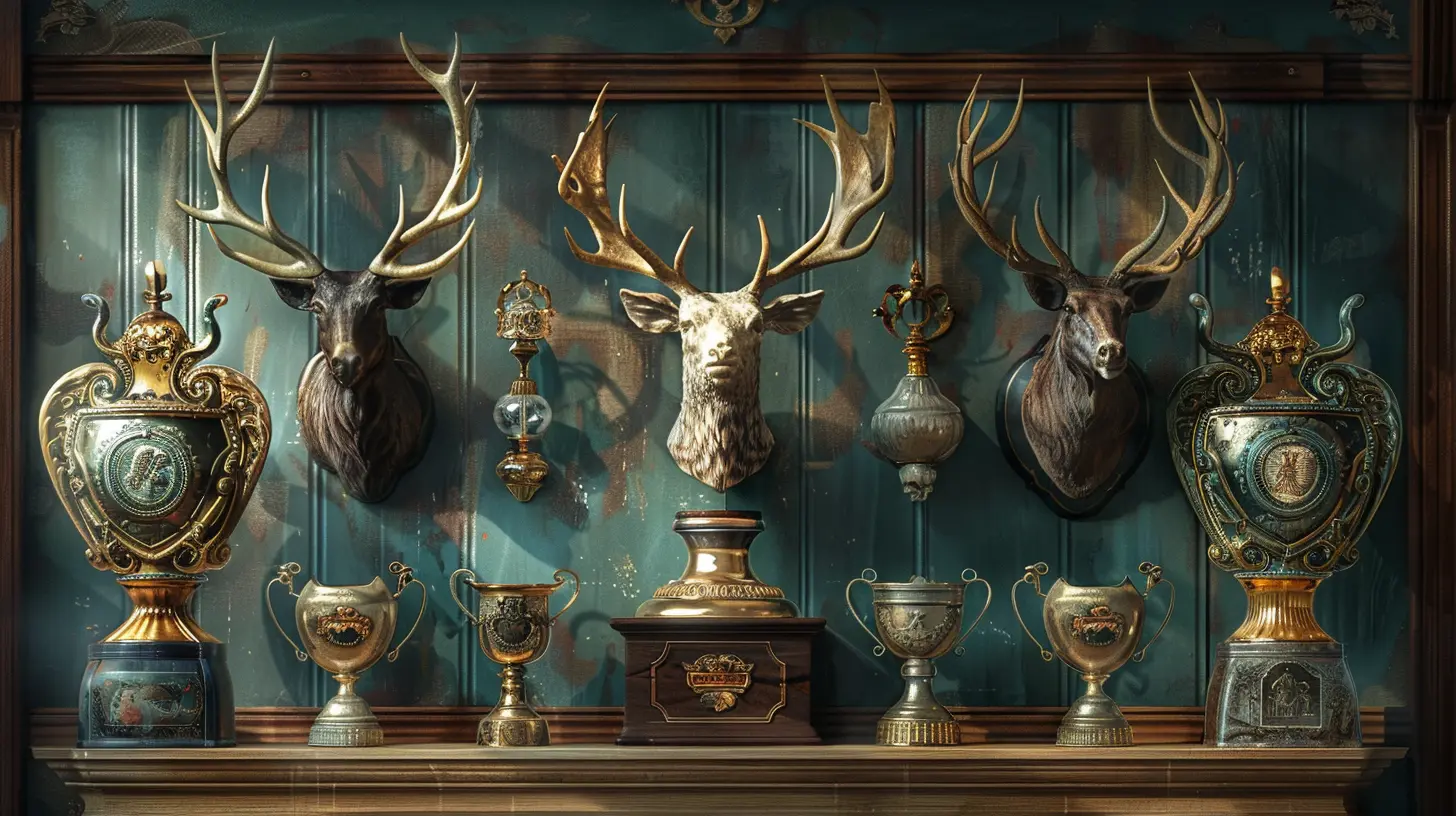
? Skill-Based Trophies: For the Gamers Who Want a Challenge
Now we’re talking about the juicy stuff—trophies that take actual skill.These are the ones that make you sweat:
- “Beat the game on the hardest difficulty.”
- “Defeat the boss without taking a hit.”
- “Win an online match 10 times in a row.”
Skill-based trophies test your reaction speed, strategy, adaptability, and often your sanity.
Pros of Skill-Based Trophies
- Genuine accomplishment: You earned that trophy. You didn’t just clock hours—you conquered a challenge.- More satisfying: Nailing a difficult trophy feels amazing and is often share-worthy.
- Encourages mastery: These trophies push players to get better, not just grind longer.
Cons of Skill-Based Trophies
- Not inclusive: Some gamers may never be able to achieve the tougher trophies, especially casual players or those with disabilities.- Can be frustrating: A difficult trophy might turn fun into stress for some folks.
- Not always balanced: Sometimes the difficulty isn’t well-calibrated, making the trophy feel unfair or poorly designed.
We’ve all been there—so close to getting the trophy, only to mess up at the last second. Cue the rage quit.
? The Balancing Act: Mixing Time and Skill
Here’s the secret sauce of great trophy design: balance.The best games understand that good trophy lists mix both time-based and skill-based achievements. Think of it like a playlist—you want some chill tracks and some bangers. Too much grind? Snooze fest. Too much skill? Stress overload.
Take a game like God of War (2018). It has trophies for story progression (time-based), collectibles (time + exploration), and challenging Valkyrie fights (pure skill). It’s got variety, and that’s what keeps it interesting.
Examples of Balanced Trophy Design
- Hades: Combines consistent playthroughs (time) with mastering weapons (skill).- Horizon Forbidden West: Rewards exploration alongside combat prowess.
- Celeste: Offers base game trophies for completion, and bonus “hardcore” trophies for the truly skilled.
? The Player Perspective: What Do Gamers Actually Want?
This conversation isn’t just theoretical—it’s personal.Some gamers love the grind. They’ll pour in hours while watching Netflix in the background, slowly ticking off trophy goals like they’re cleaning out a to-do list. Others crave the thrill of achievement, gunning for ultra-rare trophies to earn those digital badges of honor.
So... who’s right?
The truth is, both camps have valid points. And most gamers fall somewhere in between. We want trophies that feel earned, not gifted—but we also don’t want to feel like we’re being punished for having a life outside of gaming.
⚖️ When Time and Skill Go Out of Whack
We’ve all seen trophy lists that swing too far in one direction—and it’s not pretty.- Over-grindy examples: Some JRPGs require 100+ hours for a platinum, with repetitive tasks and no real challenge.
- Overly skill-based examples: Games that expect speedruns, perfect runs, or impossible combo chains that only 0.05% of players ever complete.
In both cases, players might simply give up. And when players stop caring about your trophy list, it fails its whole purpose.
? How Developers Can Nail Trophy Design
Okay devs, if you’re reading this—first of all, thank you. Second of all, here’s how to create trophy systems that hit the sweet spot:1. Tier the Challenges
Offer bronze trophies for time-based stuff, silver for mixed tasks, and gold for truly tough challenges. This hierarchy rewards everyone and respects effort and skill.2. Respect the Player’s Time
No one wants to spend 50 hours grinding one item. Make time-based trophies achievable without being mind-numbing.3. Use Skill as a Bonus, Not a Blocker
Make the hardest challenges optional—don’t tie the platinum to a trophy only your QA testers can achieve.4. Encourage Exploration and Creativity
Add trophies that reward thinking outside the box—like solving puzzles, finding easter eggs, or playing in unique ways.5. Be Transparent
Clear trophy descriptions and progress tracking = happy players. Vague or buggy achievements? Instant rage.? The Psychology Behind Trophy Hunting
Let’s get a little philosophical.Why do some of us get hooked on trophies? It’s all about dopamine. Our brains love rewards, and trophies light up the same pleasure centers as winning a game or crossing off a task on a to-do list.
Time-based trophies feed our sense of routine. Skill-based trophies give us that feeling of triumph.
It’s like two types of satisfaction: the slow-burn joy of progress vs. the spike of adrenaline from conquering a monster of a challenge.
That’s why healthy trophy lists offer both—so every kind of player finds something to love.
? What Does the Data Say?
Interestingly, if you check platforms like PSNProfiles or XboxAchievements, you'll notice a trend:- Time-based trophies often have higher completion rates.
- Skill-based trophies, especially the super hard ones, are rarer—and therefore more prestigious.
That’s the cool thing: rarity adds value. A skill-based trophy might only see a handful of completions, but those who do earn it? They wear it like a badge of honor.
✨ Final Thoughts: Which One Should Win?
So, time vs. skill—who takes the trophy in trophy design?Honestly, it’s not about choosing one over the other. It’s about creating a reward system that’s fun, fair, and flexible. Trophy hunting should feel like an enriching extension of the game, not a second job or a stress-inducing nightmare.
If a game can make me feel proud of how far I’ve come and how good I’ve become? That’s the kind of experience I’ll remember—and talk about—for years to come.
So, next time you unlock a trophy, think about it: did you earn it with time, skill, or a bit of both? No matter how you got there, don’t forget to enjoy the journey.
Happy hunting, gamer.
all images in this post were generated using AI tools
Category:
Trophy HuntingAuthor:

Leandro Banks
Discussion
rate this article
2 comments
Scout Klein
Trophy design often reflects a balance between time investment and skill mastery. While some trophies reward perseverance, others celebrate true talent. Striking the right balance ensures that achievements feel meaningful, encouraging players to both invest time and hone their skills. It's all about the journey, not just the reward.
June 11, 2026 at 4:06 PM
Leandro Banks
You're right. Trophy design should celebrate both effort and talent, making the journey meaningful for players. Balancing these elements enriches the gaming experience.
Jocelyn McClary
This article offers a fascinating perspective on the balance between time investment and skill in trophy design. It's interesting to see how different approaches can enhance the gaming experience. I appreciate the insights shared here and look forward to discussing this further with fellow gamers. Great read!
May 7, 2026 at 4:55 AM
Leandro Banks
Thank you for the thoughtful comment! I'm glad you enjoyed the article and found the insights valuable. I'm looking forward to hearing more of your thoughts on this topic.