What Makes a Board Game Truly Epic?
31 December 2025
Ah, board games. Is there anything better than gathering around the table, cracking open a brand-new game (or an old favorite), and letting the fun unfold? Whether you're a seasoned strategist plotting your next 12-step domination plan, or the person who picks games based on how cool the pieces look (we see you), there's something undeniably magical about board games. But here’s the million-dollar question: What makes a board game truly epic?
In this article, we’re going to dive headfirst into the world of meeples, dice, and cardboard kingdoms to find out what separates an "okay" game from a legendary one. So, grab a snack, pull up a chair, and let’s roll (pun intended). 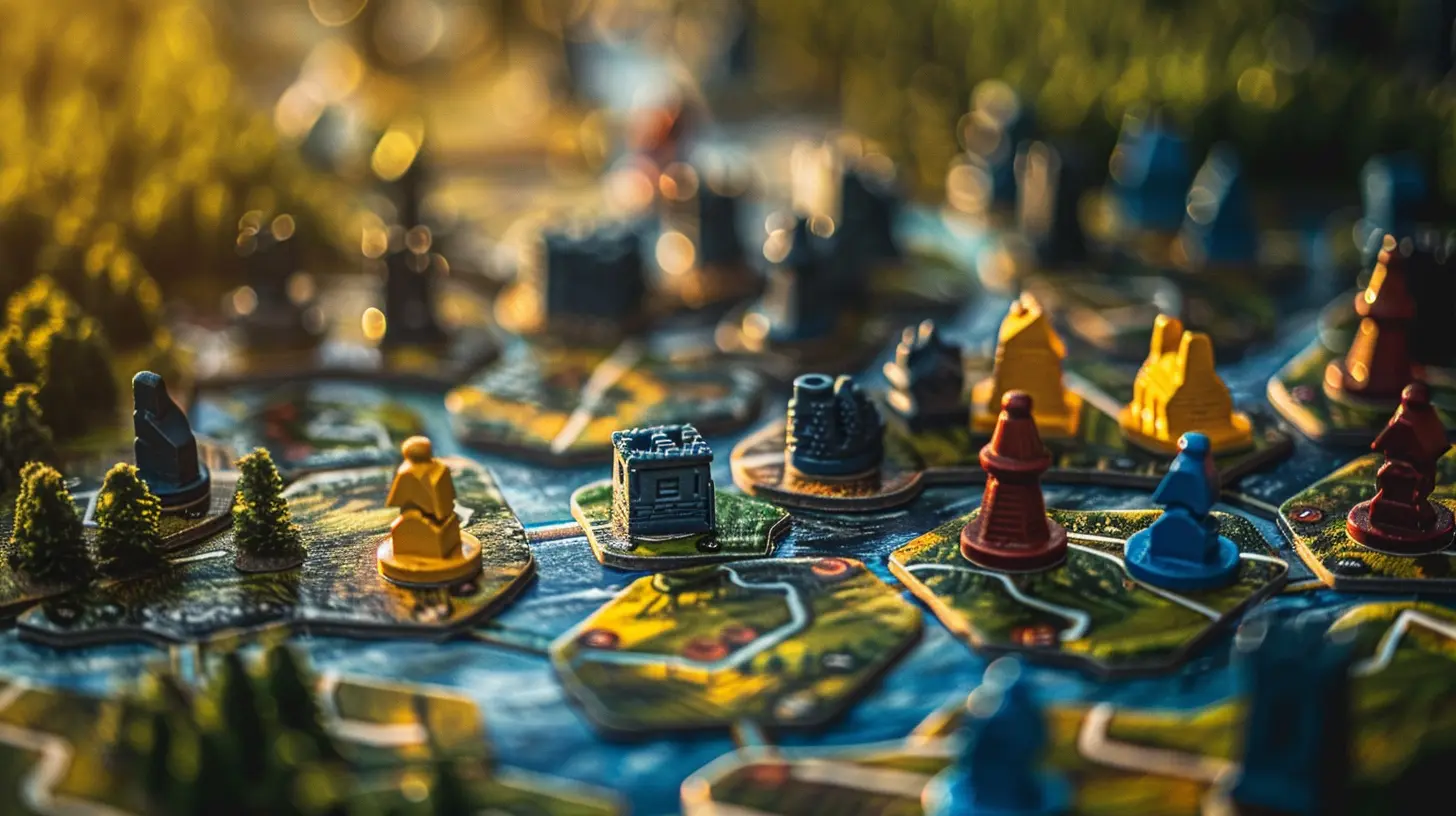
It’s All About the Theme
Ever find yourself living a board game rather than just playing it? That’s the power of a great theme. An epic board game doesn’t just hand you rules and objectives—it whisks you away to another world.Take Pandemic, for instance. You're not just moving tokens on a map. You're a scientist, saving the world from outbreaks faster than you can say "epidemiologist." Or how about Catan? Suddenly, you're a resource-trading tycoon, battling for dominance with sheep and bricks.
A solid theme immerses players and gives context to every move. Without it? You’re just shuffling cards or stacking pieces with no real motivation. A well-implemented theme can make even the simplest mechanics feel urgent and meaningful.
Pro Tip: If you leave the game table talking about how you “almost fought off a dragon with a rusty sword” (when in reality, you just rolled a bad die), then the game’s theme did its job.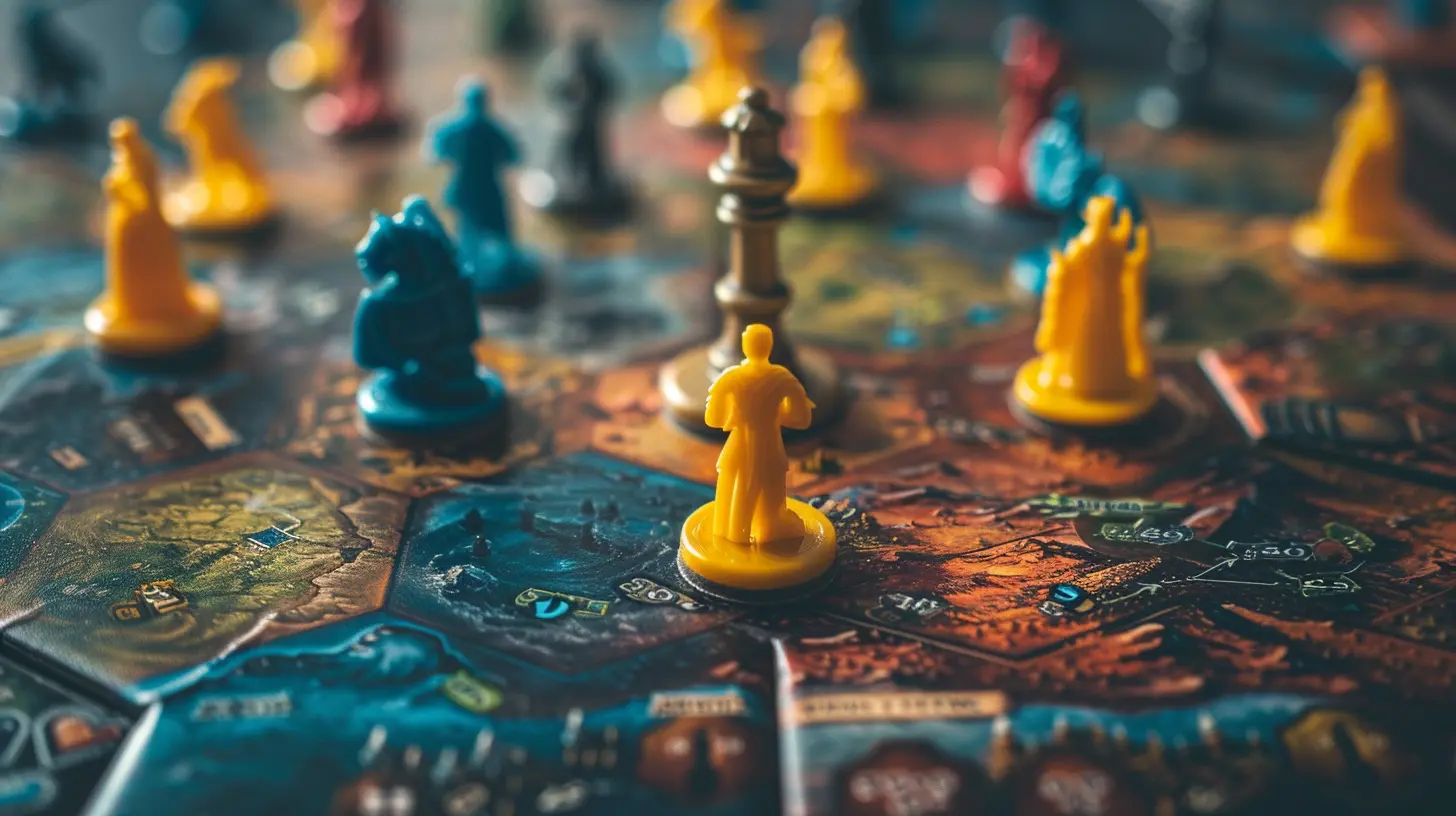
Complexity That Hits the Sweet Spot
Epic board games champion the fine balance between simplicity and challenge. If a game is too simple, it’s like eating plain toast—meh. If it’s too complex, it’s like trying to solve a Rubik’s Cube in the dark—infuriating. But when a game sits perfectly in the middle? That’s when the magic happens.Board games like Terraforming Mars and Scythe nail this sweet spot. They’re meaty enough to engage your brain, but not so intense that you feel like you need a PhD in astrophysics to understand what’s happening. The best games let you learn as you go, rewarding you for experimenting and taking risks.
And let’s not forget the most epic gaming compliment ever: “Just one more round.” If a game can get you saying that after 3 hours, it clearly got the balance right.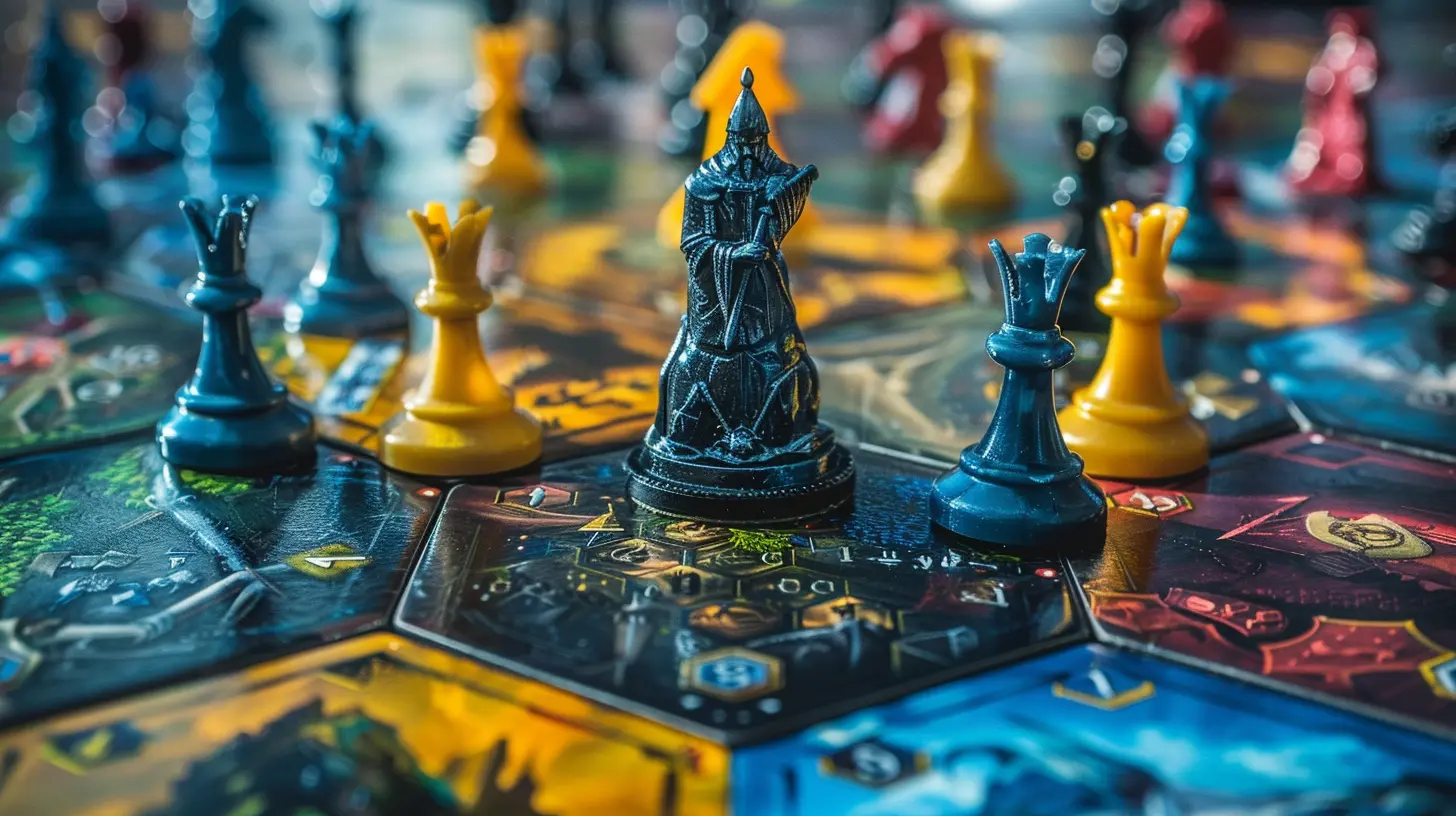
Memorable Player Interaction
You know what can take a game from “meh” to “epic”? The people playing it. An epic board game knows how to turn players into frenemies in the best way possible.Think about games like Risk, where alliances are made and shattered within minutes. Or Secret Hitler, where lying straight to your best friend's face is not only acceptable but encouraged (sorry, not sorry). These games thrive on chaos, banter, and unpredictability. They create moments you can’t script—like a surprise betrayal or a clever bluff gone wrong.
If you’re leaving the game table laughing, fuming, or already plotting revenge for next time, then that game is a winner. 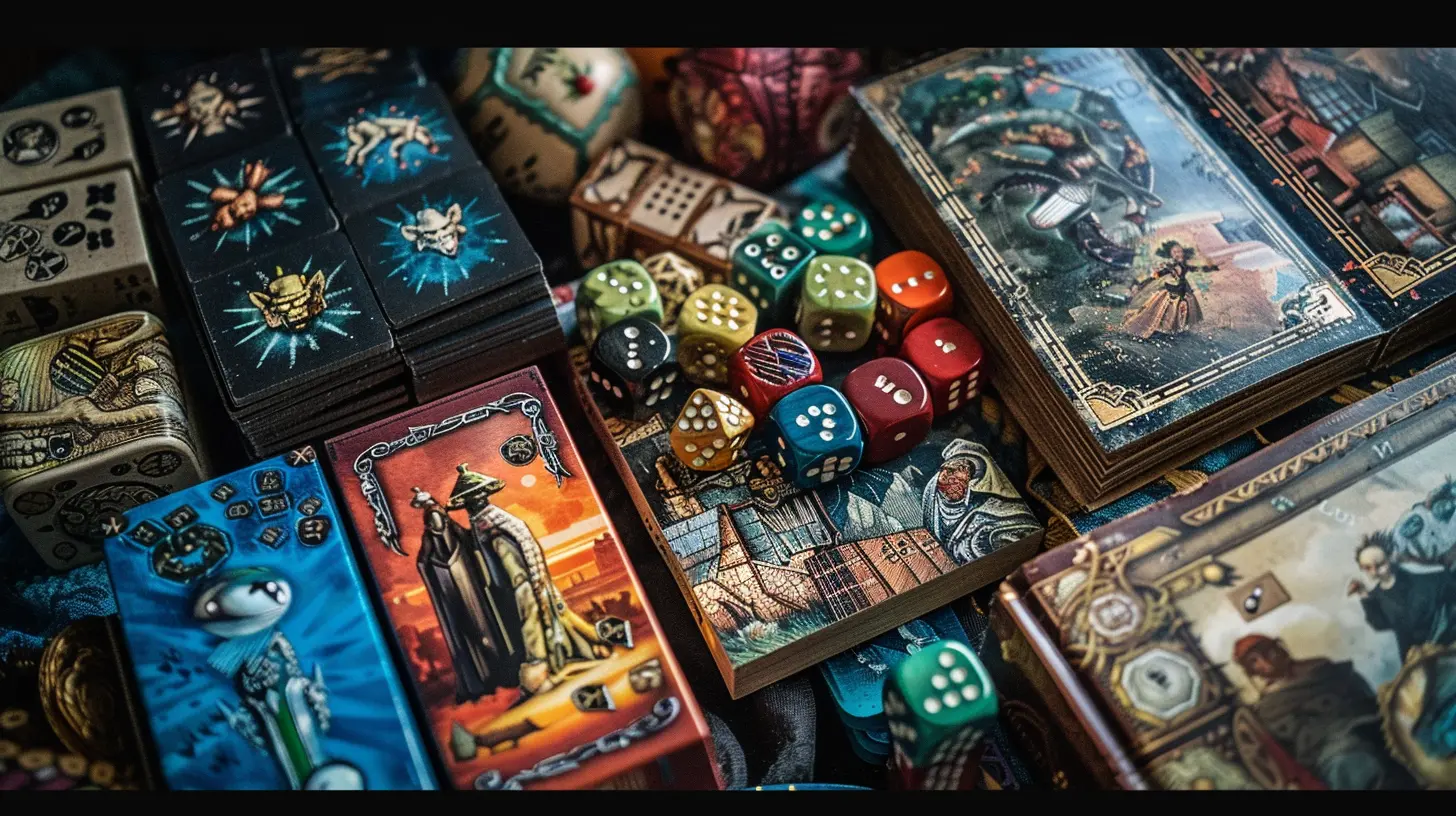
Replayability = Endless Fun
There’s nothing worse than dropping a chunk of change on a new game, only to realize it’s a one-and-done experience. The truly epic games keep you coming back for more.How do they do it? Replayability.
Let’s take a game like Gloomhaven for example. This box is so heavy, it could double as a coffee table. And inside? An endless stream of scenarios, choices, and outcomes. Every time you play, it feels like a new adventure.
And even lighter games like Ticket to Ride or Splendor pack just enough variability to make every playthrough feel fresh. Whether it’s different strategies, randomization, or expansions that keep the content flowing, replayability is essential to a board game’s longevity.
Balance of Luck and Strategy
Ah, the age-old debate: should a board game rely on skill or luck? Spoiler alert—it’s both.A truly epic game finds a way to balance these elements like a pro. Too much luck, and it feels like you’re at the mercy of the dice gods. Too much strategy, and every turn feels like a grueling chess match (and honestly, not everyone wants to feel like a grandmaster).
Games like Carcassonne or King of Tokyo strike the perfect balance. There’s enough randomness to keep things exciting, but enough strategy to reward you for playing smart. It’s all about creating space for big risk/reward moments without making you feel entirely powerless.
Eye-Popping Components and Design
Who doesn’t love a game that looks good on the table? Beautiful art, deluxe game boards, chunky dice, and intricate miniatures can instantly elevate a board game’s status. Let’s be real—there’s something inherently satisfying about moving glossy tiles or rolling hefty custom dice.Think about games like Wingspan with its gorgeously illustrated cards and bird eggs so pretty you’d think they came straight from a craft shop. Or Betrayal at House on the Hill, where the modular mansion pieces make every haunted scenario feel eerily unique.
Great components don’t just look cool; they enhance the gameplay. They make you want to dive in and keep playing, whether you’re counting coins, stacking pieces, or arranging cards.
The Storytelling Factor
Some of the most epic board games tell a story as you play. The kind of game where every decision, every roll of the die, weaves a tale that you’ll be recounting over pizza afterward.Games like Dead of Winter or Twilight Imperium craft intricate narratives full of twists, moral dilemmas, and unforgettable moments. They offer an experience that feels bigger than just winning or losing—it feels like you’ve been part of something extraordinary.
Even games without a fixed storyline can foster epic moments through player decisions. That cutthroat trade in Catan? Or that clutch roll in Zombicide that saved the group? These are the moments that stick with us long after the game ends.
The “Let’s Play Again!” Factor
You know a board game is epic when it’s 11 PM, your eyes are watering from exhaustion, but someone says, “One more game?” and everyone agrees.Epic games aren’t just about mechanics or fancy components—they’re about the emotions they evoke. The laughter, the tension, the friendly rivalries. They leave players wanting more, even when you’ve played the same game for hours.
It’s not just about filling an afternoon; it’s about creating an experience worth repeating. Any game that can do that time and time again? That’s an EPIC board game.
Final Thoughts
So, what makes a board game truly epic? It’s a mix of things—theme, balance, interaction, design, replayability, and storytelling. But most importantly, it’s about how the game makes you feel.If a board game can transport you to another world, spark unforgettable moments, and leave you itching for another round, then it’s safe to say it’s earned its place in the “epic” hall of fame.
At the end of the day, an epic game isn’t just a box of pieces and rules—it’s a doorway to camaraderie, strategy, and storytelling. And hey, it doesn’t hurt if it has some killer dragons or shiny miniatures too!
all images in this post were generated using AI tools
Category:
Board GamesAuthor:

Leandro Banks
Discussion
rate this article
2 comments
Wynter McDermott
Oh, absolutely! We all know a board game becomes truly epic the moment it takes 3 hours to set up, involves more rules than the IRS, and leaves you questioning your life choices. Who needs short games when you can have an existential crisis with friends? Epic, indeed!
January 12, 2026 at 3:40 AM
Leandro Banks
Haha, exactly! The longer the setup and the more complex the rules, the greater the adventure—both in gameplay and in self-reflection!
Owyn Kim
Depth, engagement, and memorable experiences define epic games.
January 6, 2026 at 3:46 AM
Leandro Banks
Absolutely! Deep gameplay, immersive engagement, and unforgettable moments are the hallmarks of truly epic board games.