What Makes a Perfect Trophy List in a Game
26 April 2026
If you’re anything like me, you know the thrill of seeing that little digital pop-up telling you you've earned a trophy. Whether it's a shiny bronze or that elusive platinum trophy, there’s something satisfying about ticking off every challenge a game throws at you. But let’s be honest—some trophy lists suck. Like, really suck. Either they’re too grindy, boring, or even worse—buggy.
So, what actually makes a perfect trophy list in a game? How do developers strike the ideal balance between fun, challenge, and satisfaction? Pull up a chair, grab your controller, and let’s get into what separates the trophy list gems from the total duds.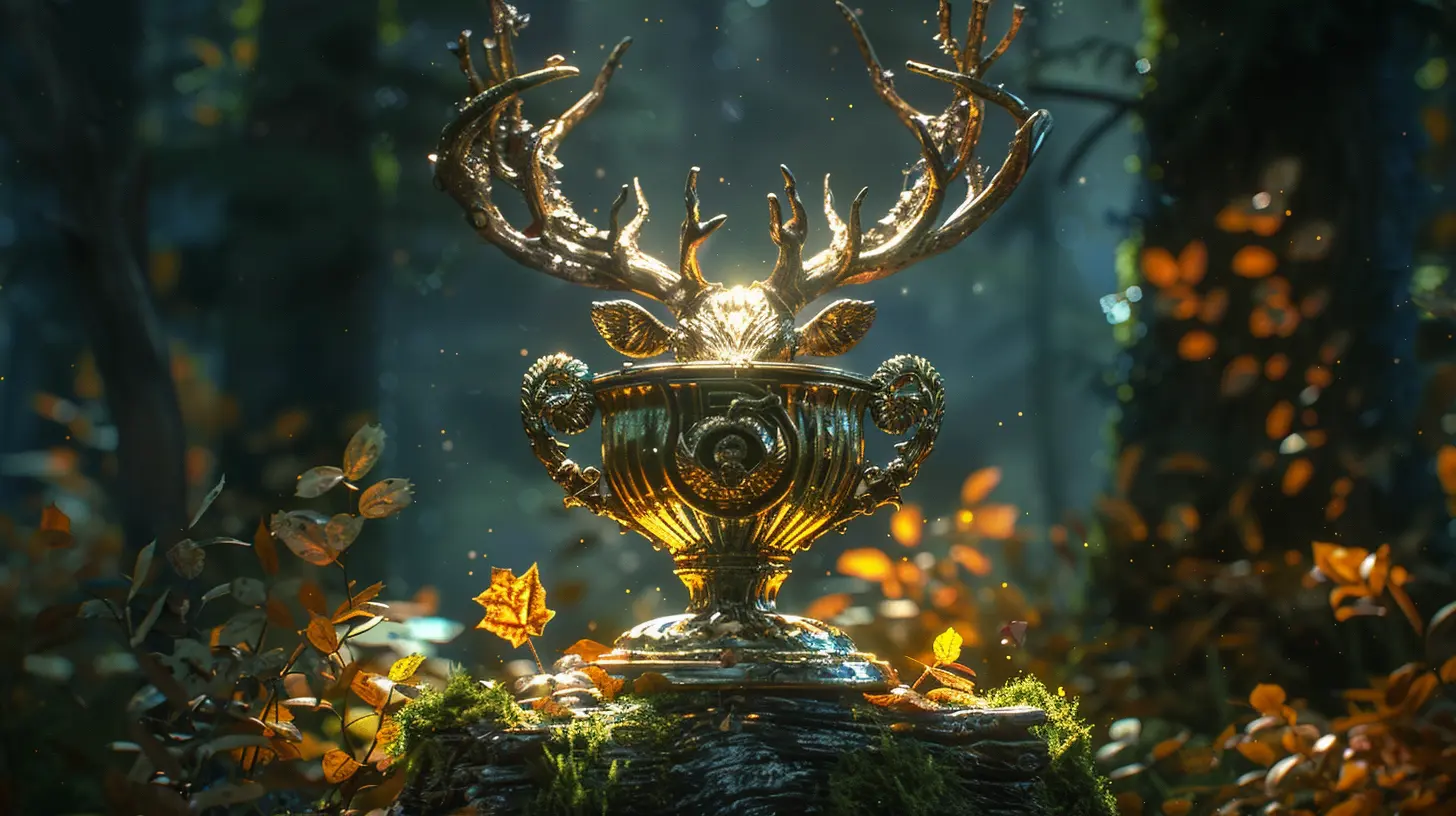
The Purpose of Trophies: More Than Bragging Rights
Before we break down the ideal trophy list, let's quickly talk about why trophies matter.Sure, on the surface, trophies are digital badges for bragging rights. But for a lot of gamers, they serve as a checklist to explore parts of the game they might otherwise skip. Trophies give structure, encourage experimentation, and often nudge you into experiencing everything the game offers.
Think of trophies as the breadcrumbs that guide you through both the main course and the sweet, hidden treats on the side.
Easy to Understand, Hard to Master
The best trophy lists are clear about what they want from you. When you read a trophy description, you shouldn't need a Wikipedia page to understand it.A perfect trophy list strikes this balance:
- You know what you need to do
- Doing it is not always easy
- But it's rarely frustrating
For example, “Complete the game on hard difficulty” is straightforward. It’s tough, but you know what the goal is. Now compare that to something like “Collect all scattered fragments” with no clue on where or how many exist. That's not fun, that's a chore.
Variety Keeps It Interesting
Great trophy lists mix it up. They don’t just want you to do the same thing over and over. Instead, they challenge you in different ways:- Combat challenges: “Defeat 100 enemies with headshots”
- Exploration: “Find all hidden temples”
- Story progression: “Finish Chapter 5”
- Puzzle-solving: “Unlock the secret door without hints”
- Creative play: “Make a funny-looking character”
Games like Spider-Man or The Witcher 3 do this beautifully. They keep the list exciting by blending accomplishments that test different skills and parts of the game.
Nobody wants a list that feels like homework. The best ones turn that checklist into an adventure of its own.
Grinding Is Fine (But Only to a Point)
We’ve all played a game where that one trophy turns an otherwise great experience into a soul-sucking grind. Whether it’s killing 10,000 of the same enemy or replaying the same side quest for rare loot—it’s not exactly fun anymore.A perfect trophy list should never feel like a second job.
Sure, a little grind is okay. It gives the platinum some weight and achievement. But let’s not forget—this is gaming, not digital purgatory.
The sweet spot? Make players put in time, but always in a way that feels rewarding. Progress should feel meaningful, not monotonous.
No Missables, No Regrets
Few things are worse than going for 100% completion, only to realize you missed a single trophy... 20 hours ago. And now? You have to replay the whole game.Games that have missable trophies without proper warnings are, frankly, infuriating.
A perfect trophy list removes that frustration by:
- Clearly labeling missables
- Allowing chapter or mission replays
- Giving players a checklist or tracker in-game
Games like God of War (2018) and Horizon Forbidden West get this right with post-game freedom. You can go back and finish what you missed without starting from scratch. More of that, please.
Trophies Should Encourage Exploration
Trophies can act like your digital tour guide. Done well, they push you toward discovering parts of the game world you might otherwise miss.Some examples:
- “Sit on every bench in the city” (Hollow Knight vibes)
- “Listen to all bard songs”
- “Complete all side quests in one region”
These trophies are like Easter egg hunts. They reward curiosity and reward you for going off the beaten path. Bonus points if they include fun references, jokes, or lore tidbits.
Trophy lists shouldn’t just be about checking boxes—they should enhance the experience.
Skill-Based Challenges: For the Hardcore Players
Look, we all love a few easy bronzes here and there. But a trophy list with zero difficulty? That’s boring. A perfect list dares us a bit.Here’s where skill-based trophies come in.
These are the “git gud” challenges—you know, like finishing a boss fight without taking damage or completing a level in record time.
These trophies:
- Separate casual players from the die-hards
- Give a sense of real accomplishment
- Offer legitimate bragging rights
But remember, it’s a fine line. Too hard, and you alienate the majority of players. Too easy, and the plat feels cheap. Developers need to walk this tightrope with care.
Glitch-Free, Please!
This one’s short and sweet: No trophy should be glitched.Nothing kills the vibe more than fulfilling a requirement and… nothing happens. No ping. No trophy. No joy.
A perfect trophy list works. Every time. No bugs. No broken unlocks. Just smooth satisfaction.
Developers, QA this part like your game’s reputation depends on it—because it kinda does.
Comedy and Creativity Go a Long Way
Sometimes, the best trophies are the weird ones. The ones that make you laugh or tilt your head and go, “Wait… what?”These trophies add flavor to a list. They don’t have to be hard. Just memorable.
Some examples:
- “Kick a chicken into a well”
- “Dance in front of five different NPCs”
- “Die in the most ridiculous way possible”
Little touches like this show the developers had fun making the list—and trust me, it rubs off on the player too.
Don’t Punish Co-op or Solo Players
Listen, not everyone wants to play online. And not everyone has a friend who's always down to couch co-op.A perfect trophy list respects that and avoids forcing players into multiplayer-only trophies—or punishing those who want to play solo.
Yes, multiplayer trophies are okay if:
- They’re fair (no “Win 100 ranked matches” nonsense)
- They’re optional for platinum
- The game naturally leans into co-op
The worst is when a single trophy forces you into a dead online mode years after launch. Don’t do this. Keep your player base in mind.
Make the Platinum Feel Like a Journey
Finally, the perfect trophy list is more than just a set of objectives—it’s a roadmap through the game. When you get that platinum pop, it should feel like a culmination of your entire experience.It should say:
- You explored the world
- Mastered the mechanics
- Engaged with every side quest
- Tried something new
- Maybe even failed a few times
Trophies shouldn’t just be tasks—they should tell a story. Your story. Make that platinum mean something.
A Few Real-World Examples of Great Trophy Lists
Let’s shout out some games that nailed their trophy list:- Marvel’s Spider-Man (PS4): Balanced, fun, and encourages full exploration of NYC. Fast travel is a trophy? Genius.
- The Witcher 3: Massive list, but broken into manageable parts. Tons of variety, and nothing feels too grindy.
- Hades: Creative and rewarding. Challenges you to engage with every weapon and character. It’s tough, but not punishing.
Final Thoughts: Trophy Lists Matter More Than You Think
At the end of the day, crafting the perfect trophy list isn’t just about ticking boxes—it’s about respecting the player's time, creativity, and curiosity. It's about adding value, not busywork.A great trophy list should:
- Be clear, fair, and functioning
- Push you to explore deeper
- Offer challenges that feel satisfying
- Avoid mindless repetition
- Celebrate weird, wild, and funny moments
When done right, it turns a great game into an unforgettable experience. Because let’s face it—earning that platinum trophy is more than just a digital pat on the back. It’s a badge that says, "Yeah, I did everything. And I loved every second of it."
So here’s to the perfect trophy lists—and the developers who care enough to make them right.
all images in this post were generated using AI tools
Category:
Trophy HuntingAuthor:

Leandro Banks
Discussion
rate this article
2 comments
Silas McDougal
Great insights! A perfect trophy list balances challenge and accessibility, encouraging exploration while rewarding skill. I’d love to hear more about the community’s favorite trophy experiences!
April 27, 2026 at 2:29 AM
Leandro Banks
Thanks for your thoughts! It's fascinating how a well-crafted trophy list can enhance the gaming experience. I'll definitely share more on community favorites soon.
Tyler Daniels
A perfect trophy list balances challenge and accessibility, encouraging exploration and mastery without overwhelming players. It should reward diverse gameplay styles while fostering a sense of achievement and progression.
April 26, 2026 at 4:34 AM
Leandro Banks
I completely agree. A well-crafted trophy list can truly enhance the gaming experience, making players feel accomplished while still inviting them to explore different play styles.