Why Single Player Game Endings Hit Harder Than Multiplayer
2 January 2026
Let’s talk about something we’ve all experienced at some point in our gaming lives. You know that moment when the credits roll on a single-player game, and you’re just sitting there, controller in hand, staring at the screen trying to process what just happened? Yeah, that. It hits differently, doesn’t it? Like a perfectly timed plot twist in your favorite movie or the last slice of pizza that somehow tastes better because you know it’s the end.
Now, don’t get me wrong—I love multiplayer games. They’re a blast; they give us hilarious "Did you see that?" moments with friends and keep our competitive spirits alive. But let’s face it: multiplayer games just don’t tug at our heartstrings the same way single-player games do. The endings of single-player games? Oh boy, they hit harder than walking barefoot on a pile of Legos. Let’s unpack why.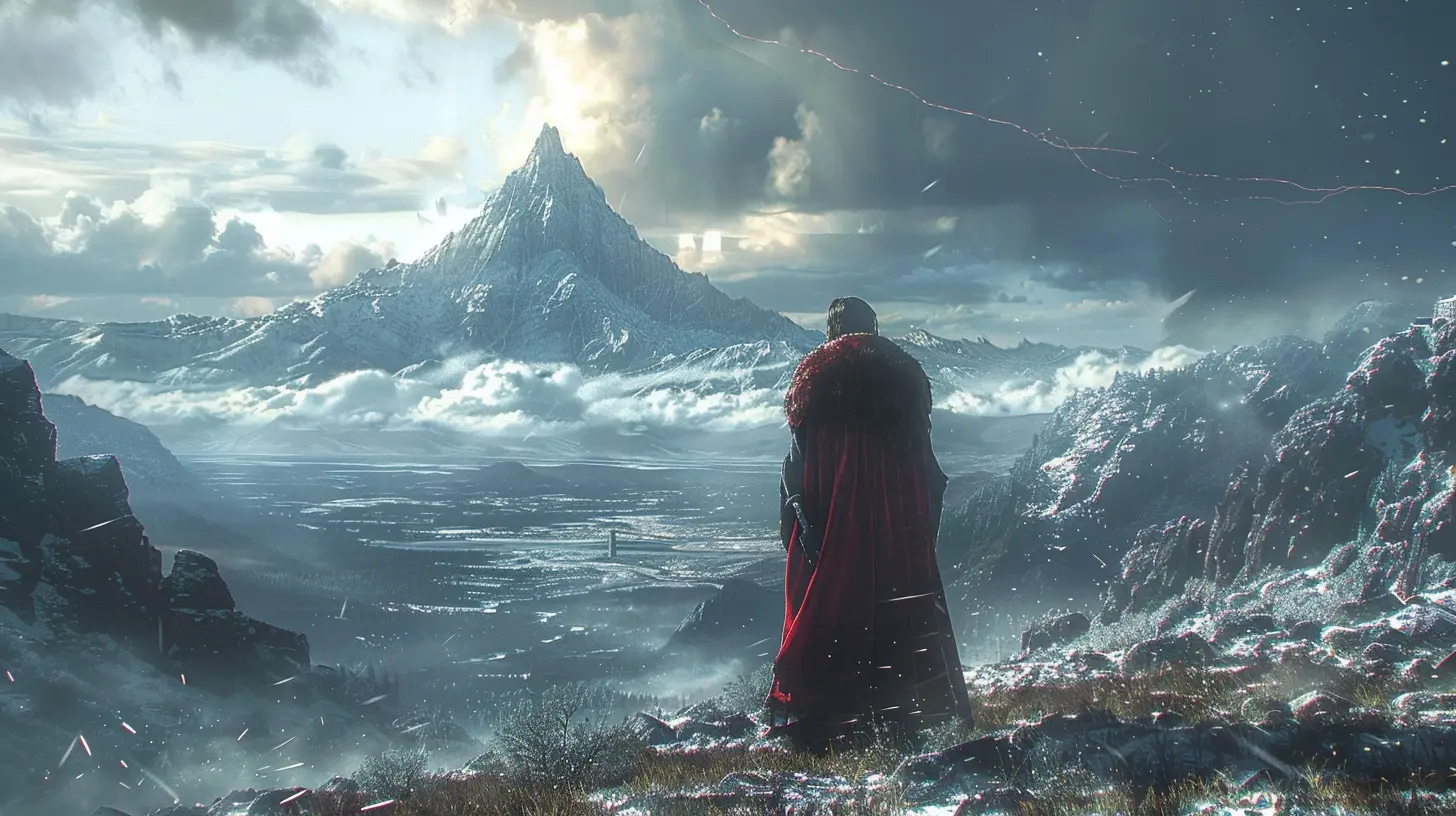
1. The Power of a Personal Journey
Here’s the thing about single-player games: they’re your story. From the moment you hit "New Game," you’re stepping into the shoes of the protagonist. Whether you’re a sword-wielding knight trying to save the kingdom, a space explorer on a rogue mission, or even a humble farmer growing turnips (looking at you, Stardew Valley), the journey is yours.It’s personal. Every decision you make feels like it carries weight because it genuinely does. Save the sidekick or go after the villain? Take the stealthy route or go in guns blazing? These are your moments, not a group discussion with teammates.
Think about it—when you’re playing a multiplayer game, it’s more about the collective experience. Sure, it’s fun to rack up kills or strategize with friends, but at the end of the day, it’s not your unique narrative. It’s more like everyone sharing a pizza versus having your very own personalized cake. And let’s be honest—life’s better with cake.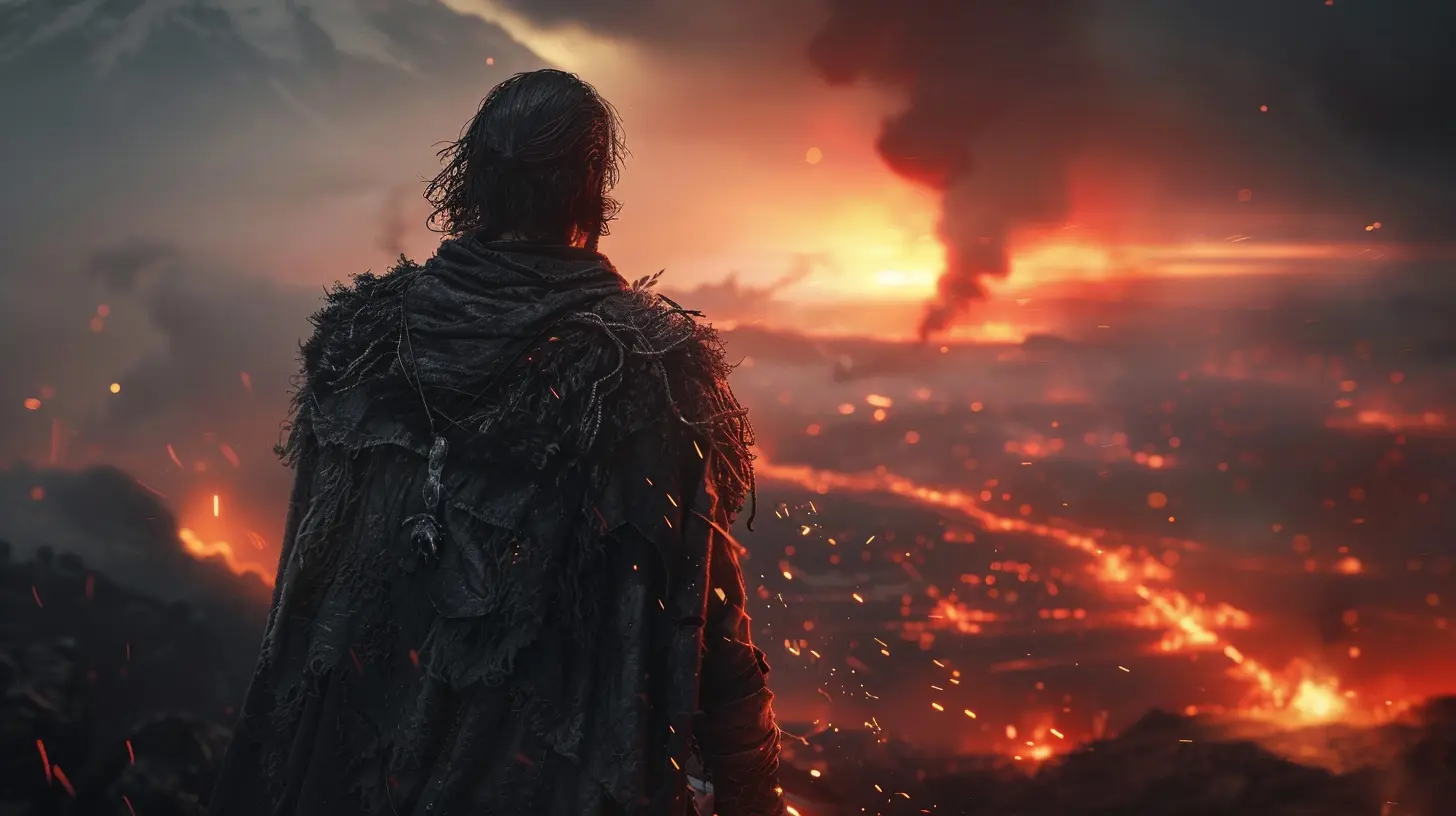
2. Emotional Investment Is Off the Charts
Single-player games are basically emotional rollercoasters. They’ve got their ups and downs, loop-de-loops, and those moments where you’re left screaming, “What the heck just happened?” (Looking at you, The Last of Us.) Why? Because you’re invested. You’ve spent hours—maybe even days or weeks—getting to know these characters, rooting for them, and sometimes even ugly-crying for them.Multiplayer games? Not so much. They’re more like carnival bumper cars: fun, exciting, but ultimately there’s no big emotional payoff. Sure, you might feel a flush of pride winning a match or hitting that insane no-scope, but it’s rare to feel actual heartbreak or joy in a multiplayer setting.
Single-player games give you moments like Red Dead Redemption 2’s ending (if you know, you know) or that time Shadow of the Colossus made you rethink your entire existence. It's these gut-punch moments that stay with you long after the controller’s been switched off. Multiplayer? It’s more like, “Cool, GG, let’s queue up again.”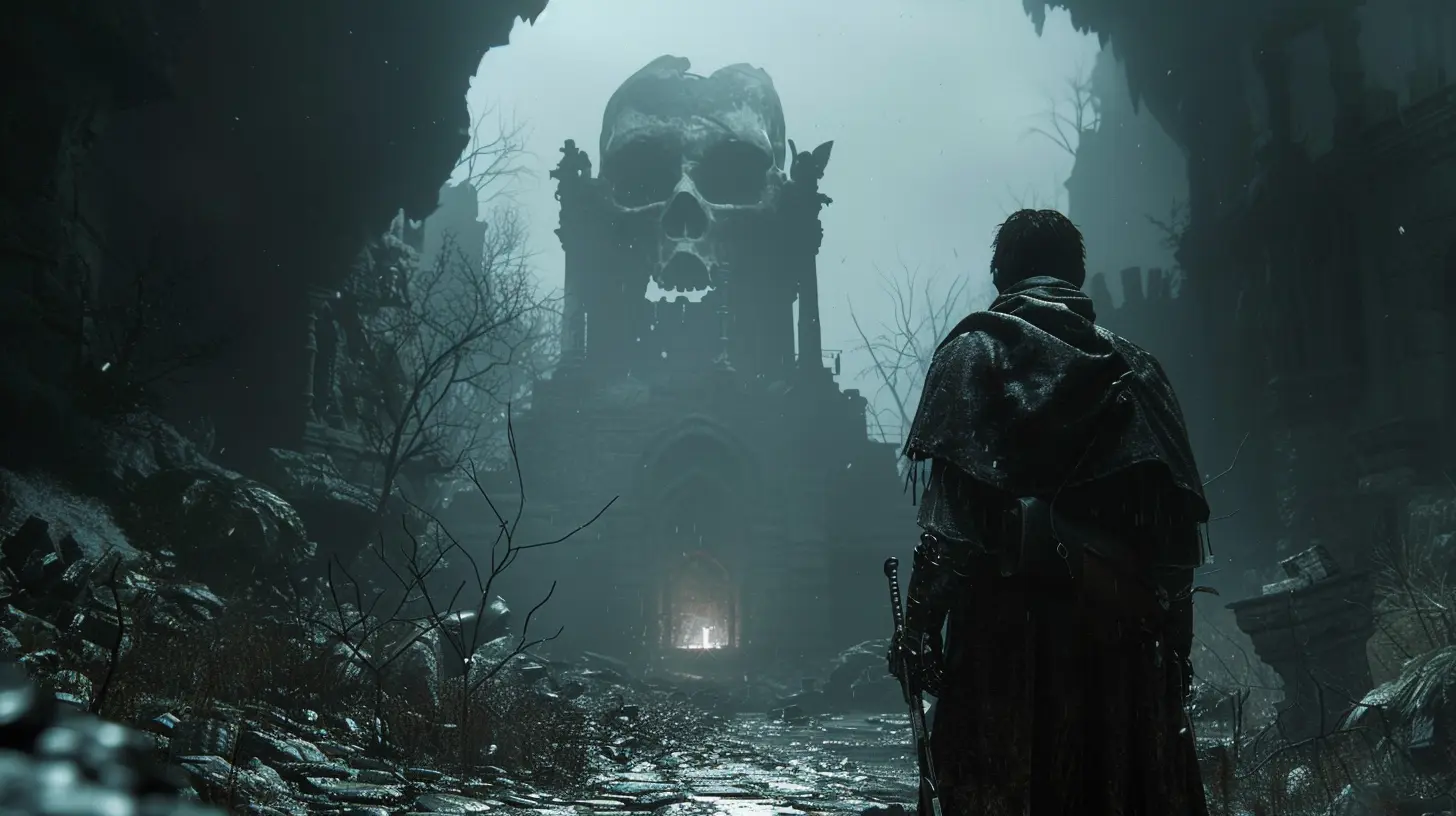
3. The Art of Storytelling
Here’s a big one: single-player games are narrative-driven masterpieces. They immerse you in stories that rival blockbuster movies and bestselling novels. You’re not just watching or reading a story—you’re living it. It’s like being the main character in an epic book that you can’t put down.Take God of War (2018), for instance. That father-son dynamic? Absolutely chef’s kiss. Or how about Mass Effect letting you shape the fate of an entire galaxy based on your choices? These games craft intricate worlds, complex characters, and unforgettable plot twists, all tailored to make you care. Like, really care.
Multiplayer games, on the other hand, are more about gameplay mechanics. And sure, they’ve got their own kind of storytelling (ever dived into Overwatch’s lore?), but the narrative is often in the background. It’s like comparing a deep, slow-cooked stew to instant ramen—it’s still good, but it doesn’t leave the same kind of lasting impression.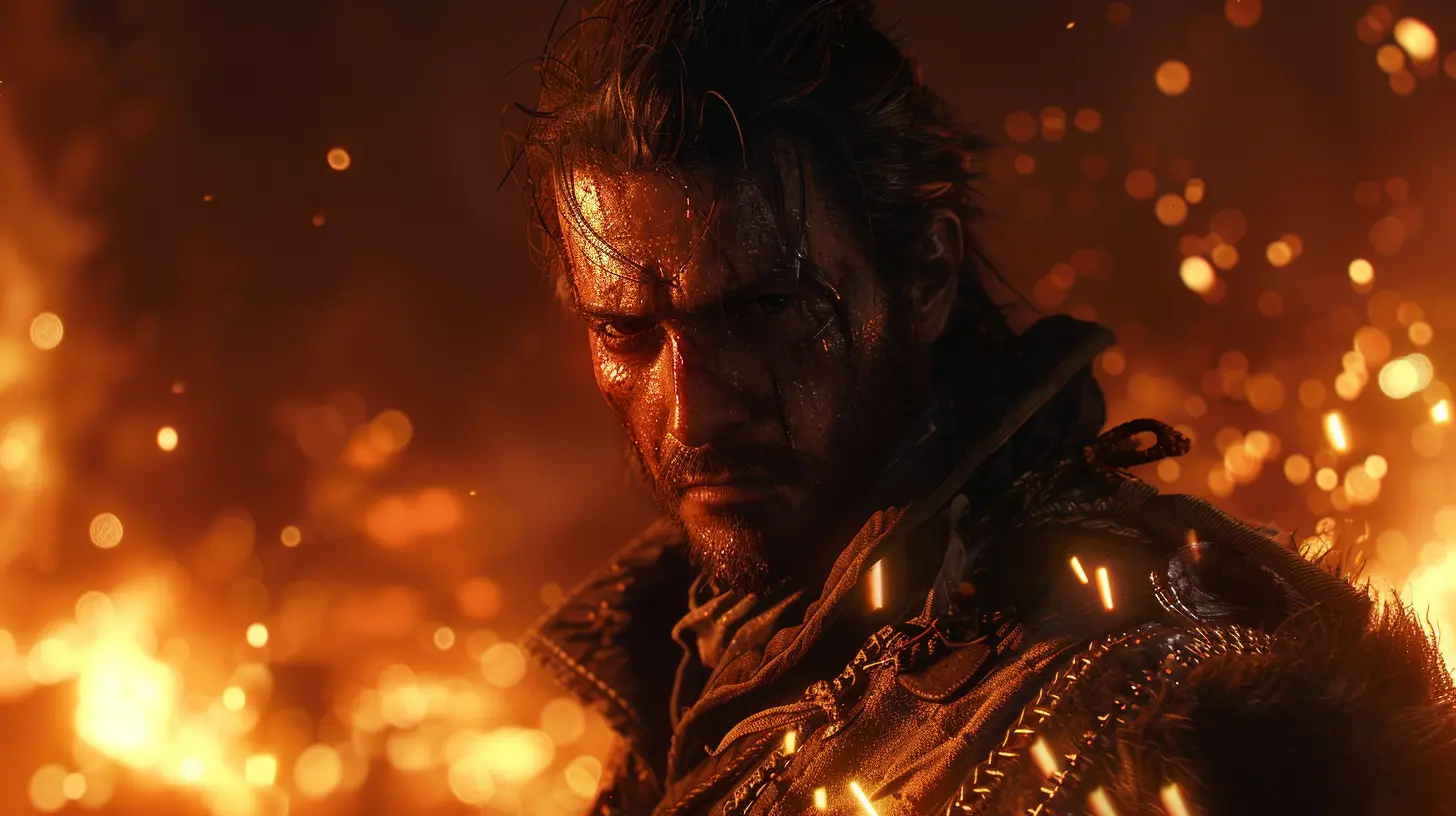
4. Closure Is Underrated
There’s something incredibly satisfying about finishing a single-player game. You get closure—an actual ending to the story you’ve been part of. Even if it’s bittersweet or leaves a few loose threads, you know the journey is complete.Multiplayer games don’t have that luxury. They’re designed to be endless. Which is great if you’re looking for mindless fun or want to grind for that shiny new skin, but they don’t give you the same sense of accomplishment. It’s like binge-watching a TV series without ever getting to the finale. Sure, you’re having fun, but it’s not emotionally fulfilling.
When a single-player game ends, it’s like saying goodbye to an old friend. It’s bittersweet because you’ve built this connection and now…it’s over. But in a weird way, it’s also beautiful. You get to walk away with memories and lessons learned, kind of like finishing that perfect beach vacation. Multiplayer, meanwhile, is like living in an eternal Groundhog Day—same matches, different day.
5. No Trolls Allowed
Let’s be real: multiplayer games can sometimes feel like a middle school cafeteria. There’s always that one guy spamming the mic with trash talk or the teammate who thinks camping in a corner is an acceptable life choice. Single-player games? None of that nonsense.When you’re playing solo, it’s your space. No hacker ruining your day. No toxic teammate throwing the game. Just you and the story unfolding in front of you. It’s the gaming equivalent of curling up under a blanket with a hot cup of cocoa—cozy, uninterrupted bliss.
6. Soundtracks That Haunt Your Soul
You ever find yourself humming the theme from The Elder Scrolls: Skyrim or tearing up at To Zanarkand from Final Fantasy X? That’s because single-player games don’t just tell stories—they score them. The music is carefully crafted to match the mood and pull at your heartstrings. It’s part of what makes those endings hit so hard.Multiplayer games tend to focus less on emotional soundtracks and more on sounds like footsteps and gunfire (for obvious reasons). It makes sense, but it doesn’t set the same kind of emotional stage.
7. The Illusion of Choice
Let’s talk about choices. Single-player games love to give you those "What would you do?" moments. Moral dilemmas, branching storylines, and choices that haunt you for days. That kind of agency makes you feel connected to the world in a way multiplayer rarely does.In multiplayer games, the choices are typically more tactical than emotional. Should you push the objective or hold back? Which character should you pick? Important, sure, but not life-changing in the way deciding the fate of an entire civilization is in a game like The Witcher 3.
8. It’s About the Journey, Not Just the Destination
Multiplayer games are about the destination—winning the match, climbing the ranks, completing the raid. But single-player games? They’re all about the journey. Every moment feels meaningful, whether it's solving a tricky puzzle, having a heartfelt conversation with an NPC, or exploring a breathtaking new world.When you reach the end of a single-player game, you’re not just finishing a story; you’re closing a chapter in your gaming life. And that’s what makes those endings resonate so deeply—they remind you of everything you went through to get there.
Final Thoughts
At the end of the day, it’s not about which type of game is "better." Different games fill different needs. Sometimes you want the camaraderie and chaos of multiplayer, and other times you want the introspection and storytelling of single-player. But if we’re talking about which hits harder when the final credits roll? Single-player games take the crown with ease.So, the next time you finish an epic single-player adventure and feel that emotional gut-punch, just know you’re not alone. That’s the magic of gaming—it’s not just entertainment; it’s an experience, a connection, and sometimes, even therapy. Now, if you’ll excuse me, I’ve got a partially-finished Horizon Zero Dawn save that needs my attention.
all images in this post were generated using AI tools
Category:
Single Player GamesAuthor:

Leandro Banks
Discussion
rate this article
2 comments
Thea Rocha
Great article! You perfectly captured the emotional depth of single-player experiences. It's amazing how these narratives can leave a lasting impact on us. Thank you for highlighting the unique connection we form with characters in solo adventures!
January 18, 2026 at 5:35 AM
Leandro Banks
Thank you! I'm glad you felt the emotional depth. Single-player experiences really do create a unique bond with characters that stays with us.
Faryn Willis
Single-player endings resonate deeply because they reflect personal journeys and emotional investments. They remind us that every choice matters, forging unforgettable connections that linger long after the game is over.
January 8, 2026 at 3:35 AM
Leandro Banks
Thank you for your insight! Single-player endings indeed create a profound sense of personal connection, as they reflect our choices and emotional journeys, making them linger in our memories.