Building Worlds That Reflect Player Morality
23 January 2026
Video games have come a long, long way from the pixelated plumbers and endless side-scrollers of yesteryear. These days, we’re not just jumping on turtles or chasing high scores — we’re shaping entire worlds with every decision we make. Wild, right? The idea that a game can reflect your sense of right and wrong isn’t just cool — it’s revolutionary. So let’s break it down: what does it really mean to build a world that reacts to your morality? And why should developers and gamers care?
Buckle up, because this is gonna be a wild ride through some serious game-design philosophy with a heavy dose of flair.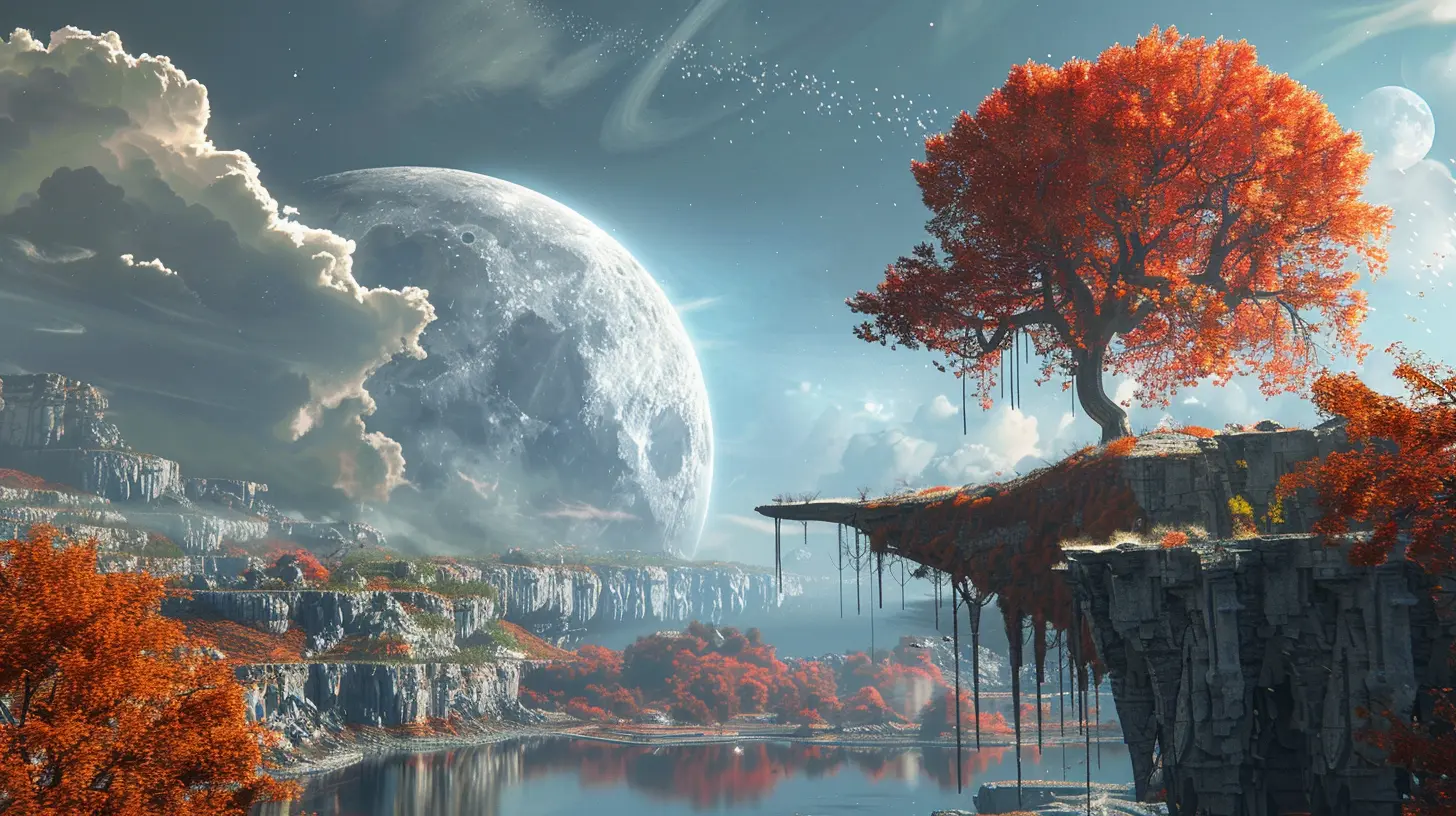
What Does "Player Morality" Even Mean?
So here's the tea: Player morality refers to the ethical choices you, as a player, make in a game — and how the game reacts to those choices. It isn’t just about being good or evil; it’s about the gray area in between, the delicious moral soup where things get juicy.Ever spared a villain because you sympathized with their backstory? Or maybe you went full renegade mode just to see what chaos you could cause? That’s morality in action, baby.
Moral Choices Aren’t Just Fluff
Games like Mass Effect, The Witcher 3, and Red Dead Redemption 2 don’t just throw in a handful of moral choices for spice — they bake them into the core gameplay. These decisions shape side quests, affect relationships, and even change entire endings. Now that’s power.
Why Morality Matters in Game Worldbuilding
Let’s get one thing straight: Gaming isn’t just about mechanics anymore — it’s about meaning. It’s storytelling on steroids. When developers build worlds that echo your moral compass, the experience becomes way more personal. You’re not just playing the hero (or anti-hero); you’re owning your story.Immersion That Hits Different
When NPCs react to your past choices like real people would? Whew — that hits different. You start feeling responsible for the world around you. You made a call. Now you get to live with the consequences. That emotional investment? That’s what turns a good game into a legendary one.
The Blueprint: How Devs Build Morality-Driven Worlds
Constructing a universe that bends with the player’s ethics isn’t easy. It’s like trying to write three novels at once and letting the reader decide which one they’re in.Here’s how the magic happens:
1. Morality Systems & Sliders
Ah yes, the classic morality meter — angel on one shoulder, demon on the other. Think Karma points in Fallout or the Paragon/Renegade scale in Mass Effect. These systems track your choices and adjust the narrative lens through which the world views you.But let’s be honest, binary morality is a little outdated. People don’t fit neatly into “good” or “bad” boxes — and neither should players.
2. Consequence-Driven Design
This is where the real juice is. Forget black-and-white morality — let’s talk about nuanced consequences. Games like Detroit: Become Human really lean into this. Every action leads to a consequence, which leads to another, and another — creating a butterfly effect that keeps players on their toes.Your decisions don’t evaporate after the mission ends. They haunt you, follow you, define you. Spicy, no?
3. Morality That’s Baked Into the World
Here’s where things get meta. In morality-rich games, the environment itself starts to reflect your choices. Townspeople might treat you differently. Landscapes may deteriorate or flourish based on your actions. You can literally see your moral imprint on the world around you. Power trip, anyone?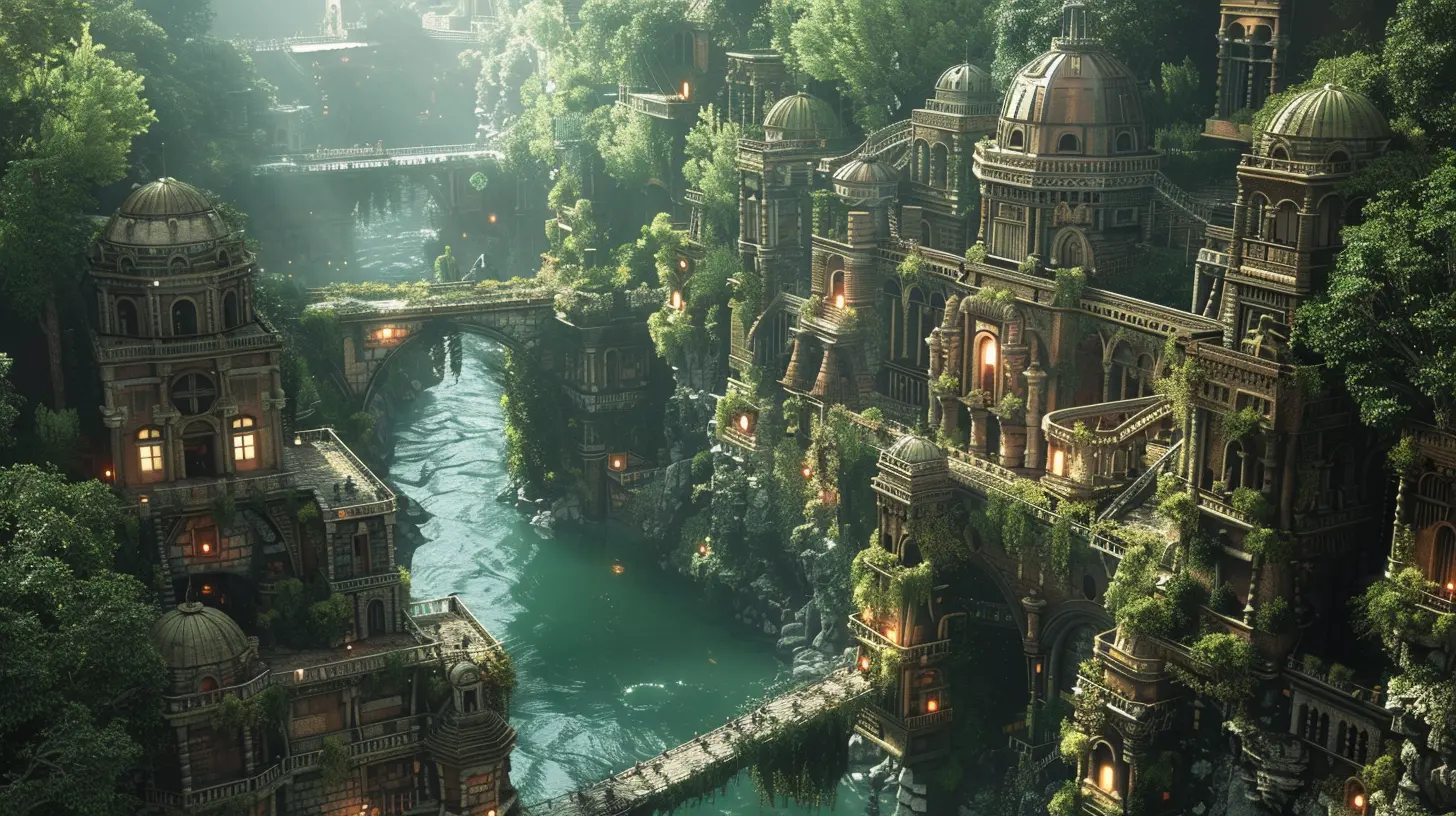
Real Talk: The Player's Role in Shaping Virtual Morality
Okay, yeah, developers lay the groundwork — but let’s not forget who’s driving the bus. That’s you, the player. You’re the one deciding whether to save the cat or toss it off a pixelated ledge (no judgment... okay, a little judgment).Are You the Villain, or Just Playing One?
One of the most fascinating aspects of morality in games is how it lets us explore sides of ourselves we don’t get to show IRL. Let’s face it: in real life, there are consequences. But in games, you get to test boundaries, experiment with choices, and maybe even learn a thing or two about yourself along the way.Ever realized mid-playthrough that you’re kinda savage? Same. It’s both terrifying and enlightening.
Breaking Down the Best Examples in Gaming
Let’s fangirl over some standout games that absolutely slay when it comes to morality-driven worldbuilding.The Witcher 3: Wild Hunt
Geralt of Rivia doesn’t live in a world of easy choices. Every decision is a moral landmine. Save a village, doom a handful of innocents. Kill a monster, but wreck an ecosystem. The game constantly reminds you that every choice has weight — and it ditches the good/evil binary like last season’s loot.Fable Series
Remember Fable? Oh, the drama. If you wanted horns and flies buzzing around you, go right ahead and rob that blacksmith blind. Want that glowing halo? Help every old lady cross the street (figuratively, of course). Sure, it’s a little over-the-top, but dang if it isn’t satisfying to watch your character evolve (or devolve) in real time.Red Dead Redemption 2
Arthur Morgan’s morality arc is a chef’s kiss moment in video game storytelling. Play him as a hardened outlaw or a troubled soul seeking redemption — either way, the world responds accordingly. The honor system affects dialogue, music, and even the color of the game’s lighting. Cinematic excellence, y’all.Moral Ambiguity Makes It Juicy
Games start to shine when they step into morally gray territory. You know, the “hey, this kinda makes me uncomfortable” kind of decisions. That’s where the real storytelling lives.You’re not just picking between “good guy” and “bad guy” options. You’re navigating complex, messy choices — like betraying a friend to save a city, or sacrificing fame to protect the innocent. Oof. That’s emotional storytelling at its peak.
The Challenges of Designing Morality-Based Worlds
Let’s be real: building morality systems isn’t all fairy dust and magic. It’s HARD. Like, coding-nightmare kind of hard.Branching Dialogues Can Be a Developer's Hell
Every moral choice opens up a set of new paths and reactions — multiply that by dozens of hours of gameplay, and suddenly, you’ve got a web of chaos. Keeping it coherent? That takes real skill.Players Hey, They Break Stuff
Gamers are great — but man, we are chaos gremlins sometimes. We’ll find loopholes, min-max moral consequences, and test every system to its limit. So devs not only have to anticipate this behavior, but design toward it without making things feel restrictive.Why Players CRAVE Morality-Based Gameplay
We want to feel things. We want games that challenge our values, make us second-guess ourselves, and tell stories we can’t stop thinking about.When a world reacts to our choices — especially our moral ones — it feels alive. Like we’re not just passengers, we’re co-creators. That’s the sweet spot. That’s the future.
And let’s be honest, who wants to play another cookie-cutter open-world snoozefest where your actions don’t actually matter? Pass.
Future-Proofing Moral Game Design
Here’s the good news: morality-based gameplay is only going to get more refined. With AI-driven narratives, procedural storytelling, and advanced player tracking, we’re looking at a future where your character’s morality might be just as complex as your own.Imagine a game that learns your personal code and adjusts the story dynamically. That’s where we’re heading, folks. And it’s gonna be lit.
TL;DR – Why This Matters to Everyone (Yes, Even You)
Whether you’re a developer, a hardcore gamer, or someone who just likes to dabble in story-rich RPGs, morality-driven worldbuilding matters. It makes stories stick. It makes worlds breathe. It makes you — the player — the heart of the narrative.So next time you’re questioning whether to spare the villain or burn it all down, take a moment. Look at the world around you. Is it watching? Is it changing? It probably is — and that’s the magic.
Final Thoughts: Morality Isn’t Just a Mechanic — It’s a Mirror
Building worlds that reflect player morality is one of the boldest, most ambitious things a game can do. It demands more from developers and gives back tenfold to players. It makes games matter. It makes us feel seen. And sometimes, it makes us question who we are — even if it’s just through a screen.And honestly? That’s the kind of game I want to get lost in.
all images in this post were generated using AI tools
Category:
Game WorldsAuthor:

Leandro Banks
Discussion
rate this article
2 comments
Ariella Summers
Player choices enrich immersive world-building dynamics.
February 1, 2026 at 3:39 AM
Leandro Banks
Absolutely! Player choices deepen the narrative, making the world feel alive and responsive to their values.
Noora Mendez
Games that mirror player morality not only enhance immersion but also spark meaningful conversations. It's time for developers to embrace this potential and craft more profound experiences.
January 26, 2026 at 3:45 AM
Leandro Banks
I completely agree! Games that reflect player morality enrich the narrative and engage players in deeper discussions, making the gaming experience more impactful and meaningful.