Game Worlds That Changed with Player Choices
17 January 2026
Ever thought about how powerful your decisions can be in a game? I mean, sure, pressing “A” to attack or “X” to jump is cool. But what if your choice set off a domino effect—shaping the very world your character walks in? That’s the magic of games that bend and twist based on what you, the player, decide. This isn't just about branching dialogue or different endings. Nah, we’re talking entire game worlds that evolve, transform, or fall apart—all because of you.
Welcome to the mystical, mind-bending space of player-driven worlds. Let’s dive headfirst into some of the most jaw-dropping games where your actions literally change the course of history (well, in the game at least).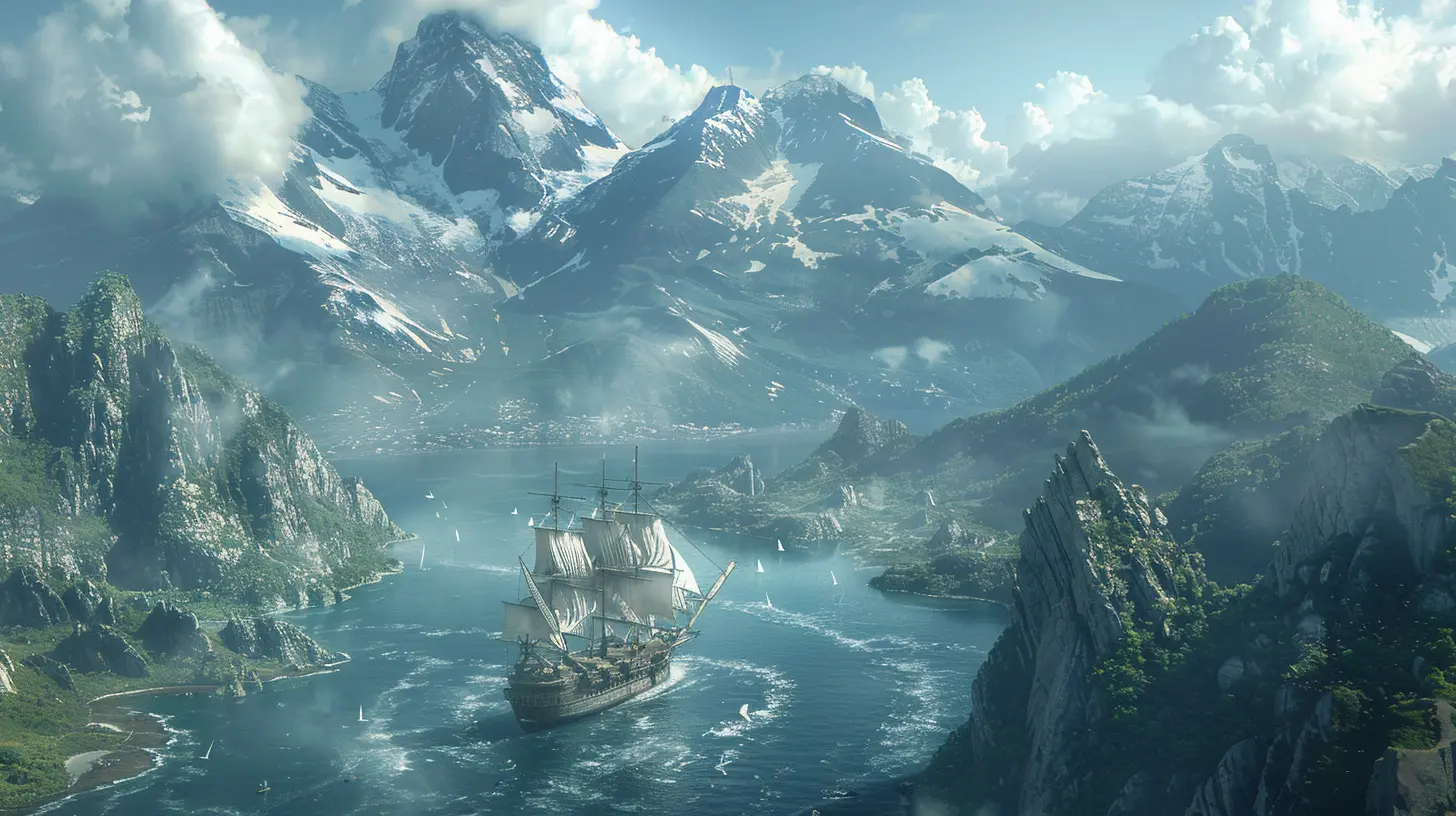
The Butterfly Effect in Gaming: Why Your Choices Matter
Ever heard of the butterfly effect? You know, the idea that a butterfly flapping its wings in Tokyo could cause a tornado in Texas? In gaming, this concept plays out in the most fascinating ways. One seemingly minor decision—like saving a character or taking a different route—can spiral into major consequences down the line. These moments wrap you in the illusion of god-like control, and sometimes? They hit you with crushing regret.Games that react to your choices make you pause and ponder. They turn simple play into immersive storytelling. You're not just along for the ride; you’re in the driver’s seat.
So, which games pull this off best? Glad you asked.
1. The Witcher 3: Wild Hunt – Choices That Haunt You
Let’s start with a heavy hitter. In The Witcher 3: Wild Hunt, you step into the boots of Geralt of Rivia, a grumpy monster slayer with a heart—kind of.But here's the twist: Your decisions ripple across kingdoms. Save a certain character, and a region thrives. Let them die? Chaos unfolds. Entire villages can be wiped off the map, characters can vanish forever, and people treat Geralt differently depending on your past actions.
And oh, the endings. They're not just “good” or “bad.” They're gray, complex, and gut-wrenching. Like real life, nothing's black and white. Did you try to protect Ciri? Were you too controlling? Your approach determines if she lives her life freely… or faces a tragic fate.
2. Mass Effect Series – A Galaxy at Your Mercy
Commander Shepard doesn’t just fight space monsters; they shape the fate of an entire galaxy. The Mass Effect trilogy is legendary for choices that carry across all three games.Who lives? Who dies? Who falls in love with you? It’s all you.
For instance, if you choose to save one species over another in the second game, that might come back to haunt you in the third. You can unite alien races, destroy civilizations, or broker peace between bitter enemies.
And let’s not forget the infamous ending. Love it or hate it, your previous decisions feed into that final moment when the fate of all living beings lies in your hands.
Deep stuff, right?
3. Fallout: New Vegas – Vegas, But with Nukes
Welcome to the post-apocalyptic Mojave Desert where casinos meet chaos. Fallout: New Vegas gives you something most RPGs don’t: raw, unchecked freedom.You can align with authoritarian robots, anarchist rebels, or the remnants of a capitalist society. Or, you can just say, “Screw all that,” and declare yourself king.
Your decisions shape who rules New Vegas, what happens to the tribes, and even which factions survive. Pass by someone in need? Ignore a side quest? That can come back later and bite you hard.
And the best part? None of the options are entirely right or wrong. It's all politics, power plays, and moral ambiguity. Welcome to the realest fake Vegas you’ll ever visit.
4. Until Dawn – Everyone Lives or Everyone Dies
Okay, horror fans—this one’s for you. Until Dawn is basically a playable teen slasher flick. A group of friends stuck on a snowy mountain? Check. Creepy woods? Check. Something—or someone—trying to kill them? Big check.But here’s the kicker: Every choice you make determines who survives the night. One wrong dialogue choice or a missed button prompt, and boom—someone’s dead. The game even warns you: “Your actions will shape the story.”
You’ll question every decision. Save your friend or escape? Hide or run? Trust someone, or suspect the worst?
By the end, you could have a house full of survivors… or a massacre that’s all your fault. Talk about pressure.
5. Detroit: Become Human – The Rise of the Machines
If you love robots with feelings (who doesn’t?), Detroit: Become Human will hook you. You play as three androids, each wrestling with what it means to be human.The choices here are wild. You can start a revolution, lead peaceful protests, or descend into full-blown war. And your relationships? They’re fragile. Say the wrong thing, and trust crumbles. But choose wisely, and you build unbreakable bonds.
Entire story branches open or slam shut based on what you do. Friends become enemies. Enemies become allies. And major plot lines can be completely skipped or expanded, depending on you.
It's like juggling flaming swords while blindfolded—thrilling and terrifying.
6. Red Dead Redemption 2 – The Illusion of Redemption
Arthur Morgan starts as a bad man doing bad things. But in Red Dead Redemption 2, whether he stays that way? That’s up to you.Help strangers and show mercy, and Arthur begins to change. Ignore pleas for help, rob indiscriminately, and you’ll see a darker, more hopeless world reflected around you.
Your honor level affects how people treat you, what missions you get, and even what scenes play out in the end. And yes, there are multiple endings—each reflecting the kind of man Arthur becomes.
It's personal. Raw. Emotional. You’ll probably cry. (Don't worry, we won’t judge.)
7. Fable Series – Good, Evil, or Just Plain Weird
Remember Fable? This game was way ahead of its time. Even way back in the early 2000s, it gave us choices that changed our characters and the world.Go the hero route, and your character literally glows with purity. Stay evil, and you’ll sprout horns and scare the townsfolk just by walking past. But it wasn’t just aesthetic—your choices changed how missions played out, how your home city developed, and how people remembered your name.
It’s like playing three different games depending on your moral compass. Or lack thereof.
8. Telltale's The Walking Dead – Choices That Hurt
If you’ve played Telltale’s The Walking Dead, you already know. This isn’t just a game—it’s a soul-crushing emotional rollercoaster.Every conversation, every decision, carries weight. Who to feed? Who to trust? Who to save when there’s only time for one?
Characters remember what you did. They hold grudges. They cry. And when they die… it feels personal.
The world changes subtly but significantly. And the game reminds you constantly: “So-and-so will remember that.” Sends chills down your spine, right?
Why Do We Love Games That Shift with Us?
Because they feel alive. Static games are fun, sure. But dynamic games? They pull you in. They make you feel responsible, invested, and sometimes overwhelmed.They mimic life in its unpredictability. You can't reload real life. And in these games, sometimes… you don’t want to. You want to live with your choices, even the ugly ones.
It’s storytelling on steroids.
The Future of Player-Driven Worlds
So, what’s next?Game devs are pushing boundaries even further now. With AI and procedural storytelling catching fire, future games might react not just to decisions but to how you play. Your pacing, your emotions, your tone of voice—imagine a game that evolves in real-time based on all that.
Wild, right?
In a few years, we might laugh at today’s branching narratives like we laugh at dial-up internet.
But for now, let's raise a toast to these revolutionary games. They didn’t just give us choices—they gave us worlds worth changing.
Final Thoughts
At the end of the day, it’s not just about beating the boss or finishing the story. It’s about what shape the story takes because of you. Your actions. Your decisions. Your regrets.These games don’t just offer alternate endings—they offer alternate realities. And that’s what makes them unforgettable.
So, gamer—next time you’re faced with a tough choice in a game, remember: the world’s watching. And it will never be the same again.
all images in this post were generated using AI tools
Category:
Game WorldsAuthor:

Leandro Banks
Discussion
rate this article
2 comments
Zorion Thomas
Choice-driven narratives elevate gameplay from passive to active. It's fascinating how our decisions shape these worlds, creating personal tales in the pixels.
January 26, 2026 at 3:45 AM
Leandro Banks
Thank you! I completely agree—choice-driven narratives truly transform gameplay and deepen player engagement, making every decision matter in the story we experience.
Porter Spencer
Absolutely love how player choices shape game worlds! It adds such depth and excitement to gaming!
January 17, 2026 at 5:47 PM
Leandro Banks
Thanks for your thoughts! Player choices truly enhance immersion and create unique experiences. It's exciting to see how different decisions can impact the game world.