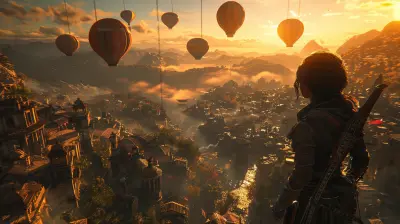
How Developers Craft the Illusion of a Living World
28 July 2026
Ever been minding your own business in a game—just casually hunting dragons, looting bandits, and rolling your eyes at yet another quest to gather 10 boar hides—when suddenly it hits you: “Wait a minute... is that NPC sweeping the floor... again?” Yep, welcome to the wonderfully weird and impressively complex illusion of a “living world.”
Creating giant open game worlds that actually feel alive isn’t just a sprinkle of fairy dust and some programming pixie magic. Nope. It’s a wild buffet of clever coding tricks, sly storytelling, and a whole lot of Red Bull-fueled late nights. So buckle up, fellow gamer, because we’re about to go behind the scenes and see how the puppet masters (aka developers) pull all those strings just right.
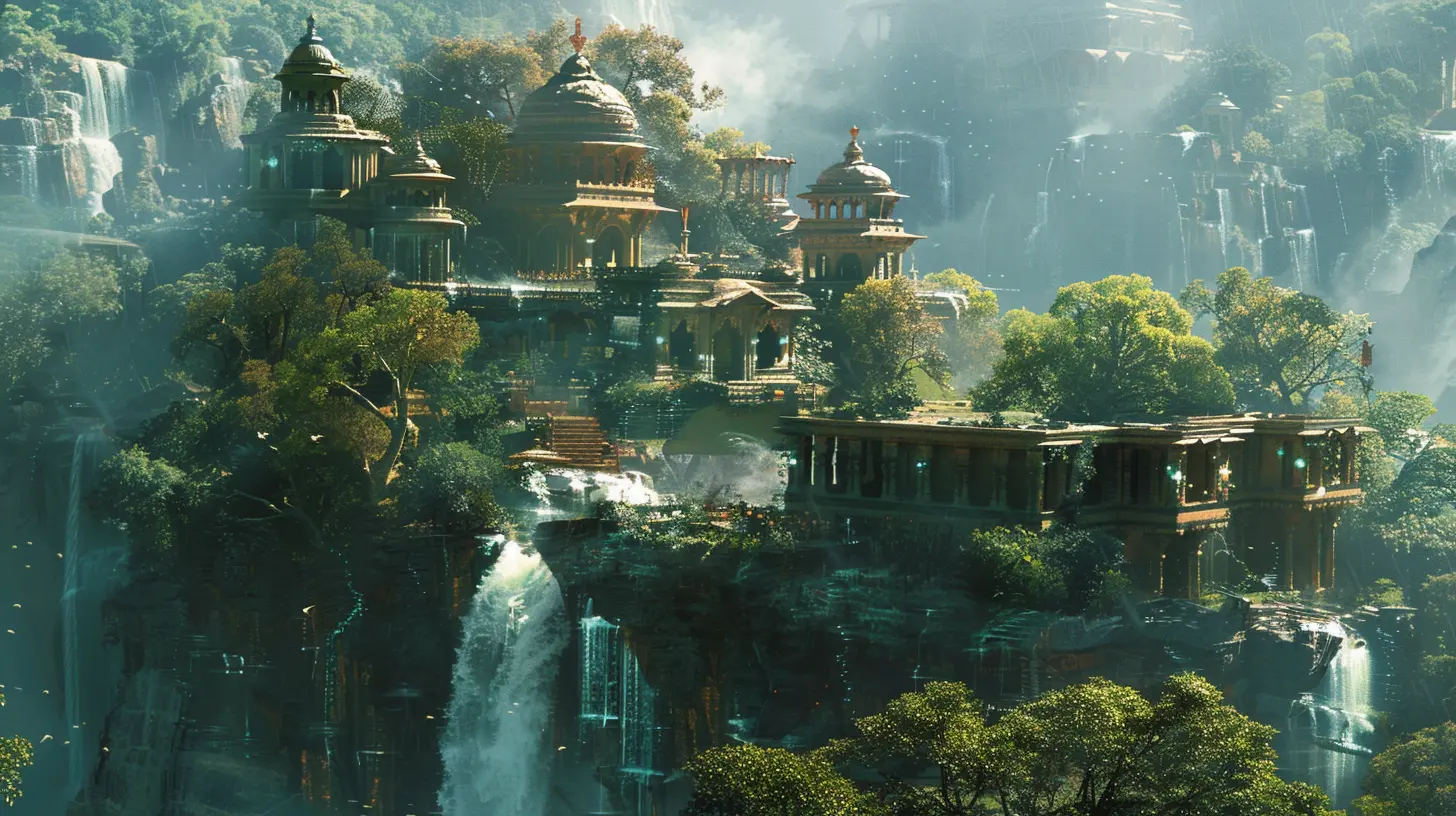
First Things First: Why Even Bother With a Living World?
Let’s be honest—if you step into a town in a fantasy RPG and everyone’s just standing around like confused mannequins, that’s gonna kill the immersion faster than you can say “glitched horse.” A living world gives players the sense that the universe keeps chugging along even when they’re not around.It’s like walking into your favorite restaurant and seeing it already busy, bustling with people, clinking glasses, shouting over hot plates of pixels. It feels real, and that’s the whole magic trick.
But how the heck do developers make it seem that way?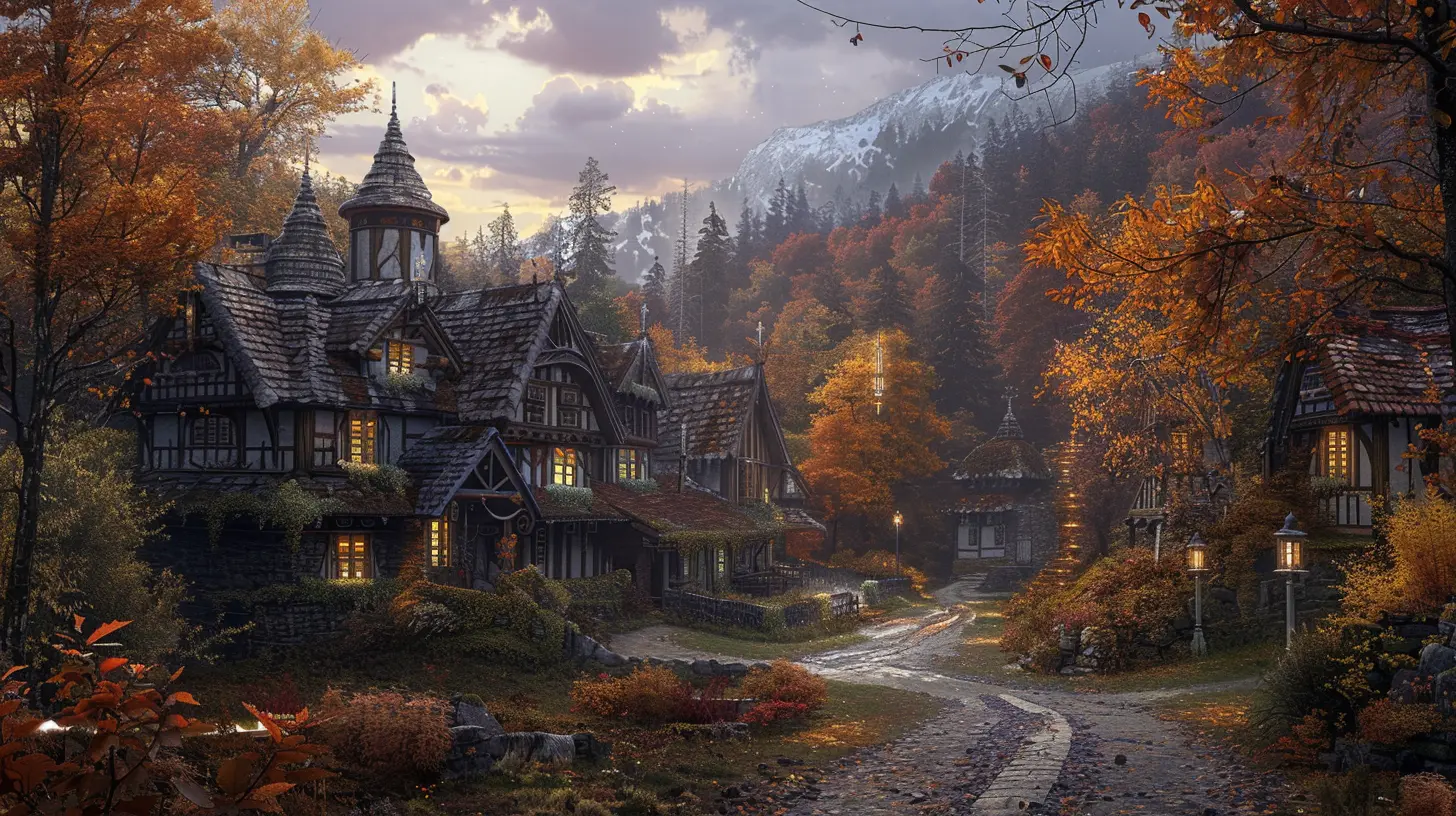
1. NPCs with Fake Lives... But Convincing Ones
“Hi there, I’m Bob the Farmer. I till fields day and night, only sleep 45 minutes a week, and sometimes I forget I exist until a player walks by.”Okay, not really. But NPCs—those charming, quest-giving, side-eye-giving background folks—are often programmed to simulate daily lives.
? Basic NPC Scripting
Most games give NPCs a basic schedule. Morning? Head to the bakery. Noon? Eat bread (probably the same one every day). Evening? Go home. This schedule makes them feel like they’ve got somewhere to be, something to do—unlike your cousin who dropped out of college to become a full-time Twitch lurker.Games like Skyrim absolutely nailed this. You’ll see characters go about their day—working, shopping, sitting in taverns gossiping about dragons. Sure, they kinda cycle-rinse-repeat the same tasks, but you feel like you just walked into their world.
?♂️ The “Radiant AI” Trick
Bethesda coined the term “Radiant AI,” which sounds like a beauty product but is actually a system where NPC behavior changes depending on the environment, relationships, and the player’s actions. It’s like giving every character a tiny brain (thankfully not smart enough to unionize against you).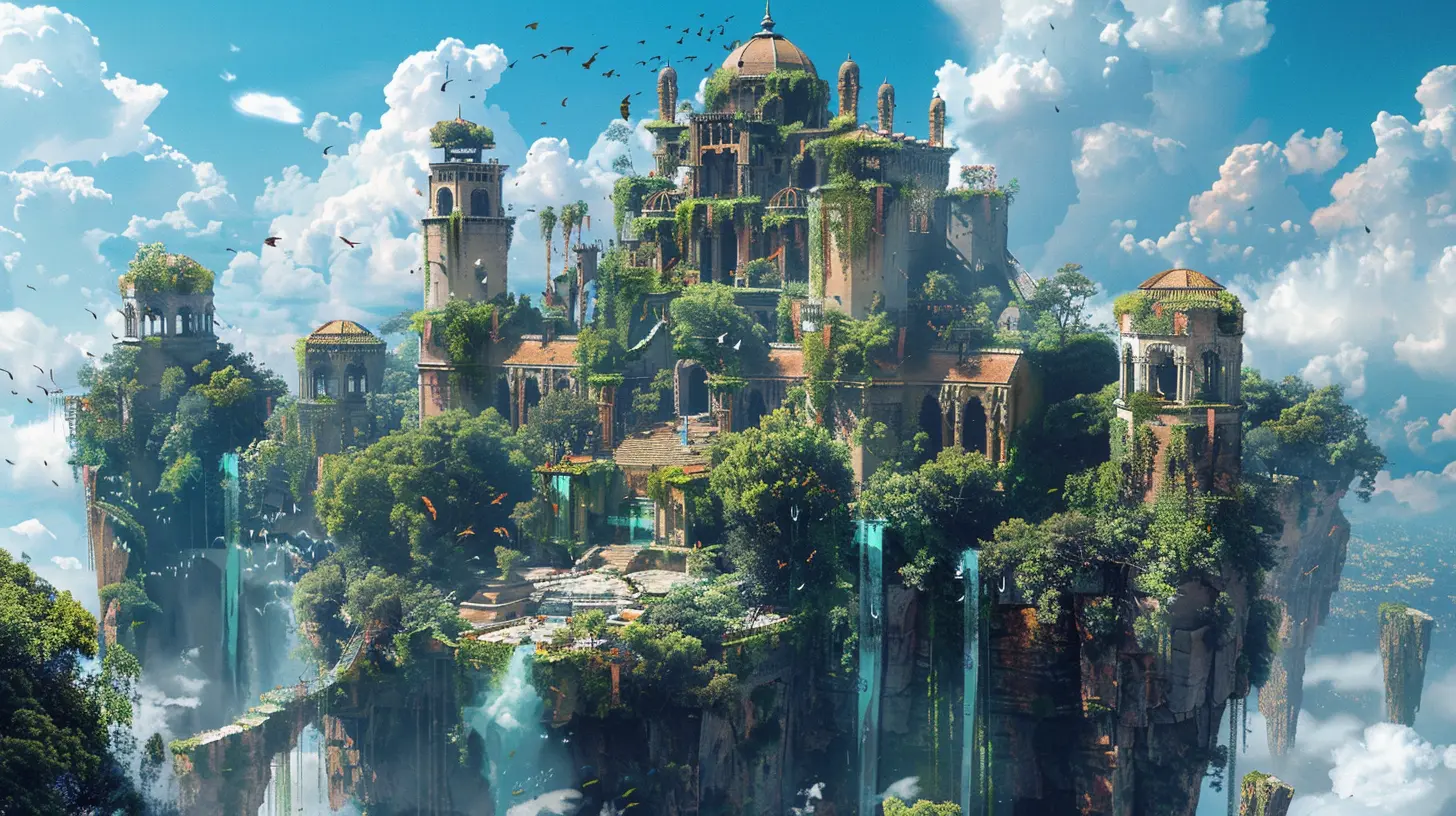
2. Background Chatter: Sound Design That Talks
Ever noticed that when you walk into a medieval village, you hear chickens clucking, blacksmiths hammering, kids laughing, and distant conversations? That’s not just there for vibes, my friend. That’s immersive audio sorcery.Sound designers layer ambient noises to trick your brain. Even if you don’t see the guy yelling “fresh cabbages!” your ears believe he exists… somewhere… possibly behind that suspiciously glitchy pile of hay.
? Dynamic Audio: It Changes with You
Some games adapt sound based on your position, time of day, and what you’re doing. Strolling through a forest at night? Cue the owls, wind rustling, and the faint sound of your courage crumbling. It makes the world feel alive and react to you, all without a single word exchanged.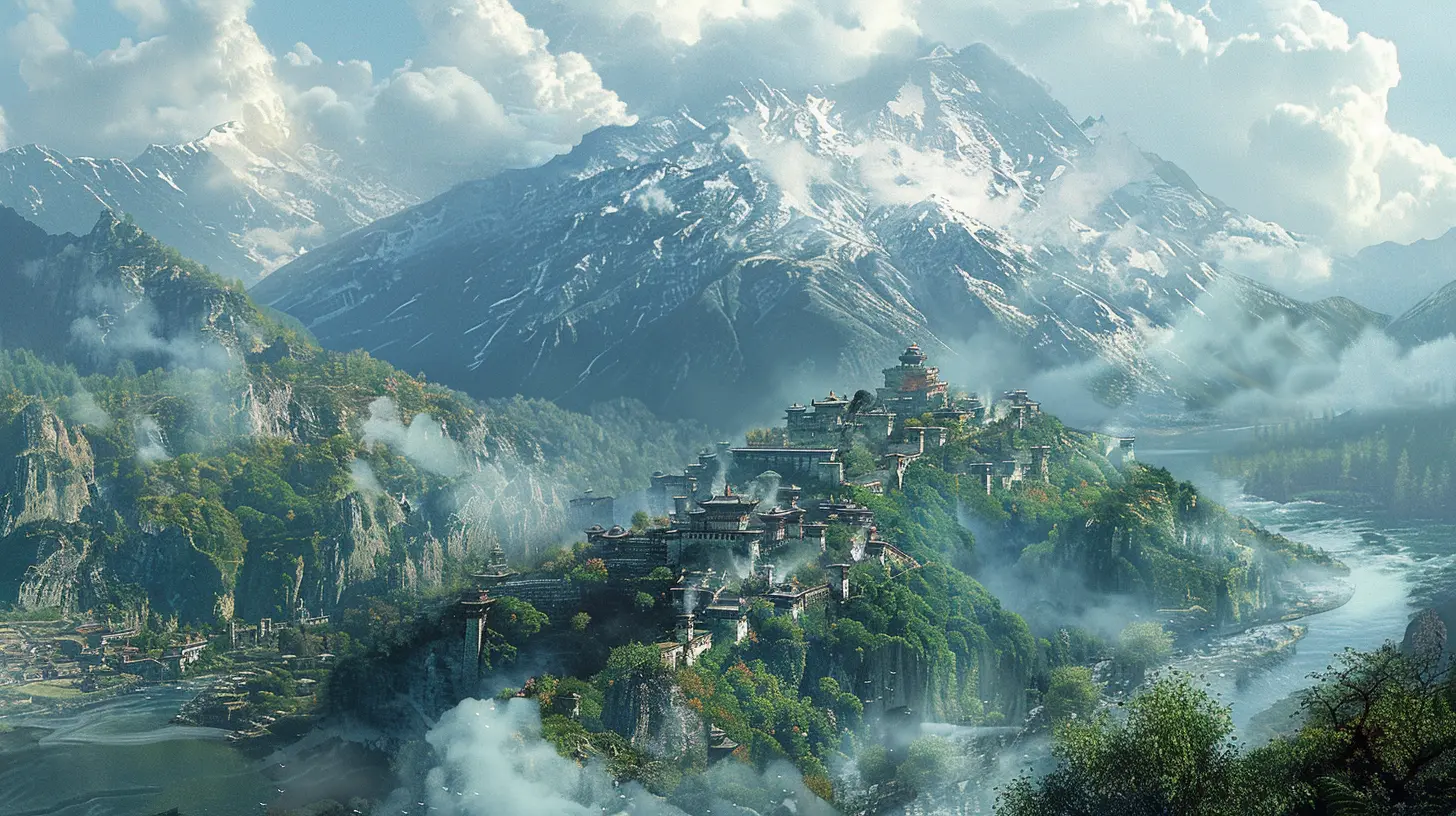
3. The Economy: Fake Money, Real Vibes
A living world needs commerce. Because what’s more alive than wasting currency you barely earned?? Simulated Economies
In some games, towns produce goods, prices fluctuate, and supply-and-demand rules apply. In Mount & Blade, for example, if you attack a city's caravans long enough, the city actually starts to struggle economically. You're basically the cause of an open-world recession. Congrats!The illusion gets stronger when players see vendors restocking, townsfolk trading, or even shady underground markets (I see you, GTA).
4. Animals Doing Animal Things
If you’re walking through a forest and every single wolf is just chilling in the same spot until you walk by... that’s not nature, that’s a poorly organized wolf cult.? Wildlife AI and Behaviors
Modern games give animals their own routines. They hunt, sleep, migrate, and sometimes attack each other (or you—because snack?). It’s like National Geographic, but way more polygonal.Red Dead Redemption 2? Oh boy. That game’s wildlife system is practically studying us. Animals in that game eat, fight, flee hunters, and if you stick around long enough... they poop. Yep. Full-on nature simulator, cowboy edition.
5. Weather With an Attitude
A skybox with clouds is cute, but dynamic weather systems crank things to eleven. Rain that affects your movement, wind that shifts arrow trajectories, snow that leaves footprints—snazzy.?️ Reactive Weather Systems
Developers use weather not just for mood, but for gameplay. Imagine sneaking into a fortress under cover of fog, or watching as NPCs dash for shelter during a downpour. That’s the world reacting.In The Witcher 3, Geralt's hair flops adorably in the wind. Need we say more?
6. Day-Night Cycles and the Magical Passage of Time
A good ol’ cycle from sunrise to sunset makes everything feel more believable. But great games go further. They make people act differently at different times.⌛ Behavioral Change by Time
At night, shops close. Shady characters show up. Monsters come out. Your decision to take a shortcut through those ruins? Yeah, you’ll regret it when a wraith eats your face at midnight.This passage of time adds depth to the world. Suddenly, it’s not you controlling everything—the world runs on its own clock. It’s like being in a massive theme park where the rides operate even if you’re grabbing snacks.
7. Environmental Storytelling: The Silent Narrator
Sometimes, the most powerful stories are told without a single word.A burned-down cabin in a forest. A skeleton clutching a diary. Blood trails leading into a cave. These moments tell you something happened before you arrived. That’s the stuff that makes the world feel like it existed before you hit “New Game.”
? Little Details Make Big Differences
Games like Dark Souls thrive on this. The world is filled with odd little clues—architecture, item descriptions, enemy placement—that tell a story for those curious enough to piece it together. No giant expository cutscene required.8. Quests That Actually Matter (Well… Sort Of)
"Fetch 12 eggs and I’ll tell you the secret to the universe!" Classic.But jokes aside, games increasingly try to give you side quests that change the world. Maybe helping rebuild a village unlocks new shops. Maybe murdering a town guard leads to heavier patrols. These ripple effects leave footprints long after the quest ends.
? Player Choices That Stay Put
Nothing screams “living world” more than a world that remembers. Developers achieve this with branching narratives, consequences, and persistent world states. Mass Effect is legendary for this—characters remember your past decisions across entire games.Pick a side, right a wrong, betray a friend—it’s all pulled into the illusion. You’re not just visiting this world—you’ve changed it.
9. Multiplayer Madness: Other People as "Living" Components
Let’s not forget MMOs and shared worlds. Here, the other players are the unpredictable element. That knight in gold armor dancing on a table? Totally alive. Probably high on potions, but alive.??? Emergent Gameplay Moments
Player-driven storylines make these worlds bonkers in the best way.Whether it’s organizing massive raids, setting up player economies, or just yeeting yourself off a mountain for YouTube views—players often become the heart of the “living” part in the world. Developers just give them the tools (and then sit back with popcorn to watch chaos unfold).
10. Bugs, Glitches, and the Unintended “Life”
Okay, real talk: Sometimes, the illusion is a little... wonky. Like when an NPC walks face-first into a wall for 30 solid minutes, or a horse decides it’s Spider-Man and climbs a mountain upside-down.But weirdly enough, even bugs can contribute to the illusion. They remind us that this world is messy, dynamic, and very much a complicated machine trying to simulate thousands of moving parts. Just like real life, honestly—ever seen a pigeon get stuck in a revolving door? Same vibes.
Final Thoughts: It’s All Smoke, Mirrors, and a Lot of Code
At the end of the day, the illusion of a living world is like a beautiful lie we all agree to believe. Developers stack systems—AI, sound, weather, storytelling, and player impact—like layers on a delicious gaming lasagna. It’s not really alive, but wow, it sure does feel like it sometimes.So next time you see an NPC yawn and walk off to bed, or watch the clouds roll in right before a thunderstorm hits your unsuspecting hero in the face—take a second to appreciate the wizardry. Someone, somewhere, coded that moment just for the illusion of life.
And that, my pixel-loving pals, is the video game equivalent of Hollywood magic.
all images in this post were generated using AI tools
Category:
Game WorldsAuthor:

Leandro Banks