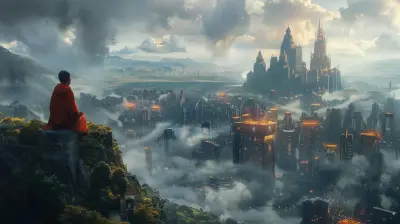
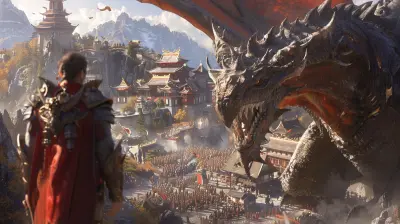
How Game Worlds Encourage Exploration
14 April 2026
If you’ve ever found yourself wandering off the beaten path in a video game, stumbling upon a hidden shrine, or chasing a curious sound into the unknown, congratulations — you’ve been lured by one of gaming’s greatest pleasures: exploration.
But here’s the real question — what makes some game worlds simply irresistible to explore? How do developers create environments that keep us poking around every corner, diving into deep caverns, and following trails just to see what’s there? Let’s dive into all that goodness and uncover how game worlds encourage exploration.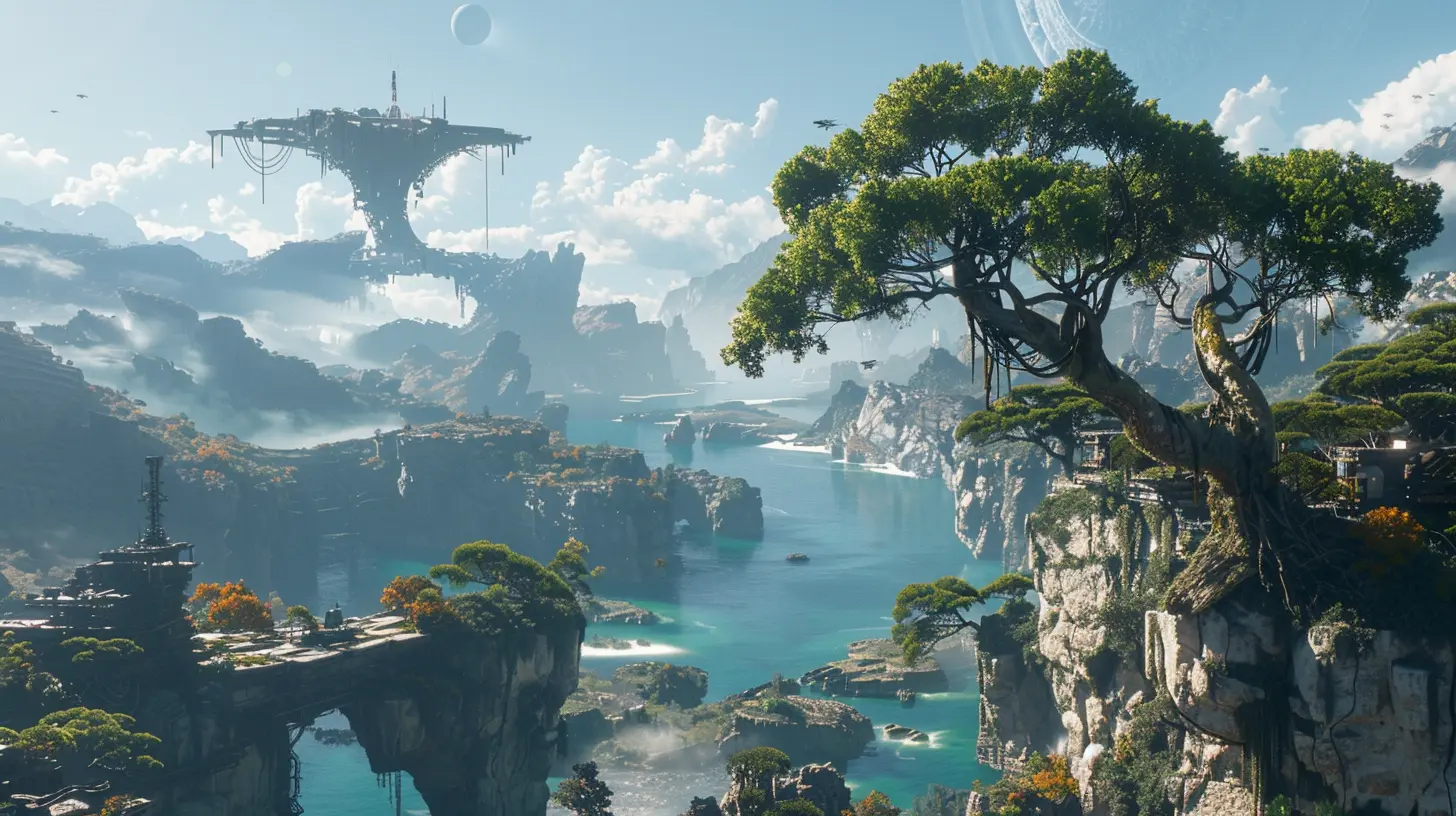
The Magic of Curiosity: The Core of Exploration
Humans are naturally curious creatures. It’s wired into us — we want to know what’s behind that door, what’s over that hill, what’s at the bottom of a dark cave. Game designers know this and use it to their advantage.In many games, curiosity is like a breadcrumb trail. You see something just out of reach — a glowing light, a strange structure on the horizon, or an unusual noise — and you feel compelled to check it out. Even if your quest marker is pulling you in the opposite direction, you veer off course. Because hey — what if there’s treasure?
Games like The Legend of Zelda: Breath of the Wild, for instance, absolutely nail this. You’re not told to go explore; the world just quietly invites you to do it. It’s like the game gently nudging you, whispering, “Hey, what’s that over there?”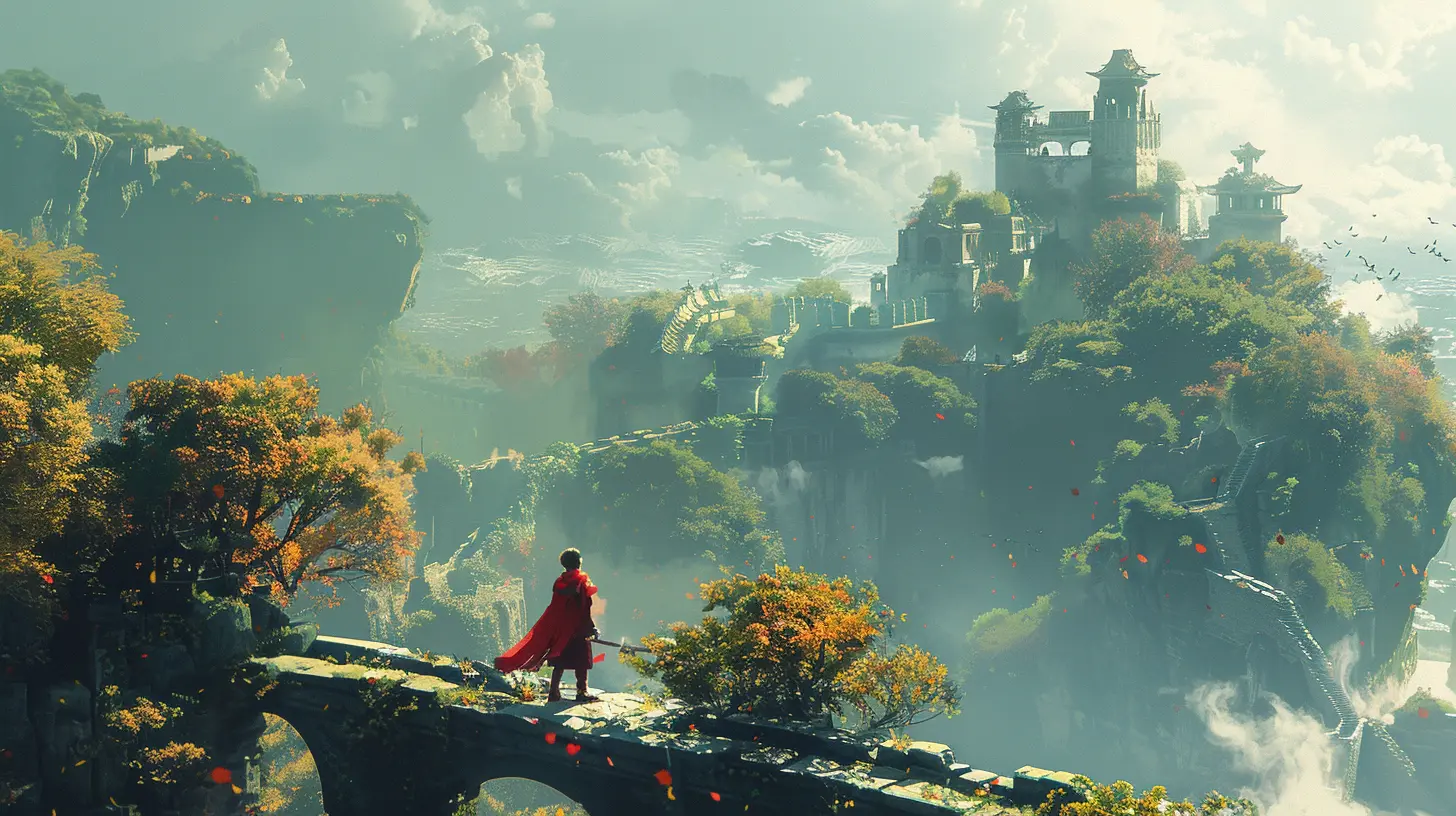
Creating a World That Feels Alive
For a game world to really pull you in, it has to feel alive — not just big and pretty, but filled with things that provoke interaction.Let’s think about Skyrim, a classic when it comes to open-world exploration. Sure, it has a monstrous map, but it’s not just empty space. You come across random events: a bandit ambush, a dragon flying overhead, or two NPCs fighting in the distance.
These events create a dynamic world that feels like it's moving whether you’re watching or not. That sense of autonomy is key. It makes you feel like there’s always something going on just out of sight. And yup — that’s what pushes you to keep looking.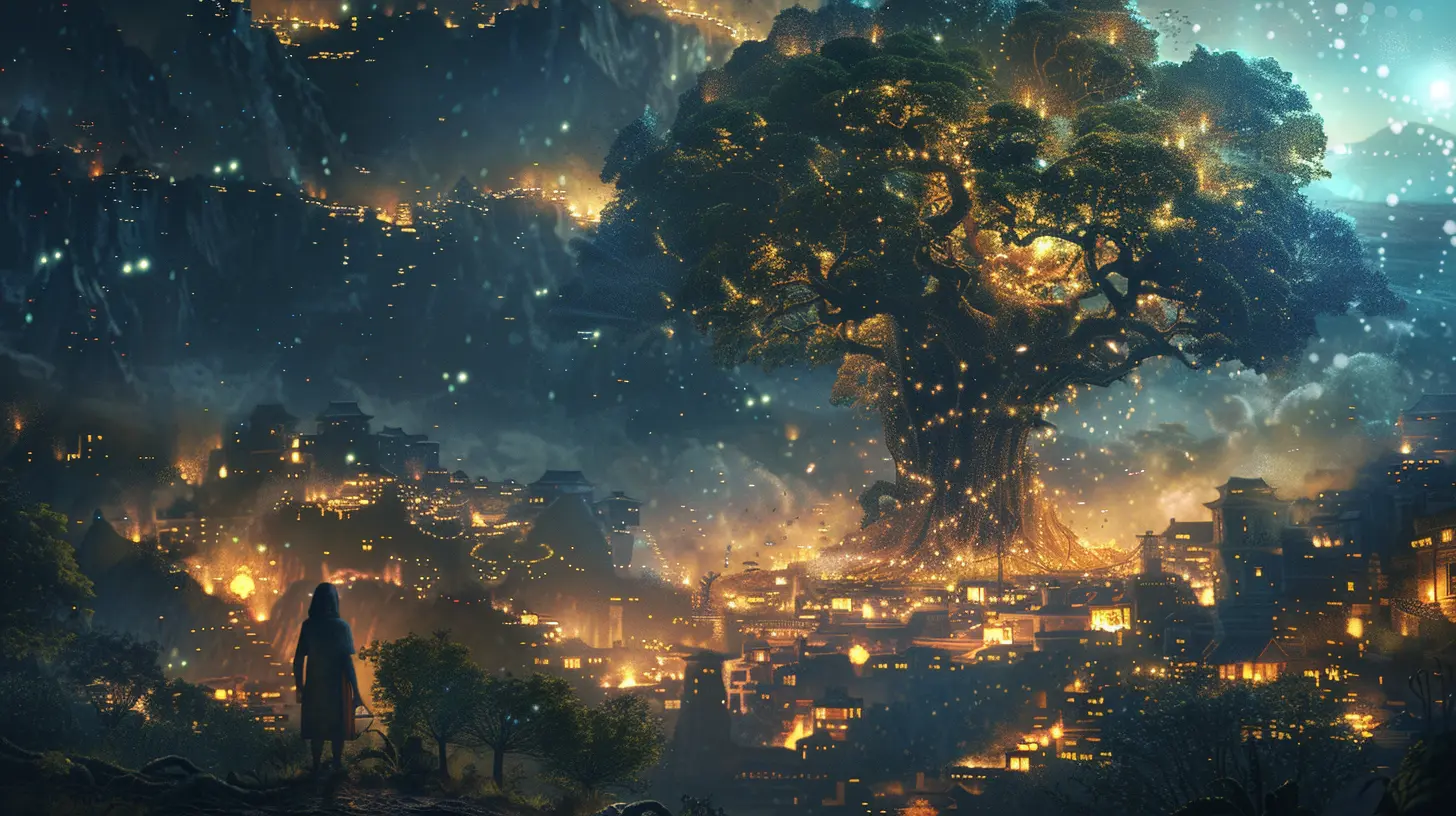
Environmental Storytelling: Telling Tales Without Words
Some game worlds don’t need a single line of dialogue to tell a story. Environmental storytelling is when the world itself gives you the narrative. Think old campfires still smoking, bloodstains on the floor, or broken furniture and scratched-up walls — they all whisper stories of what might’ve happened here.Games like Dark Souls and Hollow Knight are masters of this technique. They drop you into heart-stoppingly beautiful — and often eerie — environments. No NPCs pointing a finger. No “go here” instructions. The vibe, the design, the music — it all says: “There’s something here… if you’re brave enough to look for it.”
And let’s be real: piecing together a story on your own feels way more rewarding than being spoon-fed plot details.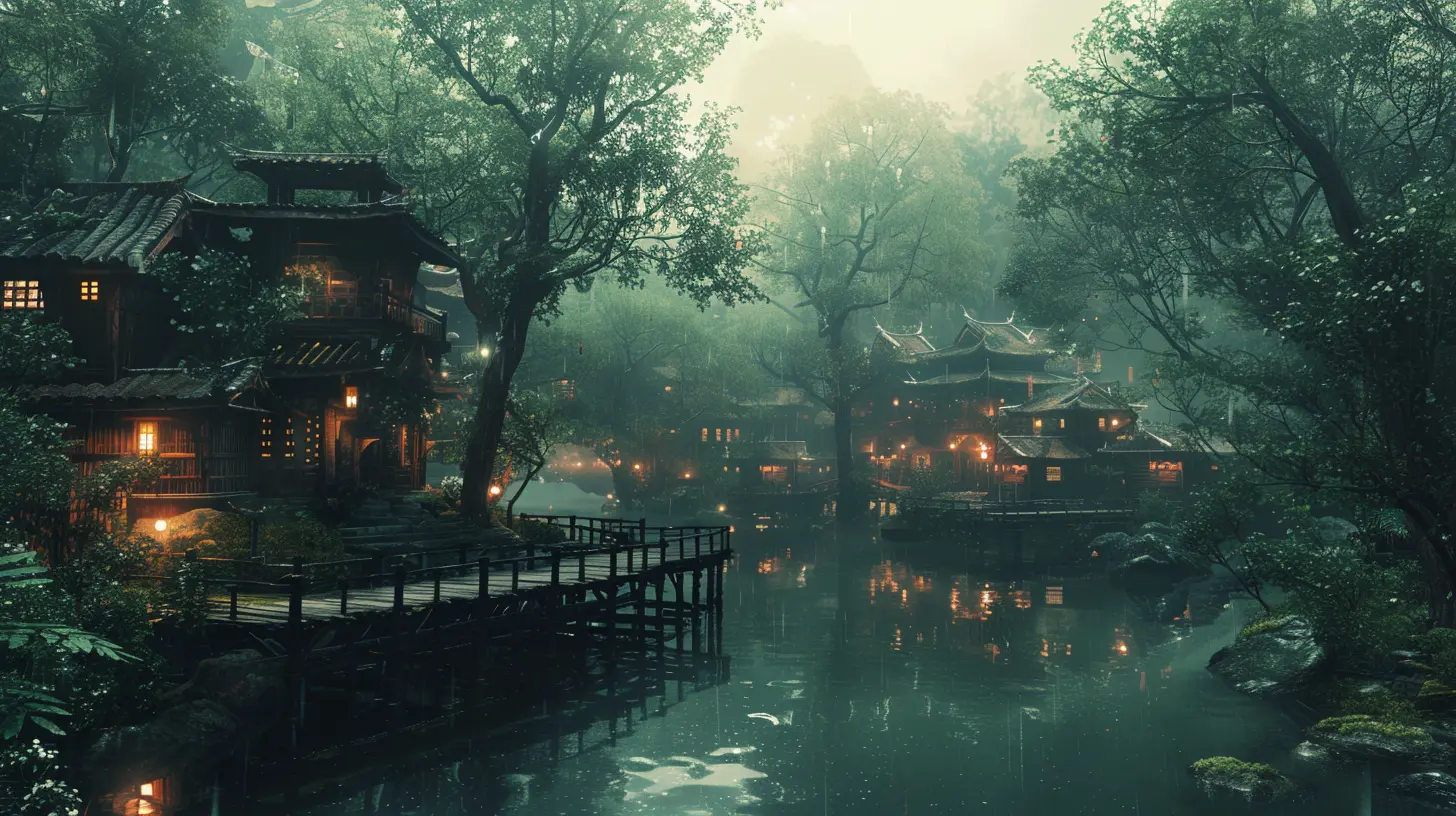
Rewarding the Curious Player
There’s nothing more satisfying than wandering off the path — and actually getting something out of it. Games that reward curiosity make you feel like a genius explorer.Whether it’s a powerful item, a side quest, a gorgeous vista, or even just a cool Easter egg, the best exploration moments feel meaningful. You’re not just wasting time — you found something awesome.
Take Elden Ring as an example. The game doesn’t hold your hand. If you see a castle in the distance and decide to make the trip, chances are you’ll uncover something wild — a hidden boss, a mysterious character, or a unique weapon.
That sense of “whoa, look what I found” is like fuel for exploration junkies.
Clever Map Design: Guiding Without Forcing
Good game maps don’t force you to explore — they gently suggest it. Through smart design, they nudge you toward points of interest without shouting in your face.This is where we get into the nitty-gritty of design principles like “landmarks” and “vista points.” A tall tower in the distance? A strange glowing forest? A weird cliff formation? Those are visual magnets. Developers place them in just the right spots to catch your eye and lure you in.
Think of them like flashing neon signs in the distance. You don’t need a quest marker because your own curiosity is doing the work.
Progression Through Discovery
Ever play a game where your actual in-game progress is tied to how much you’ve explored? That’s another genius move by developers to push exploration.In Metroidvania games like Hollow Knight or Ori and the Will of the Wisps, exploration isn’t just encouraged — it’s required. You can’t access new areas until you find specific abilities or items, and those are typically hidden in offbeat corners of the map.
This creates a loop: explore, find something new, gain access to more places, explore more. It’s exploration feeding itself — like a snowball rolling downhill and just getting bigger and better.
Sound Design and Music: Subtle Cues That Guide
Have you ever followed a sound in a game world? Maybe it was the faint sound of singing, the rustle of leaves, or some eerie echo far off?Sound design is another stealthy way game worlds encourage exploration. Developers use audio cues to guide your attention. A rhythmic drumbeat might suggest tribal activity nearby, while a soft lullaby could hint at a hidden spirit or child NPC.
Games like The Witcher 3 use music transitions to signal when you’re entering a special area. You might hear a melody shift just as you crest a hill — and boom, you’re suddenly curious.
It’s like the game giving you a soft tap on the shoulder, saying “Hey, you might wanna check this out…”
Side Quests: The Narrative Nudge
Side quests are like little breadcrumbs sprinkled across the map. Sure, the main quest might be urgent, but who can resist a random stranger calling you over for help? Especially when it leads to a bizarre, unexpected, or heartwarming story.Games like Red Dead Redemption 2 absolutely thrive on this. It’s filled with quirky encounters that feel personal and impactful. You might help a stranger get back to town only to see them again hours later, now thriving because of your help.
These side stories enrich the world, making it feel like your exploration really matters.
Seasonal Events and Timed Content
Another trick up developers’ sleeves? Time-limited content.Live-service games like Fortnite or Genshin Impact constantly drop seasonal events, hidden challenges, and limited-time treasures that only appear during certain periods. This creates a sense of urgency — FOMO (Fear of Missing Out) kicks in and you’re back in the game, turning over every rock.
Suddenly, exploration isn’t just fun — it’s necessary if you want to stay in the loop.
The Joy of Wanderlust
At the heart of it all, some of us just love to wander. In real life, many of us dream of traveling the world. In games, we get to do that — without passports, long flights, or money.We climb snowy peaks, dive into underwater ruins, and walk through glowing mushroom forests. The more immersive and beautiful the world, the more it scratches our wanderlust itch.
Games like Ghost of Tsushima or Assassin’s Creed Valhalla transport us to new lands. They tempt us to slow down, look around, take in the view. Exploration becomes a form of relaxation — like a digital vacation.
Encouraging Exploration in Level-Based Games
Now you might be thinking: What about games that aren’t open-world? Can they still encourage exploration?Absolutely.
Think of games like DOOM Eternal or Titanfall 2. These are mostly linear levels, but they sneak in secret areas, hidden upgrades, clever shortcuts, and collectible lore.
Even in more structured environments, exploration can be woven in through:
- Hidden walls or crawl spaces
- Alternative paths
- Rewarding puzzle sections
- Secret rooms or easter eggs
It’s a reminder: all games, not just open-world ones, can nudge players to explore.
Letting Players Set Their Own Pace
One of the most underrated ways games encourage exploration? Letting us chill.When games remove pressure — no timers, no nagging quest updates, and no enemies constantly breathing down your neck — they allow us to breathe. To slow down. To enjoy the view.
This is huge in games like Journey, Abzû, or Sable, where there’s no combat and very few objectives. You just… wander. Take it in. Go wherever you please.
And sometimes, that’s all we need to feel connected to the game world.
Wrapping It Up — Why We Love to Get Lost in Games
So, why do we love exploring in games so much?Because it taps into something universal. The thrill of discovery, the joy of uncovering secrets, the feeling of being part of a living and breathing world — it all creates a powerful connection between us and the virtual space.
Game worlds that encourage exploration aren’t just giving us things to do. They’re letting us write our own stories. And in a world filled with GPS directions and to-do lists, that freedom to roam, to wonder, and to get wonderfully, delightfully lost — might just be the ultimate escape.
all images in this post were generated using AI tools
Category:
Game WorldsAuthor:

Leandro Banks
Discussion
rate this article
2 comments
Arianth Sawyer
Game worlds are not just backdrops; they're invitations to adventure. With hidden treasures, rich lore, and unpredictable encounters, they dare players to break the mold. Embrace the thrill of discovery—exploration is the heart of what makes gaming truly unforgettable!
April 21, 2026 at 2:47 PM
Leandro Banks
Absolutely! Game worlds offer endless opportunities for discovery and evoke a sense of wonder that keeps players coming back for more. It's all about that thrill of the unknown.
Lorelei Hayes
This article astutely highlights the interplay between environmental storytelling and player agency in fostering exploration, revealing how engagement transcends mere gameplay mechanics.
April 18, 2026 at 3:56 PM
Leandro Banks
Thank you! I'm glad you appreciated the connection between storytelling and player choice in exploration. It really enhances the gaming experience.