How Game Worlds Shape Player Experience
29 May 2026
Let’s get real for a second — you’ve probably sunk hours into a game not just for the weapons, the loot, or the flashy cutscenes, but because the world pulled you in like a black hole of awesome. Whether you're navigating the dusty wastelands of Fallout, swinging through New York in Spider-Man, or running for your life in the cursed lands of Elden Ring, one thing’s for sure: the game world makes or breaks the entire experience.
But have you ever stopped mid-quest and thought, “Why am I so obsessed with this place?” That's what we're diving into today. Buckle up, grab your digital sword (or controller), and let’s unpack how game worlds shape player experience — one immersive detail at a time.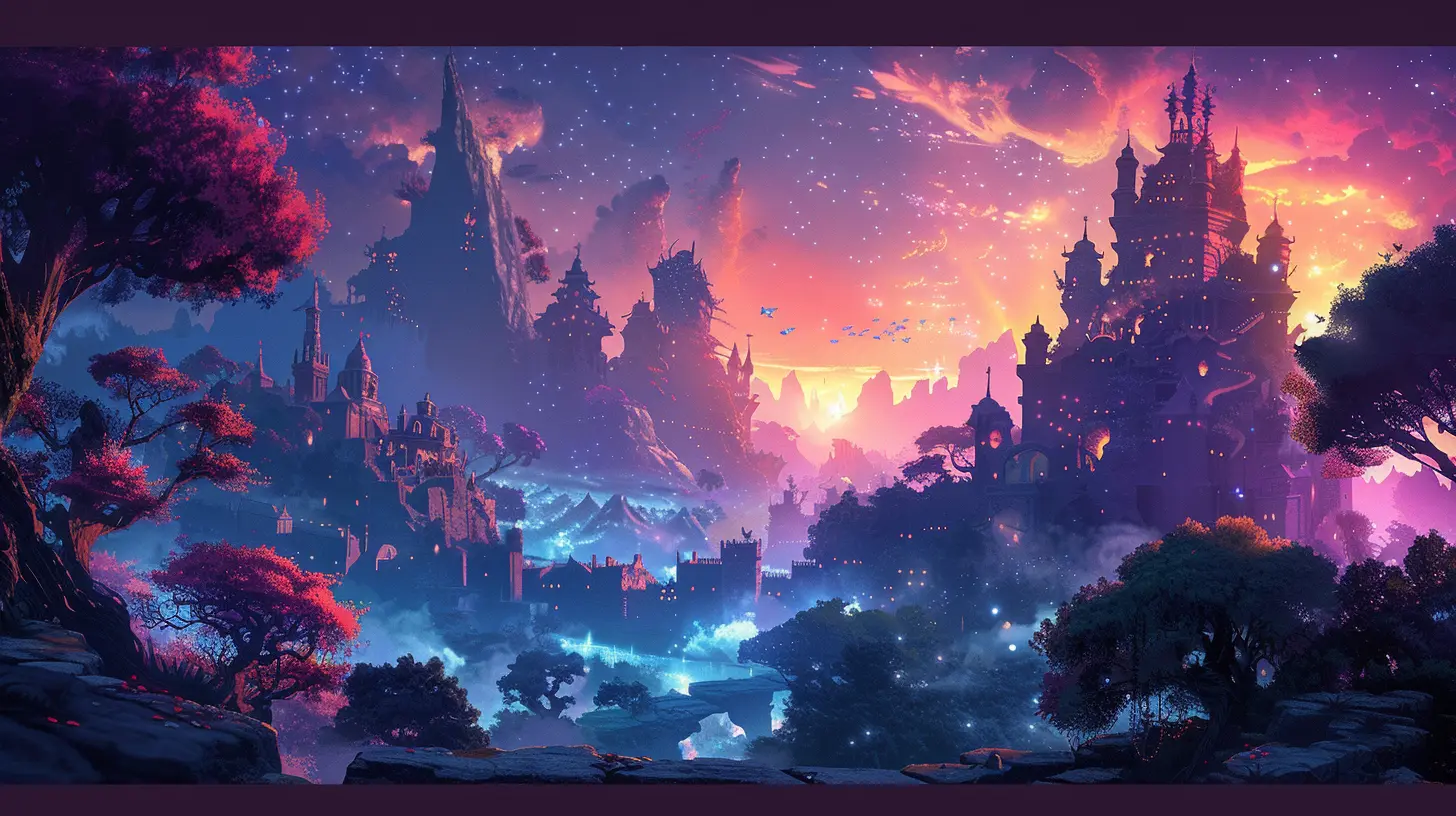
It's Not Just Pixels — It's a Vibe
Here’s the deal — world-building in games isn’t just about pretty graphics or big maps. It’s about vibe. Mood. That je ne sais quoi that grabs your attention and refuses to let go. A good game world feels alive.Remember your first time in Skyrim? The crisp mountain breeze, the eerie howls of wolves nearby, and the gentle soundtrack that made you feel like you were born to yell "Fus Ro Dah"? That’s not an accident. That’s masterful game design — the kind that doesn’t just show you a world but transports you into it.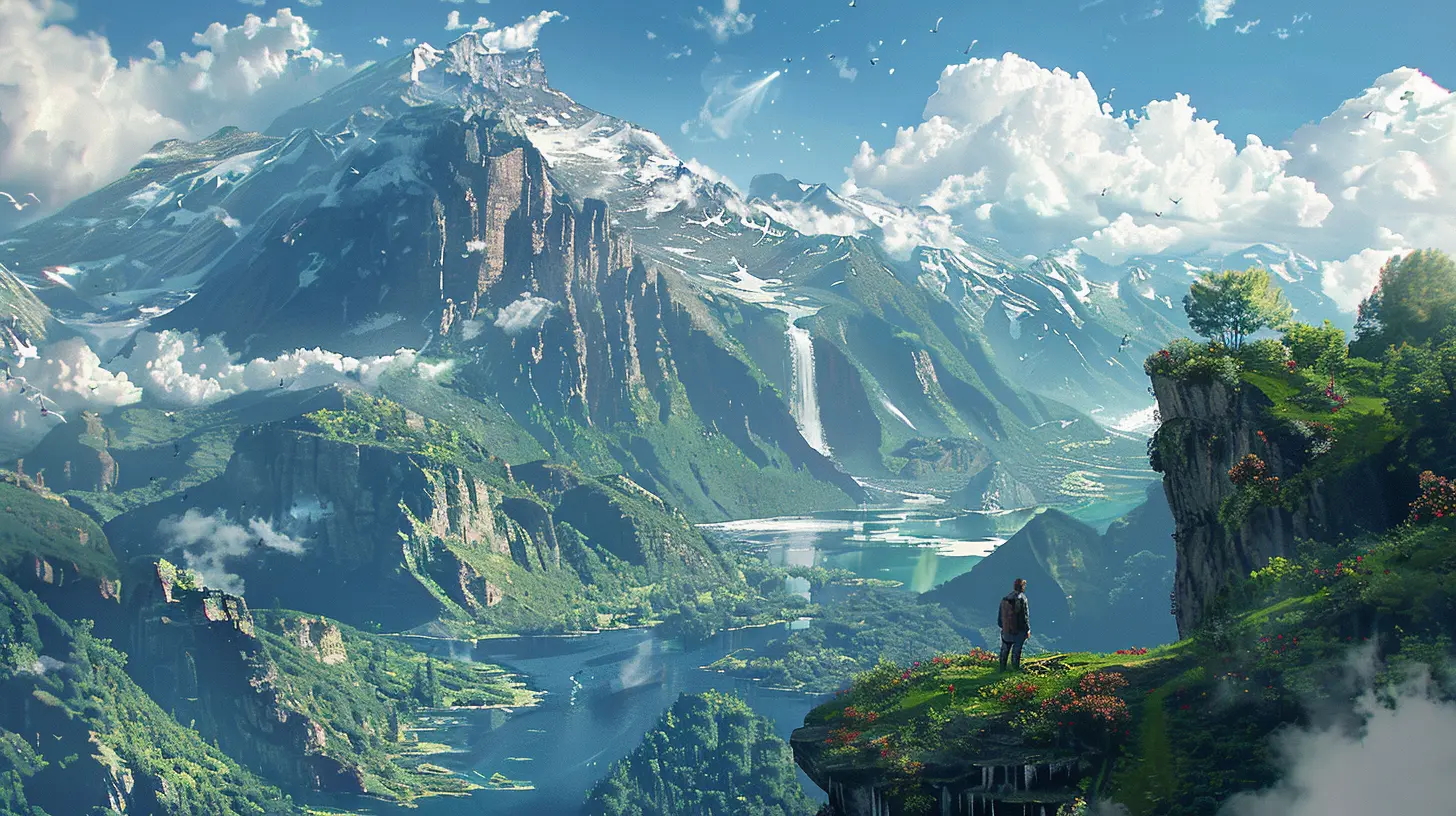
Immersion: The Holy Grail of Gaming
If there's one word we obsess over in the gaming world, it's "immersion." But what does that even mean?Immersion is when you forget you’re holding a controller. It’s when the real world fades and you're suddenly raiding dungeons, solving ancient puzzles, or building your dream farm with pixelated chickens named Cluck Norris.
Game worlds shape this immersive experience by giving you consistent rules, engaging lore, and details that convince your brain this place could actually exist. The more believable the world, the more you’re sucked in. And when you care about the world? Baby, you’re hooked.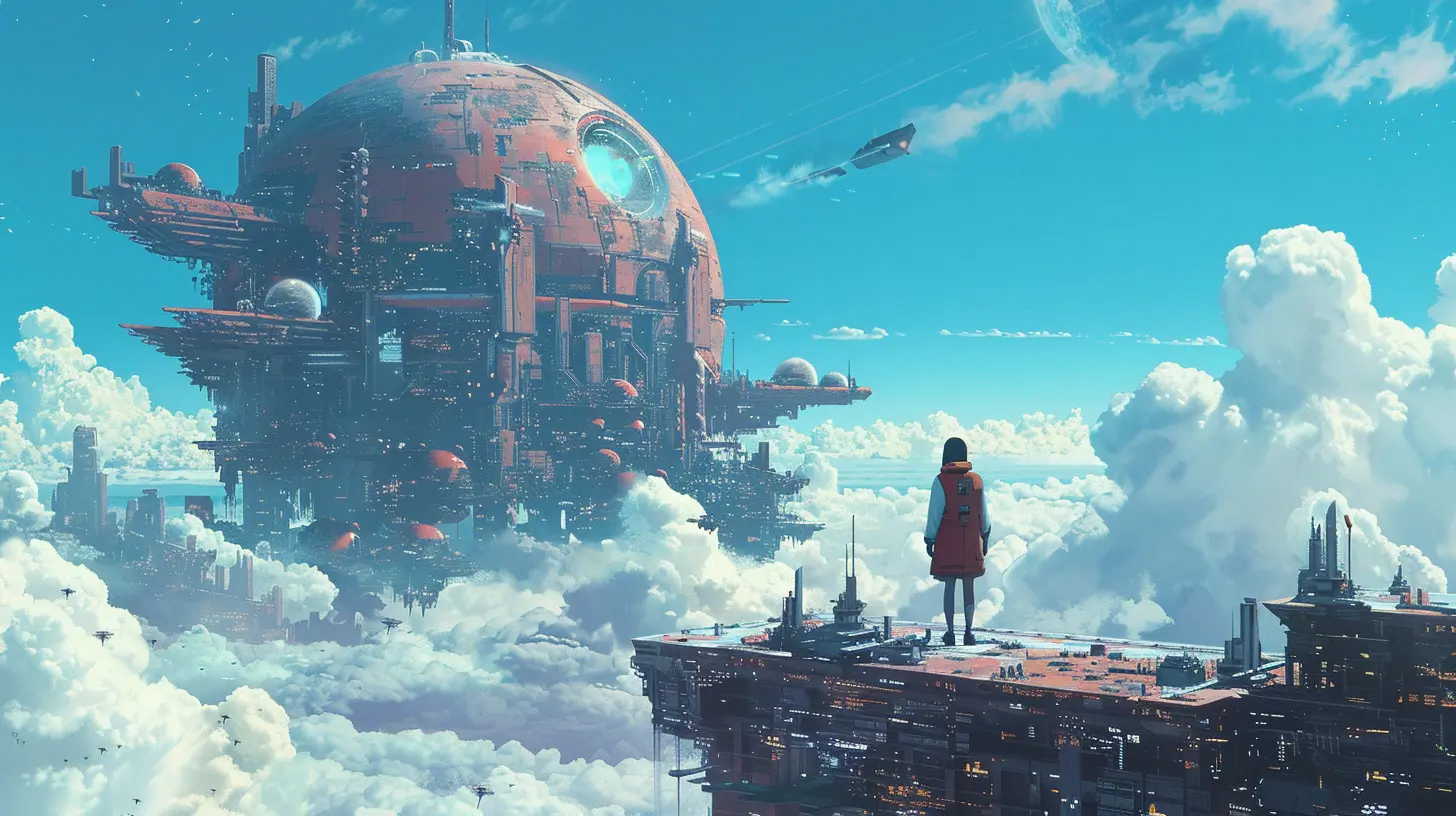
Storytelling Through Environment — Show, Don’t Tell
The best game worlds don’t just tell you a story — they let you discover it.Take The Last of Us, for instance. You don’t need a narrator to tell you civilization is screwed. The abandoned storefronts, the overgrowth reclaiming cities, the silent, haunted playgrounds — they all scream the story without uttering a word.
Game developers use environmental storytelling like breadcrumbs. Each broken window, graffiti scrawl, or bloodstained note tells you something. They trust you to piece it together — and that trust? That's empowering. It pulls you deeper in, makes the world more personal. You’re not just playing a story — you’re living it.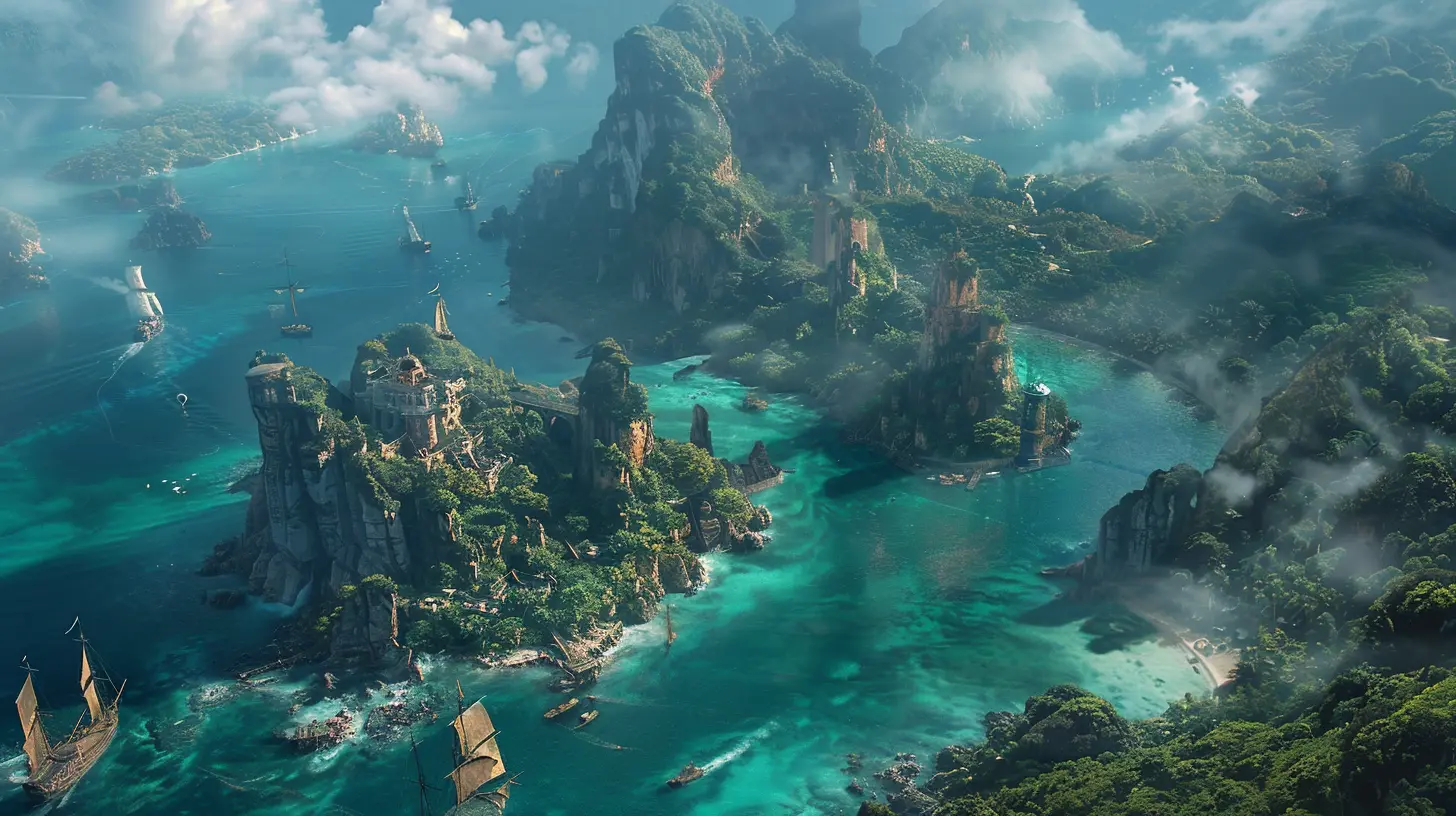
Level Design: The DNA of a Great Game World
Level design isn’t just about giving you a path from point A to point B. Oh no. It's like the DNA of your experience.A cramped, dark corridor in a horror game instantly spikes your anxiety. A wide-open field in a JRPG whispers, “Go on. Roam free. Find secrets.” Level design sets the tone. It can manipulate your emotions better than your ex ever could.
Great games like Bloodborne or Dark Souls crush it here. Their twisted, looping level designs make environments feel like real places with history, not just combat arenas. You feel like an archaeologist unearthing the secrets of a dying world — and you can’t stop.
Soundscapes: The Invisible Hand Guiding Your Feelings
Let’s not sleep on audio. Sound in a game world is like seasoning in food — you don’t always notice it, but without it? Everything tastes (or sounds) bland.Think about the unsettling ambient noises in Resident Evil, or the mellow, peaceful tunes in Stardew Valley. Those soundscapes program your emotional state without you realizing it. They tell you how to feel in any given moment.
A jungle isn’t just trees and vines. It’s the distant call of exotic birds, the buzz of insects, the rustle that might be a predator — or maybe just wind. That invisible layer of reality is what separates good from legendary.
Player Freedom: Let Me Live My Fantasy, Dammit!
Sandbox games like Minecraft, Red Dead Redemption 2, or The Legend of Zelda: Breath of the Wild hand you a bouquet of choices and say, “Go nuts, champ.”This freedom is what makes players emotionally own the game world. You’re not just a tourist — you’re a resident. You forge your story, build your house, tame a horse, or blow up mountains with bombs just for fun. The world adapts to your actions, and that dynamic changes how invested you are.
Player agency makes the game world feel like it’s yours. You don’t follow a script — you write one.
Art Style: More Than Just a Pretty Face
Let’s be honest, not every game needs to look hyper-realistic to be captivating. Sometimes, it’s the art style that really sells a world.Games like Hades, Hollow Knight, and Cuphead prove this point loud and clear. Their unique aesthetics shape how we interpret their worlds, even changing how we feel about gameplay.
A dark, sketchy art design? Spooky vibes activated. Vibrant colors and bold animations? It’s party time, baby. The art style channels emotion, carving out a specific flavor of world that sticks in your memory for years.
Cultural Influences and Real-World Parallels
Let’s geek out for a sec. The best game worlds often take cues from real-life cultures and histories.Think Ghost of Tsushima with its deeply researched samurai-era Japan vibes. Or Assassin’s Creed games, where you’re basically time-traveling while stabbing people in the neck. These cultural touchpoints make the world feel grounded, even if it's fantastical.
They also create emotional familiarity. You spot similarities with your own world — and suddenly, it hits different. You’re not just playing; you’re connecting.
Dynamic Worlds: If It Changes, It Feels Real
A static world? Snooze. A world that evolves as you play? That’s magic.Whether it’s a day-night cycle, weather changes, or NPCs who remember your choices (looking at you, Mass Effect), dynamic worlds respond to your presence, making everything feel alive.
Have you ever visited a town in a game and found it changed after a big quest? That bittersweet feeling? That’s the emotional hit of a dynamic world. Actions have consequences. And that makes your every move meaningful.
Multiplayer Worlds: Community Vibes or Chaos Mode?
MMORPGs, battle royales, and shared open worlds introduce a whole new layer to this conversation.In games like World of Warcraft or Destiny 2, the world isn’t just created by devs — it’s shaped by players. Events happen because someone triggered them. Cities are full of real people emoting wildly, and raids require real teamwork.
The sense of community (or chaos, depending on the crowd) deeply affects your experience. These worlds aren’t just interactive — they’re alive. And that unpredictability? Chef’s kiss.
Emotional Anchors: Building Memories, Not Just Moments
Great game worlds don’t just provide entertainment—they create memories. You remember where you were during your first boss fight. Or the time a dragon crashed your romantic picnic in Skyrim. These aren’t just game moments — they’re emotional anchors tied to digital geography.Isn’t that wild? A fictional world becomes part of your real-life memory bank.
That’s the power of a strong game world. It doesn’t just entertain, it imprints.
The Wrap-Up: Why It All Matters
Game worlds are way more than background scenery. They’re the heartbeat of the experience, the unsung heroes that make everything click. A well-crafted world inspires awe, fuels story, evokes emotion, and gives you reasons to come back.So next time you boot up your favorite game, take a second to appreciate the world around you. Whether it’s the bustling streets of Night City or the tranquil fields of Hyrule, that world is doing heavy lifting to make your experience unforgettable.
And honestly? We’re all better gamers because of it.
all images in this post were generated using AI tools
Category:
Game WorldsAuthor:

Leandro Banks
Discussion
rate this article
1 comments
Rocco Kearns
This article highlights an often overlooked aspect of gaming. The way game worlds are crafted can profoundly influence how we connect with characters and narratives, enriching our overall experience. Great insights!
June 8, 2026 at 4:52 AM
Leandro Banks
Thank you! I'm glad you found the insights valuable. Game worlds truly do play a crucial role in our connections to stories and characters.