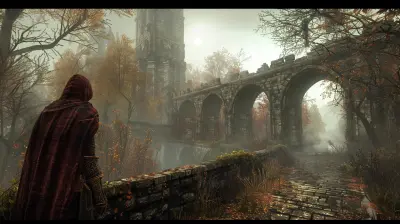
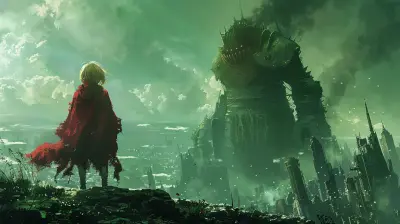
How Geography Impacts Level Design in Open Worlds
4 May 2026
Ever booted up an open-world game and felt like the world was real—like you could almost smell the mountain air or feel the grit of the desert under your boots? That’s not just good graphics. It’s amazing level design, deeply rooted in geography.
Geography isn’t just the backdrop of open-world games; it’s the spine. It lays the groundwork for gameplay, pacing, storytelling, and even how you navigate the world. So, let’s take a deep dive into how geography makes open-world games tick and why it has such a massive role in shaping your in-game adventures.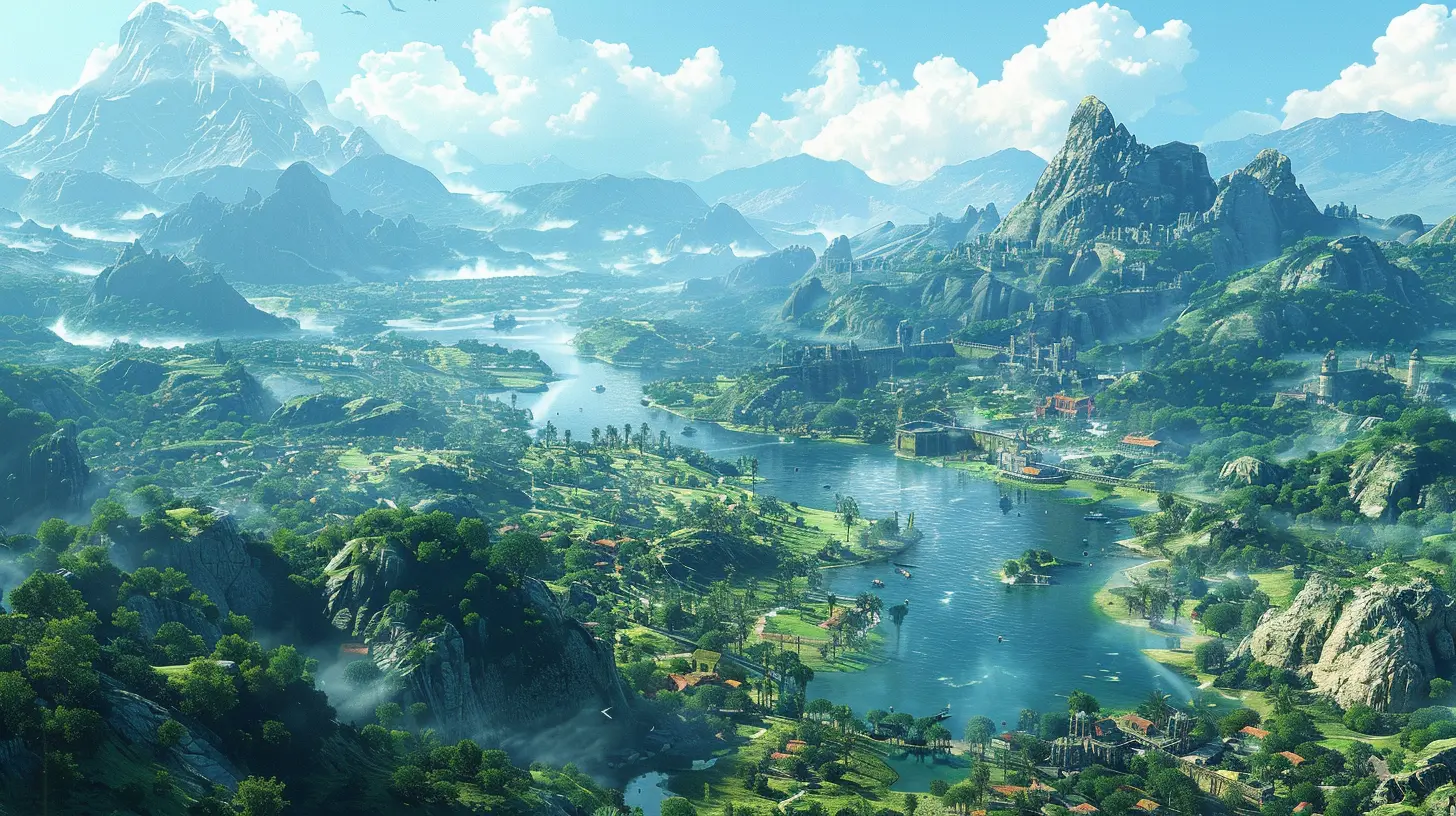
Why Geography Matters More Than You Think
Let’s face it—without good geography, an open-world game can feel flat and soulless. You can have flashy mechanics and top-tier graphics, but if the world doesn’t make sense, it won’t stick with players.Geography is what breathes life into the world. It influences where cities grow, how weather behaves, where enemies lurk, and how missions unfold. It’s the invisible hand that guides the player’s journey.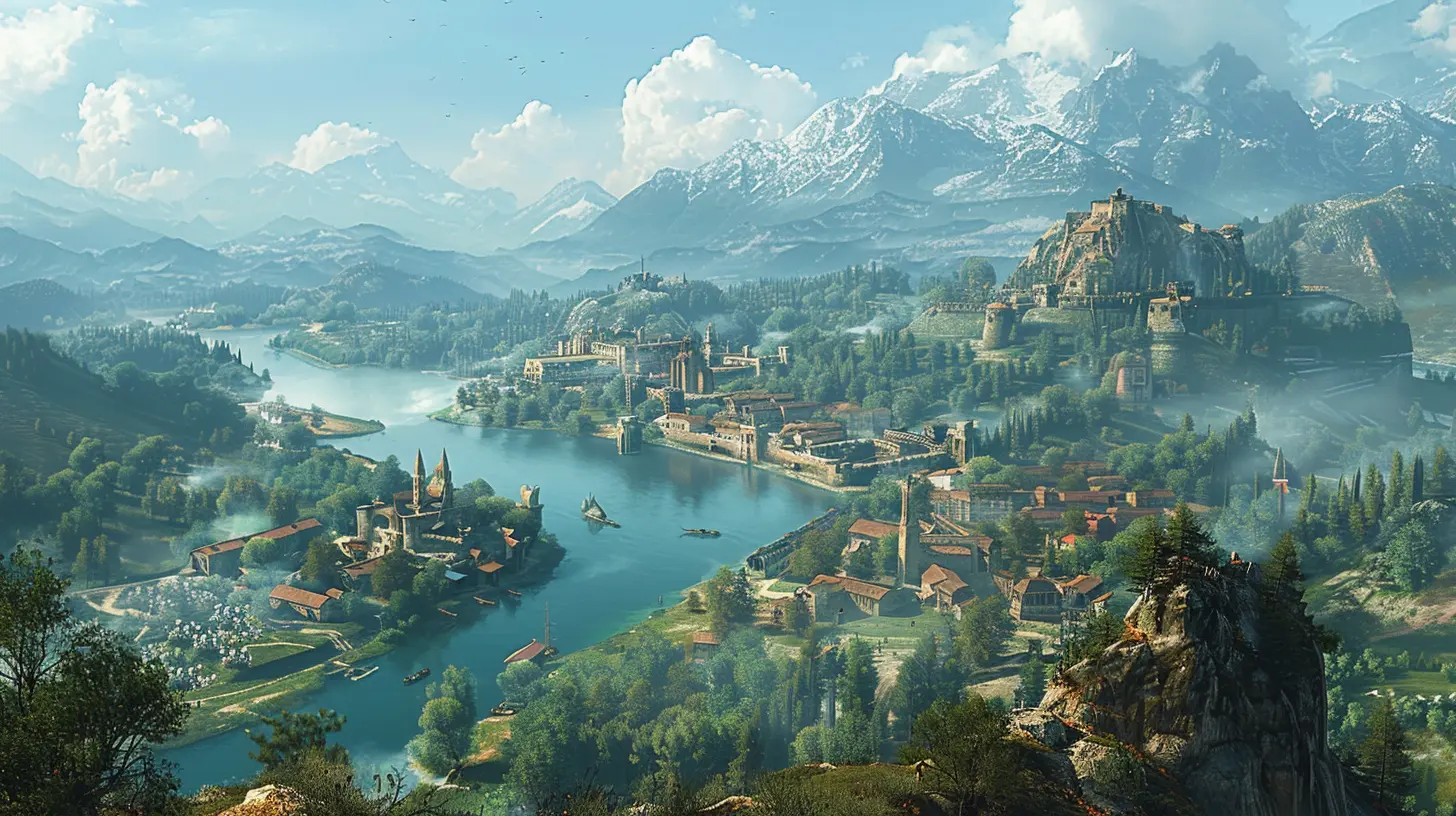
Real World vs. Game World: The Fine Balance
Game designers walk a tightrope between realism and fun. Too realistic, and it becomes a walking simulator (no offense, walking simulators). Too game-y, and the world starts to feel artificial.Take a look at games like Red Dead Redemption 2 or The Elder Scrolls V: Skyrim. These games pull inspiration from real-world geography—mountains, lakes, biomes—but rearrange them just enough to make the world both believable and enjoyable to explore.
Think about it like a theme park. Everything feels natural, but it’s all meticulously designed to guide you from one attraction (or quest) to another. Same thing in open-world video games.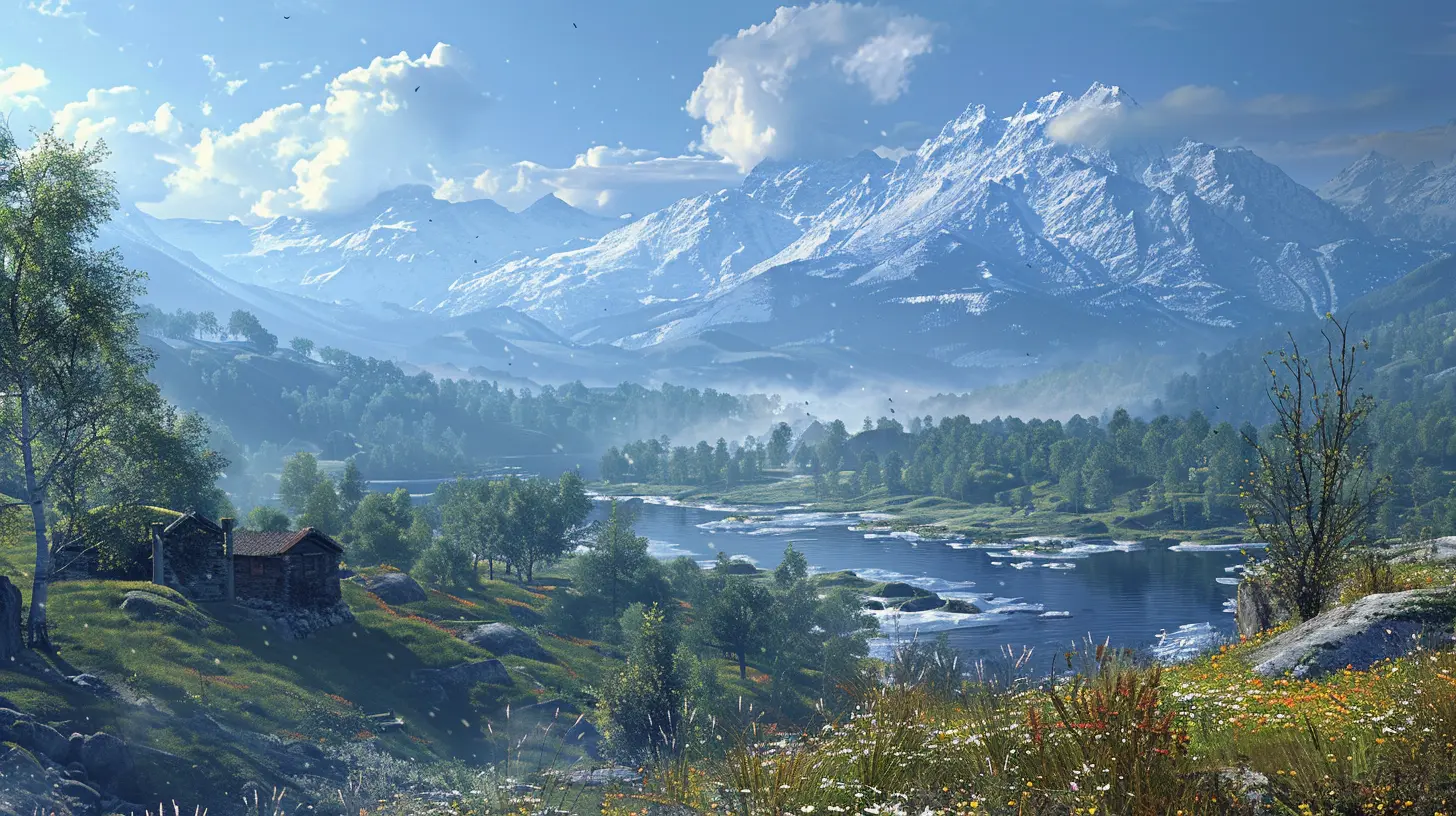
Terrain and Topography: Sculpting the Player’s Journey
Mountains, rivers, valleys, cliffs—all the changes in elevation and layout—these shape how you move through space. Designers use geography to subtly push and pull players toward objectives without throwing up invisible walls.Mountains: Nature’s Natural Barriers
Mountains often mark the edge of the map or divide regions. In Skyrim, for example, mountains separate holds, creating natural borders. They also act as choke points, guiding players through paths or caves.Plus, mountains can provide epic vantage points. Ever climbed a peak in a game just for the view? That’s geography working its magic.
Rivers and Waterways: Highways and Hazards
Rivers can be both lifelines and obstacles. In many games, rivers indicate fertile, populated areas. But they’re also annoying to cross if there’s no bridge nearby, forcing players to find alternative routes or even building in swimming mechanics.Look at The Witcher 3. Rivers and lakes are sprinkled all over the map, shaping towns’ locations and influencing quests. They make the world feel lived-in and real.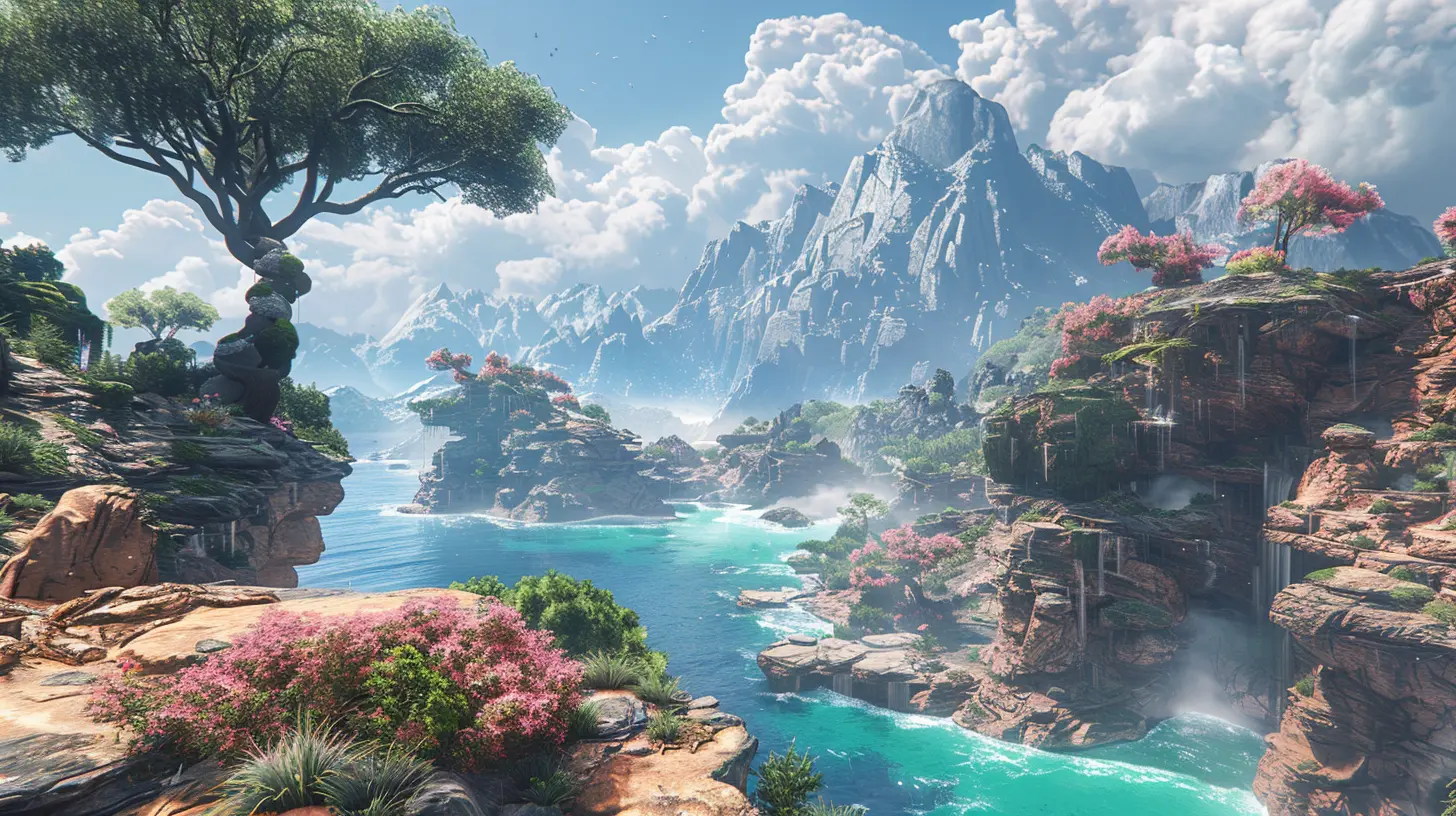
Climate and Biomes: Variety Is the Spice of Exploration
Having different climates isn’t just about making the landscape look cool. It impacts gameplay, mood, and immersion.Snowy Peaks to Lush Jungles
In Horizon Zero Dawn, the geography shifts from desert to forest to snowy tundra, each with unique challenges. You fight different machines, use different tactics, and adapt to new threats depending on where you are.Changing biomes also break up monotony. Run through the same grassy field for hours, and even the best game starts to feel dull. A sudden shift to a dense jungle or a frosty mountain? Instantly refreshing.
Weather and Seasons: Dynamic Geography
Games like Breath of the Wild or Red Dead Redemption 2 use dynamic weather to enhance immersion. Rain makes climbing harder. Snow slows movement. Fog reduces visibility. These elements affect your decisions in real time.Seasons change everything. In Assassin’s Creed Valhalla, the same region can look and feel completely different between winter and summer, impacting gameplay and how you interact with the world.
Urban Planning: Cities Rooted in Geography
Cities in open-world games aren’t placed randomly on maps (well, the good ones aren’t). Designers think like ancient civilizations—they build near water, on flat land, at crossroads, or defensible locations.Why Cities Make Sense Where They Are
In Fallout: New Vegas, for example, cities match the old American West’s geography. Trade routes, water sources, and terrain influence where settlements pop up. That makes traveling from one town to another feel believable and strategic.Let’s be real—if you stumbled on a big city stuck in the middle of a barren desert with no water or roads, you’d call that out in a heartbeat.
Natural Landmarks: Memory Triggers and Orientation Tools
Ever been lost in an open-world game, then spotted a massive tower or cliff in the distance and thought, “Ah, I know where I am now”? That’s intentional.Landmarks Guide Exploration
Landmarks like volcanoes, giant trees, or ancient ruins help players orient themselves. They serve as visual anchors. Smart geography places these landmarks in sightlines to assist navigation without needing to open the map every five steps.Games like Elden Ring are masters of this. The glowing Erdtree towers over everything, telling you where the center of the world is. You always know where you stand in relation to it.
Geography Influences Storytelling
Here’s where it gets deep. Geography can actually tell a story without a single word of dialogue.Terrain as Lore
In The Legend of Zelda: Breath of the Wild, you can stumble upon ruined towns, burnt fields, or dried-up rivers—clues to past events. The geography itself tells you about the war, the destruction, the passage of time.It’s like environmental storytelling 101. The world talks to you—you just have to look.
Enemy Placement Based on Geography
Ever notice how stronger enemies tend to live in more remote or dangerous areas? That’s intentional too.Difficulty Scaling Through Geography
Game developers use geography to create natural difficulty curves. Wander too far into the deep forest or high mountains, and suddenly you’re facing monsters way above your level. It's their way of gently whispering, "You're not ready yet... but come back later."This design makes the world feel alive and dangerous, and it adds a real sense of progression as you level up and return to those earlier “no-go zones” with a vengeance.
Fast Travel and Pathfinding: Geography Sets the Rules
Without well-designed geography, moving through massive open worlds would be a total chore.Smart World Layout Prevents Boredom
Designers place key locations based on geography to ensure that travel feels purposeful. You’re always passing something interesting, whether it's a camp, a cave, or a pack of wolves.Fast travel points are often connected by natural landmarks or roads. That way, even if you teleport, it still feels grounded in the world’s logic.
How Geography Enhances Emergent Gameplay
You’ve heard of those crazy moments in open-world games—luring a bear into a bandit camp, or using high ground for sniper shots. These moments often stem from geography.The Sandbox Element
When developers build varied, believable terrains, players naturally use the environment in creative ways. Hills become launch pads. Rivers become traps. Forests become hiding spots.That’s the beauty of emergent gameplay. Geography gives you tools. What you do with them is up to you.
Examples of Geography-Driven Games (They Nailed It)
Wanna see these concepts in action? Here are a few games that use geography like pros:- Red Dead Redemption 2 – Every town, creek, and mountain is placed for a reason.
- Breath of the Wild – Geography literally drives everything: stamina, weather, combat, and exploration.
- The Witcher 3 – Stunning examples of how rivers, roads, and elevation guide your journey.
- Ghost of Tsushima – Uses wind and natural cues tied to the terrain for navigation.
- Skyrim – A masterclass in using rugged terrain and biomes to shape the lore and gameplay.
Final Thoughts: Geography Is the Silent Hero of Level Design
So next time you're knee-deep in a swamp or scaling a snowy ridge in your favorite open-world game, take a moment to appreciate it. That terrain isn’t just there to look pretty—it’s steering your journey, shaping the story, and making everything feel that much more real.Geography is the silent hero of level design. It’s the difference between a forgettable map and a world that lives in your memory long after the credits roll.
Now go climb that mountain. Who knows what’s waiting on the other side?
all images in this post were generated using AI tools
Category:
Game WorldsAuthor:

Leandro Banks
Discussion
rate this article
2 comments
Gabrielle Chapman
Geography shapes immersion and gameplay flow.
May 28, 2026 at 3:26 PM
Skye Montgomery
Great article! It's fascinating how geography shapes game worlds, making each adventure unique. Can't wait to see how future games use landscapes to create even more immersive and engaging experiences. Keep up the awesome insights!
May 14, 2026 at 3:01 AM
Leandro Banks
Thanks for the kind words! I completely agree-geography really does bring a unique flavor to each game. Excited to see how developers push those boundaries in the future!