How Lighting Transforms a Game World
17 August 2026
Lighting isn't just about seeing where you're going in a game. It's so much bigger than that. It’s the mood-setter, the storyteller, the hidden artist that breathes life into virtual environments. Without lighting, even the most graphically stunning game would feel… flat. Lifeless. Like a movie shot without a single spotlight.
So, how does lighting really shape and transform a game world? Buckle up, because this is where art, science, and emotion collide in the most epic way.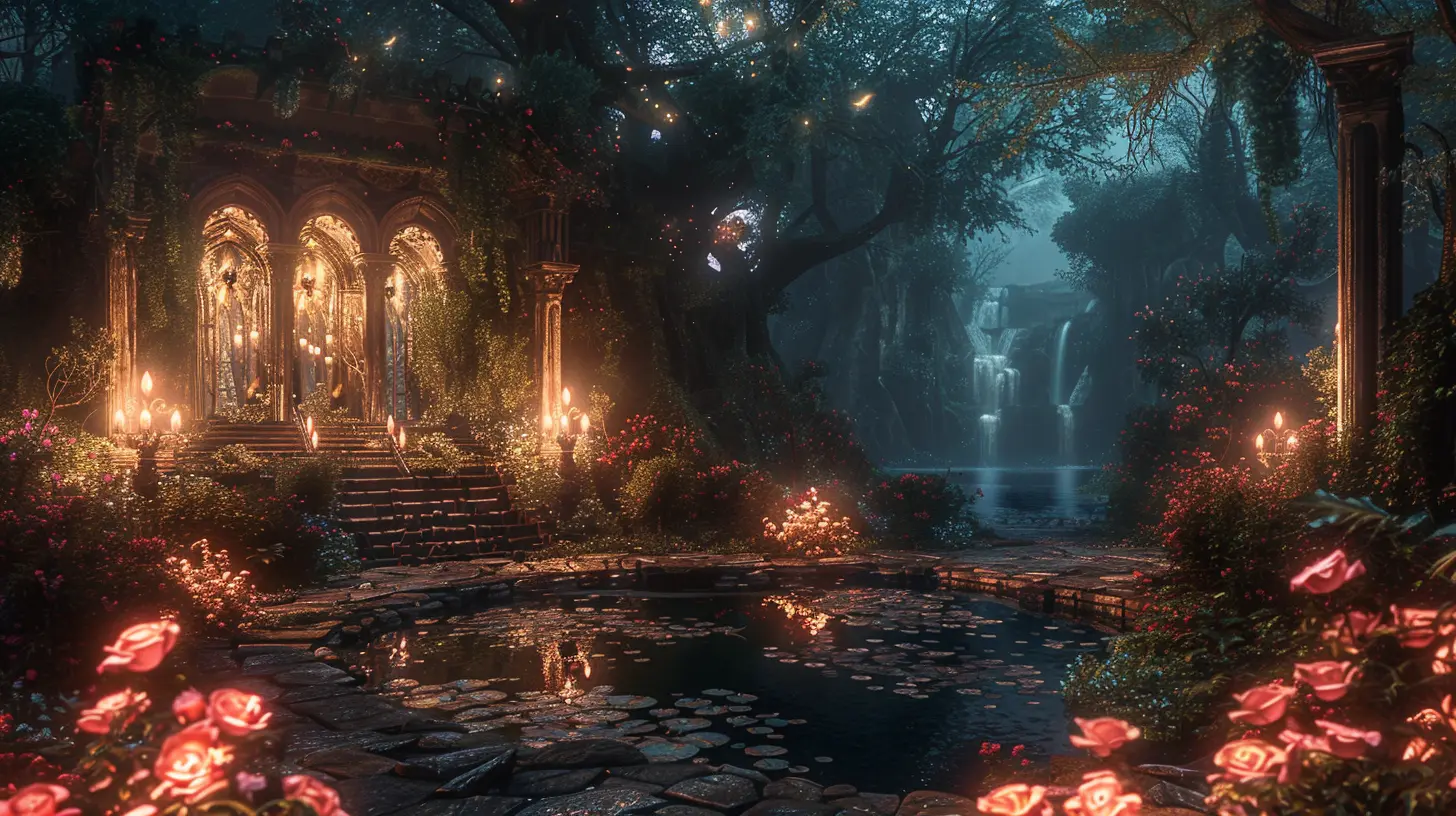
The Silent Hero of Immersion
Let’s start with the obvious: lighting is a powerhouse when it comes to immersion.Ever played a horror game where your flashlight was your only sense of security? Or walked through a sun-drenched forest in an RPG and felt calm and peaceful? That’s lighting doing its magic. It's not blasting you with flashy effects—it’s guiding your feelings without you even noticing.
Lighting sets the emotional tone. Warm shades make scenes feel cozy or nostalgic. Cold, blue hues make things feel alien or isolating. And that stark red glow? Instant danger vibes.
Honestly, lighting is like the background soundtrack… but with visuals.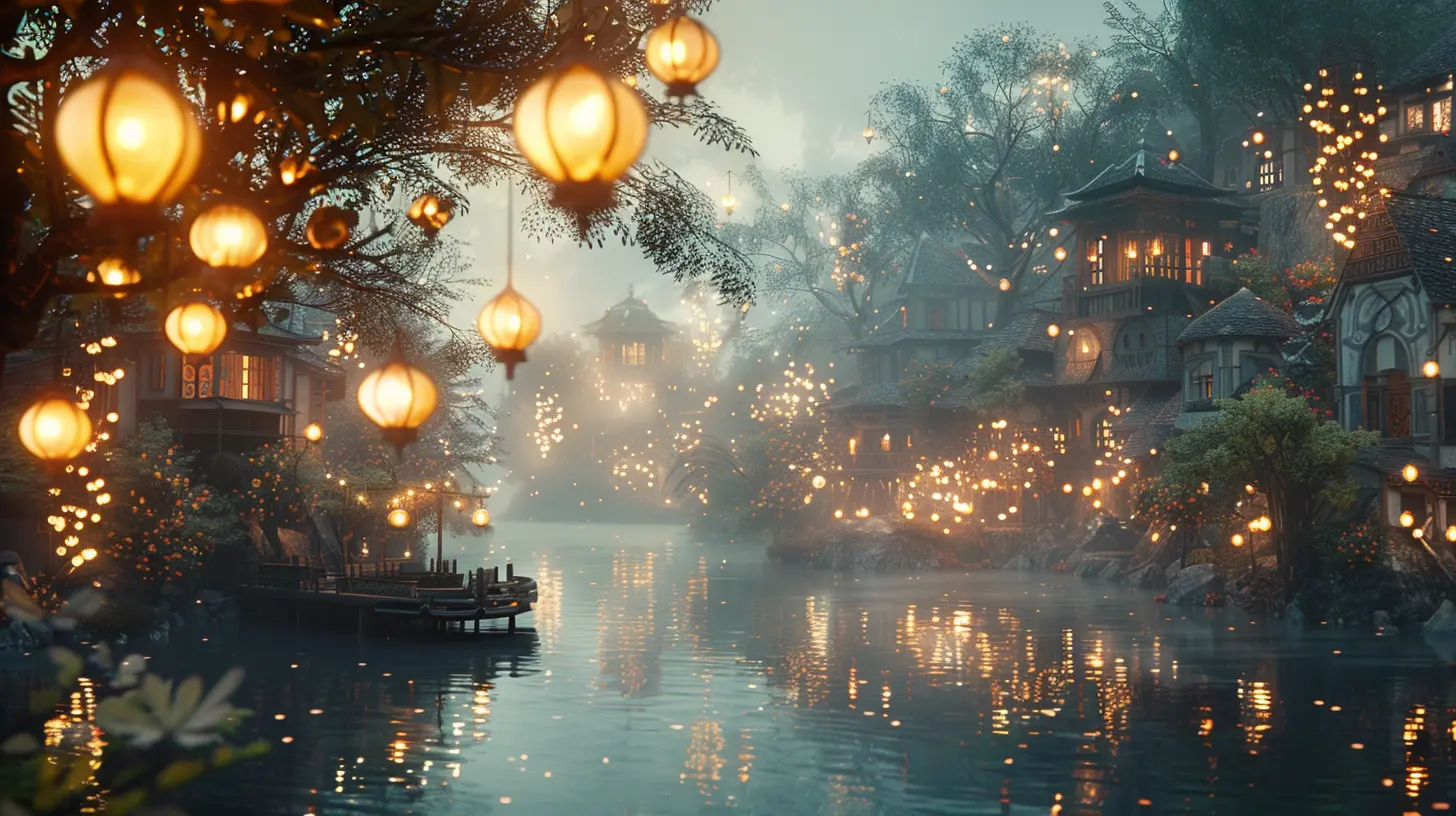
Realism vs. Stylization
Here’s something to chew on: not every game needs super realistic lighting. But every great game uses lighting intentionally.Realistic Lighting
Games like The Last of Us Part II or Red Dead Redemption 2 go all-in on photorealism. In these worlds, lighting mimics real-world physics—bouncing off surfaces, scattering through fog, shifting with time.Why? Because it makes the game world feel real. You believe in it.
Dynamic lighting systems in these games simulate time of day, weather, shadows… It’s not just eye candy. It helps tell the story. A sunrise over a war-torn landscape hits different, right?
Stylized Lighting
On the flip side, look at something like Hades or Zelda: Breath of the Wild. The lighting here isn’t about realism—it’s about art direction. Bold colors, dramatic contrasts, and exaggerated lighting effects build a mood that's unique to that game universe.So whether it’s realism or stylization, great lighting always fits the vibe.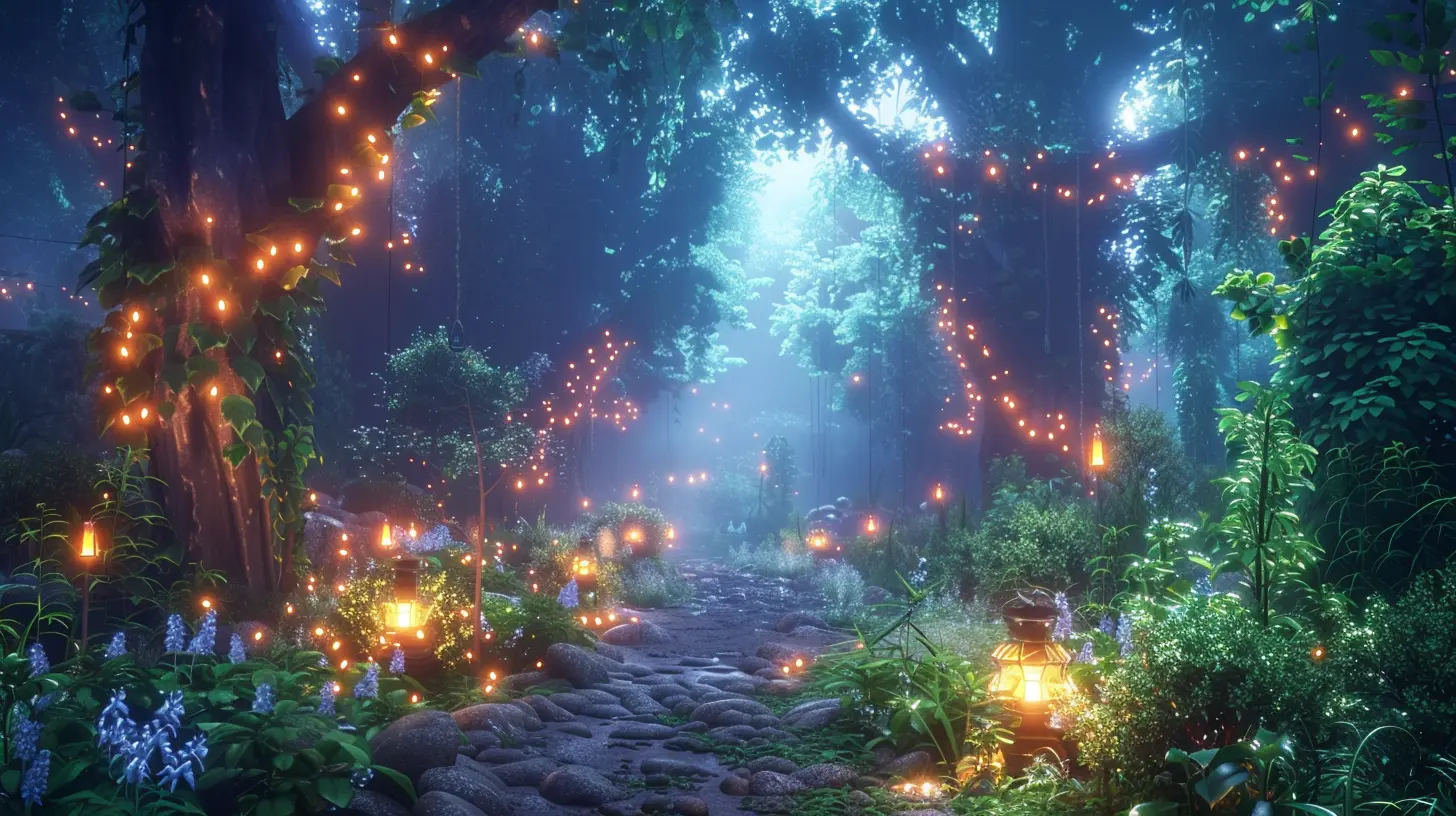
Light As A Game Mechanic? You Bet.
Let’s talk mechanics.Lighting isn’t just for show—it can be a core gameplay element. Think of games like Alan Wake, where light literally hurts enemies. Or stealth games like Splinter Cell, where shadows and light define whether you’re seen or not.
Even puzzles often involve light in smart ways. Reflecting beams with mirrors, manipulating shadows, or using colors to reveal secrets? Absolutely genius.
Light becomes more than decoration—it becomes interaction.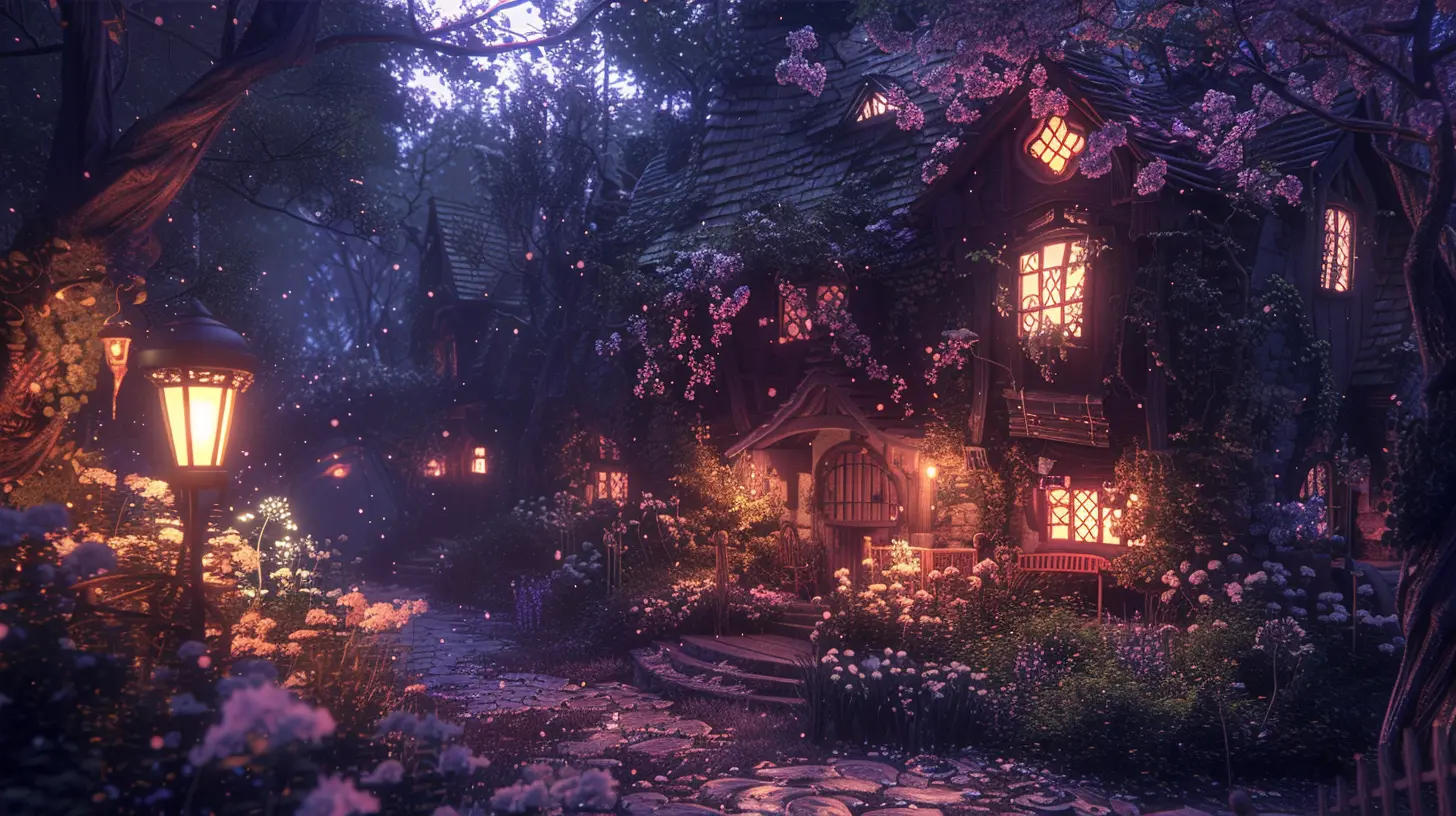
Creating Tension and Fear
You can’t talk lighting without diving into horror games. They’ve absolutely mastered this dark art (pun intended).Layers of Darkness
In games like Amnesia or Outlast, lighting is your guide and your enemy. You crave light—but you also fear what might be revealed. That constant tension? It’s crafted with shadows, flickering bulbs, and the eerie glow of a flashlight.Ever thought about how terrifying a hallway can be when only half of it is lit? It plays with your imagination. What’s lurking just out of sight?
Flickers and Flashbacks
Sudden flashes, whether from lightning or a dying light bulb, build shock value. The rhythm of the light affects your heart rate. It’s visual storytelling with a heartbeat—and it’s scary how well it works.Day and Night Cycles: Telling Time with Light
Some games let you watch the world spin around you, literally. A full day-night cycle doesn't just look cool—it changes everything.In open-world games like Minecraft, Ark, or Elden Ring, light progression changes how you play. Maybe monsters come out at night. Maybe NPCs go home to bed. The whole vibe shifts.
Sunlight streaming through trees in the morning feels hopeful. That same forest at night? Suddenly, it’s mysterious… or downright menacing.
It’s not just about visuals—it’s environmental storytelling at its best.
Lighting for Narrative Impact
Lighting tells a story even when no dialogue is spoken.Foreshadowing Events
A flickering light at the end of a corridor? Yep, something’s gonna go down. A red glow leaking from under a door? You know stepping through is a terrible idea—and yet you do it anyway.Game devs use lighting to foreshadow plot twists, build suspense, or signal climactic moments. It’s like visual foreshadowing—you feel it in your gut before your brain catches up.
Emotional Storytelling
Bright, overexposed light during a memory sequence? It's symbolic. Maybe it's a flashback, a dream, or a spiritual moment. Soft lighting in cut scenes? Often used to show intimacy or serenity.Every beam of light can carry emotional weight when used right.
The Technical Side: Light Isn’t Easy
Okay, here's where things get nerdy—in a cool way.Creating realistic lighting isn’t just slapping a lamp into a 3D scene. It’s highly technical and performance-intensive.
Global Illumination
Ever heard of Global Illumination (GI)? It’s a fancy way of saying light bounces off one surface and onto another, just like in real life. Games like Cyberpunk 2077 and Metro Exodus show this off beautifully.Ray Tracing
Now throw ray tracing into the mix—an advanced lighting technique that traces the path of light rays in real-time. It simulates reflections, shadows, and more with crazy accuracy. It’s basically a lighting revolution.But hey, it eats performance for breakfast. That’s why it’s often used in high-end systems or optional settings.
Light Baking
On the other end, some devs pre-calculate lighting and "bake" it into scenes. It doesn't change dynamically but is much easier on performance. It’s all about balance: beauty vs. speed.Lighting Art Direction: Telling a Game’s Visual Tale
When you think of a game’s look, lighting is everything. A consistent lighting style becomes part of the game’s identity.Think of Control—how its lighting reinforced the surreal, twisted vibe. Or Dark Souls, where muted lighting builds an oppressive, decaying world. You could show someone a screenshot of these games and they’d instantly recognize them.
Light shapes the personality of a game world.
Multiplayer and Competitive Games: Lights Shape Strategy
Lighting in multiplayer games? It's not all cosmetics.In games like Valorant or Rainbow Six Siege, shadows and lighting influence sightlines, hiding spots, and movement patterns. A brightly lit area might force players into unsafe routes, while shadows offer sneaky cover.
Map designers use lighting to subtly control player behavior. It’s like psychological warfare... with spotlights.
Artistic Tricks: What You Don’t See Matters
Great lighting isn’t always about what you do see—it’s about what you don’t.Game developers often cheat. They place invisible lights to highlight paths or characters. They darken areas they don’t want players exploring. They use color shifts to funnel you toward objectives.
It’s manipulation, sure. But it works like a charm.
You’re being guided, constantly—and you don’t even know it.
Light and VR: A Whole New Level of Realism
Virtual Reality takes lighting to another level. The more immersive the experience, the more crucial lighting becomes.Bad lighting in VR can ruin the illusion. It can even make players feel sick or disoriented. But when done right? It’s breathtaking.
In VR, lighting doesn’t just look good—it feels real. The way light bounces off your virtual hands or glimmers in your peripheral vision? It’s what makes VR worlds feel alive.
A Canvas of Emotions
At the end of the day, lighting is the emotional brushstroke in game design. It paints fear, joy, awe, tension, peace—without saying a single word.It's the reason a sunset in Ghost of Tsushima can make you pause and just breathe it in. It's why a flickering hallway light in Resident Evil can make you want to turn off the game.
Lighting is a sculptor of space, a guide for our focus, and a conductor of mood.
What This Means for Game Developers
If you’re a dev—or an aspiring one—never underestimate lighting. It’s not something you tack on at the end. It’s part of your narrative, your level design, and your overall vision.Learn the tools. Experiment with contrast, color theory, and light placement. And most importantly, use lighting to evoke feelings. Because great lighting doesn’t just look cool.
It feels unforgettable.
Final Thoughts
So yeah, lighting isn’t just a feature—it’s a force. It shapes every corner of the game world, both physically and emotionally. It's the unsung hero that transforms a flat stage into a living, breathing universe.Next time you boot up your favorite game, take a second to just… look. Where’s the light coming from? What’s it telling you? And how does it make you feel?
You’ll never look at shadows the same way again.
all images in this post were generated using AI tools
Category:
Game WorldsAuthor:

Leandro Banks