How to Avoid Burnout in Long Campaigns
11 April 2026
If you've ever played a long tabletop RPG or a campaign-heavy video game, you probably know this feeling: the excitement is sky-high in the beginning. You're fully invested, pumped up, and your creativity's on fire. Then, weeks—or months—go by, and suddenly the spark starts to fade. Sessions feel like a chore. Tasks feel repetitive. Your brain says, "Let’s play," but your heart mutters, “Meh…”
That, my friend, is burnout. And it can hit any gamer, storyteller, or game master like a crit to the soul.
But don't worry—you're not alone, and you're not doomed to abandon every epic storyline halfway through. In this guide, we’ll sit down like two old friends over a cup of coffee and have a real talk about how to avoid burnout in long campaigns—whether you're the Dungeon Master, the player, or just someone trying to keep the fun alive over the long haul.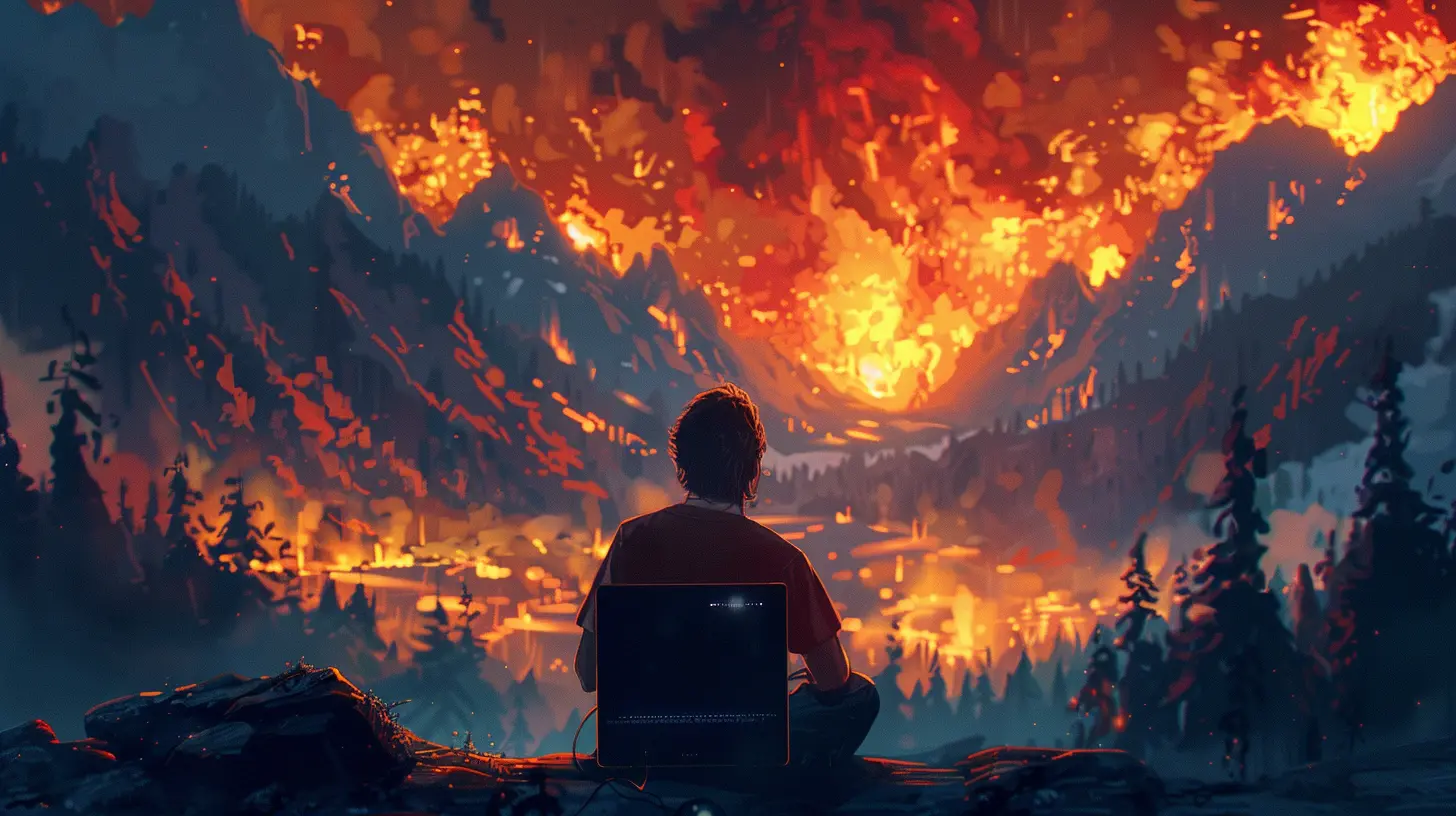
What Causes Burnout in Long Campaigns?
Before we dive into fixes, let's talk about the root of the problem. Burnout isn’t just about being tired. It’s physical, emotional, and mental exhaustion caused by prolonged stress or overcommitment.In gaming, especially campaigns that stretch out over months (or even years), burnout can come from:
- Overplanning: GMs putting endless hours into lore, maps, and NPCs.
- Under-engagement: Players not feeling emotionally connected to their character or the story.
- Repetition: Doing the same kind of encounters or missions week after week.
- Real-life stress: Let’s be real—sometimes life gets in the way, and your brain doesn’t want to juggle fantasy plots after a hard workday.
Sound familiar?
Good. Now let’s tackle these issues, one fireball at a time.
1. Set Realistic Expectations from the Start
Ever heard the saying, “Aim for the stars, land on the moon”?Great advice for motivational posters—not so great for game campaigns.
When you start a new campaign with the expectation that it’s going to span two years, have 100 sessions, and end in a cinematic clash of gods, you’re setting yourself up for exhaustion.
Instead, start small.
Try This:
- Plan short arcs: Maybe just 5–7 sessions to start.- Tie up mini storylines early. It feels good to check off a “win.”
- Celebrate small victories to keep morale high.
You can always extend the campaign later if everyone's still loving it.
2. Don’t Be Afraid to Take Breaks
Burnout often creeps in because we feel like we have to keep going. Every week. No break. Rain or shine. Everyone's counting on you, right?Wrong.
Everybody needs downtime—even dragons take naps.
Here's the deal:
- Build in break weeks ahead of time. Use them as maintenance time.- If you’re a GM, rotate in one-shots or let someone else run a session.
- If you're a player, use the off-time to explore your character's backstory or relax entirely.
A short pause can recharge everyone’s batteries and make the return that much sweeter.
3. Mix Up the Pace and Content
Even the best stories can feel stale if everything plays out the same way every time. Long dungeon crawls? Combat-heavy sessions? Repetitive fetch quests?Yeah, that'll fry your brain faster than a mimic eating a bard.
Spice It Up:
- Alternate between combat-heavy and roleplay-focused sessions.- Introduce unexpected events—maybe a character’s dark secret comes to light, or a villain turns out to be an unlikely ally.
- Throw in non-combat challenges: puzzles, moral dilemmas, or unique social encounters.
Think of your campaign like a playlist—slow songs, hype tracks, and the occasional unexpected banger.
4. Encourage Player Investment
When players are emotionally tied to plotlines, characters, and outcomes, they’ll carry some of the narrative weight. And when that happens, the campaign feels less like a burden on one person and more like a group project (a fun one, not the kind you hated in school).What You Can Do:
- Let players create parts of the world. Maybe one of them comes from a city you’ve never described before.- Allow backstory arcs to influence main plot threads.
- Give players real choices—not just illusion-of-choice moments.
When everyone feels like a co-author, they’re more likely to stay engaged—and less likely to ghost the group.
5. Use Tools and Resources to Lighten the Load
Imagine trying to build a house with just a hammer. Sure, it’s possible—but why suffer when you could have power tools?Likewise, long campaigns don’t need to be entirely homebrewed or manually managed. There are tons of tools that can save time and mental effort.
Try:
- Campaign Management Tools: Notion, World Anvil, Obsidian- Map Generators: Inkarnate, Dungeon Scrawl
- NPC Generators: Use AI tools or websites to come up with characters on the fly.
- Session Notes Templates: So you’re not rewriting the same five things every week.
Working smart means you have more energy to focus on creativity instead of logistics.
6. Share the Spotlight
If you're always the one driving the game (especially as GM), it’s easy to feel drained. Sometimes, the fix is simple: let other people drive for a bit.Here’s how:
- Let each player run a flashback session. You take a seat while they tell a story from their character’s past.- Do a guest GM week where someone else helms a one-shot.
- Include player-led side quests where they guide the group toward a personal goal.
Teaching others how to contribute storytelling elements also strengthens group bonds—and gives you a much-deserved breather.
7. Keep Communication Open
Sounds simple, but it’s often overlooked. People burn out in silence because they don’t want to let others down.But guess what?
Everyone in your group would probably prefer you hit pause or change things up than watch you become a husk of your former enthusiastic self.
What You Can Do:
- Run check-ins every few sessions. Ask: "Is everyone still having fun? Anything feeling stale?"- Create a group chat or feedback form where people can express concerns without pressure.
- Be honest. Burnout isn't failure—it’s feedback from your brain that it needs change.
By keeping that communication flowing, you can prevent issues before they mushroom.
8. Have an Exit Strategy
No, not because the campaign WILL fail—but just in case it needs to end, it shouldn't crash and burn.Make it graceful:
- Wrap things up with a final session or epilogue.- Leave the story open-ended so you can revisit it later.
- Allow characters to ride off into the sunset (or the Nine Hells) in style.
Knowing there’s a respectful endgame relieves pressure. Even the best shows have finales. The goal isn’t to keep going forever—it’s to finish well.
9. Embrace Change Mid-Campaign
This one’s tough, but important. If something isn’t working, you don’t have to stick with it “just because that’s how we started.”Pivot if needed:
- Change the campaign tone. Maybe it started serious—add some humor.- Shift the setting. Move the party from land to sea, or from a city to a haunted forest.
- Jump timelines. Leap forward six months. Flashback 20 years. The world is yours to bend.
Campaigns aren’t static novels—they’re living stories. Treat them that way.
10. Remember: It’s Supposed to Be Fun
Sometimes, the best way to fix burnout is to step back and ask: Wait, why did I start this in the first place?Chances are, it was for fun. For friendship. For epic moments, dice-rolling laughs, and shared imagination.
If it’s stopped being fun, it’s okay to change pace, shift gears, or even end with grace. But always check in with that inner gamer inside you—the one that lights up at the thought of a dragon hoard or a clever dialogue check.
Because when you’re having fun? Everyone around the table feels it too.
Final Thoughts
Burnout in long campaigns is more common than most gamers admit. But it’s not a dealbreaker. With the right mindset, a flexible approach, and a team that values enjoyment over perfection, you can keep the magic alive for the long haul.So whether you’re plotting your next arc, rolling a new character, or just trying to hit session 12 without collapsing—know that you're doing great.
Your campaign doesn’t have to be legendary to be memorable. Sometimes, just showing up and sharing laughs is more heroic than slaying the big bad.
Now, go forth and roll with joy.
all images in this post were generated using AI tools
Category:
Game GuidesAuthor:

Leandro Banks
Discussion
rate this article
2 comments
Jett McIlroy
Stop glorifying endless grinding! Embrace breaks and set realistic goals instead. Gaming is meant to be fun, not a chore. Prioritize enjoyment over completion—your mental health and gaming experience deserve it. Play smart, not hard!
April 13, 2026 at 4:22 AM
Leandro Banks
Thank you for your insight! I completely agree—balancing gameplay with breaks and realistic goals is key to maintaining enjoyment and preventing burnout. Prioritizing fun is essential for a fulfilling gaming experience!
Zachary Walker
Great tips for sustainable gaming!
April 12, 2026 at 3:44 AM
Leandro Banks
Thank you! I'm glad you found the tips helpful!