How to Manage Resources Efficiently in Strategy Games
28 April 2026
Whether you're building a medieval empire, commanding intergalactic fleets, or surviving a zombie apocalypse, managing resources is the heartbeat of any strategy game. It’s the difference between dominating the map or watching your empire crumble. Let’s be real—mistakes in resource management are usually unforgiving. One wrong move and you’re stuck watching your army starve or your city burn.
But don’t sweat it. In this guide, we're digging deep into how to manage resources efficiently in strategy games. If you're tired of running out of gold, wood, mana, or whatever your game throws at you, then you're in the right place. Let’s break it down like a pro.
What Are Resources in Strategy Games?
Before we jump into the good stuff, let’s get on the same page. Resources are anything you collect, produce, or use to progress in the game. These can include:- Currency (Gold, Credits, Coins)
- Raw Materials (Wood, Stone, Food, Oil)
- Manpower (Units, Workers, Soldiers)
- Technology or Research Points
- Energy or Fuel
- Time itself (Yep, it’s a huge resource in real-time strategy)
The goal? Keep these flowing steadily while making sure you’re not overspending or hoarding like a post-apocalyptic prepper.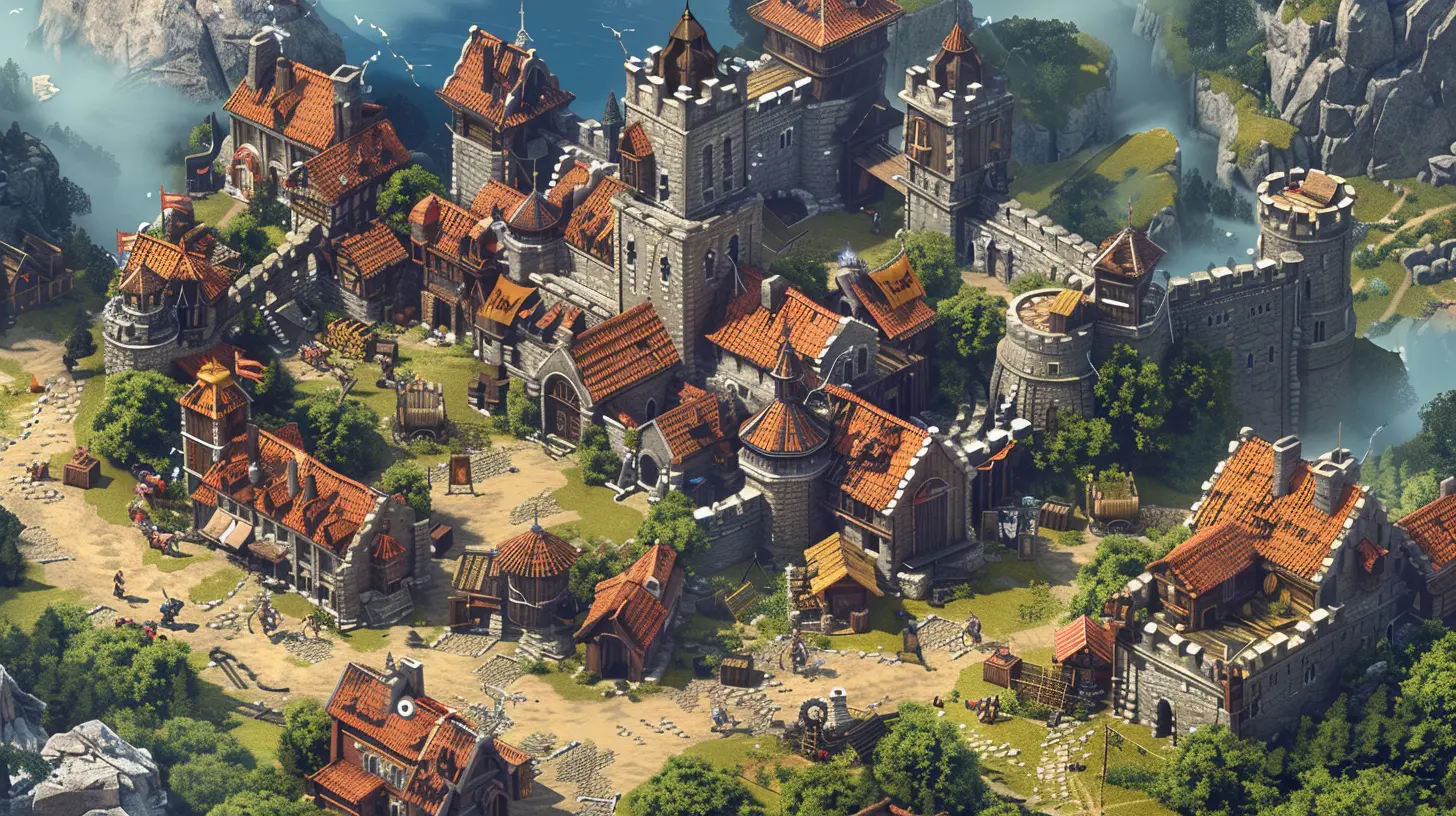
Why Is Resource Management So Critical?
Think of your resources as fuel. Run out of fuel mid-race and you're stuck watching your enemies zoom past. Efficient resource management isn’t just about collecting more—it’s about collecting smarter, spending wisely, and planning ahead.Poor resource management leads to bottlenecks. You’ll find yourself unable to build units, upgrade structures, or even defend your territory. Doesn’t matter how good your tactics are if your economy is in flames.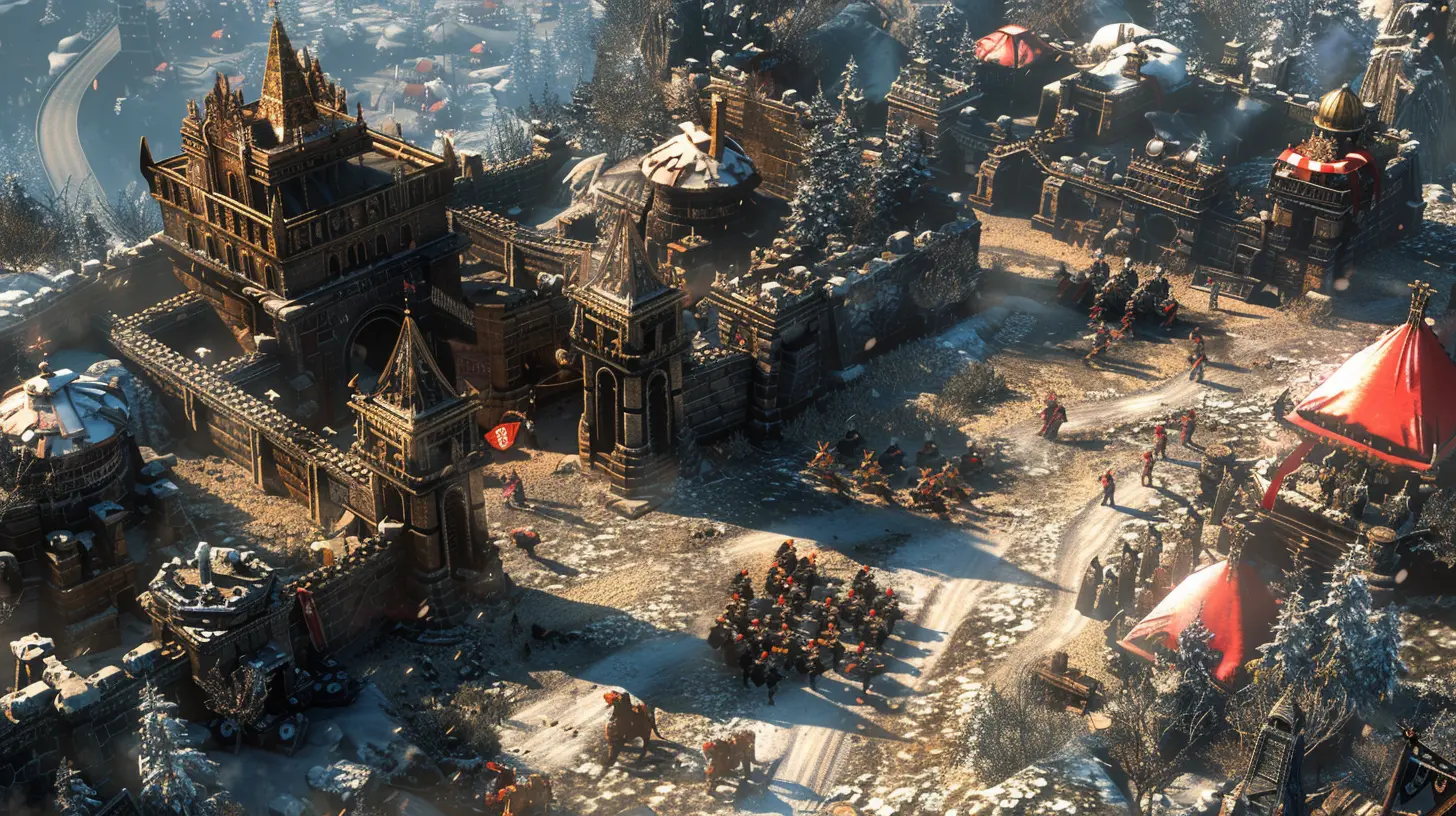
Know Your Economy: The First Step
Every strategy game has its own economic rhythm. Some offer steady income streams, others reward expansion or conquest. To manage resources well, you need to:Understand What Generates Your Resources
Start by identifying all the ways you can gather resources. Are there mines? Passive income sources? Trade routes? Quests or missions?For example:
- In Starcraft, minerals and vespene gas come from worker units mining them.
- In Civilization, resources come from tiles, improvements, and trade.
- In Age of Empires, villagers collect food, wood, gold, and stone.
You get the idea. Learn the income system and how to optimize it.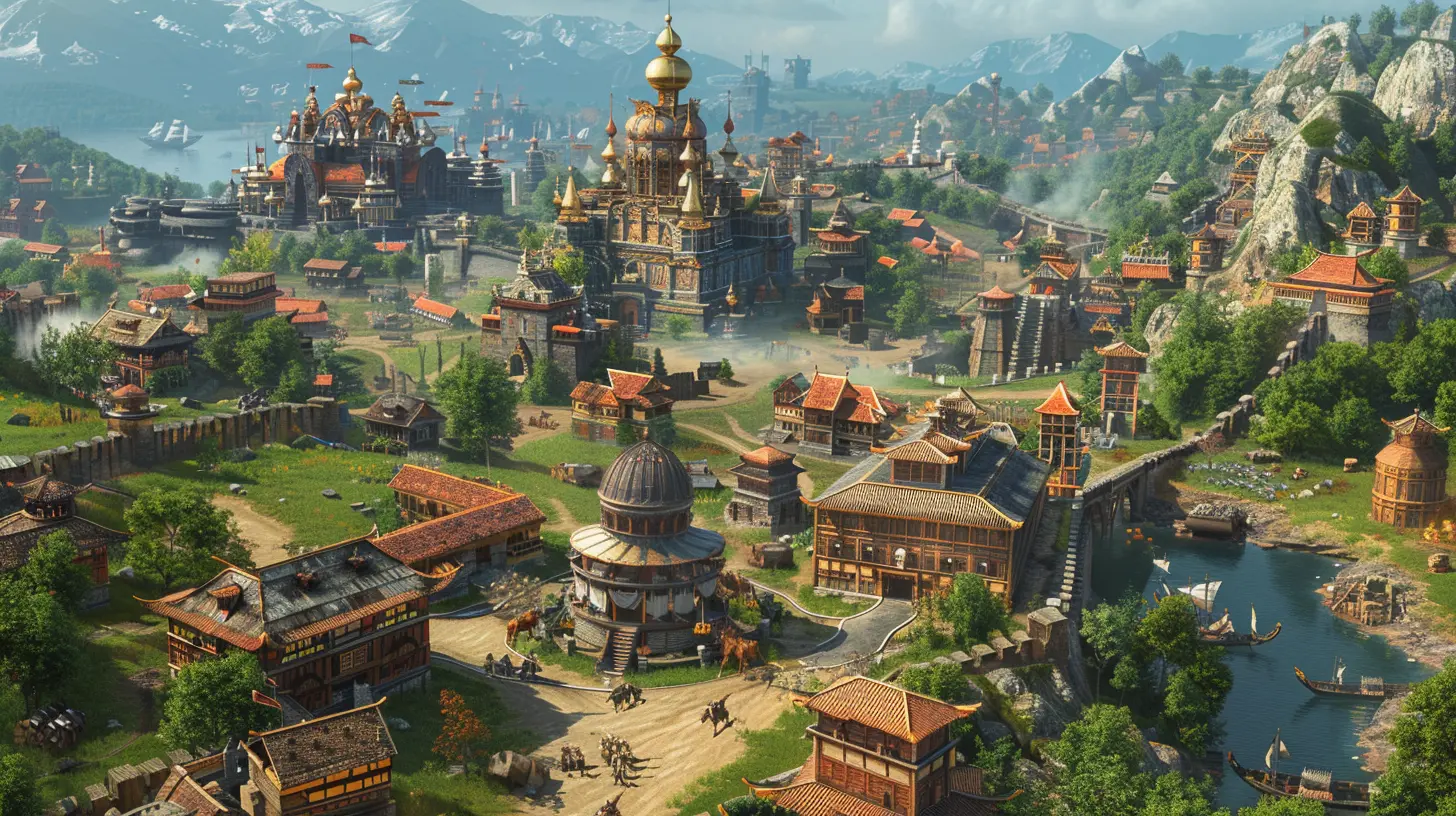
Prioritize Early Game Resource Control
The early game sets the pace. Fall behind, and it’s hard to play catch-up later.Build Economy First, Military Second (Most Times)
Unless you’re rushing your enemy early, focus on establishing a strong economy. That means building workers, gathering resources, and constructing economic buildings. It’s tempting to go full-offense from the start, but if your economy stalls, so will your entire game.Expand Smartly
Don’t overextend. Expanding too fast can stretch your resources thin and leave you vulnerable. Instead, aim for strategic spots that offer new resources or tactical advantages.Balance Is Everything
You need to juggle multiple platefuls here. Too much of one resource and none of the others? Not good.Avoid Resource Hoarding
If you're sitting on a mountain of gold but have no food to feed your army, you're in trouble. Resources are meant to be used. Hoarding usually leads to missed opportunities.Watch for Bottlenecks
Sometimes, one scarce resource holds everything else back. Maybe you’ve got plenty of stone but no wood, so you can’t build anything. Identify these choke points early and fix them.Tip: Most games let you trade resources or shift workers between gathering points. Use this to your advantage.
Use Automation Features (When Available)
Modern strategy games are smart. Many of them let you automate resource collection or set priorities for idle workers.- Auto-build queues
- Idle worker indicators
- Priority systems for resource gathering
Don’t be shy—use these tools. They exist to make your job easier.
Tech Trees and Upgrades Matter
Investing in upgrades can boost your resource efficiency long term.Research Economic Technologies
Upgrades like “Improved Axes” (faster wood cutting) or “Advanced Mining” are often overlooked in favor of combat boosts. But these techs supercharge your income over time.Don’t Ignore Passive Bonuses
Some civilizations or factions have passive bonuses. For example, faster resource generation, cheaper buildings, or increased storage. Pick a faction that fits your playstyle and master its strengths.Always Keep an Eye on the Resource UI
Most games give you a dashboard or bar showing your current resources. Don’t ignore it!Make a habit of glancing at it:
- Before beginning upgrades
- Before starting battles
- While building or training units
This keeps you from running into “Not Enough Resources” problems when you need them most.
Plan for Emergency Reserves
Think of it like savings. You don’t want to spend down to zero. Always keep a buffer in case something goes sideways—a surprise attack, natural disaster, or unexpected maintenance cost. It’s the virtual version of "save it for a rainy day."Trade Smartly
In games that allow trade, this can be a real game-changer.Use Trade Routes and Markets
Selling excess resources to get scarce ones is a fantastic way to stabilize your economy. Just keep an eye on trade rates—they can shift dramatically.Diplomatic Trading
In games like Civilization or Total War, trading with allies can keep both of you afloat. Just don’t give too much—every deal should benefit YOU first.Adapt to the Mid and Late Game
Resource needs change as the game progresses.Shift Focus
Early game might be all about wood and food. Mid-game? Gold, stone, and tech points. Late game? Fuel, rare minerals, high-value currency—you get the idea.Stay flexible. Reallocate workers and production as your needs evolve.
Consolidate Your Economy
Once your empire grows, centralize your economy. Build strongholds with multiple resource-generating facilities. Protect them like your life depends on it—because in-game, it does.Monitor Enemy Economies Too
Here’s a next-level tip: keep an eye on how your enemy manages resources.- Are they expanding too fast?
- Are they hoarding?
- Are they overspending on military?
Then hit 'em where it hurts. Raid their supply chains, capture their resource points, or block trade routes. Starving their economy is often more efficient than facing their fully-fed army head-on.
Common Mistakes and How to Avoid Them
Let’s look at the pitfalls you want to steer clear of:1. Overbuilding Without Income
Don’t build fancy units or structures if you can’t support them.
2. Ignoring Upgrades
Economic upgrades are more valuable than they seem.
3. Neglecting Defense for Economy
Don’t leave your resource buildings unprotected.
4. One-Track Focus
Always diversify. Don't rely on a single resource type.
5. Late Expansion
If you wait too long to grow, you’ll fall behind. Period.
Final Words of Wisdom
Managing resources in strategy games is like spinning plates—drop one, and everything can fall apart. It’s all about balance, awareness, and adaptability. The best players aren’t just good at fighting—they’re economic masterminds behind the scenes.Next time you dive into a strategy game, remember: every win starts with a well-managed economy. Master the economy, and you’ve already won half the battle. Keep practicing, stay sharp, and never stop tweaking your strategy.
Now go take over the world—efficiently.
all images in this post were generated using AI tools
Category:
Game GuidesAuthor:

Leandro Banks
Discussion
rate this article
2 comments
Marley Ross
Short and sharp: This covers the basics, but experienced players already know this. You could've skipped the obvious advice and focused more on edge cases—like when to intentionally hoard resources versus spend aggressively for tempo plays.
April 29, 2026 at 2:25 PM
Leandro Banks
Thanks for the feedback! I appreciate your perspective on diving deeper into edge cases. I'll keep that in mind for future pieces.
Signe McQuillan
Great insights! Managing resources effectively can really elevate gameplay. I found your tips on prioritizing upgrades and balancing production super helpful. Can't wait to implement these strategies in my next game!
April 29, 2026 at 2:53 AM
Leandro Banks
I'm glad you found the tips useful! Effective resource management can really make a difference. Good luck with your next game!