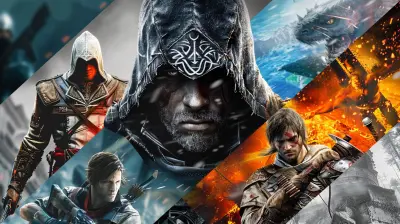
Iconic Game Worlds That Changed the Industry
18 July 2026
When you think about what makes a video game unforgettable, it’s not just the gameplay or the mechanics—it’s the world you're thrown into. You know the kind of world that completely sucks you in, makes you lose track of time, and leaves you with a lingering feeling even after you've shut the game down? Yeah, those magical places. These iconic game worlds didn’t just entertain—they shifted the gaming industry forever. They rewrote the rules, redefined genres, and set a new bar for immersion and storytelling.
So let’s take a walk down memory lane—and stop to appreciate the brilliant digital realms that changed everything.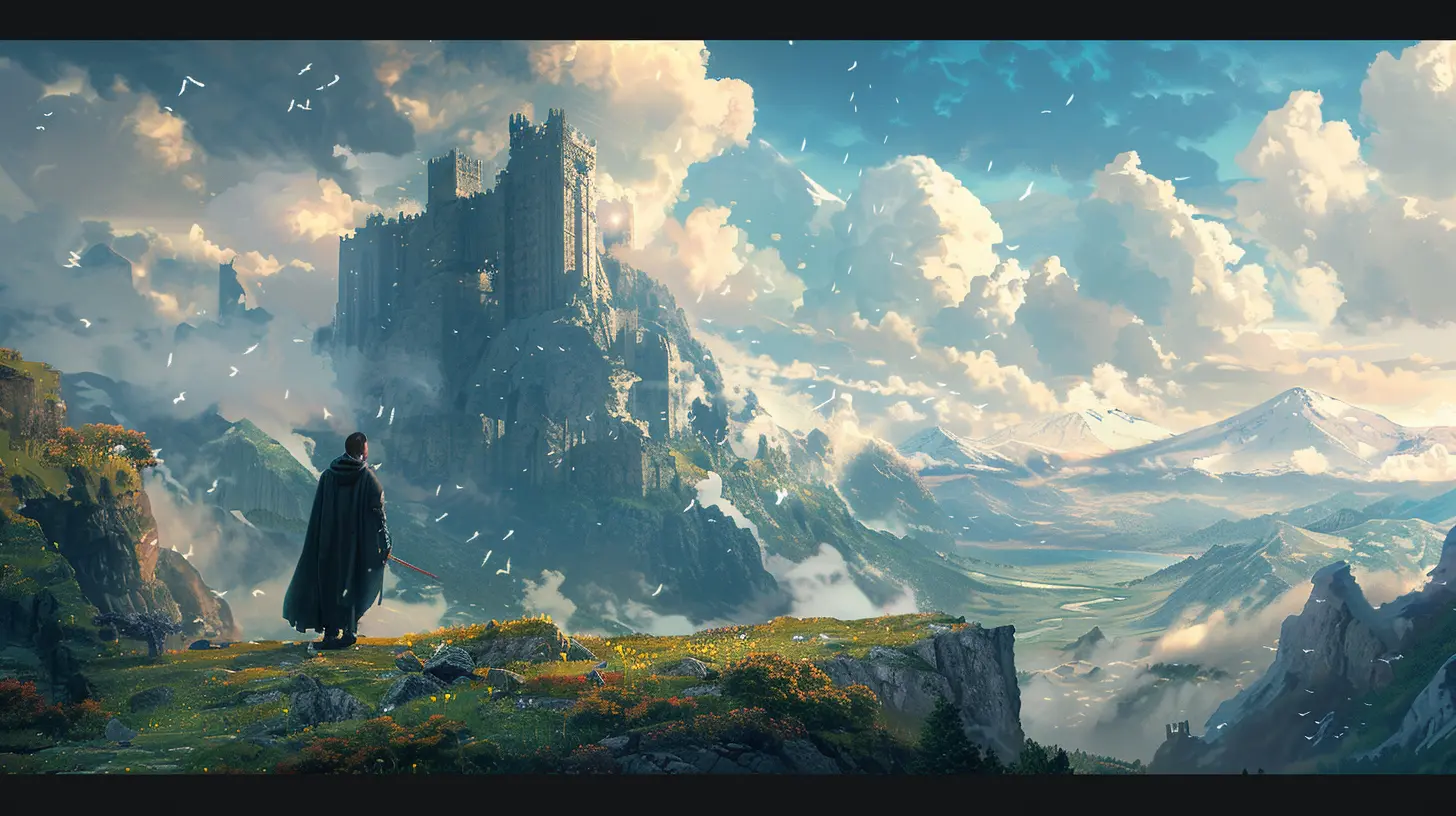
1. Hyrule – The Legend of Zelda Series
Hyrule isn’t just a kingdom—it’s a rite of passage for gamers.From the pixelated days of the NES to the jaw-dropping landscapes in Breath of the Wild, Hyrule evolved into a living, breathing world. It wasn’t just about dungeons and rupees. It was about discovery. Puzzles, hidden paths, weird NPCs—it felt like every corner of this land was whispering a secret.
What made Hyrule so game-changing? It introduced the concept of open-world exploration way before it was even cool. The Legend of Zelda (1986) let you go anywhere, try anything, and often fail miserably—but that was the fun. Breath of the Wild took that spirit and gave it wings, creating one of the most refined sandbox experiences of all time.
Game-changing fact: Hyrule redefined what an adventure game could look and feel like, making it the blueprint for countless open-world adventures that followed.
2. Rapture – BioShock
Rapture is haunting, isn’t it?An underwater city built on the ideals of freedom and science, this dystopian world was unlike anything we’d seen in gaming. When BioShock dropped in 2007, it didn’t just scare players—it made them think. Deeply. The game world wasn’t background noise—it was the story, the metaphor, and the enemy all rolled into one.
Every flickering light, every leaky pipe, every jazz tune from the 1950s—it all built this eerie, immersive environment that was oozing with atmosphere. You weren’t just shooting Splicers; you were unraveling a sick dream gone wrong.
Game-changing fact: Rapture proved that game worlds could deliver complex philosophical themes and emotional depth, helping elevate video games to an art form.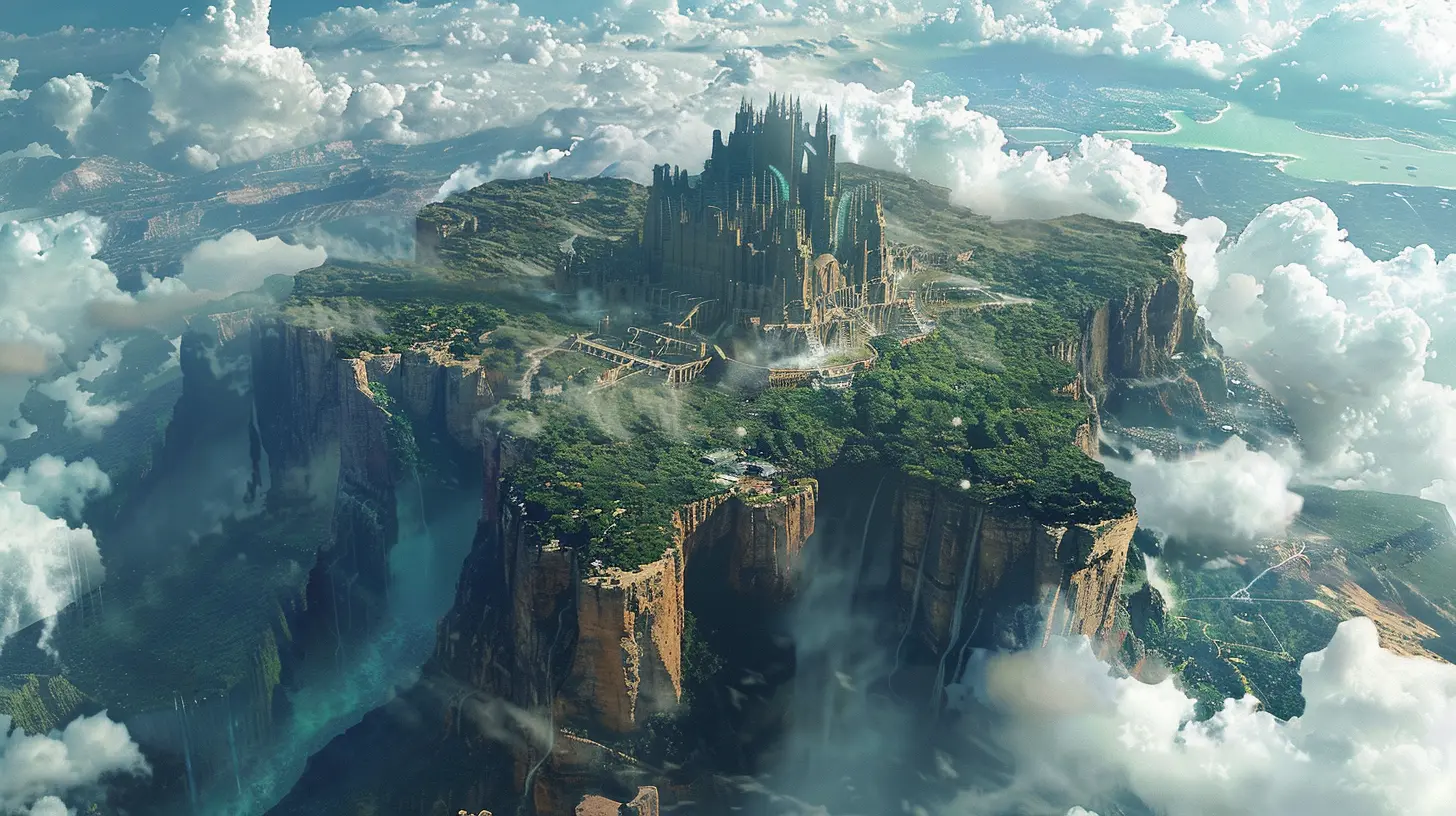
3. Skyrim – The Elder Scrolls V
If you’ve ever said, “I’ll just play for 10 minutes,” and then looked up six hours later still roaming the snowy peaks of Tamriel—you’re not alone.Skyrim wasn’t the first Elder Scrolls game, but it was the one that broke through the gaming mainstream like a dragon’s roar. It was vast, open-ended, and full of stories. You could be a warrior, a thief, a mage—or all three. You could ignore the main quest for 100 hours and still be doing something meaningful.
The world felt alive. Villagers had routines (until you Fus Ro Dah’d them off a cliff), and every cave, ruin, and mountain invited exploration.
Game-changing fact: Skyrim set a new gold standard for open-world RPGs, blending freedom, depth, and immersion like never before.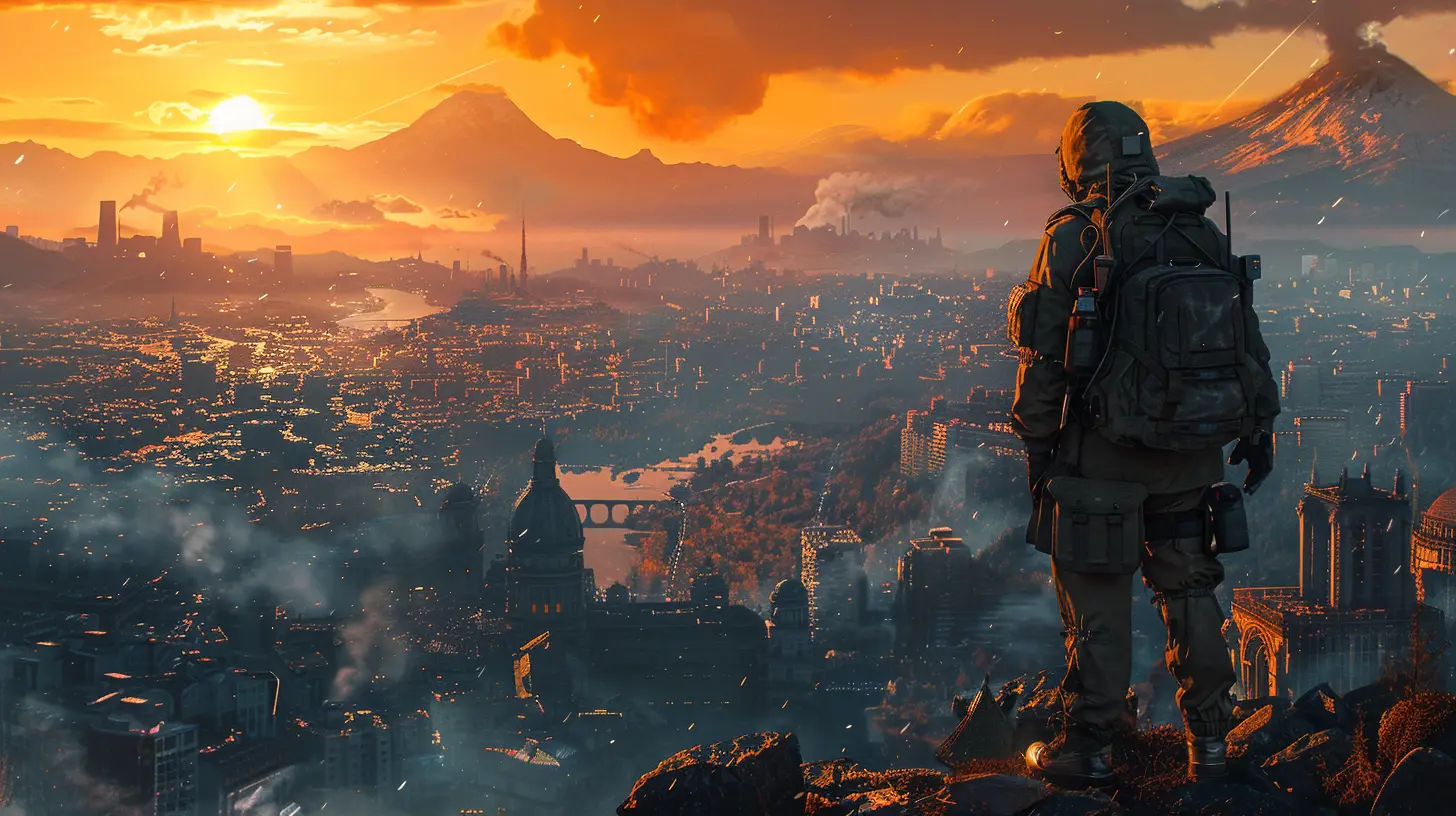
4. Minecraft’s Overworld
Who would’ve thought a world made of blocks would become one of the most influential game worlds of all time?Minecraft’s Overworld is the ultimate sandbox. It’s part survival, part creative playground, and entirely your own. The beauty of Minecraft isn’t in its graphics—it’s in its potential. It’s like handing a child a box of Legos and saying, “Go nuts.”
Simple on the surface, endlessly complex underneath. Whether you're building a castle, digging a minecart rollercoaster, or recreating the Death Star block by block—Minecraft gave players the keys to their own universe.
Game-changing fact: Minecraft sparked a global creator-driven movement, turning players into designers and redefining what user-generated content could achieve.
5. Vice City – Grand Theft Auto: Vice City
Welcome to the neon-soaked streets of the '80s. Vice City was less of a game world and more of a pop culture time machine.GTA III paved the way, but Vice City perfected the formula. It wasn’t just about stealing cars or climbing the criminal ladder—it was about living the Miami Vice fantasy. Everything from the licensed music to the fashion to the architecture screamed style.
Open-world games owe a huge debt to Vice City. It showed that a game world could be fun, satirical, and jam-packed with personality.
Game-changing fact: Vice City brought cinematic storytelling, open-world chaos, and cultural satire together in a way that made GTA a household name.
6. Azeroth – World of Warcraft
If you've ever sat in front of your PC at 2 a.m. with just one more quest to go, you know the pull of Azeroth.World of Warcraft didn’t just create a game—it created a universe. And more impressively, it made that world feel alive. From the sun-drenched plains of the Barrens to the eerie glow of the Plaguelands, every zone had its own personality, lore, and community.
What made Azeroth revolutionary wasn’t just its size or lore (though both are epic)—it was how it brought people together. Guilds, raids, PvP battlegrounds—it turned strangers into squads and rivalries into legends.
Game-changing fact: Azeroth turned MMOs from niche into mainstream, showing the power of community-driven worlds.
7. Night City – Cyberpunk 2077
Yes, let’s be real—it launched with more bugs than a summer camping trip. But once CD Projekt Red ironed things out, Night City shone.It’s a dense, vertical, gritty urban jungle that feels like a character itself. This noir-esque dystopia is crowded, chaotic, and absolutely bursting with detail. From neon-lit alleyways to underground fight clubs, it’s an immersive experience that rewards curiosity.
The world’s interactivity, social commentary, and audiovisual fidelity gave us a taste of what the next-gen could really look like when firing on all cylinders.
Game-changing fact: Night City pushed the envelope on environmental storytelling, world-building, and boundary-pushing visual design.
8. The Mushroom Kingdom – Super Mario Series
Let’s not forget the OG.The Mushroom Kingdom has worn many hats (literally and figuratively), from 2D side-scrollers to open 3D platformers like Super Mario 64 and Odyssey. Its whimsical design, colorful palette, and ever-evolving gameplay mechanics have kept it both nostalgic and fresh for decades.
And let’s face it—who doesn’t get a little dopamine rush when that classic coin sound hits?
Game-changing fact: The Mushroom Kingdom laid the foundation for platformers and demonstrated how world design could evolve with technology without losing charm.
9. Los Santos – Grand Theft Auto V
Los Santos felt less like a city and more like a parody-rich mirror of Los Angeles—cynical, loud, and ridiculous but undeniably rich in life.GTA V’s Los Santos wasn’t just big—it was alive. From yoga classes in Vinewood Hills to gang turf wars in South Los Santos, the world reacted to you. The addition of three protagonists only deepened the experience, making the city feel like a stage where multiple stories unfolded simultaneously.
Game-changing fact: Los Santos redefined the modern open-world sandbox, blending narrative, detail, and scale with impressive fluidity.
10. Pandora – Borderlands
Claptrap might be annoying, but you’ve gotta admit—there’s nothing quite like Pandora.This crazy wasteland mashes up Mad Max energy with a comic book vibe. But what really made Borderlands’ world special was its attitude. Guns everywhere, loot galore, and characters that talk more trash than an NBA game.
Pandora wasn't just a setting—it was a personality. Every area felt like it could collapse under its own chaos, and yet it all worked in glorious harmony.
Game-changing fact: Borderlands proved that world tone could be fun, irreverent, and self-aware—while still delivering tight gameplay and innovation.
Why These Worlds Matter
So what ties all these game worlds together?They weren’t just backdrops. They were characters in themselves. They told stories, shaped mechanics, and influenced how players interacted with their environment. They changed player expectations forever.
Before these worlds, game design was often linear. After them? The sky—and sometimes outer space—was the limit.
What’s Next for Game Worlds?
Gaming tech is evolving fast—think AI-driven NPCs, photorealistic graphics, and dynamic environments that react to how you play. But if history tells us anything, it’s this: it’s not just how a world looks. It's how it makes you feel.And game designers are learning more than ever how to hit us in the feels.
Final Thoughts
The best game worlds aren’t always the biggest or the flashiest. They’re the ones that draw you in with curiosity, challenge your decisions, and stay with you long after the credits roll.Whether it’s the nostalgic charm of the Mushroom Kingdom or the gritty sprawl of Night City, these worlds changed the rules. And lucky for us, the future’s looking even more immersive.
So, what’s the next world that’ll blow your mind?
all images in this post were generated using AI tools
Category:
Game WorldsAuthor:

Leandro Banks