Making the Most of Side Quests and Optional Missions
17 June 2026
When you dive headfirst into an epic video game saga—whether it's an open-world RPG, a narrative-driven action game, or a cozy farming simulator—there’s one thing you’ll always find hiding just off the main path: side quests.
Those little breadcrumbs.
Those curious whispers from random NPCs.
Those glinting icons on your map, begging for your attention.
Side quests and optional missions are the soul of many games, the seasoning on an already delicious dish. And yet, many players either ignore them or treat them like filler. But buddy, let me tell you—you're leaving behind some of the best storytelling, rewards, and fun a game has to offer. So, let’s chat about how to make the most of side quests and optional missions.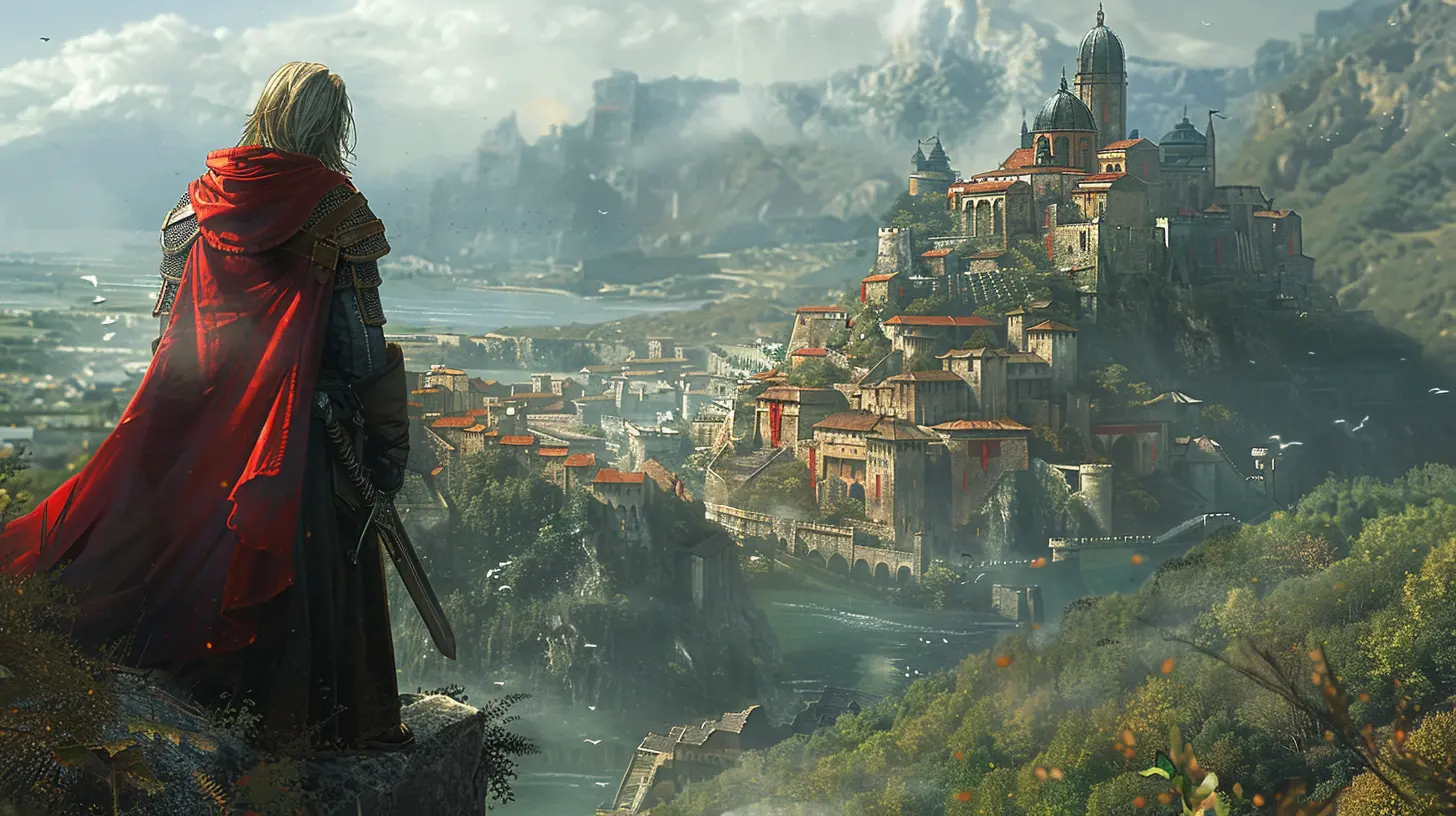
? What Are Side Quests, Really?
Before we venture further, let's nail down the basics. Side quests (also called optional missions or secondary objectives) are tasks given to players that lie outside the main storyline. They're often not required to beat the game, but they’re there for the curious—those of us who like to peek behind every digital curtain.They can range from simple fetch quests and monster-slaying contracts to massive, multi-part crusades with storylines deeper than the main campaign.
Think of it like this: if the main story is the highway to the game’s end credits, side quests are the scenic route. And sometimes? The scenery is the best part.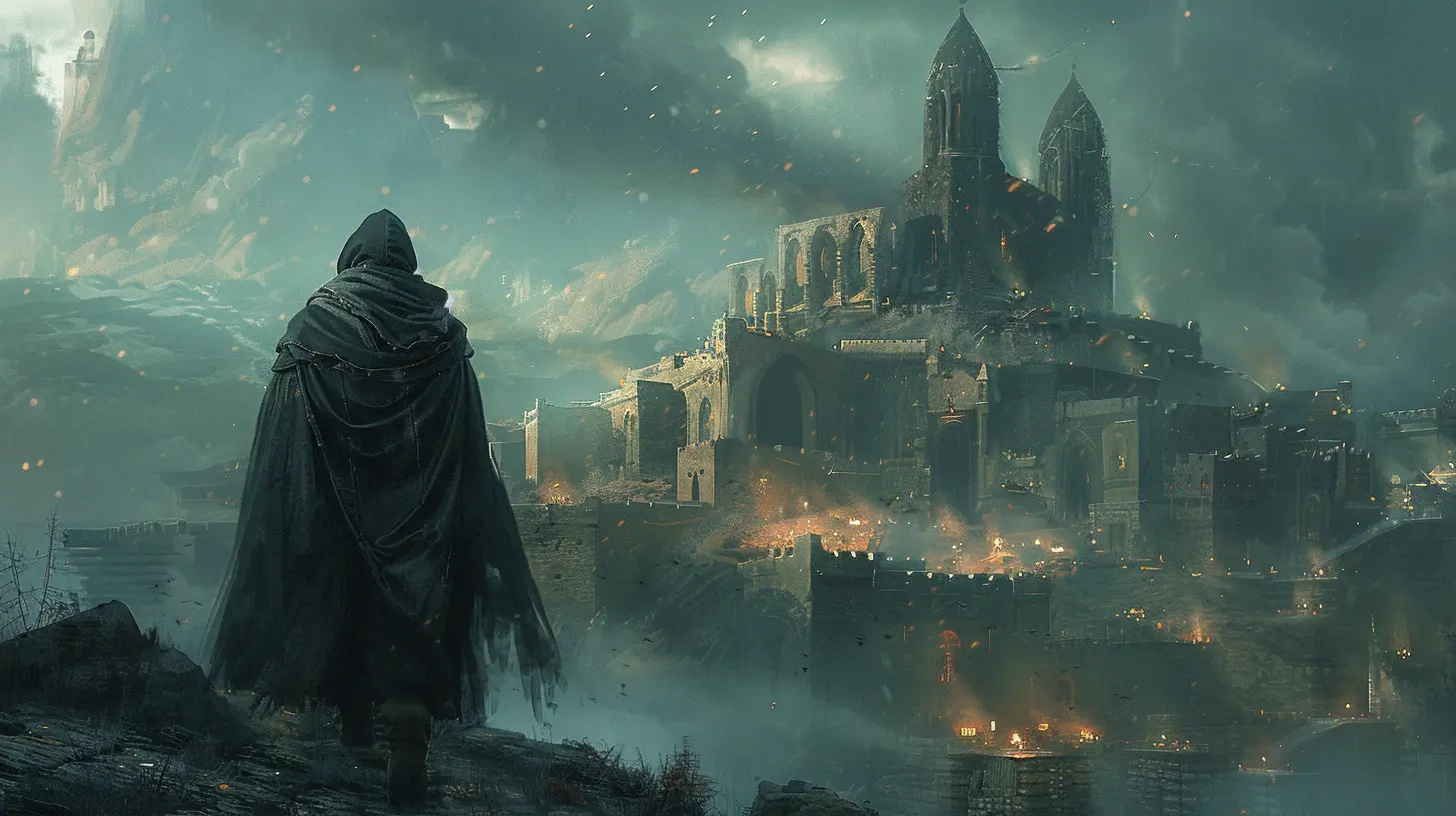
? Why Bother with Side Quests?
Good question. After all, you’ve got a world to save, prophecies to fulfill, or maybe just some crops to water. So why stray from the path?Here's why side quests are seriously underrated:
1. Worldbuilding on Steroids
Side quests breathe life into the game world. While the main story might show you the wars, the kings, the chaos, it’s the side missions that introduce you to the everyday people and their struggles.Want to know how villagers are surviving the plague while the hero chases dragons? Want to hear a bard’s tragic love story, or help a ghost find peace? That’s side quest material.
2. Character Development and Depth
Sometimes, side quests are where your favorite characters really shine. You might discover your gruff companion has a soft spot for cooking or that your silent rogue is haunted by a past betrayal. These aren’t just flavor text—they’re layers, and they make your journey feel more personal.3. Loot, Experience, and Perks
Let’s be honest—half the thrill is in the loot. Legendary weapons, rare armor sets, hidden skills… you often don’t find the good stuff on the main path. Optional missions can be treasure hunts in disguise.Completion means valuable XP, in-game currency, and often gear that gives you an edge in tougher battles.
?️ Types of Side Quests: Not All Are Created Equal
Side quests can be as diverse as the games themselves. Let’s break it down:▪️ Fetch Quests
These are the “go get me 10 mushrooms” type of missions. Often simple, but occasionally sneakily engaging when wrapped inside a charming tale.▪️ Companion Quests
These focus on your allies or NPCs. They reveal backstories, test loyalties, or even unlock romances. Bioware titles like Mass Effect are stellar at these.▪️ Faction Missions
Want to join a secret guild of assassins? Or rise through the ranks of a mercenary company? These questlines usually offer their own subplots and rewards.▪️ Moral Quandaries
Ever had to choose who lives and who dies in a side quest? These often appear in games like The Witcher 3 and Cyberpunk 2077, where your actions echo long after you complete the mission.▪️ Puzzle & Exploration Quests
Think collecting ancient artifacts, unlocking tombs, solving riddles left by long-dead civilizations. Zelda fans, you know what’s up.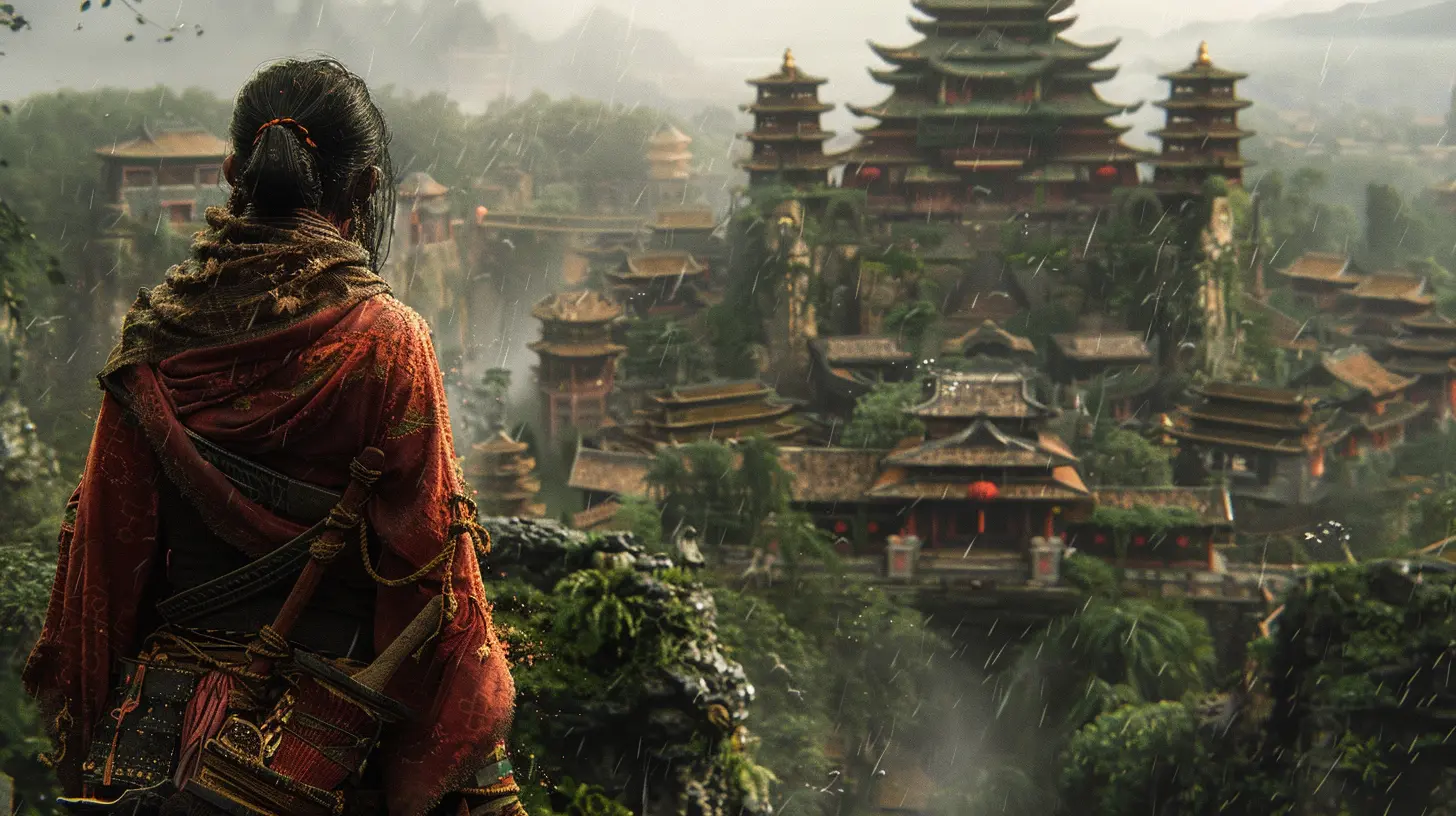
? How to Spot a Great Side Quest
Not all side quests deserve your time. Let's be real—some are just designed to pad out the game. But others? Hidden gold.Here’s how to spot the gems:
▪️ Unique Dialogue or Voice Acting
If a quest has fully voiced, detailed conversations, it’s likely a big deal.▪️ Multiple Outcomes
When your choices during the mission actually affect the ending, that’s prime gaming right there.▪️ Ties to the Main Quest
Even optional, some side quests subtly tie into the main story or characters. Look out for these—they’re often lore-rich.▪️ Emotional Weight
If a quest makes you pause, laugh, or even tear up a little? Totally worth it.? Pro Tips for Mastering Side Quests
Alright, time to level up your side quest game. Whether you’re a completionist or just dipping your toes, these tips will help you squeeze every last drop of joy from optional content.1. Play With Curiosity, Not Just Efficiency
Sure, you could beeline the shortest path to the end. But isn’t wandering off the path half the fun? Talk to that weird old man by the dock. What’s the worst that could happen?2. Keep a Journal (In-Game or IRL)
Many RPGs have quest logs, but if you're deep into a complex game (looking at you, Skyrim), jotting notes can help you track those long-winded arcs.3. Don’t Burn Out
Yeah, we all dream of that 100% trophy. But doing 47 identical fetch quests in a row? Not always fun. Mix things up—on and off the main path.4. Use the Right Timing
Some side quests can vanish if you progress too far in the main story. Others only unlock after big plot events. So check your map, chat with NPCs, and don’t be afraid to detour.5. Follow Your Favorites
If a certain character or faction has a questline? Follow it. Developers usually pack these with juicy content fans will love.?️ Iconic Games Where Side Quests Shine
Let’s shout out the games that nailed side content and made it unforgettable:- The Witcher 3: Wild Hunt – “The Bloody Baron” questline is optional… and legendary.
- Red Dead Redemption 2 – Random encounters and stranger missions add emotional weight to Arthur’s journey.
- Mass Effect Series – Your choices in side quests carry across the trilogy.
- Elden Ring – Cryptic, mysterious, and rewarding if you connect the dots.
- The Legend of Zelda: Breath of the Wild – Shrine quests are pure exploration joy.
These titles prove that side quests aren’t just filler—they’re narrative gold.
? Think Like a Game Developer
Ever wonder why developers put side quests into their games?It’s not just to make the game longer. It’s to make the world feel inhabited, to give YOU more agency over your journey. Every optional mission is a chance to give the player more power, more emotion, more surprise.
Side quests let devs take creative risks. They can be goofy, dark, heartbreaking, or just plain weird. And guess what? That variety adds soul.
? How Side Quests Extend Replay Value
You finish the main story. Credits roll. But...what if you missed a whole region? An entire plot thread?That realization hits hard.
Side quests are often what pull people back into games. They offer alternative paths, let you try different decisions, and reveal hidden endings or outcomes. In other words, they keep the game alive even after “The End.”
✨ The Magic Lies in the Unexpected
Sometimes the most memorable moments in a game don't come from dramatic boss battles or final cutscenes. They come from:- Helping a ghost reunite with a lost love.
- Stumbling onto a secret rebellion in a side town.
- Following a lost dog back to its owner and changing the course of a town’s fate.
These moments are quiet, unassuming, and utterly unforgettable. Miss the side quests, and you might miss the heart of the game.
? Final Thoughts: Follow the Side Roads
So, next time you're knee-deep in a sprawling adventure and that side quest marker pops up? Don’t silence it. Embrace it.Chase the odd quest. Help the stranger. Take the detour.
Because life—and gaming—isn’t just about reaching the end. It’s about the stories we collect along the way.
Whether you're looting ancient ruins or just playing matchmaker for two lonely NPCs, remember: the side paths often hold the richest tales.
So, warrior, mage, farmer, space pirate—whatever you are—venture off the beaten path.
Your story isn't just about the destiny you're told to fulfill. It's also about the choices you make on your own.
And those?
Those make all the difference.
all images in this post were generated using AI tools
Category:
Game GuidesAuthor:

Leandro Banks
Discussion
rate this article
1 comments
Fletcher McKay
Optional quests often reveal deeper stories and character growth.
June 25, 2026 at 4:40 AM
Leandro Banks
Absolutely, optional quests can add so much depth and nuance. They often let us explore characters in ways the main story doesn't.