The Rise of Procedurally Generated Game Worlds
12 December 2025
Gaming has come a long way from pixelated sprites and side-scrollers. With every passing year, game developers push the boundaries of creativity and technology. One of the most fascinating developments in the last two decades? Procedurally generated worlds. You've probably heard the term thrown around in gaming forums, patch notes, or even big game trailers. But what does it really mean? And why are so many games jumping on this bandwagon?
Let’s dive into the rise of procedurally generated game worlds and why this tech is reshaping how we experience digital adventures.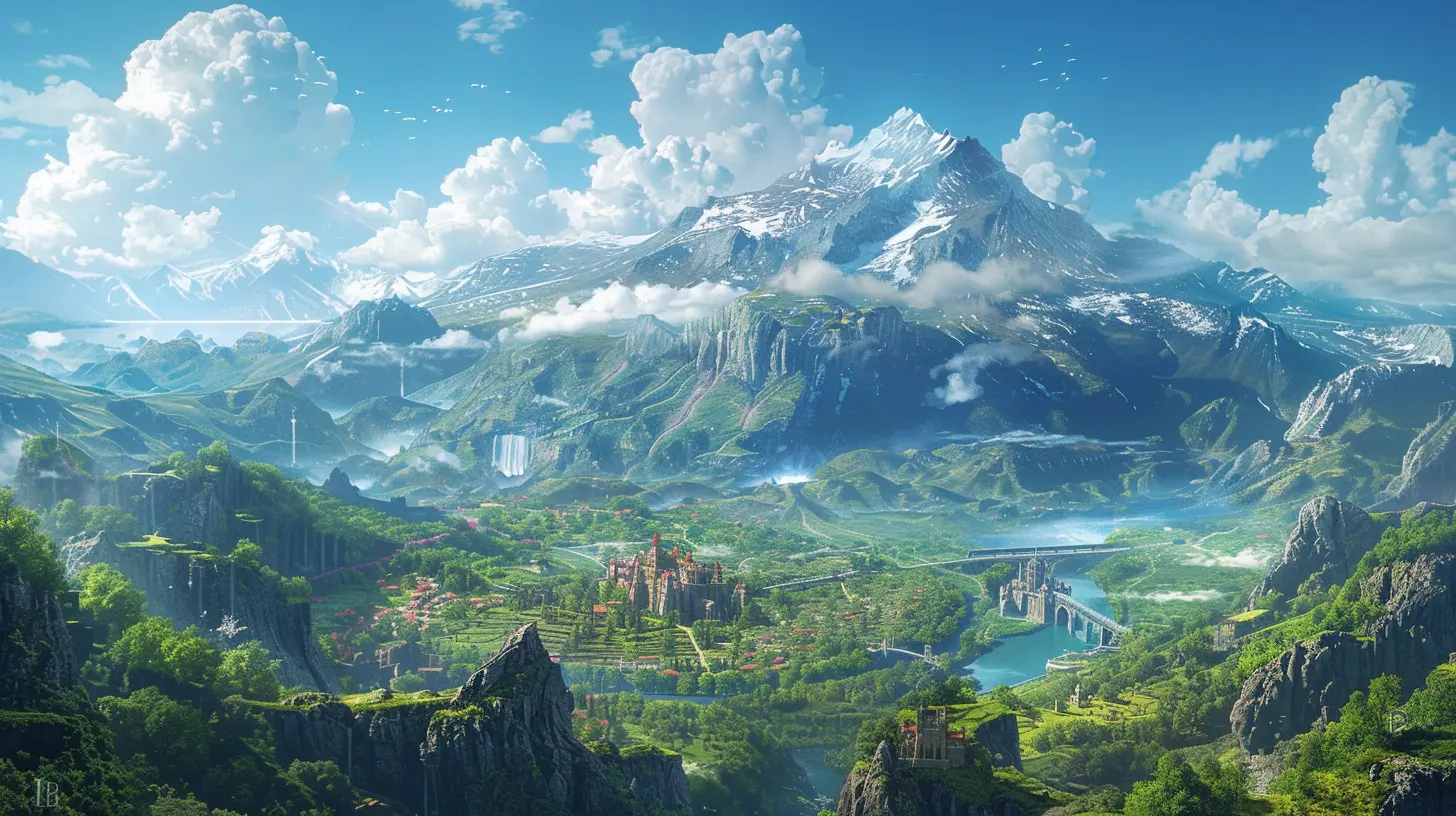
What Exactly Is Procedural Generation?
First off, let’s break it down—procedural generation is a method of creating data algorithmically rather than manually. In simpler terms, it means letting a computer program build game elements like maps, levels, quests, and even entire universes using predefined rules.It’s like baking a cake using a recipe and letting the ingredients rearrange themselves differently every time you bake. Same base, wildly different outcomes.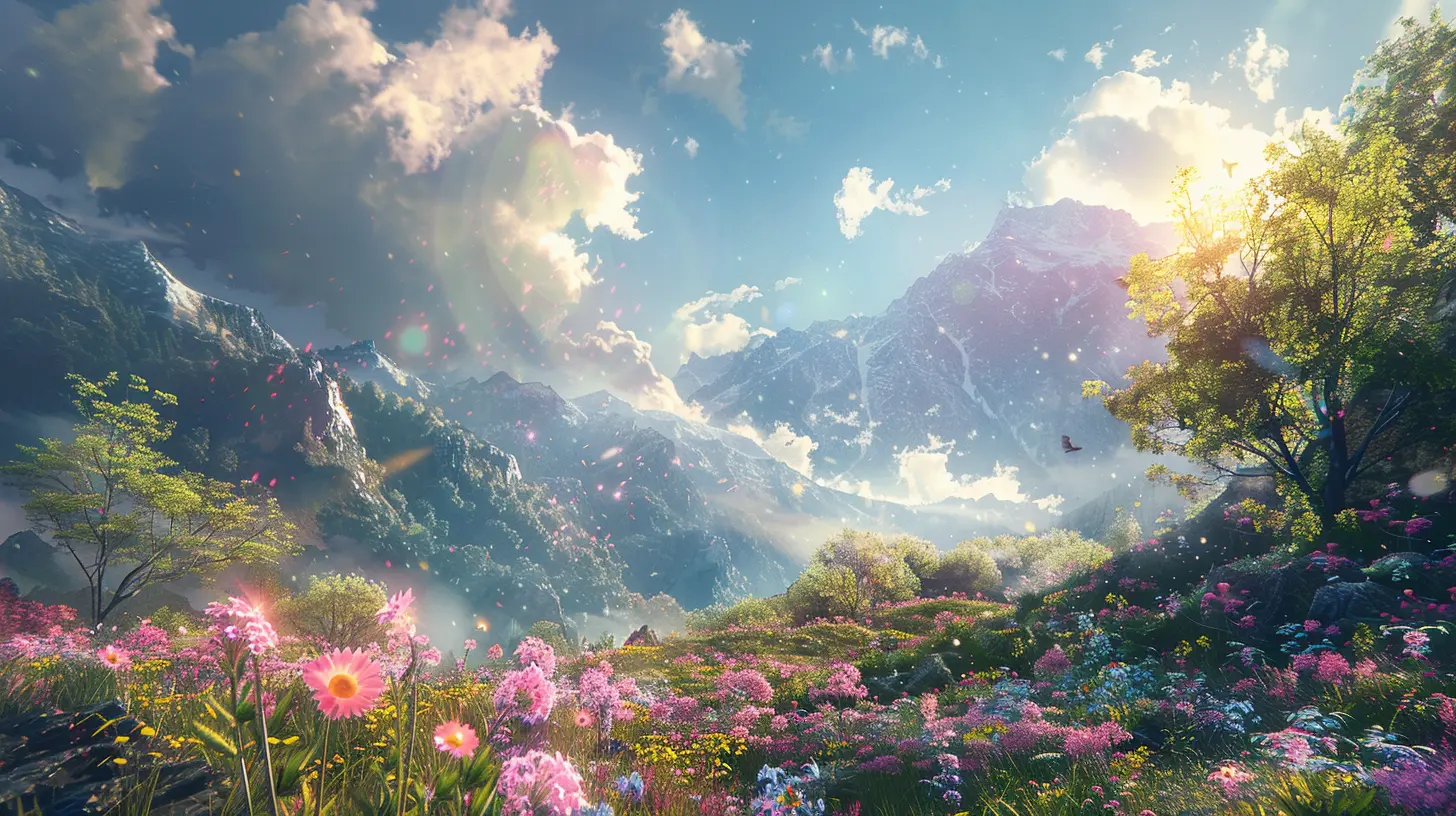
A Brief History: From Rogue to No Man’s Sky
Procedural generation isn’t new. Its roots go way back to the early '80s with games like Rogue, where dungeon layouts changed each time you played. Back then, it was more about saving memory. Computers weren’t nearly as powerful, and manually designing dozens of levels just wasn’t practical.Fast forward to the 2010s, and we’ve got games like Minecraft, Spelunky, and No Man's Sky taking procedural generation to a whole new level. Entire ecosystems, terrain, caves, animals—created on the fly. Whether you're digging for diamonds or jet-packing off a planet teeming with alien flora, no two experiences are the same.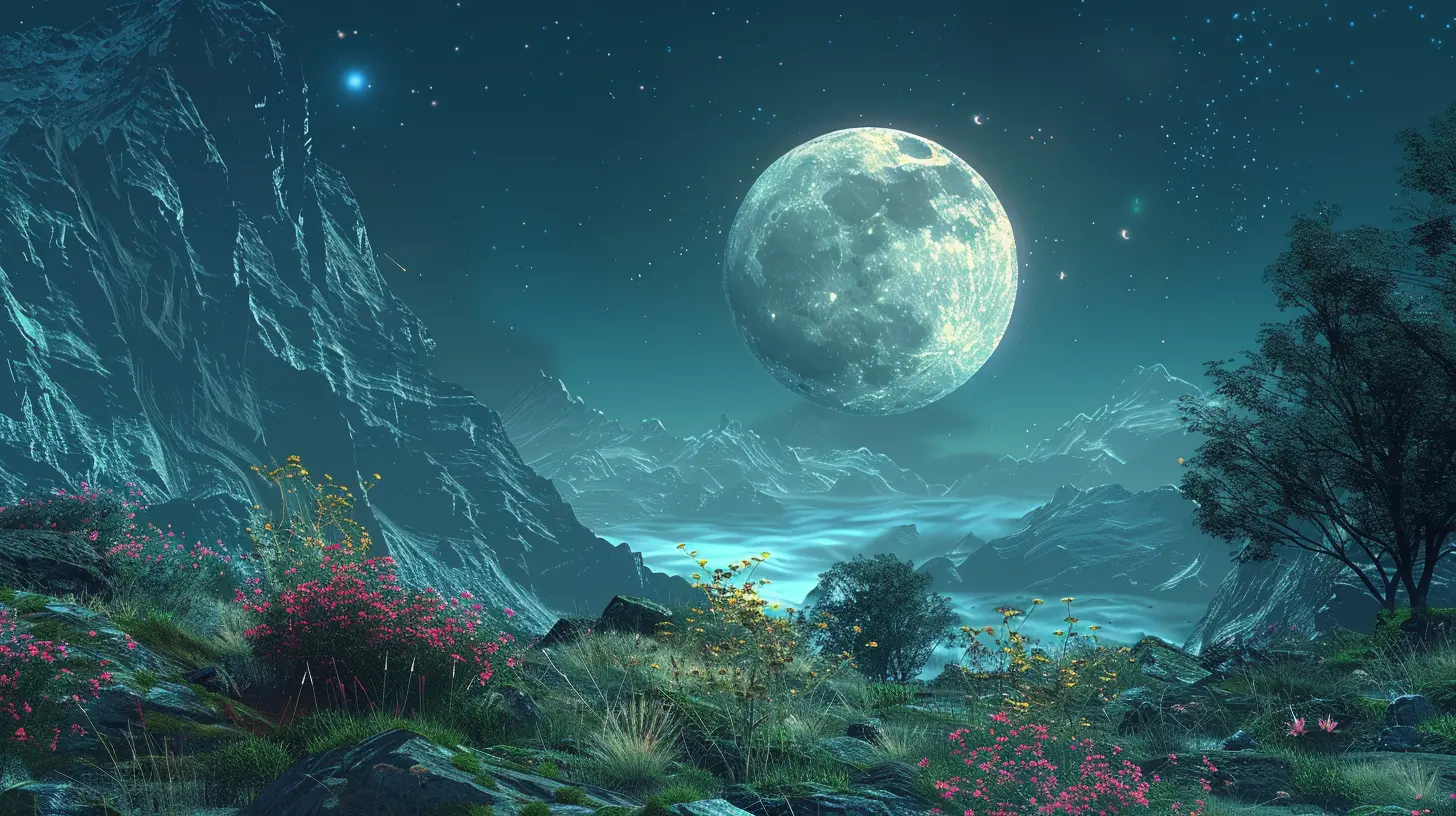
Why Developers Love Procedural Generation
Let’s face it—designing content by hand is time-consuming and expensive. Imagine trying to build thousands of unique dungeons or hundreds of miles of landscape by hand. That’s a monumental task.Procedural generation solves this by automating the "grunt work." Developers design the rules, and the algorithm takes care of the rest. It's like giving the game a magic wand.
Benefits for Game Devs
- Scalability: You can create massive worlds without bottlenecking your team.- Replayability: Every playthrough feels fresh, boosting the game's lifespan.
- Cost-Efficiency: More content, fewer resources.
- Creative Freedom: Designers can focus on the “big picture” while the system adds surprise elements.
Think of it like planting seeds. The rules are your soil and water, and procedural generation is nature doing the rest.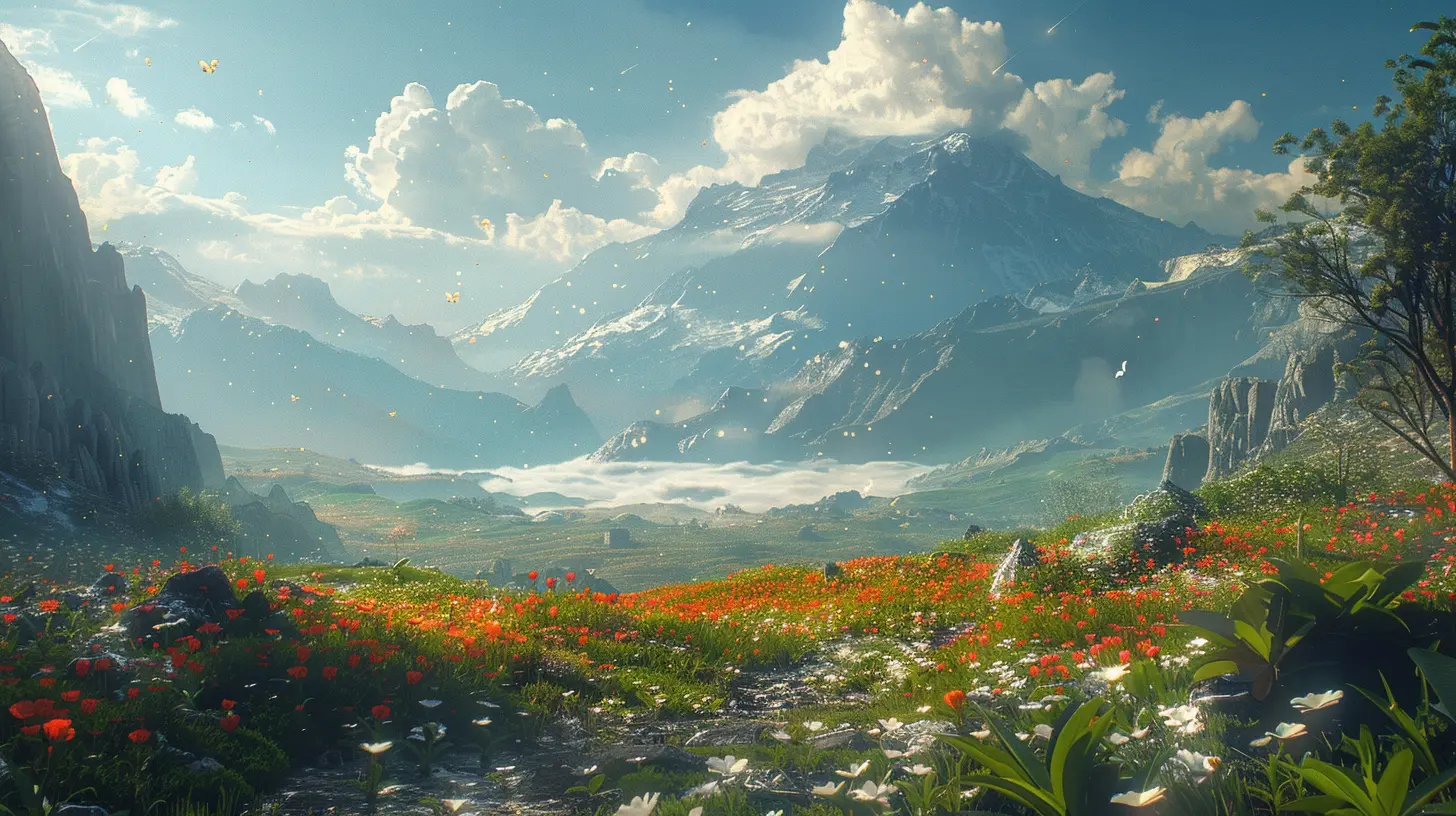
How Gamers Benefit From Procedural Worlds
From a player’s perspective, procedural generation makes games more dynamic and unpredictable. The thrill of not knowing what’s around the next bend? That’s gold.Why It’s Fun for Players
- Endless Exploration: Games like Minecraft or Terraria never run out of things to uncover.- Unique Stories: No two players have the same journey.
- Infinite Challenge: Procedural levels in roguelikes keep you on your toes.
- Custom Experiences: You can tailor settings and rerun scenarios with new outcomes.
It taps into that primal human need to explore—the same instinct that made early humans trek across continents. Procedural worlds scratch that itch by offering a never-ending frontier.
Popular Games That Nailed It
A bunch of titles have used procedural generation, but a few really stand out.Minecraft
The OG sandbox of possibility. Every new world seed in Minecraft is a land of undiscovered country. Mountains, caves, forests… all built procedurally. It’s like LEGO blocks on steroids.No Man’s Sky
At launch, it promised 18 quintillion planets. Yep, you read that right—quintillion. It stumbled at first, but over time, Hello Games delivered on the idea of an infinite universe born from code.Spelunky
This indie gem revolutionized the roguelike genre. With every run, players face a new deadly terrain. Quick thinking and adaptability are key, making every session feel brand new.Hades
While not fully procedurally generated, Hades uses a mix of hand-crafted rooms and randomized layouts for each run. It’s a perfect blend that keeps gameplay varied and finely tuned.The Tech Behind the Magic
Let’s geek out for a sec. Procedural generation relies on algorithms like Perlin Noise, L-Systems, and fractals. These aren't just fancy code—they’re mathematical art forms.For instance, Perlin Noise simulates natural terrain, generating realistic hills and valleys. Games use “seeds”—a string of characters or numbers—to generate the same world. Change the seed, and boom—you’ve got a new universe.
Think of the seed as a magic spell. Say it one way, and you get a lush jungle. Say it another, and you summon a frozen wasteland.
The Balance Between Randomness and Design
Here’s the tricky part: pure randomness can be chaotic and even frustrating. Ever played a dungeon that felt too impossible or unfair? That’s poor procedural design.The best games blend handcrafted logic with randomness. Developers use constraints, templates, and rules to make sure the generated content feels cohesive and meaningful—not just a bunch of stuff slapped together.
It’s like jazz—you need structure to make the improvisation work.
Challenges Developers Face
It’s not all sunshine and infinite landscapes. Procedural generation comes with its own set of headaches.Common Issues
- Repetitive Environments: Without enough variation, worlds can feel samey.- Lack of Narrative Flow: Random events can disrupt story pacing.
- Buggy Results: You might end up with terrain that's unplayable or broken mechanics.
- Balancing Difficulty: Random levels can swing wildly in challenge.
That’s why the most beloved procedurally generated games tend to be hybrids—part handcrafted, part procedural.
The Future of Procedural Generation
As AI and machine learning keep evolving, procedural generation is only going to get smarter. We’re already seeing games that adapt based on how you play.Imagine a game that watches how you explore, and then tailors future levels to match your style. Prefer stealth? More shadowy corridors. Love combat? More enemies and loot.
We’re talking about procedural generation that doesn’t just create content—but understands you.
RPGs, Survival Games, and Beyond
Procedural tech isn’t just for indie developers anymore. Big studios are jumping in too. Bethesda is rumored to be using it for certain aspects of Starfield, and survival games like Valheim are making waves with sprawling, AI-built maps.And it’s not just about landscape anymore. We’re seeing procedural NPCs, quests, and even dialogue trees. That means richer worlds without ballooning dev costs.
Is Procedurally Generated Content the Future of Gaming?
It sure looks like it. But that doesn’t mean handmade levels are going extinct. Think of it more like a toolkit—one that gives devs more options and flexibility.Procedural generation won’t replace creativity, but it amplifies it. It’s like giving developers a superpower—unlimited content, endless possibilities, and more ways to surprise and delight players.
For gamers? That means countless new worlds to lose yourself in.
Final Thoughts: Embrace the Unknown
Procedurally generated worlds are more than just a cool trick—they’re changing the DNA of modern gaming. As the technology evolves, we can expect even smarter, more seamless, and personalized experiences. Worlds that are vast, unique, and responsive to how we play.Is every game perfect at it? No. But the potential? Astronomical.
So next time you spawn in a new world and see a weird mountain with lava dripping from the top, remember—you’re looking at the result of a digital roll of the dice. And that randomness? That’s where the magic lives.
all images in this post were generated using AI tools
Category:
Game WorldsAuthor:

Leandro Banks
Discussion
rate this article
2 comments
Ivan Gutierrez
Procedurally generated game worlds are a testament to creativity and innovation! They open up endless possibilities for exploration and adventure, ensuring each player’s journey is unique. Embrace the surprises ahead, and let your imagination soar!
January 8, 2026 at 3:35 AM
Leandro Banks
Thank you for your insights! I completely agree—procedurally generated worlds truly enhance creativity and offer players an unparalleled experience in exploration and adventure.
Kairoth McLemore
Procedural worlds: where every tree has a quirky hat, and a dragon might just be a cat!
December 15, 2025 at 3:46 AM
Leandro Banks
Love the whimsical imagery! Procedural worlds truly unleash creativity, turning the ordinary into the extraordinary.