Nonlinear Game Worlds That Reward Curiosity
15 March 2026
If you're the kind of player who wanders off the beaten path, pokes around every corner, and questions, "What’s behind that waterfall?"—you're in for a treat. Nonlinear game worlds are built for the curious-minded, the wanderers, and the adventurers at heart. Unlike linear games that funnel you from point A to point B, nonlinear games open up a web of possibilities. They don’t just allow curiosity—they thrive on it.
Let’s dive into why nonlinear game worlds that reward curiosity are some of the most satisfying and memorable experiences you can have in gaming today.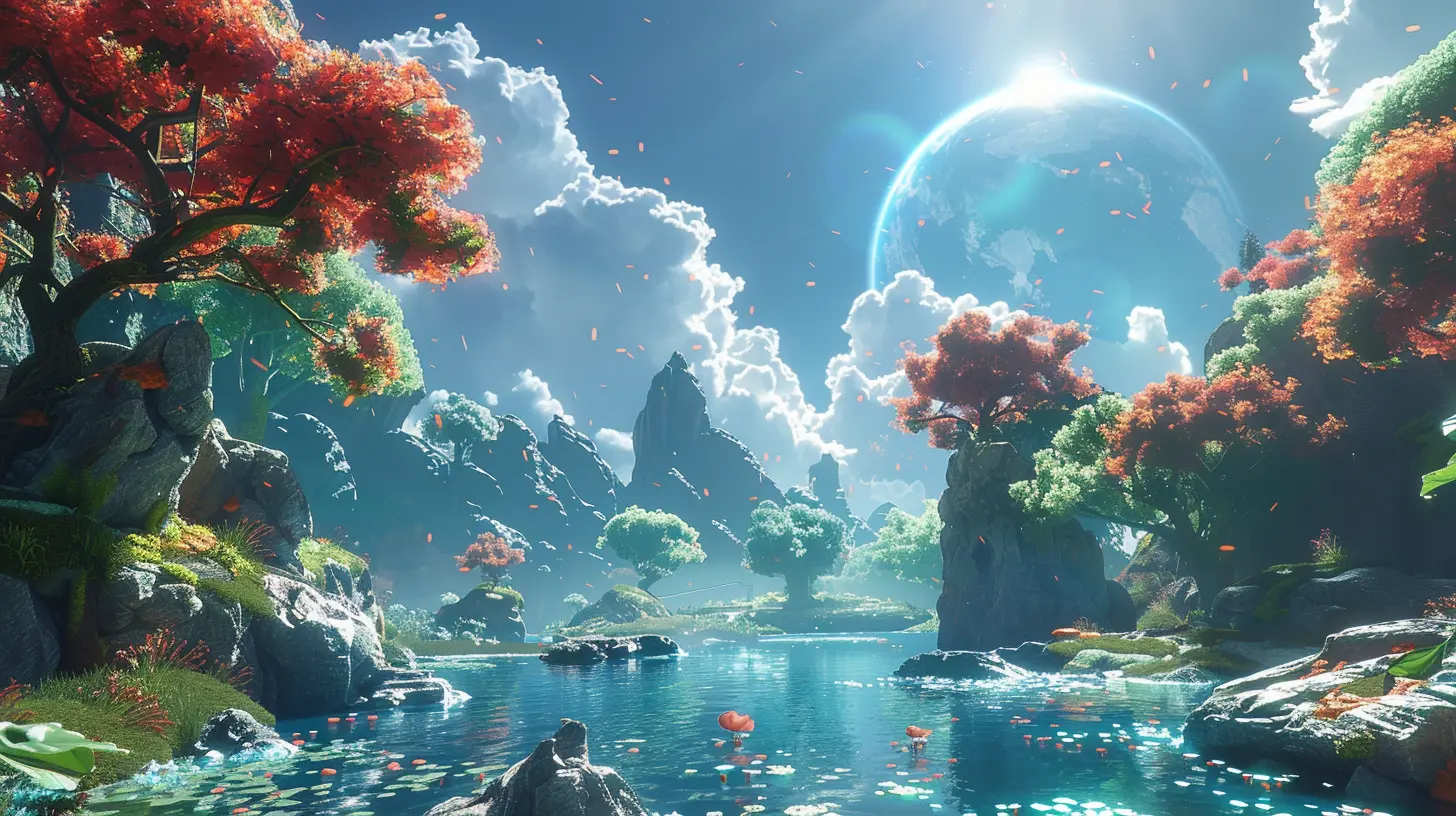
What Are Nonlinear Games, Anyway?
Before we start unpacking all the magic, let's break this down. A nonlinear game is a game where you aren't forced to follow a strict mission or storyline path. Instead, the world is open—or at least semi-open—and you're encouraged to move at your own pace, make your own choices, and write your own story.Think games like The Legend of Zelda: Breath of the Wild, Elden Ring, or Red Dead Redemption 2. These titles don’t just let you roam—they hide secrets, stories, and surprises around every corner, waiting to be discovered by players who are curious enough to look.
Why Curiosity Should Be Rewarded in Games
Games are at their best when they make us feel like we’re part of something bigger than ourselves. And what better way to feel that than by stumbling upon a hidden cave, an abandoned house full of forgotten lore, or a powerful weapon tucked away in a mountain temple?Rewarding curiosity builds immersion. It makes the world feel lived-in and real—like it's not just a backdrop for your hero’s journey but a character in its own right. Plus, it gives players a sense of pride. You didn’t just follow instructions—you found that secret.
In short, it makes exploration matter.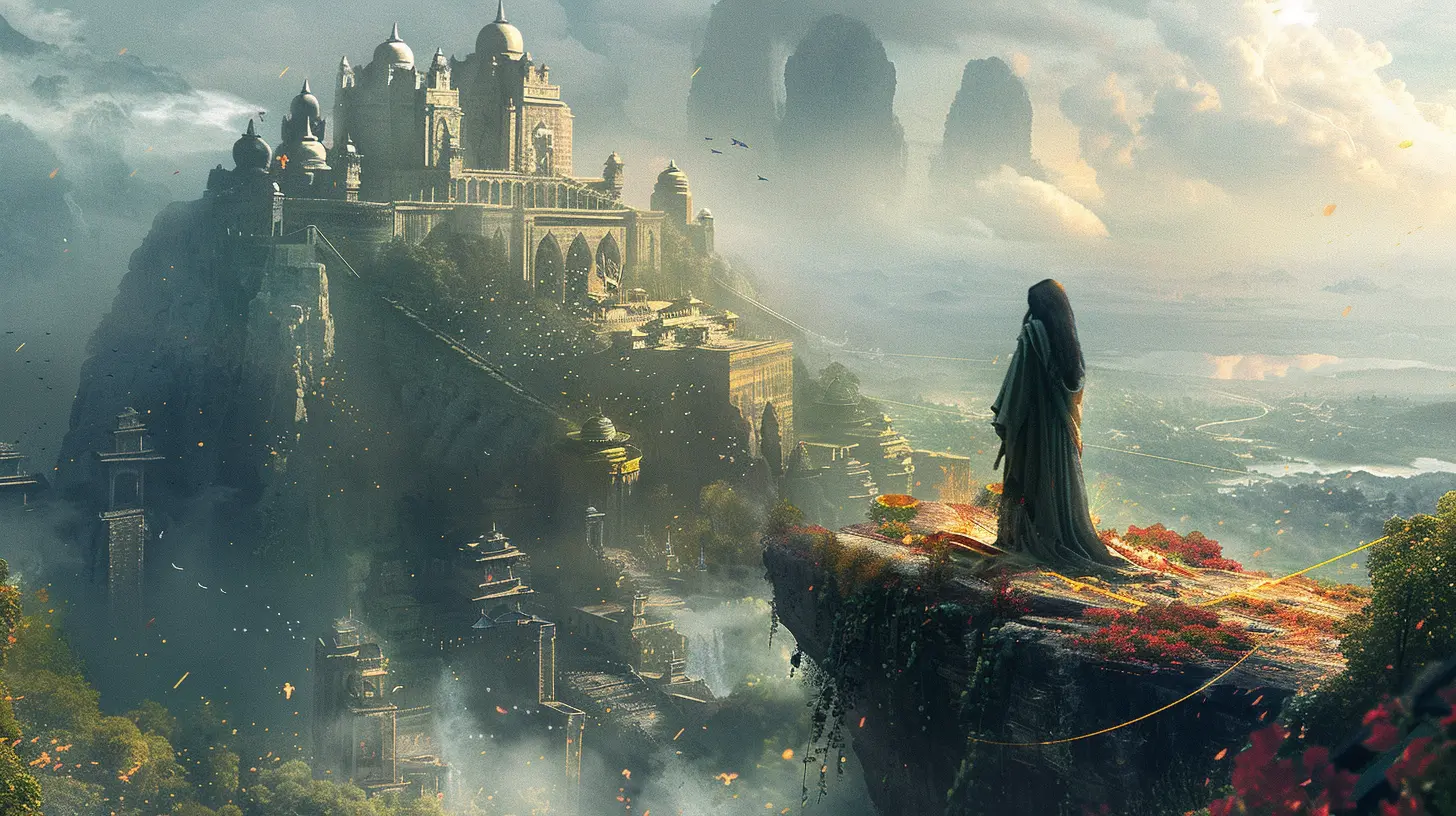
The Joy of Discovery
Ever wandered off the main quest and stumbled upon something jaw-dropping you weren’t supposed to find? That’s the heart of nonlinear design. Nonlinear games often don’t tell you exactly where to go or what to do. Instead, they whisper suggestions, and the rest is up to you.There’s a certain magic in discovering a storyline or event that you could’ve easily missed. Like an intimate side quest in The Witcher 3 that unfolds over hours, or a strange NPC encounter in Dark Souls that leads to unexpected outcomes.
You start to realize: the game respects your time and intelligence. It’s not handing everything to you—it’s inviting you to seek, to look, to wonder.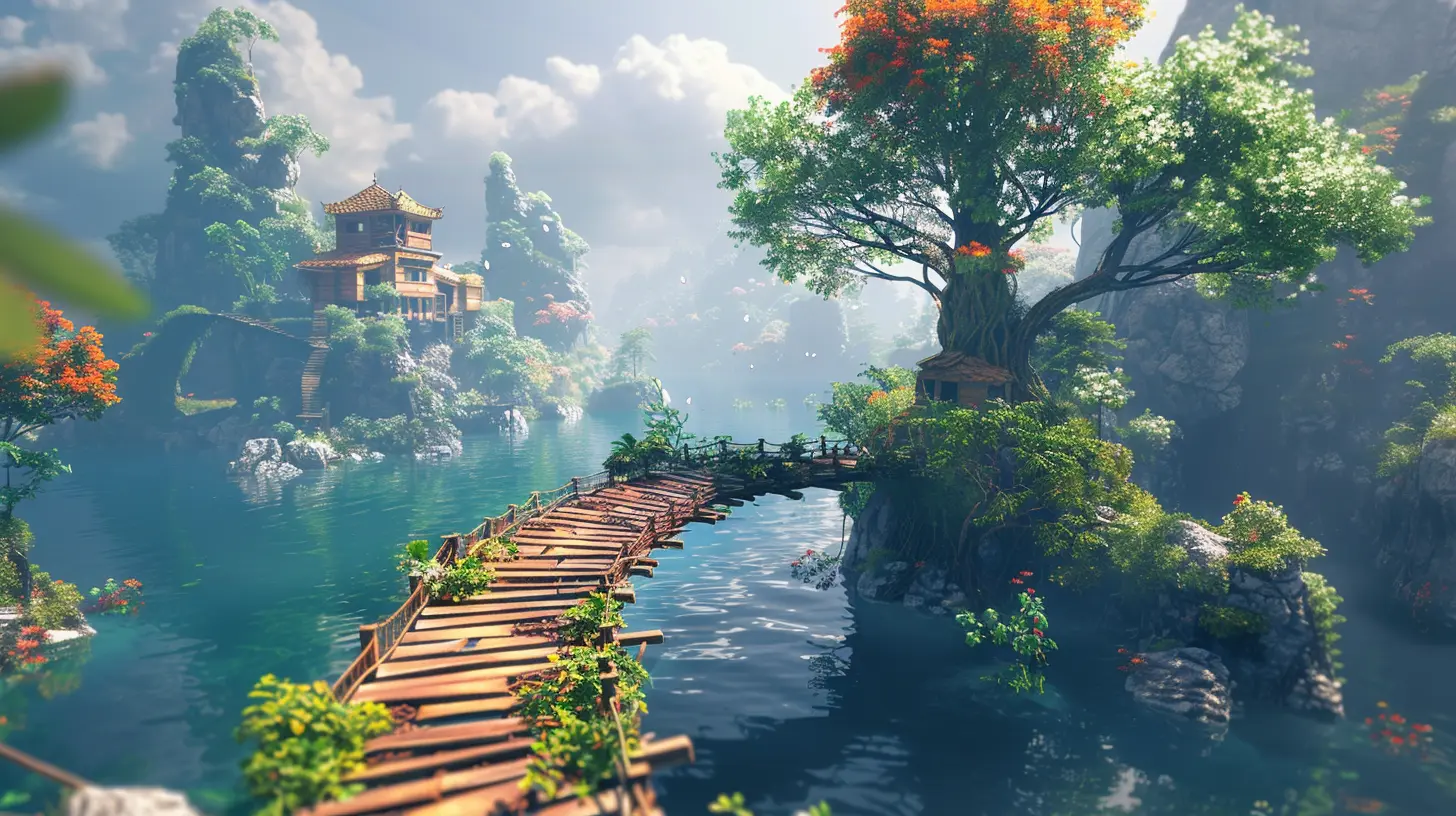
Games That Nail Nonlinear Exploration
Let’s talk about some game worlds that have absolutely nailed this concept—they practically turn curiosity into a superpower.1. The Legend of Zelda: Breath of the Wild
This game redefined open-world design. Right from the beginning, you can go anywhere. See that mountain? You can climb it. That glowing thing in the distance? Run towards it.Nintendo crafted a world where every inch is worth exploring. And the best part? You’re constantly finding weird puzzles, mini-bosses, hidden shrines, or quirky interactions that make you stop and say, “Whoa, I didn’t expect that.”
2. Elden Ring
FromSoftware took its signature cryptic worldbuilding and amplified it in Elden Ring. You're thrust into a massive, interconnected fantasy world with very little hand-holding. No blinking quest markers. Just vibes.You’ll find hidden dungeons, bizarre NPCs with tragic backstories, entire areas tucked away in corners you might never reach unless you’re just... curious. The game practically begs you to step off the main path and get lost.
3. Red Dead Redemption 2
This one’s a masterclass in environmental storytelling. Rockstar filled their open world with detail—abandoned shacks, hidden caves, strange figures in the woods—all telling stories without a single spoken word.Investigating a rundown cabin might reveal a dark tale of betrayal. Stumbling upon a skeleton in a swamp could lead to finding a legendary weapon. These aren’t marked on your map. They’re just there, waiting for attentive players to find them.
4. Outer Wilds
This is curiosity incarnate. Outer Wilds doesn’t have combat or a quest log. The entire game is built around exploration, mystery, and discovery. You’re in a solar system caught in a time loop, and your goal is to figure out why.Every planet you visit is a puzzle. Every clue is a piece of a much bigger picture. There’s nothing to grind, no skill trees to unlock—just pure, beautiful inquiry.
How These Worlds Encourage You to Explore
So what’s the secret sauce? How do these games push you to explore without throwing up a neon sign that says “Hey! Look here!”?Let’s break it down.
Environmental Cues
A crumbled wall, a trail of blood, or a flickering light in the distance—these subtle hints pull you in without breaking immersion. Your brain picks up on these clues, and the game never has to scream at you to notice them.Atmospheric Storytelling
In games like Dark Souls or Hollow Knight, the story isn’t dumped on you. It’s layered into the world—a world that’s begging for interpretation. The reward? A richer understanding of the game’s lore and themes.Risk and Reward
Nonlinear games often bake in smart risk/reward mechanics. Want to explore that haunted mansion at night? It’s dangerous, sure—but you might find treasure. Or maybe a clue that opens up an entire new questline.Minimal Hand-Holding
Sometimes, less is more. A blank map can be more exciting than a cluttered one. When games don’t overload you with tasks, your mind starts to wander. You become the content creator—and that's incredibly empowering.The Emotional Payoff of Being Curious
Nonlinear worlds don’t just offer gameplay bonuses—they give emotional satisfaction. Finding a hidden area isn’t just about loot. It’s about feeling smart. Feeling adventurous. Feeling like you uncovered something special that most players probably missed.It’s the same feeling you got as a kid when you climbed a tree or found a secret attic in your grandma’s house. That little rush? That little “I’m not supposed to be here, but here I am”? That’s gold.
Games that reward curiosity tap into that primal feeling of discovery. And honestly, in an era where so much content is spoon-fed, that feeling is priceless.
Curiosity Breeds Replayability
Another cool thing? Games that reward exploration tend to stay fun long after the credits roll. Why? Because you know there’s more out there.You’ll find yourself jumping back in months later, chasing the secrets you missed. Maybe it’s a side quest you skipped. Or a mythical creature you never found. These games have layers—like a well-written book that keeps unfolding each time you read it.
Tips for Getting the Most Out of Nonlinear Worlds
Alright, so you're fired up and ready to dive into some nonlinear adventures. Here are a few quick tips to help you squeeze every drop of wonder from your journey:- Slow Down: Don’t rush. Take your time. Look around. Smell the flowers (or pixelated mushrooms).
- Follow Your Gut: See something that catches your eye? Go check it out. Even if it seems insignificant.
- Talk to Everyone: NPCs can drop valuable hints or kick off entire questlines.
- Read Item Descriptions: Especially in games like Dark Souls, item descriptions are packed with lore.
- Play With No Map (Sometimes): Trust your instincts. You might be surprised where they take you.
The Future of Nonlinear Game Worlds
The tide has shifted. More and more developers are moving away from linear, checklist-heavy designs and leaning into player freedom and environmental storytelling. Indie games are especially pushing the envelope here, with fresh mechanics and worlds that reward players for thinking outside the box.As game tech improves—AI, procedural generation, narrative tools—we’re looking at a future where game worlds become even more responsive to our curiosity. Imagine a world that not only waits for you to explore but evolves because you explore it.
How crazy cool would that be?
Final Thoughts
Nonlinear game worlds that reward curiosity aren’t just games—they’re experiences. They make you feel like an adventurer, a detective, a wanderer in a world brimming with secrets. At their best, they remind us why we fell in love with gaming in the first place.So next time you boot up a game and think, "Should I take a detour?"—the answer is always yes.
Go get lost. You might find something amazing.
all images in this post were generated using AI tools
Category:
Game WorldsAuthor:

Leandro Banks
Discussion
rate this article
2 comments
Uzi Cox
Great article! Nonlinear game worlds truly enhance exploration and creativity, making every player's journey unique.
March 19, 2026 at 4:22 AM
Leandro Banks
Thank you! I'm glad you enjoyed it and appreciate your insights on the uniqueness of nonlinear game worlds!
Fatima Reed
Nonlinear game worlds offer players exploration freedom, fostering curiosity and engagement. These environments enhance storytelling, allowing for diverse experiences and rewarding players' willingness to discover.
March 18, 2026 at 3:59 AM
Leandro Banks
Thank you for your insightful comment! I agree that nonlinear game worlds not only enhance exploration and engagement but also enrich storytelling, offering players unique and rewarding experiences.