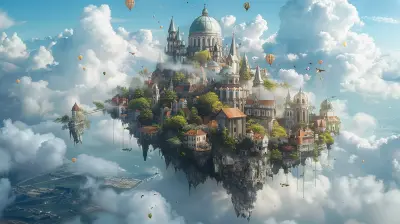
Open World Games and the Illusion of Freedom
24 April 2026
If you’ve ever booted up an open-world game and felt that rush — you know, the “I can go anywhere and do anything!” moment — you’re not alone. Open-world games are designed to make you feel like the world is your oyster. But here’s the million-dollar question: are you really free in these massive digital playgrounds, or is it just an illusion carefully crafted by developers?
Let’s pull back the curtain and dive into the reality behind open-world games and the illusion of freedom they often sell us.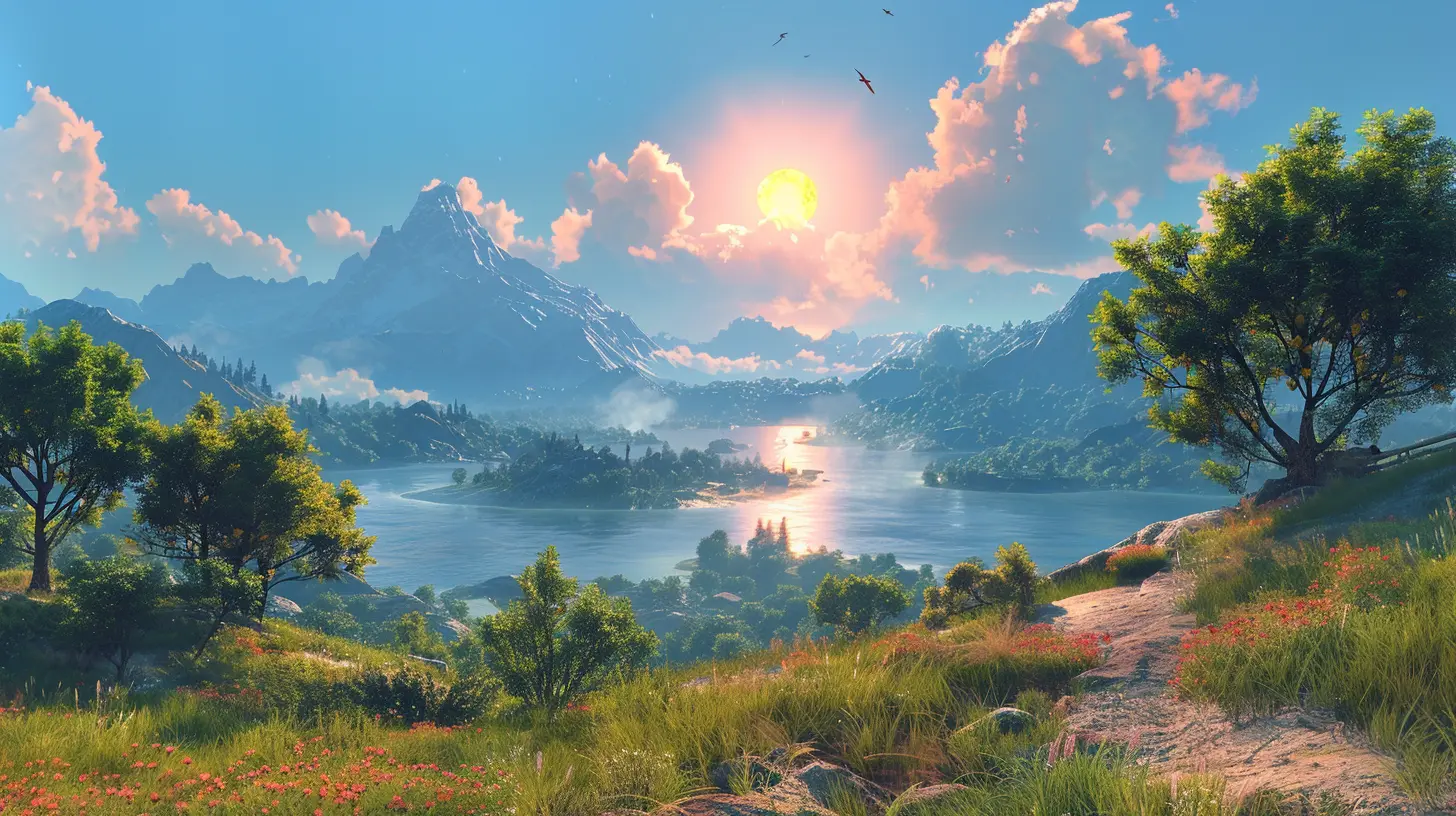
What Are Open World Games, Really?
Before we start breaking down the illusion, let’s define what we’re talking about.An open-world game is a type of video game where players can roam freely through a virtual world and aren’t forced to follow a strictly linear path. Think of games like The Legend of Zelda: Breath of the Wild, Grand Theft Auto V, or The Witcher 3. You’re dropped into a big, sprawling map and told, “Go do your thing!”
That’s the magic. You drive, climb, fly, or ride through breathtaking landscapes, complete quests in whatever order you like, and shape your own adventure. Or do you?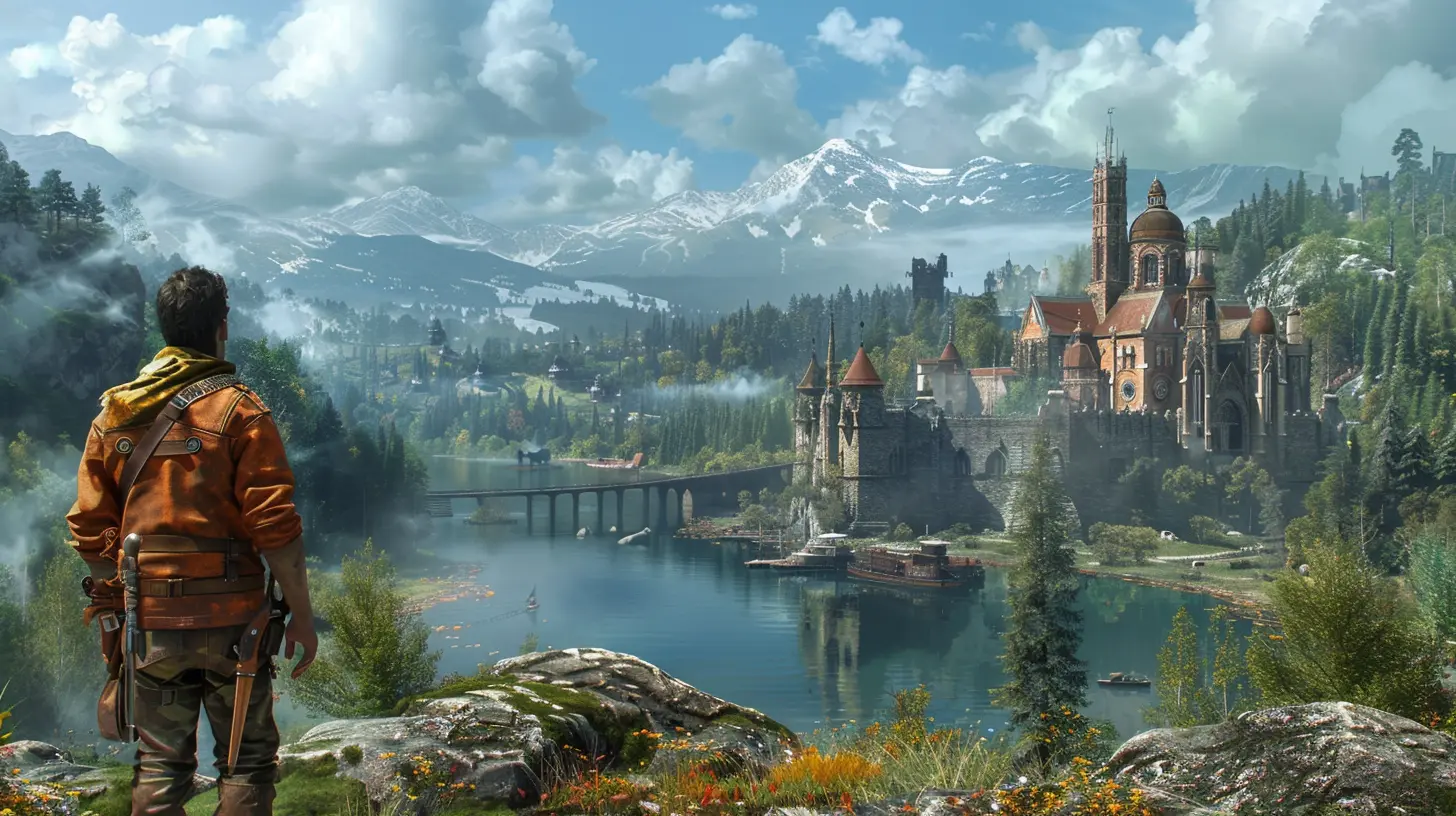
The Allure of Boundless Exploration
There’s something seriously satisfying about open-world games. You get to:- Craft your own story
- Set your own pace
- Ignore the main quest for hours (or forever)
- Discover hidden treasures and Easter eggs
- Just vibe in a beautifully rendered world
It’s freedom in a box, right?
Well… sort of.
The Invisible Hand of Game Design
Here’s where things get interesting.Even though it feels like you’re making all the decisions, open-world games are actually full of invisible boundaries. Game designers subtly push you in certain directions, whether through:
- Environmental design
- Quest incentives
- Level progression barriers
- Story triggers
- Artificial limitations
Remember that time you wandered into a zone way above your level and got one-shot by a wolf three times your size? That wasn’t freedom — that was the game politely (or not so politely) nudging you the other way.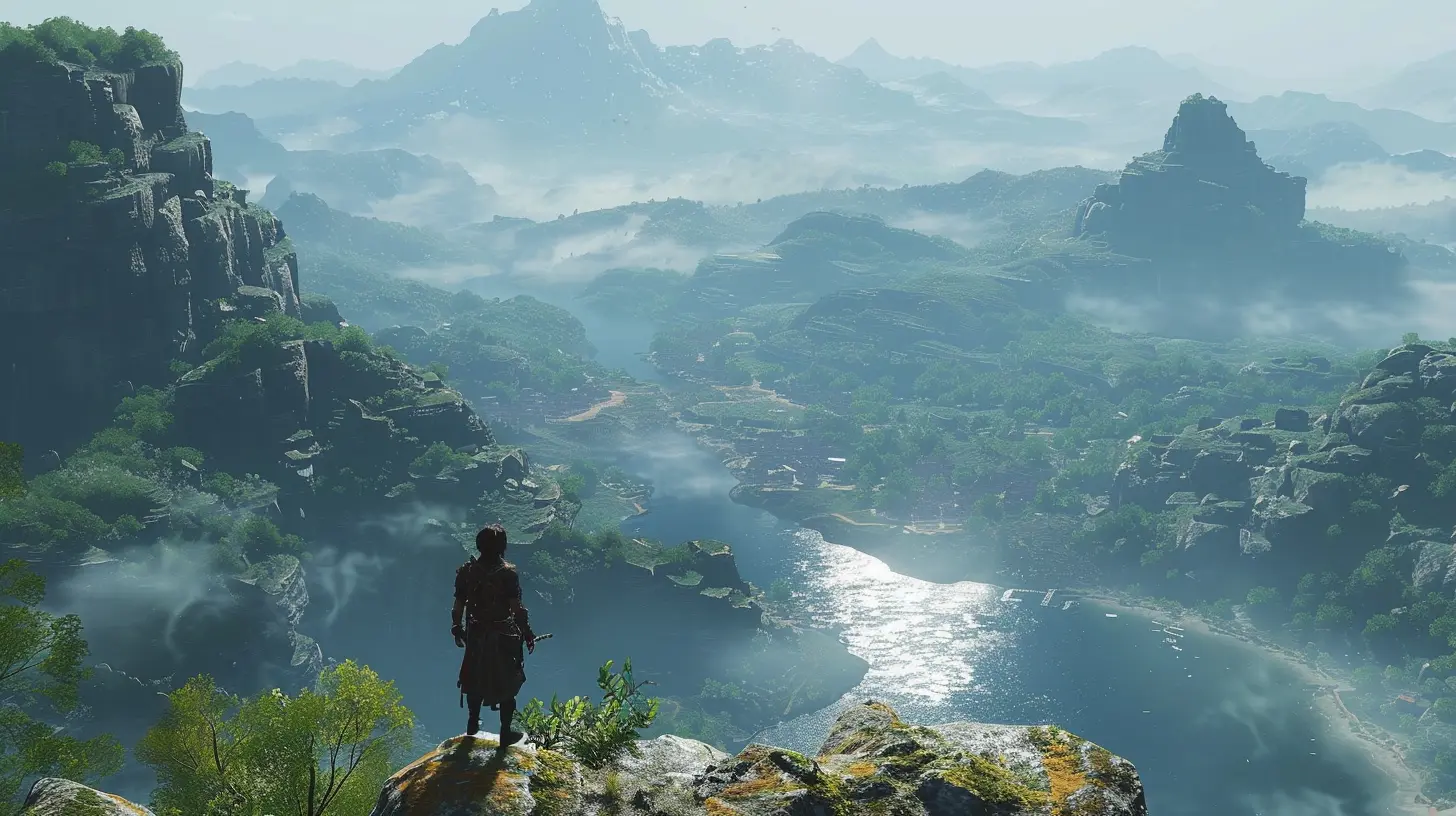
The Sandbox Isn’t Infinite
Think of an open-world game like a giant sandbox in your backyard. Sure, you can do a lot inside it. Build sandcastles, dig holes, maybe stick a flag in the center. But the sandbox has walls. You can’t go into the neighbor’s yard, even though the game might make it look like you can.In other words, the “open world” isn’t actually open. It’s open-ish. Behind the scenes are boundaries you can’t cross, areas you can’t reach yet, and rules you can’t break.
Choice vs. Meaningful Choice
Okay, so maybe you can go anywhere on the map. But how much do your choices actually matter?Let’s talk about choice overload. Open-world games tend to bombard you with dozens — sometimes hundreds — of quests, side missions, collectibles, and random encounters. On the surface, this feels empowering. You choose what to do!
But often, these choices are superficial. Whether you help the farmer with his lost sheep or clear out a bandit camp, the outcome doesn’t change the world in a meaningful way. These “choices” offer variety, not impact.
Sure, the occasional big decision might change an ending or unlock a new area, but for the most part, your freedom is more about what to do next, not how your actions shape the world.
Narrative on Rails (With the Illusion of Pathlessness)
One of the sneakiest aspects of open-world games is how their stories are still linear at heart.Yes, you can tackle tasks in a different order, but most games still give you a story arc with a clear beginning, middle, and end. You’re not writing your own novel — you’re interleaving side plots into someone else’s book.
Some developers are better at masking this "narrative on rails" than others. Rockstar, for example, wraps tight stories into sprawling maps, but you’ll still need to hit the key story beats in a certain sequence to move the plot forward.
Are We Just Chasing Icons?
Open your map in any major open-world game, and what do you see?- Question marks
- Exclamation points
- Minigames
- Loot stashes
- Checklists galore
It’s easy to fall into the trap of icon chasing — hopping from one point of interest to another like a tourist with a to-do list. Suddenly, your grand adventure starts feeling like a second job.
This is where the illusion really sets in. You're not wandering organically; you’re following a dotted path of dopamine breadcrumbs.
The Paradox of Choice
Here’s a weird twist: sometimes, too much freedom can paralyze us.It’s called the Paradox of Choice. The more options we have, the harder it becomes to make a decision — and to feel satisfied once we do.
In open-world games, this can lead to decision fatigue. With five quests, three crafting recipes, two towns to explore, and a message saying you’ve got mail, it’s easy to feel overwhelmed. And when that happens, the sense of freedom can morph into boredom or stress.
The Best Open World Games Break Their Own Rules
So, are all open-world games a lie? Not quite.The best ones give you freedom within context and make your choices feel impactful, even if the outcome is carefully scripted.
Let’s look at a few examples:
1. Breath of the Wild
This game hands you a glider and says, “See that mountain? You can climb it.” And you actually can. The physics system, weather, stamina mechanics, and creative puzzles all give you tools to experiment and explore in ways that feel genuinely player-driven.2. Red Dead Redemption 2
While the main story is certainly linear, the world feels alive. People remember you. Actions have consequences. And sometimes just riding your horse at sunset, hunting, or playing poker feels like the real game.3. Elden Ring
This game says, “Hey, we’re not holding your hand. Go figure it out.” It doesn’t overload you with map icons or side quests; instead, it trusts you to explore organically and find hidden gems on your own.The Role of Player Imagination
Here’s where we, the players, come in.Open-world games give you tools and spaces, but it’s your imagination that breathes life into them. You invent stories between the cracks. You make your own fun.
Remember that time you tried to survive using only a slingshot? Or followed a butterfly through the woods for no reason, then stumbled into a hidden cave? That wasn’t on a checklist — that was your story.
Sometimes, the illusion of freedom is just as powerful as real freedom. It’s like being in a dream where you know you’re dreaming, but decide to keep dreaming anyway, because it’s fun.
It’s Not About Unlimited Freedom — It’s About Engaging Possibility
At the end of the pixelated day, open-world games don’t have to offer total freedom to be fulfilling. What really matters is the feeling that your actions have purpose, your choices have flavor, and your journey is uniquely yours.Just like a great amusement park, a well-designed open world takes you on a ride you control — even if the tracks were laid long ago.
So, next time you find yourself climbing a random cliff just because it’s there, ask yourself: Does it really matter if this freedom is real or an illusion?
Maybe the answer is: who cares, as long as it’s fun?
Final Thoughts: Embrace the Illusion, But Stay Aware
Open-world games aren’t lying to you — they’re just really, really good at storytelling, world-building, and subtle hand-holding. They give you a convincing illusion of freedom, and that in itself is an art.The trick is to enjoy the magic while keeping your gamer goggles clean. Know when you're being nudged, notice the limits, but don’t let that sap your enjoyment. After all, even within constraints, creativity thrives.
And isn’t that the whole point of gaming — to play?
all images in this post were generated using AI tools
Category:
Game WorldsAuthor:

Leandro Banks
Discussion
rate this article
2 comments
Anastasia Watson
Freedom without consequence is just a bigger cage. Great piece.
April 29, 2026 at 2:25 PM
Leandro Banks
Thank you! That's a thought-provoking take. Freedom really does come with its own set of challenges.
Emory Bryant
Freedom to explore—or just wander aimlessly?
April 24, 2026 at 4:12 AM
Leandro Banks
It's a bit of both. Open world games offer the chance to explore, but sometimes we do find ourselves wandering without purpose. That balance is what makes the experience unique.