Post-Apocalyptic Game Worlds Done Right
25 January 2026
Ever wondered why some post-apocalyptic games just click, while others feel as empty as a blown-out wasteland? There’s a fine art to crafting a believable, immersive post-apocalyptic world. It's not just about abandoned cities and rusted-out vehicles — though, let's be real, those are awesome — it’s about telling a story through atmosphere, survival mechanics, lore, and interactions that pull you in and don’t let go.
So grab your backpack, load up your virtual shotgun, and let’s dive into the ruins. We’re talking about post-apocalyptic game worlds done right — the ones that aren’t just fun to play, but unforgettable to experience.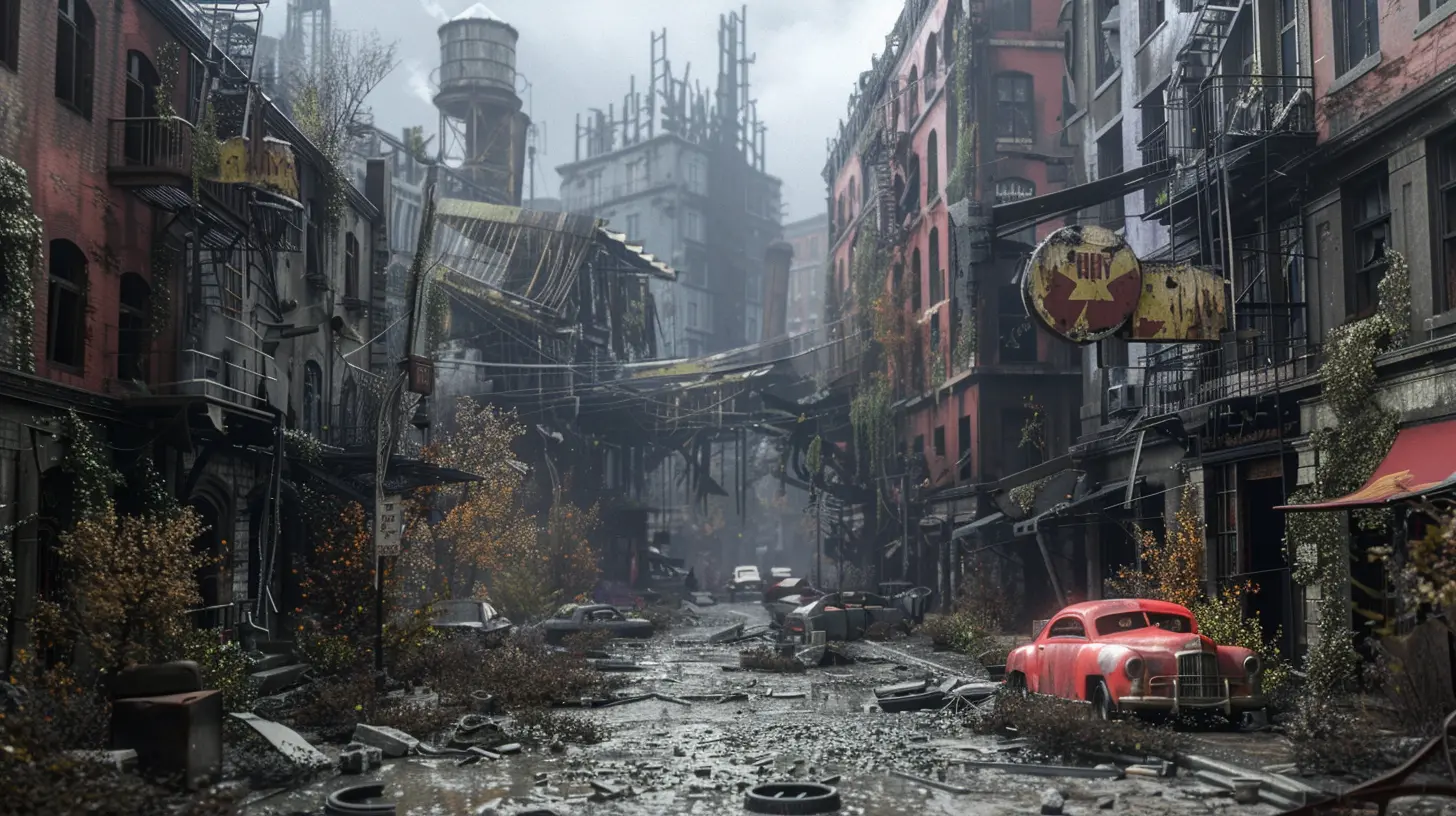
What Makes a Post-Apocalyptic Game World Truly “Good”?
Before we start name-dropping games, let’s answer this: what makes a post-apocalyptic setting stand out?Is it the grim tone? Is it the ruined cities overtaken by nature? Maybe it’s the mutated creatures or the desperate struggle for survival?
The truth is — it’s all that and more. But the best post-apocalyptic game worlds tick a few crucial boxes:
- Atmosphere that tells a story
- Believable world-building
- Interesting factions or survivors
- Environmental storytelling
- Survival mechanics that aren’t annoying
- Freedom of choice (because chaos demands options!)
When all these pieces come together, you've got a game world that not only entertains, but haunts you (in a good way) long after you’ve put the controller down.
Let’s break down the genre's stand-out worlds and what makes them tick like a nuclear time bomb.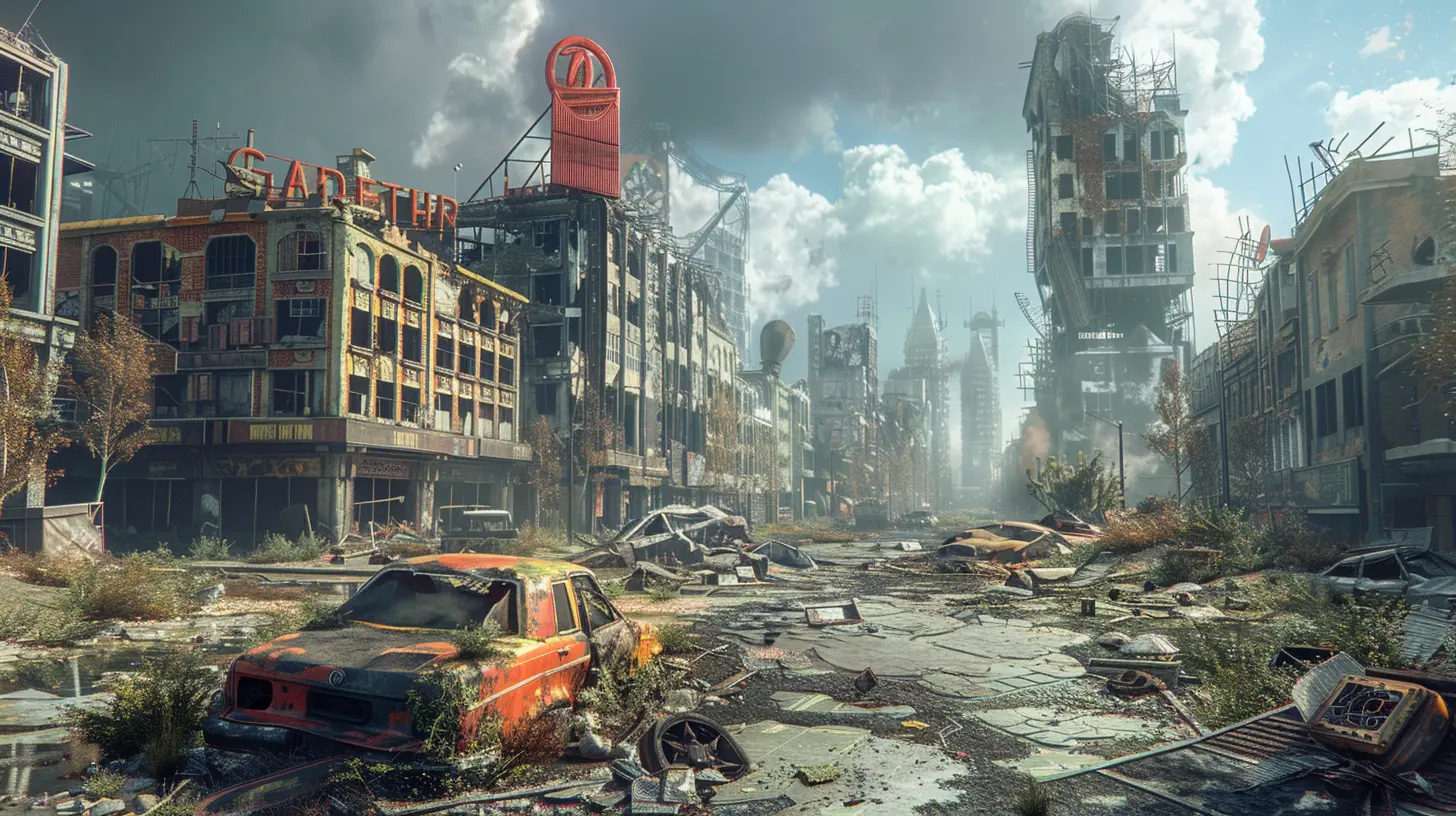
Fallout Series – The Granddaddy of the Wasteland
You expected this, right? Fallout is the first name most gamers think of when it comes to post-apocalyptic settings, and for good reason.A Retro Future That Got Nuked
Fallout nails that unique 1950s retro-futuristic vibe. There's something eerily charming about its fusion of cheerful pre-war advertisements with the bleak, irradiated reality that follows.From the grim decay of Fallout 3’s Capital Wasteland to the sun-bleached casinos of Fallout: New Vegas, the series offers world-building masterclasses. Each location has its own twisted backstory, and it all feels grounded in the chaos that followed the bombs.
Moral Chaos in the Wasteland
Another win? Choices. Fallout is all about moral ambiguity. Want to be a hero? A villain? Something messy in between? Go for it. The world's already gone to hell — your decisions are the spice.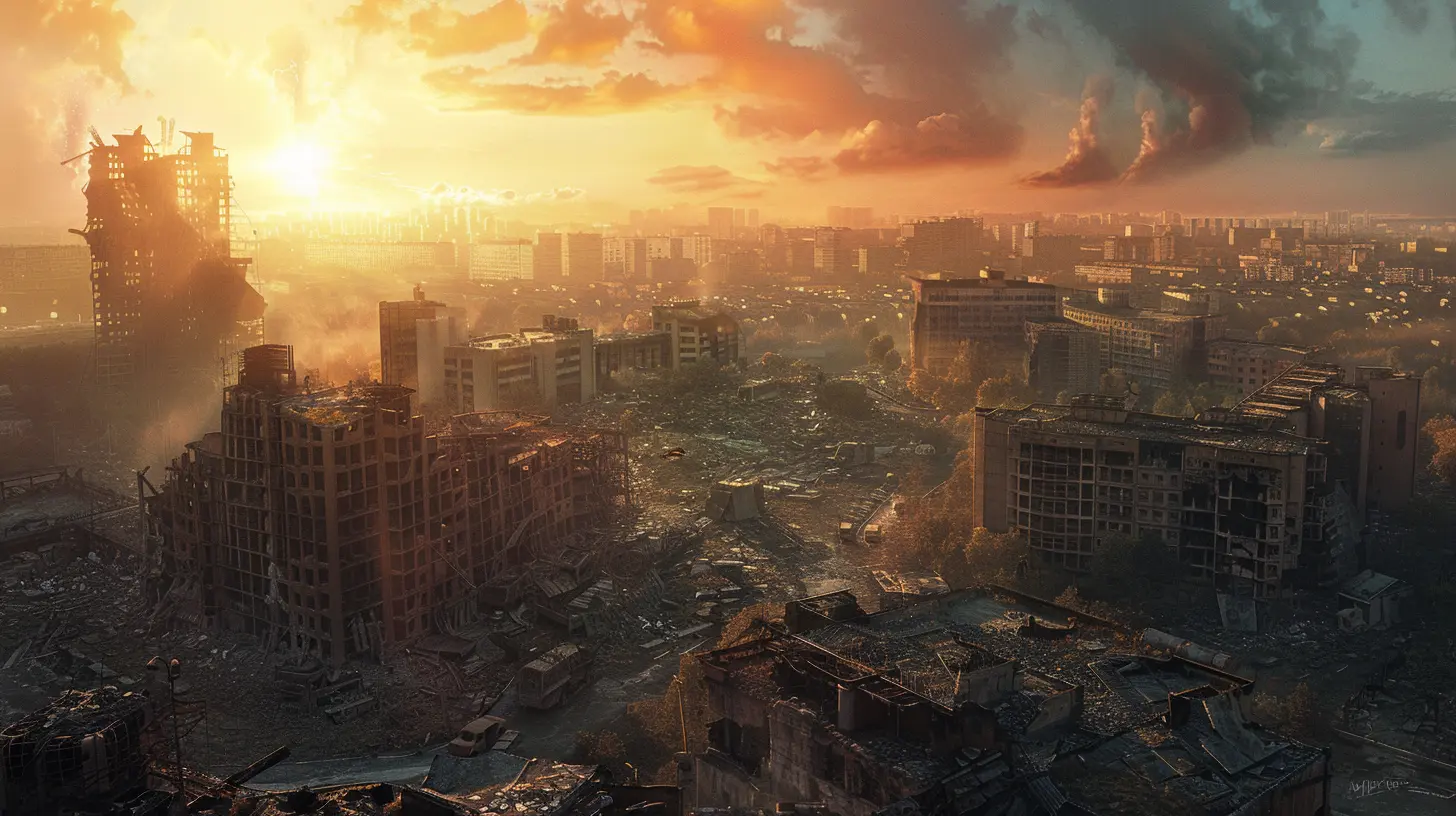
The Last of Us – Humanity on the Edge
If Fallout is about rebuilding after destruction, The Last of Us is about desperately clinging to what’s left.Emotional Grit and Realism
What sets The Last of Us apart is its emotional weight. Joel and Ellie’s journey through a decaying America is built on tight storytelling, heartbreaking choices, and characters who feel painfully real.The Cordyceps infection might be fictional, but the societal collapse and desperation? That hits close to home.
Nature Strikes Back
The game’s environmental design is breathtaking — cities swallowed by nature, underground communities turned into overgrown tombs. Every ruined building whispers stories of those who didn’t make it.It’s post-apocalyptic storytelling where the silence is often louder than gunfire.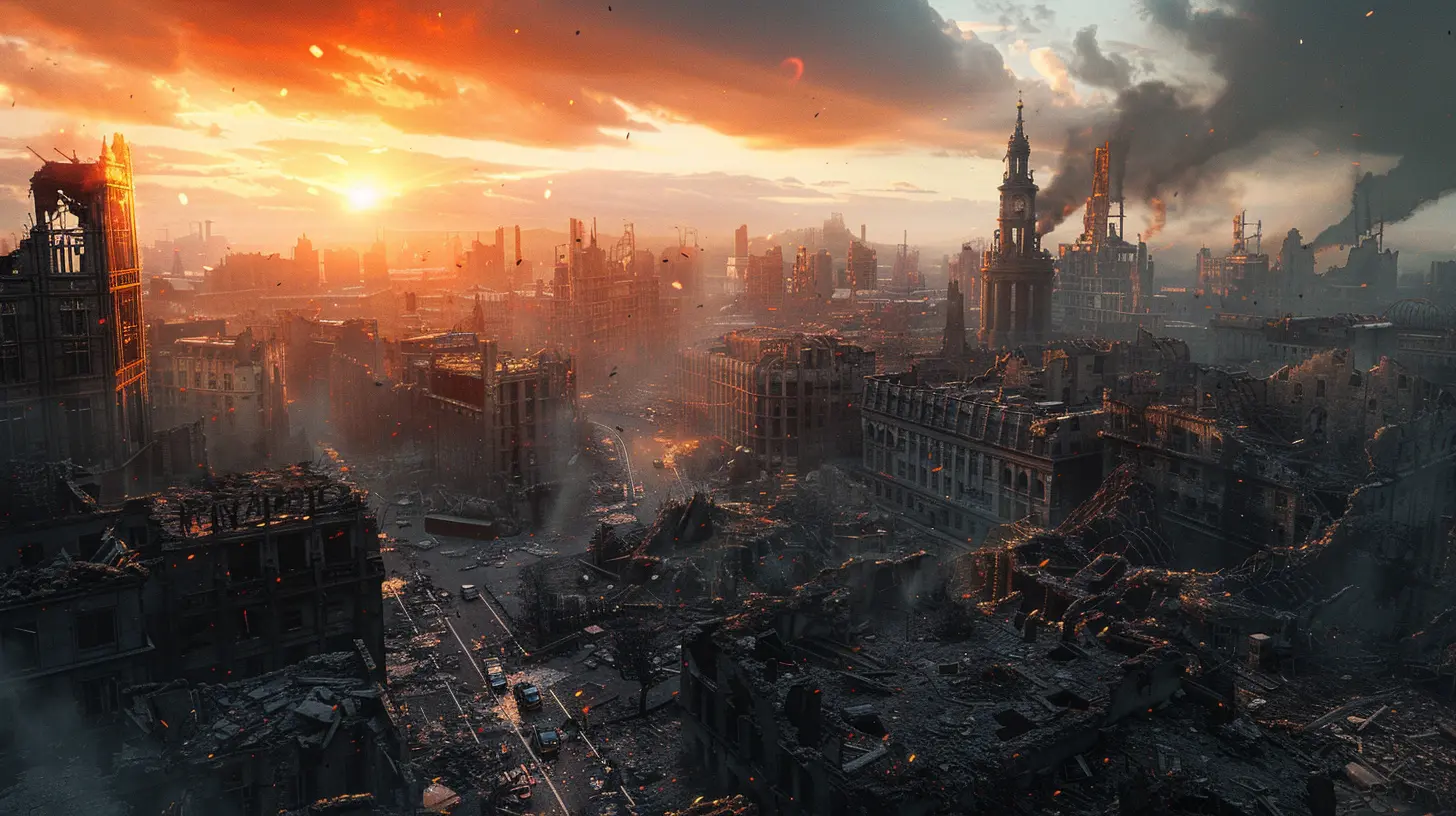
Metro Series – Underground Terrors of a Radioactive Russia
Climbing out of American ruins and diving into post-apocalyptic Moscow, the Metro series gives us something different — claustrophobia.Life Underground
After nuclear war, survivors in Metro 2033 (and its sequels) hide in the Moscow Metro system. The world above is a frigid death zone filled with mutants and radiation, while the tunnels below are barely better.Every flickering light and distant growl builds tension. You’re not the hero saving the world — you’re just trying to make it to the next station alive.
Scarcity Feels Real
Ammo is currency. Gas masks break. Resources are limited. It's survival horror wrapped in political commentary, sprinkled with mutated nightmares. It’s dirty, dark, and brilliant.Horizon Zero Dawn – Post-Apocalypse With a Sci-Fi Twist
Now here’s a game that flips expectations.Tech Meets Tribal
In Horizon Zero Dawn, the world ended not with a bang, but with machines. Centuries later, humanity has reverted to primitive ways — but robotic dinosaurs now roam the landscape.Sounds wild? It is. And it works like a dream.
Nature Reclaims the Earth
Mother Nature took back the world, and Aloy’s journey through these reclaimed lands is nothing short of mesmerizing. You’re walking through ancient battlefields and technology hubs buried under greenery.It’s a post-apocalyptic world that’s colorful, mysterious, and somehow... hopeful.
Days Gone – The Chaotic Beauty of the Open Road
Days Gone didn’t get the love it deserved at launch, but over time, folks realized: this game nails the vibe of a post-apocalyptic biker surviving on the road.Nomadic Vibes
You're Deacon St. John, a drifter riding through the Pacific Northwest. It's dangerous, unpredictable, and strangely calming. The road is your only ally — and sometimes your worst enemy.Freaker Hordes Are No Joke
Oh, and let’s not forget the Freakers. These aren’t your typical zombies. They move fast, travel in massive swarms, and will chase you to the ends of the earth. Fighting them feels intense, and running from them feels terrifying (and wise).This game captures post-apocalyptic freedom and fear beautifully.
Mad Max – Vehicular Mayhem Meets Wasteland Madness
When you think “apocalypse,” you probably picture a desert full of bandits in spiked cars. That’s Mad Max in a nutshell. And the 2015 game? Criminally underrated.Brutality on Four Wheels
This game builds its entire world around vehicular combat. The wasteland isn’t just a backdrop — it’s an arena. You upgrade the Magnum Opus (your car), fight war boys, and scavenge for water and fuel in a sand-blasted nightmare.Minimal Story, Maximum Immersion
The story isn’t the deepest, but the atmosphere is chef’s kiss. Every rusted-out outpost and sandstorm tells a tale of collapse. The world is savage, and survival doesn’t come easy.Why These Games Work
Let’s tie it all together. What makes these games stand out? Why do they do post-apocalyptic right?Here’s the secret sauce:
1. They Show, Don’t Tell
You don’t need a character to explain what happened. You see it. Newspapers stuck to walls. Half-eaten meals on a table. A skeleton holding a teddy bear. It’s haunting and effective.2. Survival Feels Meaningful
Whether it’s crafting a silencer out of duct tape or choosing whether to help a stranger, survival isn’t just gameplay — it’s part of the experience.3. The World Keeps Spinning Without You
The best post-apocalyptic games give the feeling that the world goes on with or without you. Factions fight. Creatures adapt. Nature takes over. You’re part of it — not the center of it.Honorable Mentions – Gems You Shouldn’t Ignore
Here are a few more titles that deserve a shout-out for doing the post-apocalyptic setting justice:- State of Decay Series: Survival with permadeath and base-building? Yes, please.
- Wasteland 2 & 3: Tactical RPG goodness in a world gone south.
- Death Stranding: Weird? Yes. But it’s a fresh take on isolation and rebuilding.
- Dying Light: Parkour + zombies = adrenaline-filled exploration.
Even if they don’t redefine the genre, they definitely bring something worthwhile to the table.
What Could Future Post-Apocalyptic Games Improve?
We love the genre, but hey, there’s always room to grow. Here are some ideas for the next wave of post-apocalyptic masterpieces:- Deeper NPC Interactions: Let us build relationships that truly change the game world.
- Dynamic Environments: More worlds that evolve based on your actions or time.
- Unique Locales: Not every apocalypse has to take place in the US. Give us Japan, Africa, Antarctica!
- Stories of Hope: Not every tale has to be grimdark. Show people rebuilding, rediscovering, reuniting.
Innovating within the genre doesn’t mean ditching the grit — it just means showing a new side of it.
Final Thoughts – Wastelands Worth Walking
Post-apocalyptic games are more than just shoot-and-loot adventures. When done right, they explore human resilience, society’s fragility, and nature’s power to push back.These game worlds may be broken, but they’re beautifully so. They invite us to lose ourselves in chaos and find meaning in the ashes.
Whether it’s scavenging for food in a metro tunnel or making a last stand against mutant wolves, these games let us live out the question: What would I do when the world ends?
So next time you're wandering through a ruined city or hanging out with a companion who might betray you — take a second to look around. The end of the world never looked so good.
all images in this post were generated using AI tools
Category:
Game WorldsAuthor:

Leandro Banks
Discussion
rate this article
2 comments
Megan Gates
Post-apocalyptic game worlds ignite our imagination and resilience! They challenge us to rebuild hope amidst chaos, proving that even in darkness, adventure and creativity thrive!
February 27, 2026 at 3:57 AM
Leandro Banks
Absolutely! Post-apocalyptic settings not only fuel our creativity but also inspire resilience, showing that hope can flourish even in the bleakest circumstances.
Skye McCallum
Beyond the ruins, whispers of lost civilizations beckon the brave to uncover secrets.
February 20, 2026 at 4:03 PM
Leandro Banks
Thank you! Exploring the remnants of lost civilizations adds depth and intrigue, making the journey all the more rewarding for players.