The Evolution of Virtual Landscapes in Video Games
28 June 2026
Gaming has come a long way since pixelated plumbers stomped on digital turtles. Let’s be honest—when we think about video games today, the first thing that often comes to mind isn’t just gameplay or characters. It's the world. The virtual landscape. The immersive settings that pull us out of our everyday lives and drop us into something magical, alien, or just plain weird.
But how did we get here? How did we go from bland, repetitive backgrounds to sprawling open worlds bursting at the seams with life, detail, and, well… soul?
Let’s dive deep into how virtual landscapes in video games have evolved—technically, artistically, and emotionally.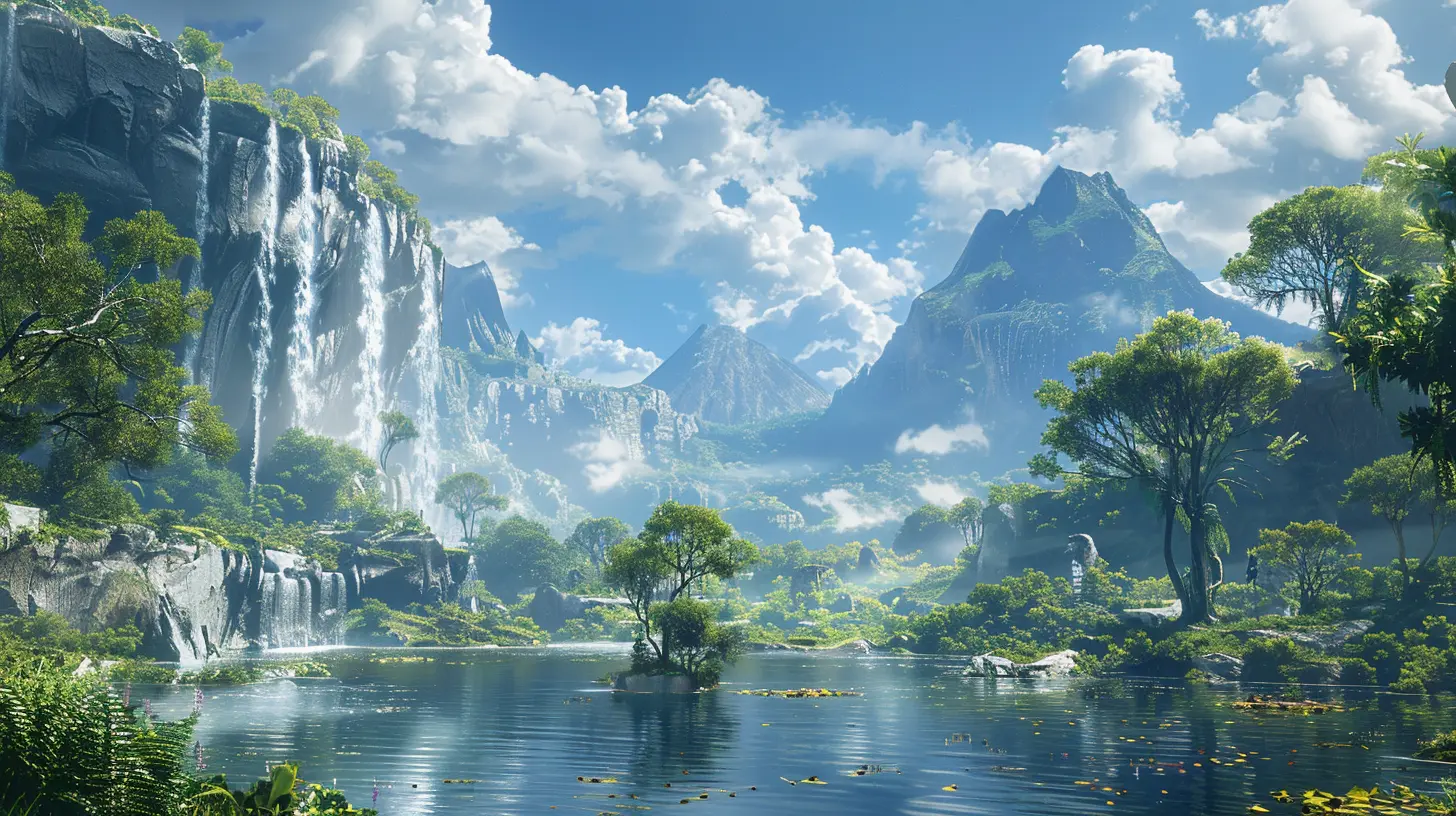
Back in the Day: From Blocks to Bitmaps
Let's rewind to the 70s and 80s. The early days of video games were charmingly primitive. Landscapes? More like colored blocks and static backdrops.In games like Pong or Space Invaders, the “landscape” was just a black screen with a few glowing sprites. No depth. No narrative. It was all about the gameplay—a digital playground rather than a world.
Then came the 8-bit era. With it, side-scrolling games like Super Mario Bros. began showing off slightly more complex environments. Grasslands, underground caves, and fiery castles gave players a sense of where they were. Still, it was pretty basic—a collection of themed tiles more than a believable world.
Back then, the "landscape" was more of a backdrop, a stage set rather than an interactive environment. But it was enough to spark a sense of journey in gamers.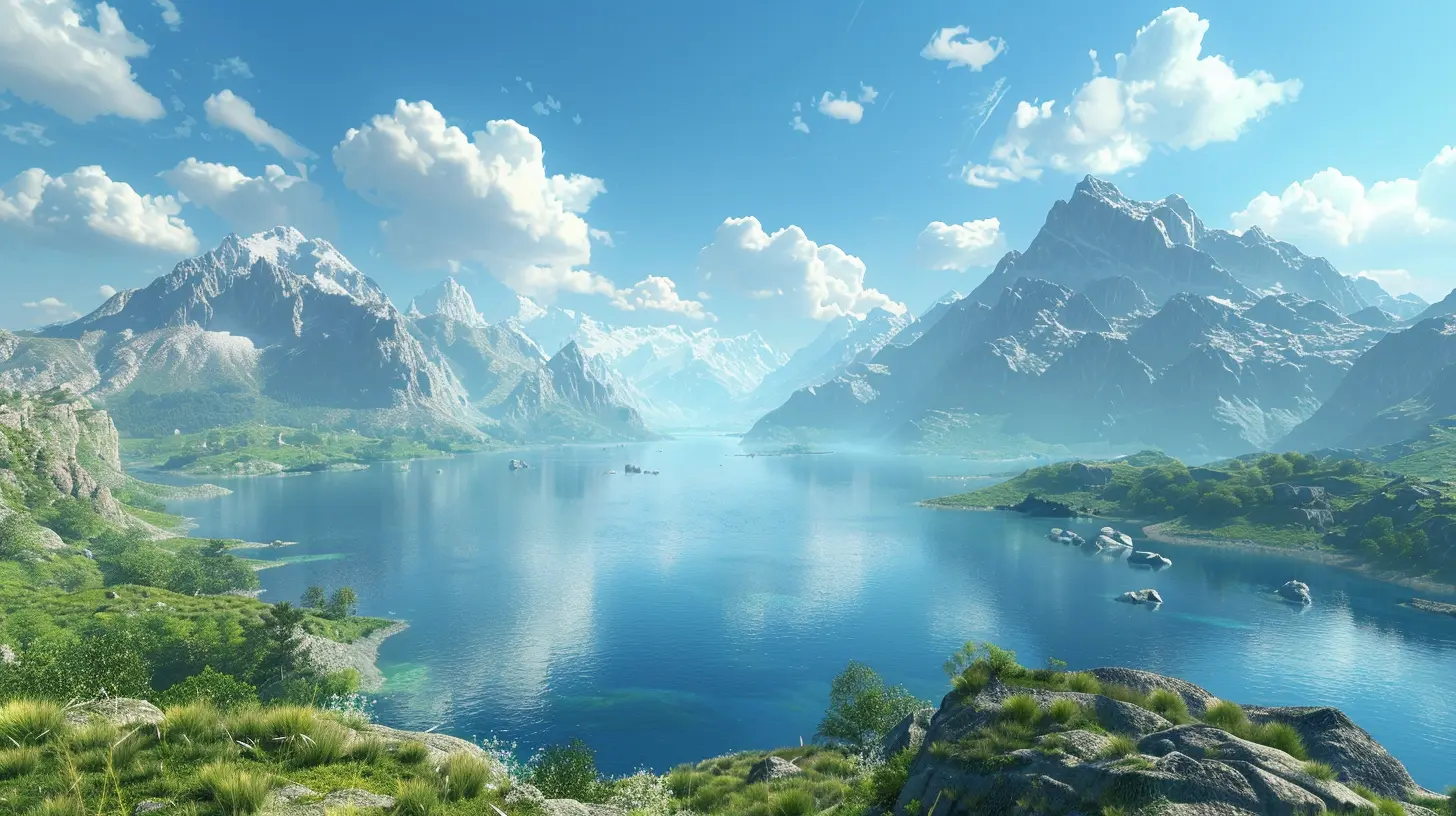
The 90s: The 3D Revolution and Immersive Worlds
This is where things took a serious turn. Thanks to the power of consoles like the PlayStation, Nintendo 64, and later the Dreamcast, we saw video game landscapes leap from 2D sprites to fully 3D worlds.The Legend of Zelda: Ocarina of Time was revolutionary. For the first time, players could ride across Hyrule Field, experiencing day-night cycles, weather, and dynamic music that reflected their surroundings. Suddenly, the game world wasn’t just there for aesthetics—it was alive.
Games like Final Fantasy VII transported us to diverse regions, from futuristic cities to ancient ruins—all rendered in 3D (mostly). Even early open-world experiments like Shenmue started paving the way for environmental depth.
Player agency and exploration became central. Landscapes weren’t just eye candy; they told stories, hinted at lore, and shaped gameplay.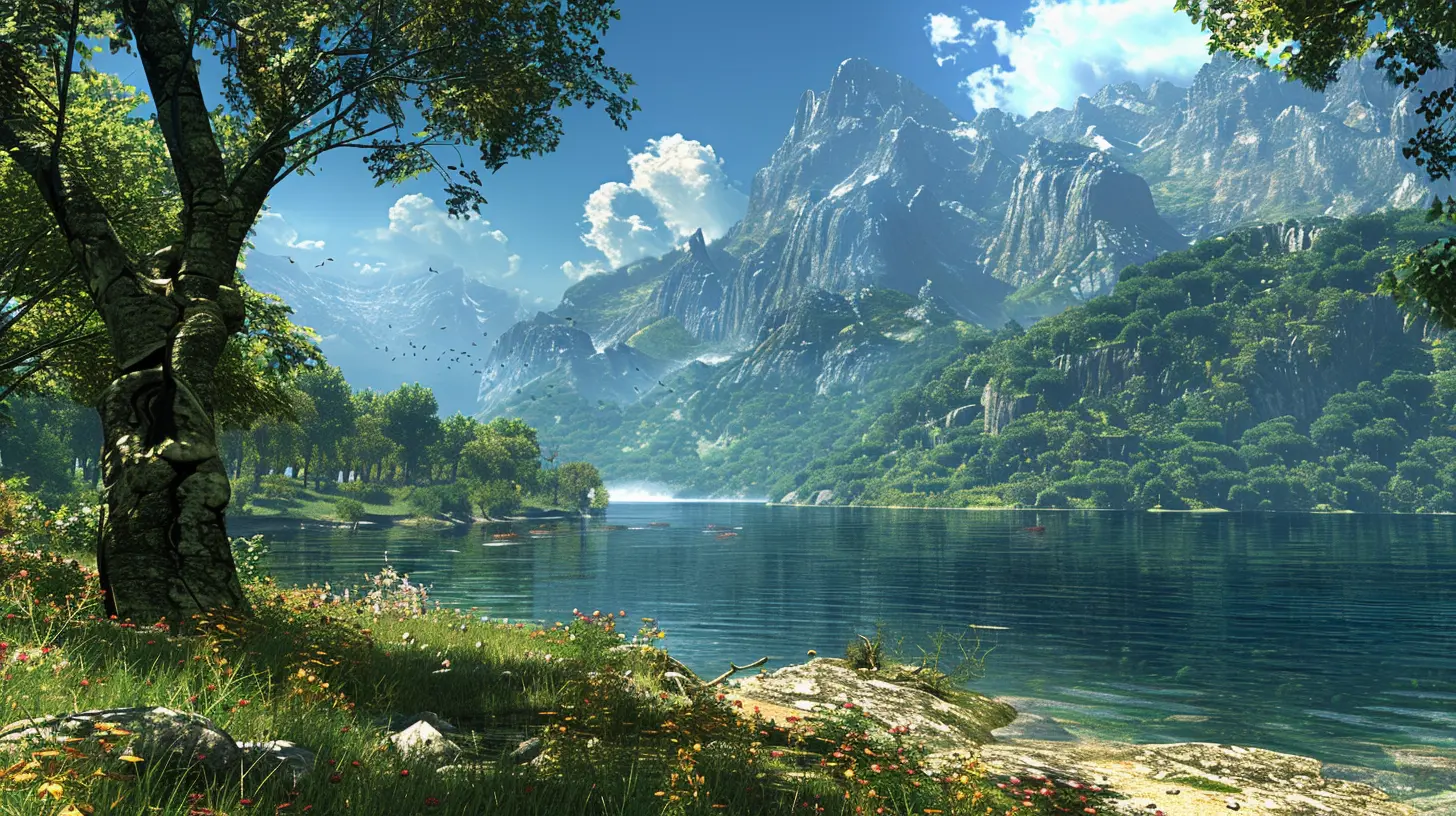
The 2000s: Bigger Worlds, Better Tools
By the time the sixth generation of consoles (PS2, Xbox, GameCube) hit shelves, developers had better tools, bigger budgets, and grander visions.Enter Grand Theft Auto III. Suddenly, we weren't just exploring forests or dungeons; we could roam an entire city. The urban sprawl of Liberty City felt real. Cars honked, pedestrians cursed, and the radio played while you drove—just like real life… but with more chaos.
Around the same time, PC games like The Elder Scrolls III: Morrowind and World of Warcraft took world-building to the next level. These weren’t just levels. They were worlds. Towns had citizens with routines. Forests teemed with creatures. Mountains could be climbed (with patience).
Developers began hiring environmental designers, geologists, and architects to make in-game worlds more grounded. And gamers started to notice. Virtual landscapes became destinations—as engaging as the gameplay itself.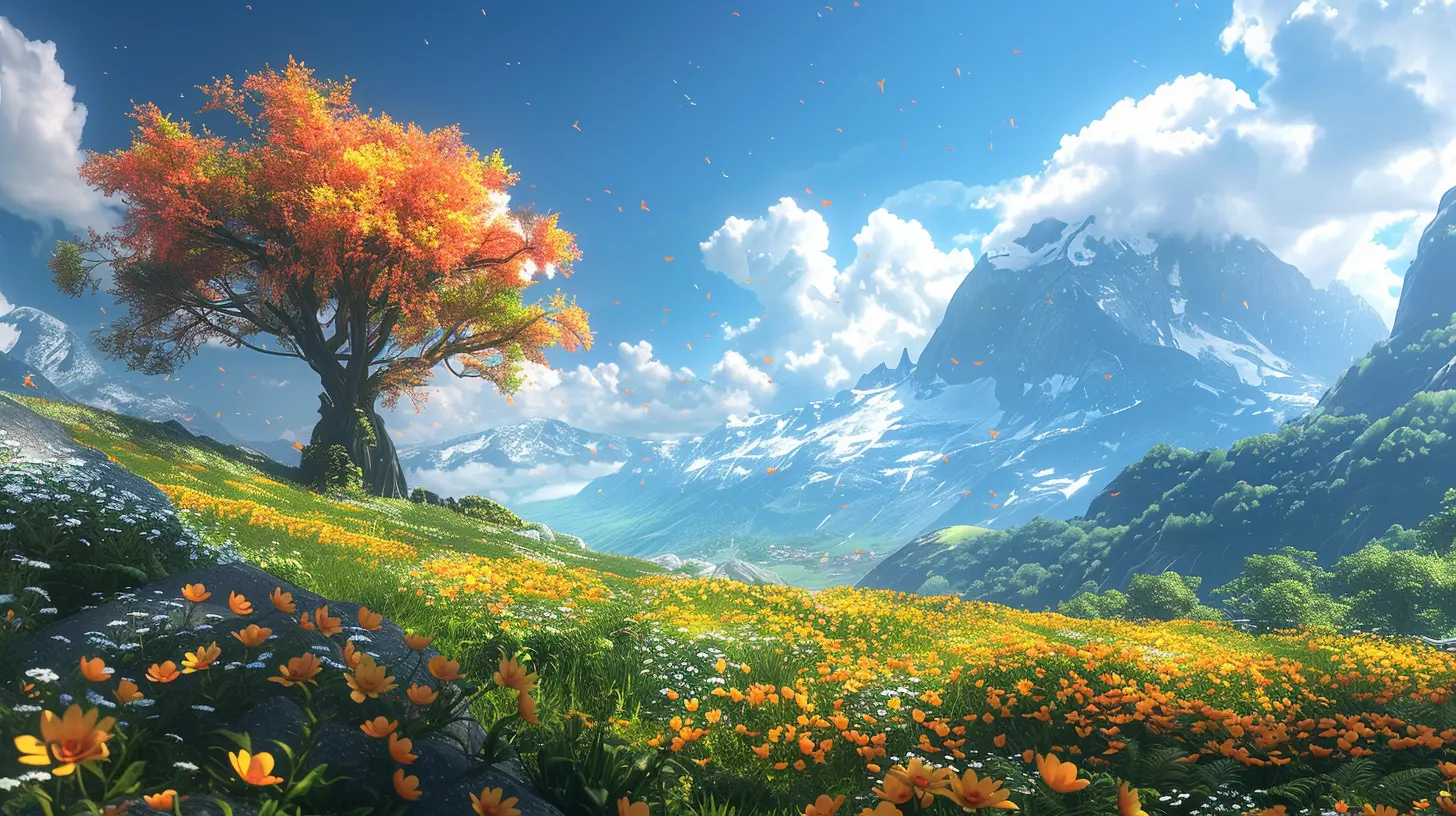
Current Era: Hyperrealism and Beyond
We’re now in what many call the golden age of environmental storytelling.Games like Red Dead Redemption 2, The Witcher 3, and Horizon Zero Dawn offer breathtaking landscapes that rival actual photography. These aren't just pretty—they're packed with meaning. A broken bridge might hint at a lost civilization. A rusted robot in the sand might whisper secrets of a long-gone war.
Thanks to powerful engines like Unreal Engine 5 and Unity, even indie developers can craft jaw-dropping environments. High-resolution textures, ray tracing, and dynamic weather systems all come together to blur the line between virtual and real.
And then there’s Minecraft. Yeah, it’s blocky—but its procedurally generated landscapes have a charm of their own. It's not always about photorealism. Sometimes creativity and interactivity outweigh graphical fidelity.
Landscape as Storyteller: Silent But Powerful Narratives
What’s wild is how virtual landscapes have become storytellers.In Dark Souls, the decaying ruins and twisted architecture tell a tale of a world in decline—without a single cutscene. You feel the lore just by existing in the environment.
Even non-story-heavy games like Journey use the landscape to guide, evoke emotion, and evolve the narrative. No words, no HUD—just you, the sand, and an unspoken sense of purpose.
This shift is huge. It’s not just about where you're fighting or questing. It’s about why that place exists, how it came to be, and what it means.
Open World vs. Linear: The Landscape Debate
Alright, let’s talk design philosophy. Not all landscapes are equal, right?Open-world games like The Legend of Zelda: Breath of the Wild let you run off in any direction. Climb, swim, glide—you name it. The landscape becomes the gameplay itself. You learn by exploring.
On the flip side, more linear games like Uncharted or God of War offer meticulously crafted scenes that rival Hollywood sets. You can't go everywhere, but what you see? Cinematic gold.
So, which is better? Honestly, it depends on the game. Open worlds offer freedom but risk repetitiveness. Linear environments can feel tighter and more focused but might lack that sense of discovery.
It's a dance between agency and artistry, and both styles have their place.
Procedural Generation and AI: The New Frontier
With AI and procedural generation getting more advanced, we’re entering uncharted territory.Think of games like No Man’s Sky, which boasts a near-infinite universe of planets—all algorithmically generated. Every mountain, ocean, and alien tree is unique. It's like nature, but digital.
Of course, this tech isn’t perfect yet. Sometimes you get planets full of nothing, or weird floating rocks. But the potential? Huge.
With AI tools helping world builders create faster and smarter, we might soon see landscapes that adapt to your choices, evolve with your gameplay, or even respond to your mood. Creepy? Maybe. Awesome? Definitely.
The Emotional Impact of Landscapes
Let’s get real for a sec—some game worlds just stick with you.Who can forget wandering through the snowy silence of Skyrim? Or standing at the edge of the cliff in Shadow of the Colossus, wind in your ears, nothing but sky and sorrow ahead?
Virtual landscapes tap into something primal. They let us escape. They give us space to reflect, to dream, to feel.
Whether it’s the haunting beauty of Limbo, the timeless forests of Ori and the Blind Forest, or the cozy towns of Stardew Valley, each landscape creates an emotion, a vibe, a moment.
These aren’t just digital maps. They’re memories.
Virtual Landscapes Beyond Gaming
And here’s a curveball—these virtual worlds aren’t just for gamers anymore.With the rise of VR, virtual tourism, and digital twins, game landscapes are being used in architecture, education, and even therapy. Imagine walking through a virtual replica of ancient Rome or relaxing in a serene forest built entirely from polygons.
Game engines are helping cities plan infrastructure, museums design exhibits, and therapists create calming spaces for anxious patients.
Our love for game worlds is reshaping the real world.
Final Thoughts: A Pixelated Canvas of Possibility
So, what does the future hold?The line between reality and virtual landscapes is already blurring. As technology continues to improve—and as storytelling deepens—virtual environments will become more than just places to play. They’ll be places to live, learn, and maybe even heal.
What started as a few blocks of green pixels has grown into entire universes. And we, the players, are the lucky explorers.
So next time you load up a game and find yourself staring at a sunrise over a digital mountain range, take a moment. That view? It’s part of a rich history—and a glimpse of the limitless future ahead.
all images in this post were generated using AI tools
Category:
Game WorldsAuthor:

Leandro Banks
Discussion
rate this article
1 comments
Oberon McFadden
This article beautifully captures the journey of virtual landscapes in gaming. It's inspiring to see how far we've come and exciting to think about where creativity will take us next. Keep exploring these immersive worlds!
June 28, 2026 at 4:29 PM