The Influence of Real-World Architecture on Game Design
8 July 2026
Have you ever wandered through a video game and felt like you’ve been there before? Maybe the cobblestone streets of a fictional city feel oddly familiar, or the grandeur of an ancient temple catches your eye in a way that feels deeply real. That’s no accident. One of the most fascinating—and often overlooked—aspects of game design is how much it borrows from the real world. Today, we’re diving deep into how real-world architecture influences game design and why that matters for both game developers and players.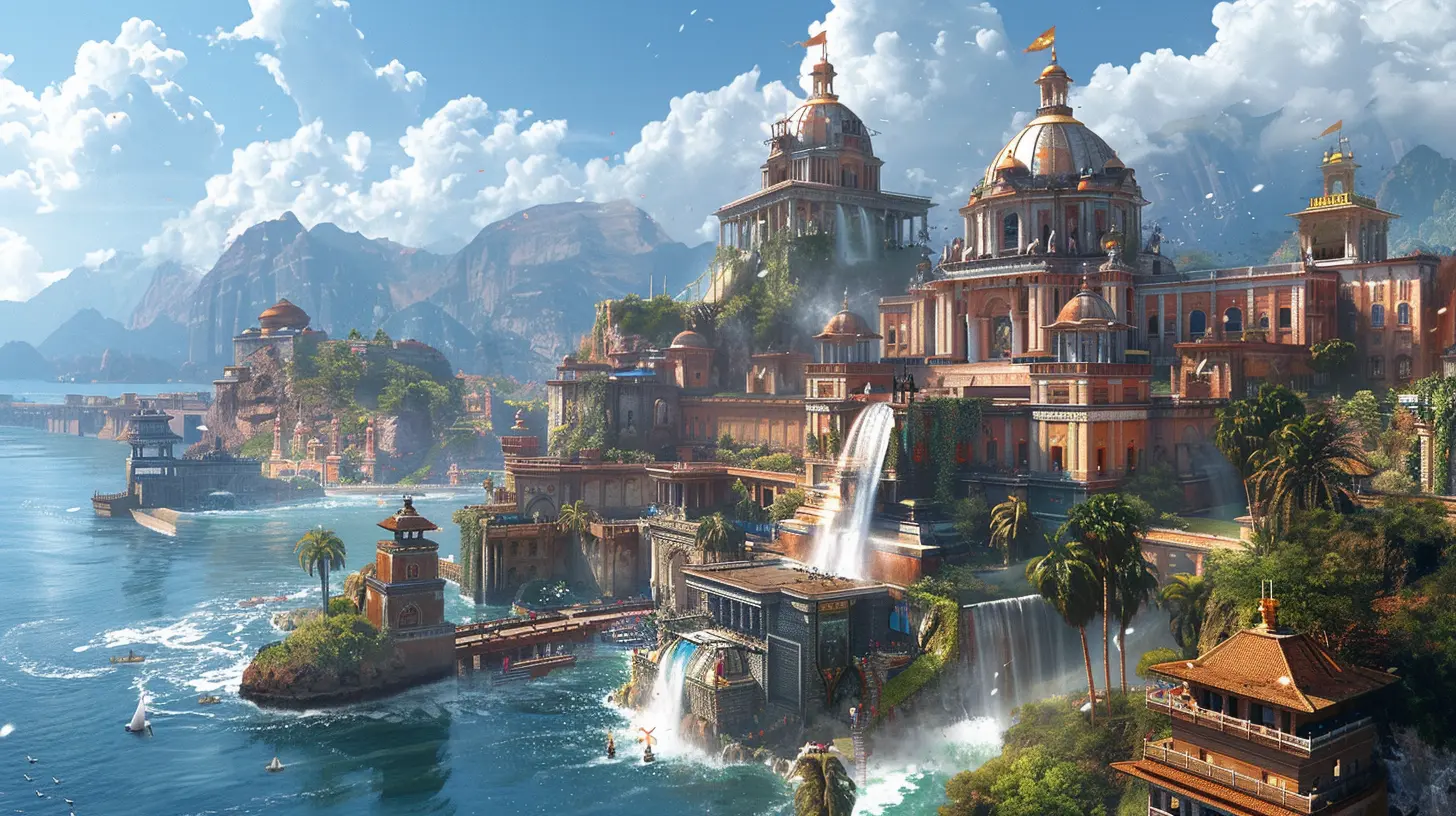
Why Architecture Matters in Game Design
Imagine playing a game where every building looks like a gray box, every road is bland, and nothing has any personality or character. Boring, right?Architecture gives digital worlds a heartbeat. It shapes the environment, sets the mood, and tells a story before any dialogue box even pops up. Whether it’s the towering spires of a fantasy castle or the gritty alleyways of a cyberpunk city, architecture anchors a virtual space in reality—or at least makes it feel real.
Let’s face it: our brains are wired to look for patterns and familiarity. Game designers use real-world architectural styles to tap into that instinct, creating spaces that are immersive, believable, and emotionally resonant.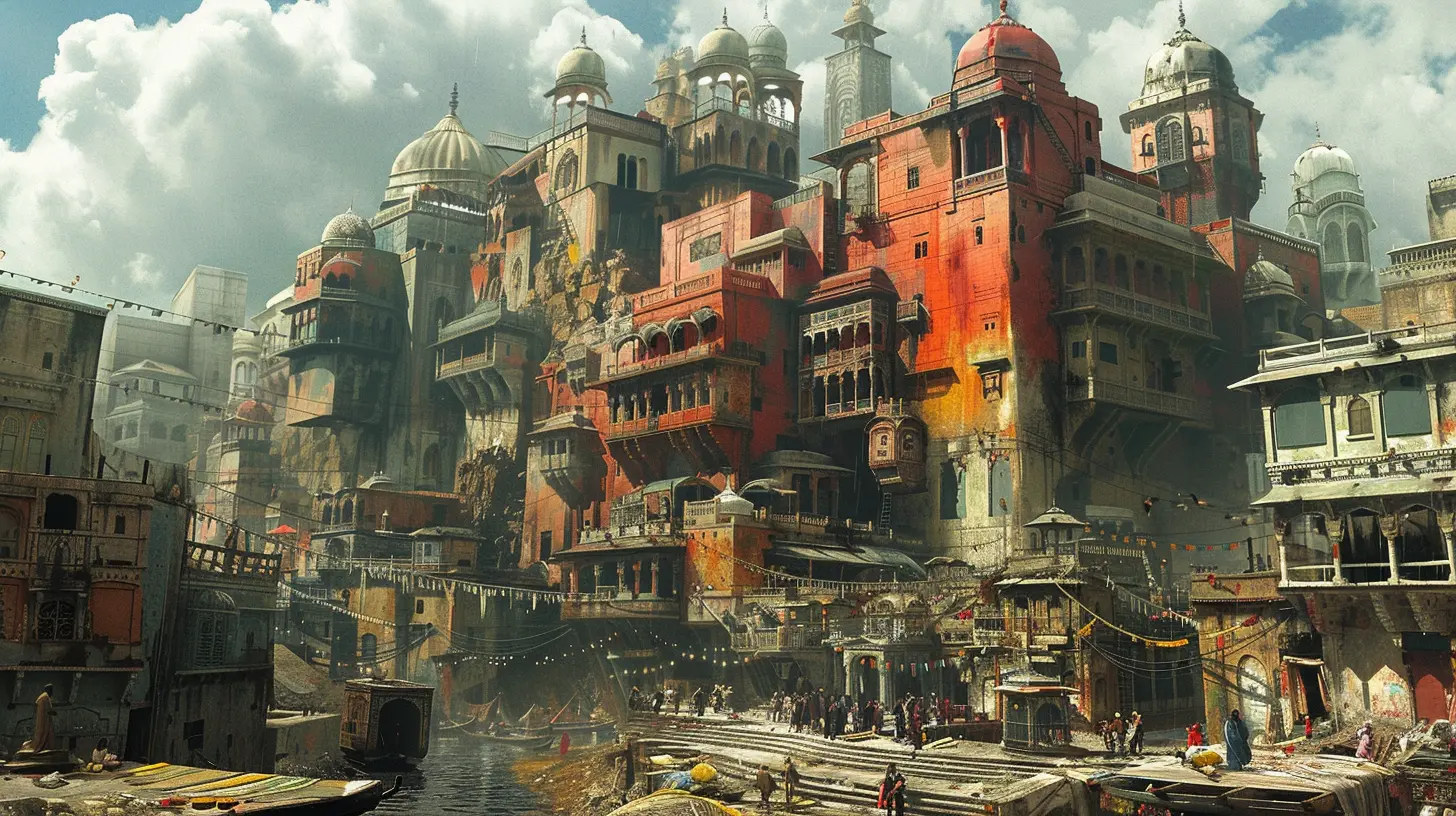
Real-World Architecture as a Source of Inspiration
Game developers don’t just make things up out of thin air (well, not always). They often pull inspiration straight from real-world architectural styles and structures.Classical and Ancient Architecture
Think columns, domes, and epic structures that scream power and prestige.Take the "Assassin’s Creed" franchise, for example. When you're sneaking across ancient rooftops in Rome or exploring the Egyptian pyramids, you're stepping through worlds meticulously modeled after historical records and real ruins. Ubisoft even worked with historians and archaeologists to ensure accuracy.
Gothic and Medieval Styles
These are all about drama—pointed arches, flying buttresses, and towering cathedrals.Games like "Bloodborne" and "Dark Souls" feature dark, intricate architecture that feels like it's from another time, evoking both awe and unease. The medieval influence isn’t just aesthetic—it shapes the gameplay, encouraging exploration and creating a constant sense of suspense.
Modern Urban Architecture
Here’s where skyscrapers meet street corners.Open-world games like "GTA V" and "Watch Dogs" use real-life cities like Los Angeles and Chicago as reference points. The layout of roads, the style of buildings, and even the placement of streetlights all serve to ground the game world in something familiar.
Eastern and Indigenous Styles
Let’s not forget the rich architectural traditions from Asia, Africa, and beyond.Games like "Ghost of Tsushima" and "Sekiro: Shadows Die Twice" showcase traditional Japanese architecture in stunning detail. Pagodas, Shinto shrines, and minimalist interiors reflect a completely different cultural lens, offering players a fresh world to explore.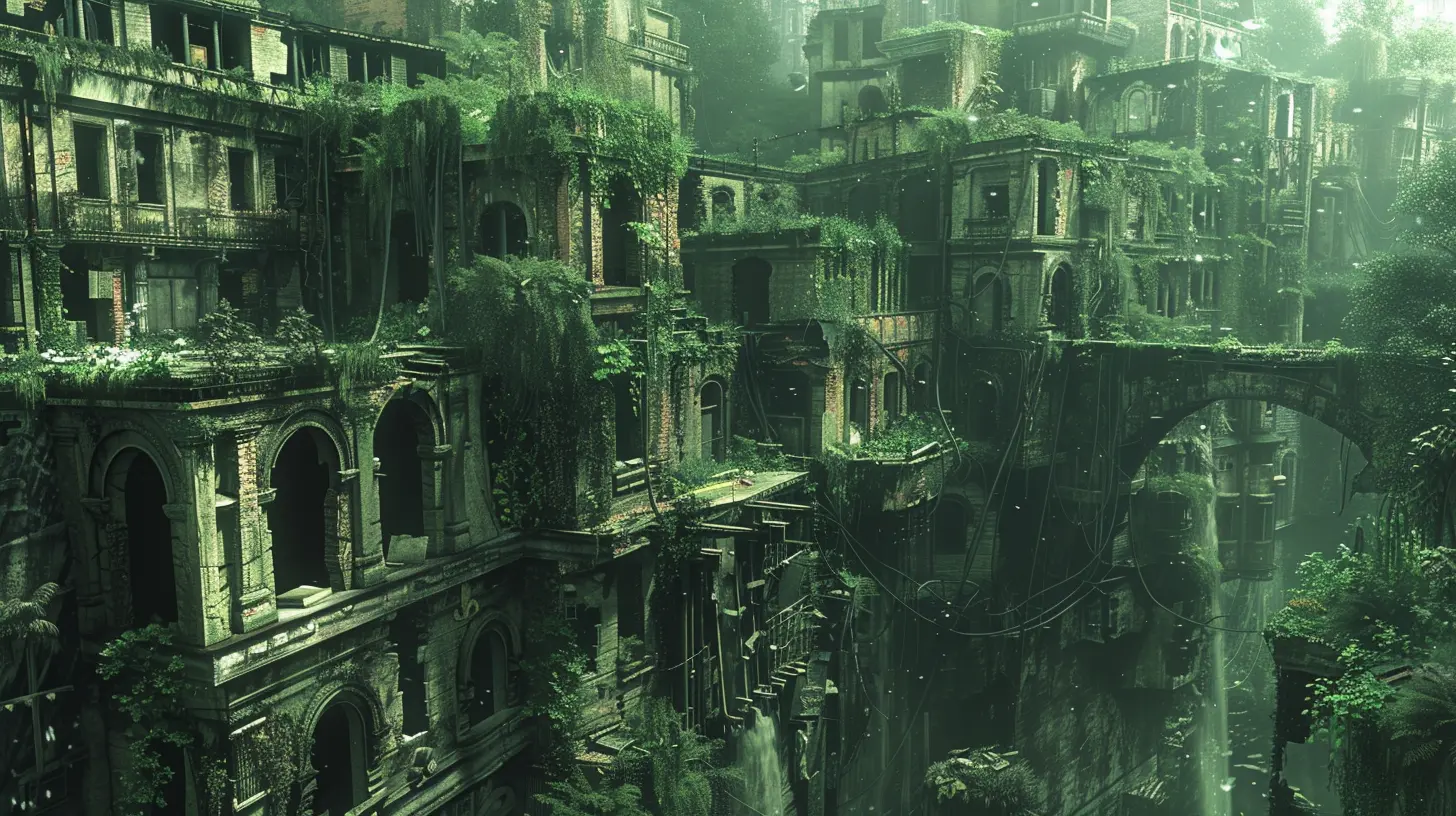
How Architecture Impacts Game Mechanics
It’s not just about looks—real-world architecture also influences how players interact with the game world.Navigational Cues
Ever feel like you just know where to go, without checking the map? That’s smart architecture at work.Designers use familiar building layouts and urban planning principles to guide players intuitively. Grand entrances, lighted pathways, and open plazas all serve to orient the player, minimizing confusion and maximizing immersion.
Creating Verticality
Real-world buildings have layers—so do good game levels.Whether it's climbing the top of a cathedral in "Assassin’s Creed" or scaling a futuristic tower in "Mirror’s Edge", verticality adds depth (pun intended) to gameplay. These vertical elements often mirror how real buildings are utilized in cities and historical sites.
Game Flow and Pacing
Architecture can control how a story unfolds. Narrow corridors create tension. Open courtyards offer relief. Maze-like cities can slow you down, encouraging exploration. In contrast, linear hallways push you forward.Developers often take notes from buildings like museums, palaces, or even shopping malls to design levels that influence pacing and flow—without players even realizing it.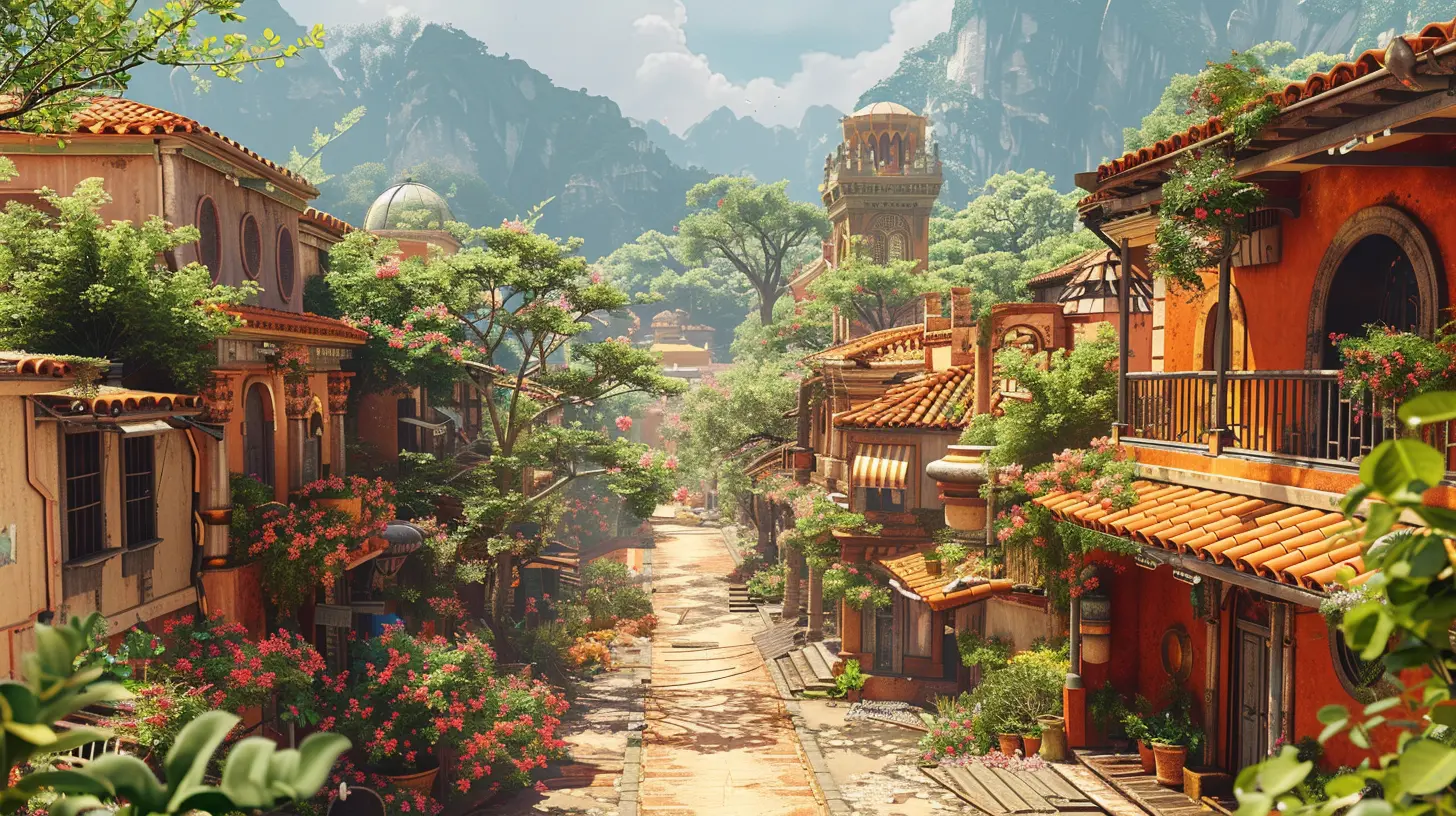
Storytelling Through Structures
A building can tell a story without a single line of dialogue.Burned-down churches, crumbling castles, sleek corporate HQs—each one hints at the world’s history, culture, and current events. Environmental storytelling is where architecture really shines.
In games like "The Last of Us", abandoned homes and overgrown cities tell a tale of loss, survival, and decay. You don’t need a narrator to tell you what happened; the world shows you.
This use of architecture also enhances emotional connection. A cozy in-game café might remind you of your favorite real-world hangout. A haunted mansion might feel eerily like that creepy house on your street growing up. It’s all about making the game feel like a place you could have been.
The Role of Technology and Photogrammetry
Okay, let’s geek out a bit. Thanks to cutting-edge tools like photogrammetry, developers can now scan real-world buildings and insert them right into their games. Talk about next-level realism.What Is Photogrammetry?
It's a techy word for a simple idea: taking thousands of real-world photos of a structure and converting them into hyper-detailed 3D models.Games like "Battlefield V" and "Hellblade: Senua’s Sacrifice" use this tech to recreate actual locations with jaw-dropping precision. When you walk through a church in-game and it feels real, it’s probably because it's based on one.
This technology pushes the boundaries of immersion, grounding fantasy wherever needed—but it also raises the bar for developers. Players now expect that level of detail.
Famous Architectural Inspirations in Popular Games
Let’s look at some iconic examples where real-world architecture packed a digital punch:Assassin’s Creed Series
Honestly, this entire franchise could be a love letter to architecture. From the Sistine Chapel to the Hagia Sophia, these games let you interact with historical monuments like never before.Bioshock Infinite
The floating city of Columbia may be fictional, but its neoclassical and Beaux-Arts design is deeply rooted in American architecture from the early 20th century. It reflects the game's themes of nationalism and utopian idealism—too good to be true.The Elder Scrolls V: Skyrim
Nordic longhouses, Roman-style forts, and Gothic ruins blend beautifully to create a culture-rich world that’s both foreign and familiar.Cyberpunk 2077
Here’s a futuristic spin: the game’s towering megastructures borrow heavily from brutalist and cyberpunk architectural movements. The city feels alive because it mirrors real urban chaos.Challenges of Using Real-World Architecture
Of course, it’s not all smooth sailing. Borrowing too heavily from real-world architecture can sometimes backfire.- Cultural Sensitivity: Using sacred or historical sites in games can offend if not handled with care.
- Copyright and Permissions: Some buildings are legally protected from digital reproduction—yes, even virtually!
- Balancing Realism and Fun: Just because it’s architecturally accurate doesn’t mean it’s fun to play through. Developers have to tweak layouts to support gameplay.
The Future of Architectural Influence in Games
So where are we headed?As virtual reality (VR) and augmented reality (AR) continue to develop, the line between digital and physical architecture will blur even more. Imagine walking through a Roman colosseum in VR or using AR to project a fantasy world onto your living room.
AI tools and procedural generation will also help create massive, complex environments based on real-world architectural logic. That means cities that make sense, buildings that feel lived in, and worlds that feel more alive than ever.
Final Thoughts
Architecture isn’t just background noise in a game—it’s one of its main characters. By pulling from thousands of years of human innovation, game designers can build digital worlds that feel exciting, lived-in, and deeply emotional. From ancient temples to futuristic dystopias, the influence of real-world architecture is everywhere in gaming—it shapes how we play, where we go, and how we feel every step of the way.So next time you boot up your favorite game, take a minute to look around. You might just be walking through history, one polygon at a time.
all images in this post were generated using AI tools
Category:
Game WorldsAuthor:

Leandro Banks