The Psychology Behind Open World Exploration
3 July 2026
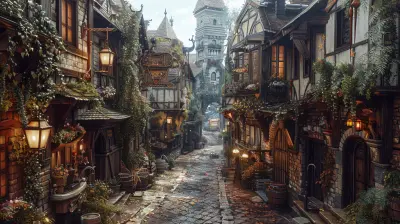
Ever booted up an open-world game and just wandered around for hours, doing everything except the main quest? Yeah, same here. There’s something magical about stepping into a digital world where you're free to roam, climb that distant mountain, raid a hidden cave, or just pick flowers for no good reason. But have you ever wondered why we’re so drawn to these massive, sprawling worlds?
Well, let’s unpack the psychology behind open world exploration—a fascinating blend of brain chemistry, curiosity, and the human need to feel in control. Whether you're addicted to Hyrule, obsessed with Skyrim, or forever chasing the last Korok seed in Breath of the Wild, you're not alone. And there's some actual science to back it all up.
Why We Crave Open-World Games: The Freedom Factor
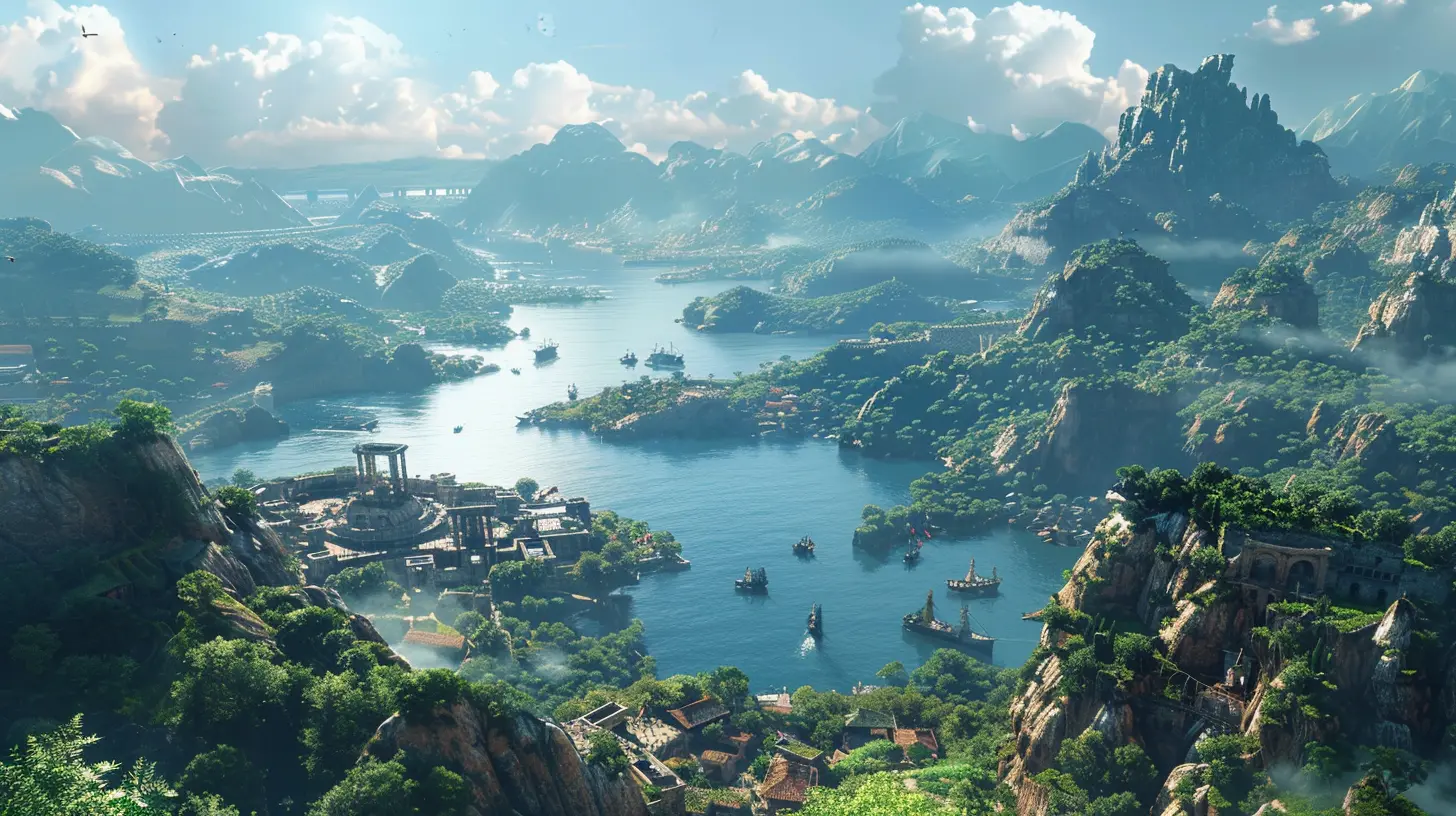
Let’s start with the obvious: freedom.Open-world games are basically the “choose your own adventure” books of the gaming world—but on steroids. You're not being pushed down a single hallway with one objective. Nah, you're given a massive sandbox and told, "Go nuts." And we love that.
Autonomy = Happy Brain
There’s a psychological principle at play here called autonomy, which is just a fancy term for feeling like you’re in control. In psychology, autonomy is one of the three basic needs in Self-Determination Theory (SDT)—a concept explaining why we feel motivated to do things.When we're allowed to make our own choices in a game—whether to help villagers, fight monsters, or spend hours fishing—our brains light up like a Christmas tree. It feels good. It gives us ownership of our experience. Essentially, freedom feels like power, and who doesn’t love a little power trip?
Curiosity Killed the Cat, But It Powers the Gamer
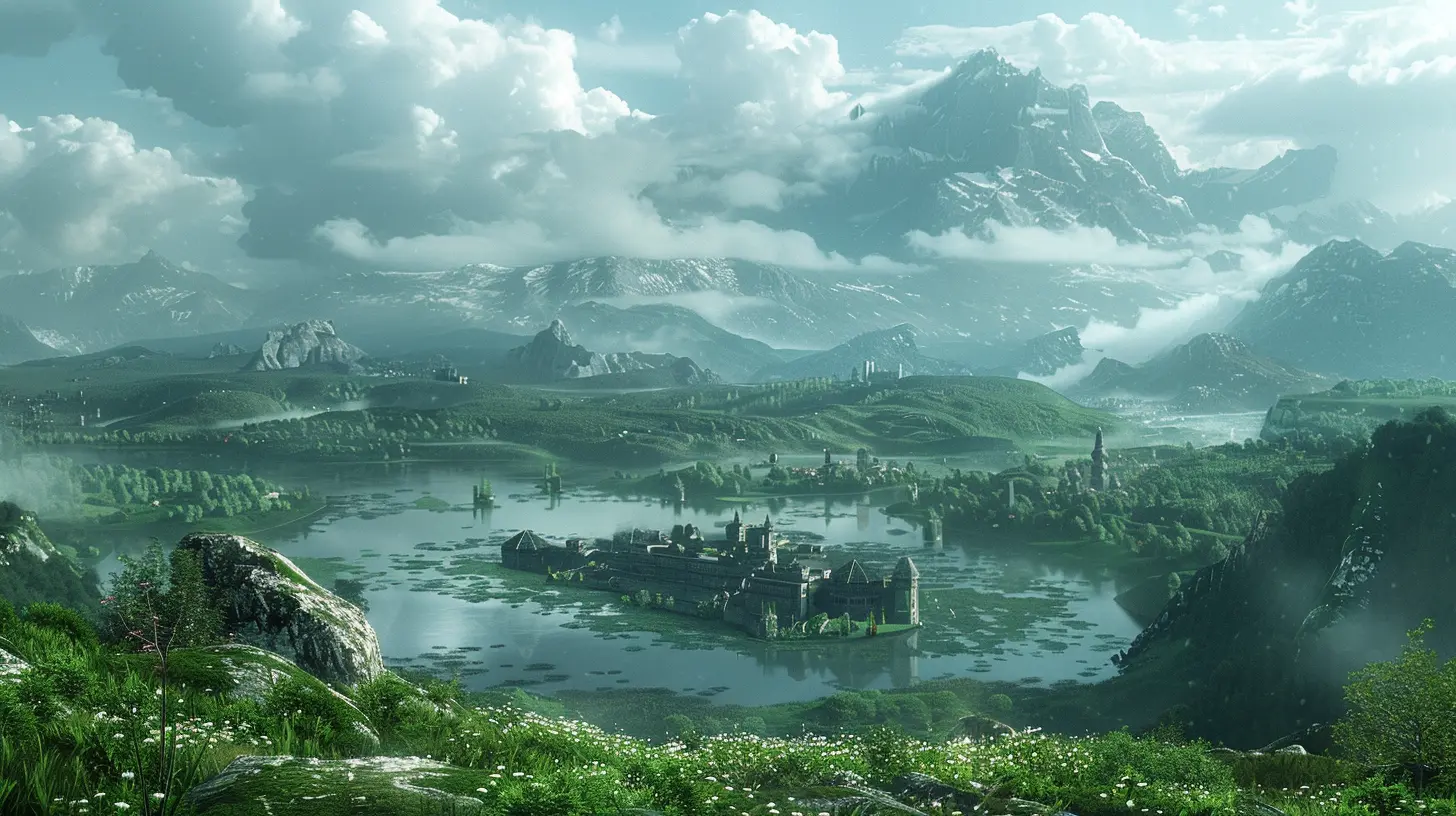
There’s another big player in this psychological playground: curiosity.Ever seen something shiny or mysterious on the horizon in a game and felt that irresistible urge to check it out? That’s incentive salience at work. It’s a fancy term, but it basically means your brain is fired up about potential rewards.
It’s the same brain juice that makes cliffhangers in Netflix shows so addictive. It’s not just about what the reward is but the anticipation of possibly finding something cool. A rare weapon? A hidden sidequest? A goofy Easter egg? Who knows! But you have to find out.
Dopamine Loops and Hidden Treasures
When we explore and discover new things in games, our brains release dopamine—the “feel-good” chemical. This builds a feedback loop:1. See something interesting.
2. Go check it out.
3. Get rewarded (loot, XP, cool scenery).
4. Brain feels good.
5. Repeat.
It’s basically like training a dog with treats, but the dog is your brain and the treats are virtual backpacks full of loot.
That Sweet Sense of Accomplishment
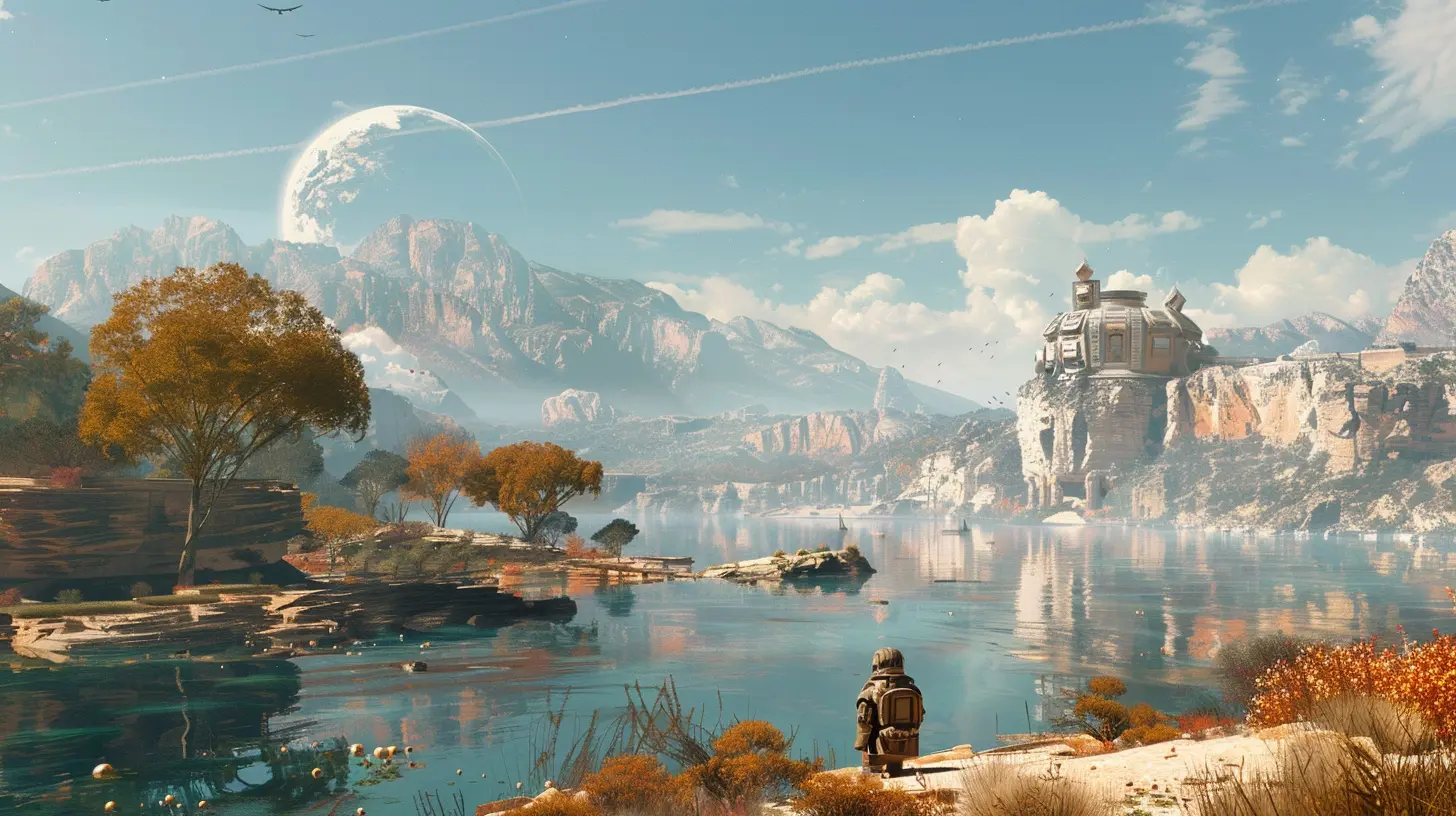
All right, let’s talk about another satisfying part of exploration: achievement.Have you ever climbed to the top of a massive structure in a game and felt like a digital god? That’s not just you being dramatic. That's your brain giving you a massive high-five.
When you set even the tiniest goal—like reaching a hidden area or unlocking a new part of the map—you’re giving yourself mini goals. And knocking off goals, big or small, gives us a burst of accomplishment. It’s like crossing things off a to-do list, but with more dragons.
Micro Goals Keep Us Hooked
Open-world games are flooded with micro goals:- Discover all fast-travel points.
- Collect weird herbs.
- Help random NPCs.
- Unlock ultra-flashy armor.
Each little victory adds up, making the world feel alive and purposeful. And our brains absolutely eat that up. It’s a full-on buffet of mini dopamine hits.
Exploration Lets Us Escape Reality (And That’s Totally Okay)
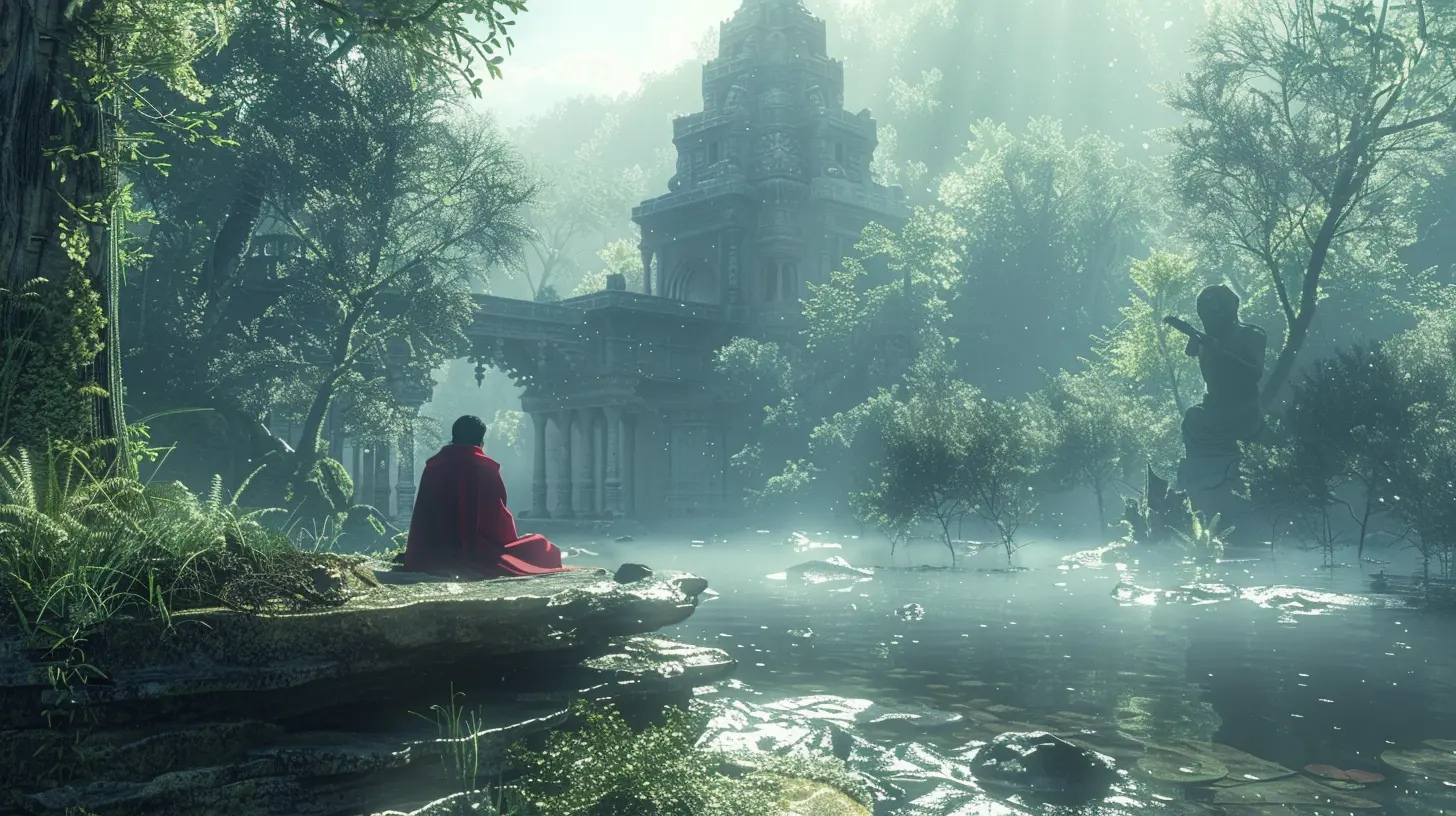
Let’s face it—reality can be a drag sometimes. Bills, responsibilities, awkward small talk—ugh. But open-world games? They offer a one-way ticket to somewhere way cooler (and with better weather, usually).The Power of Immersion
Exploring a well-crafted open world feels like sticking your brain into a cozy, alternate universe. You’re not just playing a game; you’re living in it. The more your senses are involved—gorgeous visuals, immersive soundtracks, reactive environments—the deeper the connection.Psychologists call this presence, that feeling of “being there.” It’s like when you’re in VR and momentarily forget you’re still in your messy bedroom. Open-world games are experts at crafting that illusion—and our brains are suckers for it.
It’s Not Escapism, It’s Self-Care (Seriously)
Some people roll their eyes at gamers for spending hours trekking through fantasy forests or toxic wastelands. But here’s the deal: that time spent wandering isn’t wasted. It's a form of active relaxation. You’re not just zoning out with passive entertainment. You’re engaging, solving, interacting—and yeah, escaping. But in a healthy way.It’s mental decompression, and it matters.
Lore, Worldbuilding, and Feeding Our Inner Detectives
Ever met a player who reads every scrap of lore, scans every journal, and pieces together every subplot? That might sound like work, but for many gamers, unraveling the mystery of a game’s world is half the fun.We’re naturally wired to seek patterns and stories. It’s in our DNA. Our ancestors used to track animal footprints and interpret cave markings. Now? We decode cryptic ruins and piece together alien civilizations in our pajamas.
Environmental Storytelling Is the Secret Sauce
Some of the best open-world games don’t just “tell” you the story—they let the world whisper it to you.You stroll into a decaying castle, see broken furniture, scattered journals, and... a skeleton clutching a sword. Boom. Instantly, your brain starts spinning a story. Who lived here? What happened to them? And what’s behind that suspiciously glowing bookshelf?
Games like Elden Ring, Fallout, and The Witcher absolutely nail this kind of storytelling. And players like us? We eat it up with a spoon.
Social Sharing and Bragging Rights
Let’s not ignore our competitive side. A big part of exploration is social currency.When you find a secret area, unlock legendary gear, or stumble across a hilarious glitch, what’s the first thing you do? Post it. Share it. Tell your friends. Maybe even make a TikTok.
We love discovering things others haven’t. Think about it—how many times have you said, “Yo, did you know you can jump into that waterfall and find a hidden cave?”
Discovery Feels Personal
What’s cool about open-world exploration is how it feels 100% your own. Even if millions of people are playing the same game, your path is unique. You might’ve ignored the main quest for ten hours chasing butterflies. Someone else might’ve gone full psycho on every bandit camp.That sense of personal storytelling makes your journey feel special—and worth sharing.
The Dark Side: When Exploration Becomes Overload
Okay, so open-world exploration is mostly awesome. But let’s be real—it can sometimes be a bit... much.Too many icons on the map? Quests on quests on quests? That’s called open-world fatigue, and it’s real.
Our brains love exploration, but they also don’t love being overwhelmed. When you feel like you're drowning in endless objectives, that dopamine loop starts to fizzle out. What used to be fun becomes a chore.
How Games Fix That
The good news? Game devs are catching on. Newer titles are focusing more on meaningful discovery rather than sheer volume. Fewer map markers, more “Oh wow, I found this!” moments.Games like Breath of the Wild stripped away most hand-holding and basically said, “Here’s a stick. Figure it out.” And it was beautiful.
Final Thoughts: Why We’ll Always Love Exploring Virtual Worlds
At the end of the day, diving into vast digital landscapes scratches a very primal itch. It’s in our nature to roam, to wonder "what’s over that hill?”, to feel in control of our journey. Open-world games just take that human drive and turn it up to eleven—with dragons, loot, and probably a mini-map.So next time you find yourself lost in side quests, wandering aimlessly through pixelated forests—or just standing on a cliff watching the digital sunset—know this: your brain loves it, your heart needs it, and your controller probably needs a break.
Stay curious. Keep exploring. And may your backpack never run out of space.
all images in this post were generated using AI tools
Category:
Game WorldsAuthor:

Leandro Banks
Discussion
rate this article
1 comments
Adrian McQuiston
This article insightfully explores how open world games tap into our innate curiosity and desire for freedom. It highlights both the thrill of discovery and the potential for aimless wandering, striking a thoughtful balance.
July 19, 2026 at 4:27 AM