The Relationship Between Environment and Gameplay
14 May 2026
Let’s face it—we’ve all been there. You’re wandering through a misty, abandoned village in a horror game, and your heart is thumping like a bass drum. Or maybe you’re scaling the snowy peaks of some fantastical mountain, eyes wide with awe, engrossed in a vibrant open-world adventure. But have you ever stopped and asked yourself: why does the game feel so intense, immersive, or unforgettable? That’s the environment at work. And trust me, the relationship between environment and gameplay is deeper than you think.
Whether you’re a die-hard story mode junkie, a competitive multiplayer warrior, or someone who just enjoys jamming with friends in a sandbox world, the game’s environment plays a massive, often underappreciated, role in shaping how we experience the game. So let’s break it down and uncover why that in-game scenery matters way more than just “looking cool.”
What Do We Mean By “Environment” in Games?
Alright, so before we go off on this wonderfully geeky journey, let’s get on the same page. When we say “environment” in gaming, we’re not just talking about pretty graphics or weather effects (though those matter too). We mean the entire interactive setting of the game world—everything from the terrain, architecture, and dynamic weather to the ambient sounds, lighting, NPC behavior, and general vibe of the world around you.In other words, it's not just the backdrop. It’s a living, breathing world that reacts to your every move and influences your decisions, emotions, and even your strategy.
Setting the Mood: How Environment Builds Emotional Connection
Think of your favorite movie scene. Now imagine that same scene without the background score, the lighting, or the setting. Kinda dull, right? Games work the same way. The environment sets the tone from the moment you load in.Is the world colorful and whimsical? You’re probably in for a light-hearted, puzzle-solving romp. Is it dark, with shadows creeping around corners and eerie silence? Better brace yourself, because something’s lurking.
Let’s look at some examples:
- The Witcher 3 uses weather and lighting so brilliantly that you can almost feel the cold wind whipping through the trees as dark clouds roll in.
- Dead Space uses claustrophobic corridors and flickering lights to keep your anxiety levels through the roof.
- Animal Crossing treats us with cheerful environments and relaxing audio that make you wanna hug your switch rather than toss it.
It’s like the game is silently whispering in your ear: “Here’s what you should feel right now.”
Terrain as a Gameplay Mechanic
Okay, here’s where it gets juicy. Environments aren’t just eye candy—they directly mess with how you play the game.Ever tried climbing a rocky hill in Breath of the Wild when it’s raining? Yeah, you slip-slide all over the place. That’s terrain affecting gameplay. Or consider hide-and-seek tactics in a dense jungle in games like Far Cry, where foliage can be your best cover—or your worst enemy.
Some ways terrain and environmental design impact gameplay include:
- Verticality: Games like Titanfall 2 use vertical environments to promote parkour and fluid movement.
- Visibility: Fog, darkness, and weather elements in PUBG or COD Warzone make you rethink your strategy.
- Obstacles: Whether it’s collapsing bridges, lava pits, or icy floors, these obstacles challenge your decision-making and reaction time.
And don’t even get me started on destructible environments. Battlefield games have shown us how thrilling it is when your ‘safe spot’ crumbles into rubble. It forces players to adapt on the fly.
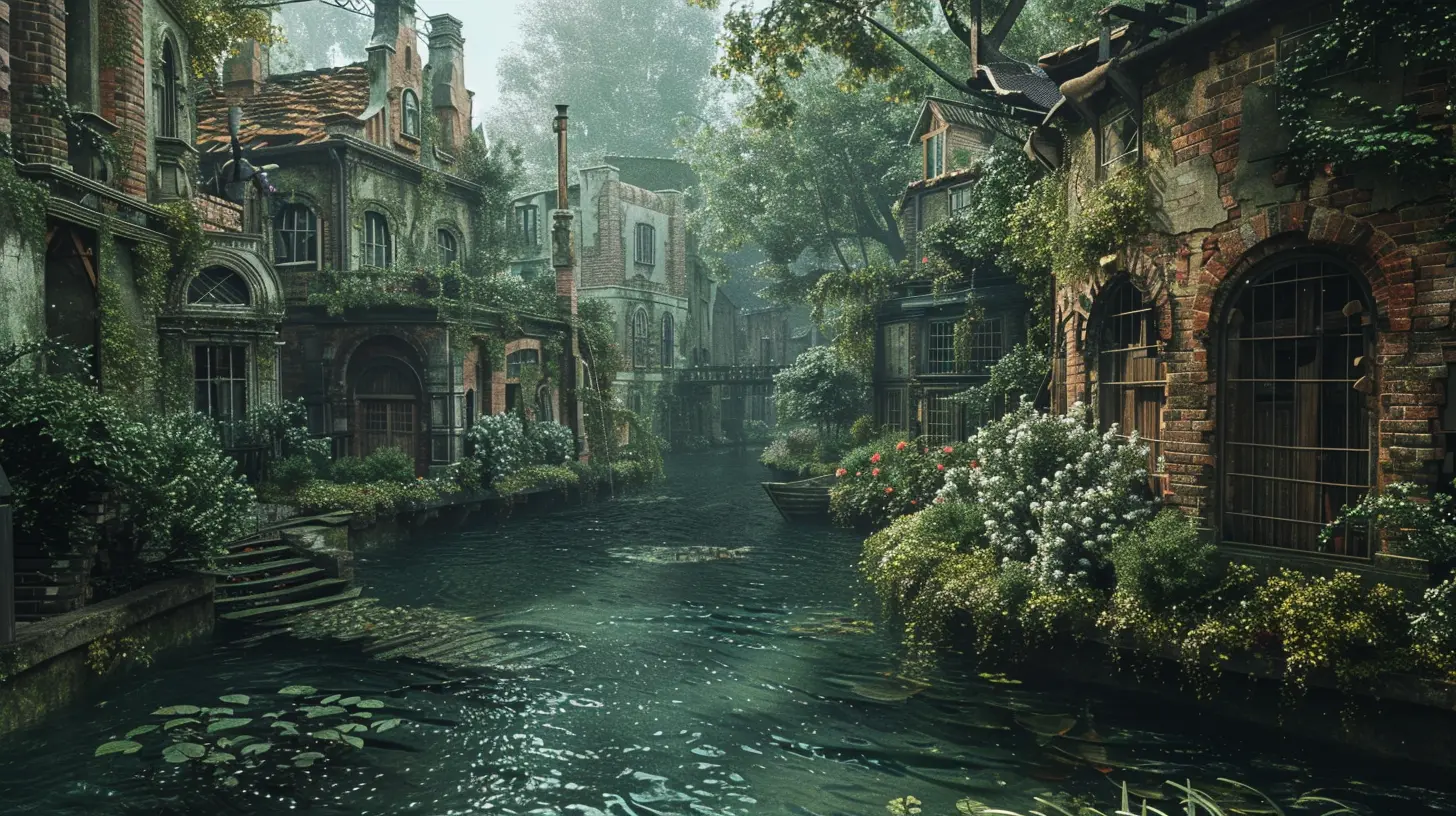
Dynamic Worlds: When the Environment Evolves With You
Here’s something that cranks up immersion to eleven—worlds that change based on your actions or the story.Remember Red Dead Redemption 2? As you progress, towns change, NPCs start recognizing you, and the seasons shift. It doesn’t just look real; it acts real. That creates a deeper sense of investment. You’re not just a player in the world—you’re a part of it.
Games that use dynamic environments often:
- Reflect moral choices (Mass Effect, Fable)
- Show the passage of time (Majora’s Mask, Skyrim)
- Trigger environmental changes based on player actions (Minecraft, Terraria)
It’s like planting a garden and watching it grow—or wilt—based on how you treat it.
Realism vs. Stylization: What’s Better for Gameplay?
This one's a hot debate.Realistic environments can heighten immersion and make you feel like you're really there. Take games like The Last of Us Part II, where the level of detail makes every building and street tell a story.
On the flip side, stylized environments—think Fortnite or Celeste—are often easier on the eyes during long sessions and can emphasize gameplay mechanics more directly. Bright colors might indicate danger zones, or abstract shapes might guide you subconsciously through the level.
So, which is better? Honestly, it’s like comparing pizza and tacos. There’s no wrong answer. It depends on what the game is trying to do:
- Want gritty realism and emotional storytelling? Go photorealistic.
- Want energetic, fast-paced gameplay with low visual stress? Go stylized.
Sometimes, the best games mix the two. Just look at Hades. It’s visually stylized but still rooted in meaningful, reactive environments.
Soundscapes and Ambience: The Unsung Heroes
Okay, real talk—graphics get all the glory, but audio is what truly brings a game environment to life.Think about how unsettling silence feels in a horror game, or how the chirping birds and rustling leaves in a forest setting calm you down in an open-world RPG.
Environmental sounds:
- Signal gameplay elements (creaking floors hinting at nearby enemies)
- Enhance immersion (like rain pattering on a tin roof)
- Influence mood (ominous tones in a cave make you super paranoid)
Most players don’t even consciously notice these sounds, but your brain registers them. And the next thing you know, you’re reacting faster or getting goosebumps without even knowing why.
Multiplayer Maps: Strategic Design and Environmental Balance
Now let’s shift gears and talk competitive. In multiplayer games, environments aren’t just about atmosphere—they’re battlefields. And designing those environments is a science in itself.Games like Rainbow Six Siege, Valorant, and Overwatch have maps meticulously crafted for balance, flow, and strategic depth. Choke points, sniper alleys, safe zones—every rock and corner has a purpose.
Here’s what makes good multiplayer environments stand out:
- Symmetry and balance (so no side gets an unfair advantage)
- Multiple routes for flanking and retreat
- Interactive elements like doors, windows, or destructible walls
- Clear landmarks for orientation and communication
If the environment is poorly designed, players get frustrated—not because they lost, but because it felt unfair. A great map makes you feel like your strategy and skill truly mattered.
Environmental Storytelling: When Walls Speak Louder Than Words
Ever walked into a room in a game and just knew something happened there—even without a single line of dialogue?That’s environmental storytelling. It’s one of the most powerful tools in game design, and it’s all about letting the world tell the story.
Some iconic examples:
- Bioshock’s ruined art deco hallways whisper tales of failed utopia and madness.
- Dark Souls doesn’t hand you a narrative on a silver platter—you glean it from the architecture, enemy placements, and item descriptions.
- The Last of Us uses crumbling cities overtaken by nature to remind you of what humanity lost.
It’s like reading between the pixels. And it lets players feel clever for piecing it all together.
Player Psychology: How Environment Affects Behavior
Here’s something wild—environments can trick you into playing a certain way.Make a room dark and tight? Players will walk slowly and peek around corners. Give them wide open spaces and bright skies? They’ll run freely and feel more confident.
Designers use this to guide us without holding our hand:
- Leading lines in corridors subtly point us toward objectives.
- Warm lighting makes areas feel safe; cold lighting can make you uneasy.
- Elevation changes make bosses feel more imposing or objectives more rewarding.
You ever notice how games make you feel before a big boss fight? That’s psychological environmental design, baby!
So, Why Does This Relationship Matter?
Because the environment and gameplay are two sides of the same coin. One doesn’t work without the other.A great game world:
- Immerses you emotionally
- Challenges you strategically
- Guides you intuitively
- Tells a story without words
When developers nail this connection, you get iconic titles that players remember for years. When they don’t? You get pretty visuals that feel empty. And nobody’s got time for that.
Final Thoughts
The next time you fire up your favorite game, take a moment. Look around. Listen. Feel. The environment isn’t just a backdrop—it’s your playground, your teacher, your storyteller, and your nemesis all rolled into one.So yeah, the relationship between environment and gameplay? It’s not just important—it’s everything.
all images in this post were generated using AI tools
Category:
Game WorldsAuthor:

Leandro Banks
Discussion
rate this article
2 comments
Bryce Love
Exploring how environments shape gameplay is fascinating! It adds depth and joy to every adventure!
July 24, 2026 at 4:15 PM
Leandro Banks
Absolutely! The environment truly enhances the experience, making each adventure unique and immersive. Glad you enjoyed the piece!
Kenneth Sharp
Environment shapes gameplay in unique ways.
May 16, 2026 at 3:39 PM
Leandro Banks
Absolutely, the environment can create distinct challenges and opportunities that enhance the overall gaming experience. It's a key factor in player engagement and strategy.