The Role of Weather Systems in Video Game Worlds
20 April 2026
Let’s be honest—weather in video games used to be about as exciting as watching paint dry in Skyrim. You’d maybe get a light fog, some gentle rain, or if the devs were feeling fancy, a snowflake or two. But fast forward to today and the skies in gaming can throw more curveballs than a Red Dead Redemption 2 gunfight gone sideways. From savage thunderstorms to dazzling sunsets, weather systems have evolved into crucial gameplay elements, not just fancy digital decorations.
So put on your virtual raincoat, grab your pixelated umbrella, and let’s dive into how weather has gone from background fluff to front-and-center game-changer.
Why Weather Even Matters in Video Games
Let's kick things off with the obvious question: Why the heck should we care about weather in games?Well, if you've ever had a sniper shot ruined by heavy fog or slid off a slippery road during a Mario Kart rainbow downpour, you already know the answer. Weather isn't just for looks—it can make or break your game plan.
Here’s why weather is a big deal:
- ?️ Immersion: There's something magical about walking through a rainstorm in a game and hearing your boots squelch in mud.
- ⚡ Gameplay Impact: Wind affecting arrow trajectories? Snow slowing your movement? That’s next-level strategy.
- ☀️ Dynamic Worlds: Changing weather makes open worlds feel alive—like they’re breathing right along with you.
So yeah, weather isn’t just a gimmick. It's the spicy hot sauce on your gaming burrito.
A Brief History of Weather in Games (Spoiler: It Was Mostly Static)
Let’s rewind the clock a bit and take a nostalgic stroll down memory lane. There was a time when in-game weather meant... a loading screen with clouds. That was it.- Early Days: In the NES and SNES era, weather was more about aesthetic swaps. Think level 3 has snow just to keep things “realistic” during the "ice zone" part of the map.
- 16-bit Revolution: Games started dabbling with actual weather effects. Remember the fog in "Silent Hill"? That was partly due to hardware limits—but ended up being iconic!
- PS2/Xbox Era: Finally, games like "The Legend of Zelda: The Wind Waker" brought dynamic weather to open worlds. Wind direction changed gameplay. Finally, some depth!
- Modern Masterpieces: Now we’ve got real-time, region-based weather in behemoths like "The Witcher 3," "Horizon Zero Dawn," and "Red Dead Redemption 2." These games make the local news feel boring by comparison.
In short, game weather has gone from junior varsity to full NFL championship contender.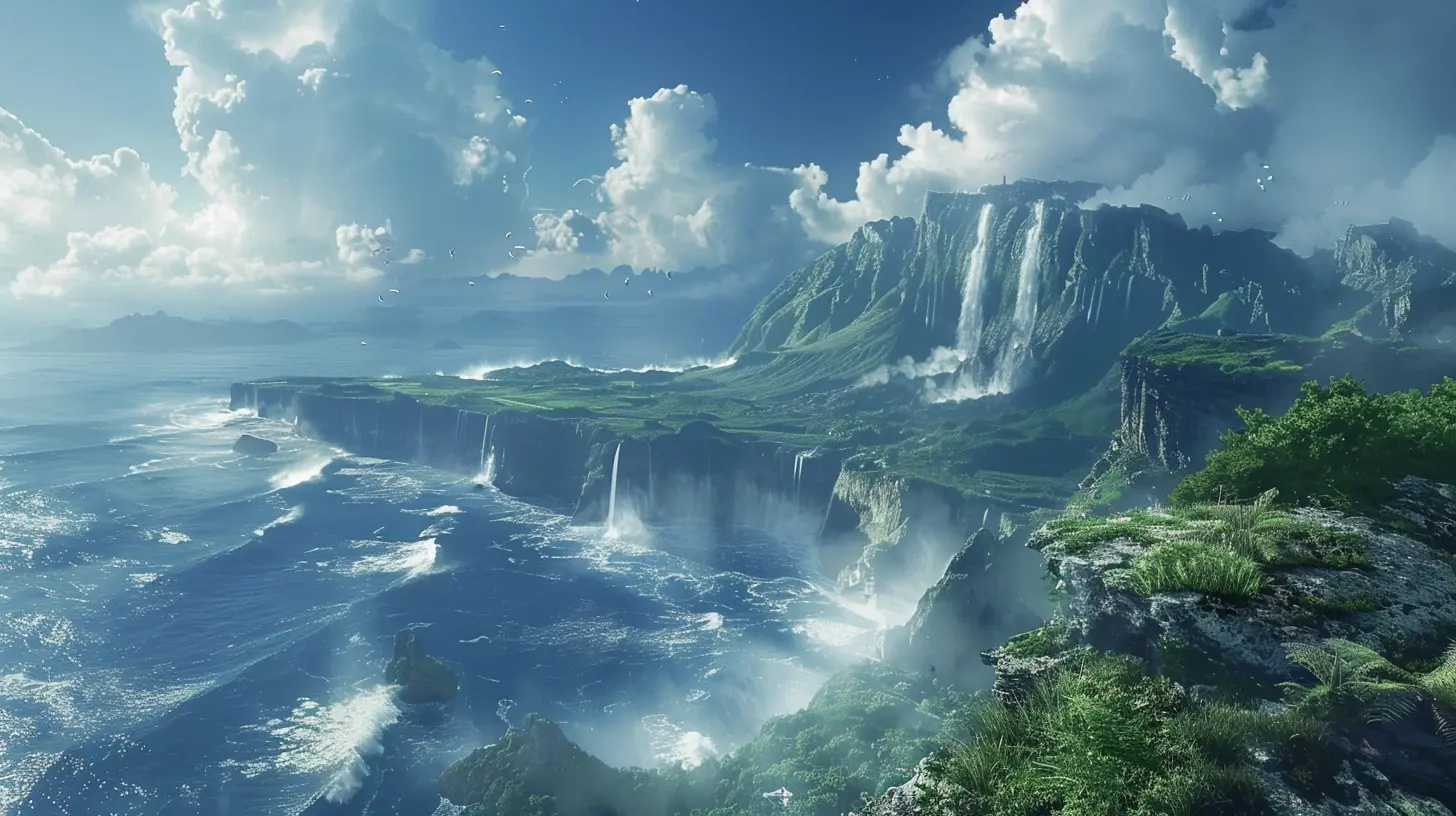
Gameplay Mechanics Ruled by Weather
Alright, let’s get our hands dirty. How does weather actually mess with your playstyle?1. Visibility Shenanigans
Ever tried spotting a zombie horde in “Dying Light” during a thunderstorm? Yeah, it’s terrifying—and that’s the point. Rain, fog, and snow reduce visibility, forcing you to change tactics. You’re not running in guns blazing anymore; you’re tip-toeing like your grandma during a blackout.2. Movement Messiness
Slippery roads in racing games? Try "Forza Horizon 5" in a tropical storm. Or trudging through deep snow in "Skyrim." Movement slows, controls get clunky, and suddenly your speed-run dreams hit a tree (literally).3. Elemental Effects
Some games take it a step further. In "Breath of the Wild" you'll get electrocuted if you’re wearing metal during a lightning storm. Metal gear? Boom—now you're fried chicken. In "Monster Hunter World," wind and rain affect flying monsters and your own mobility.The takeaway? Mother Nature in games doesn’t play nice.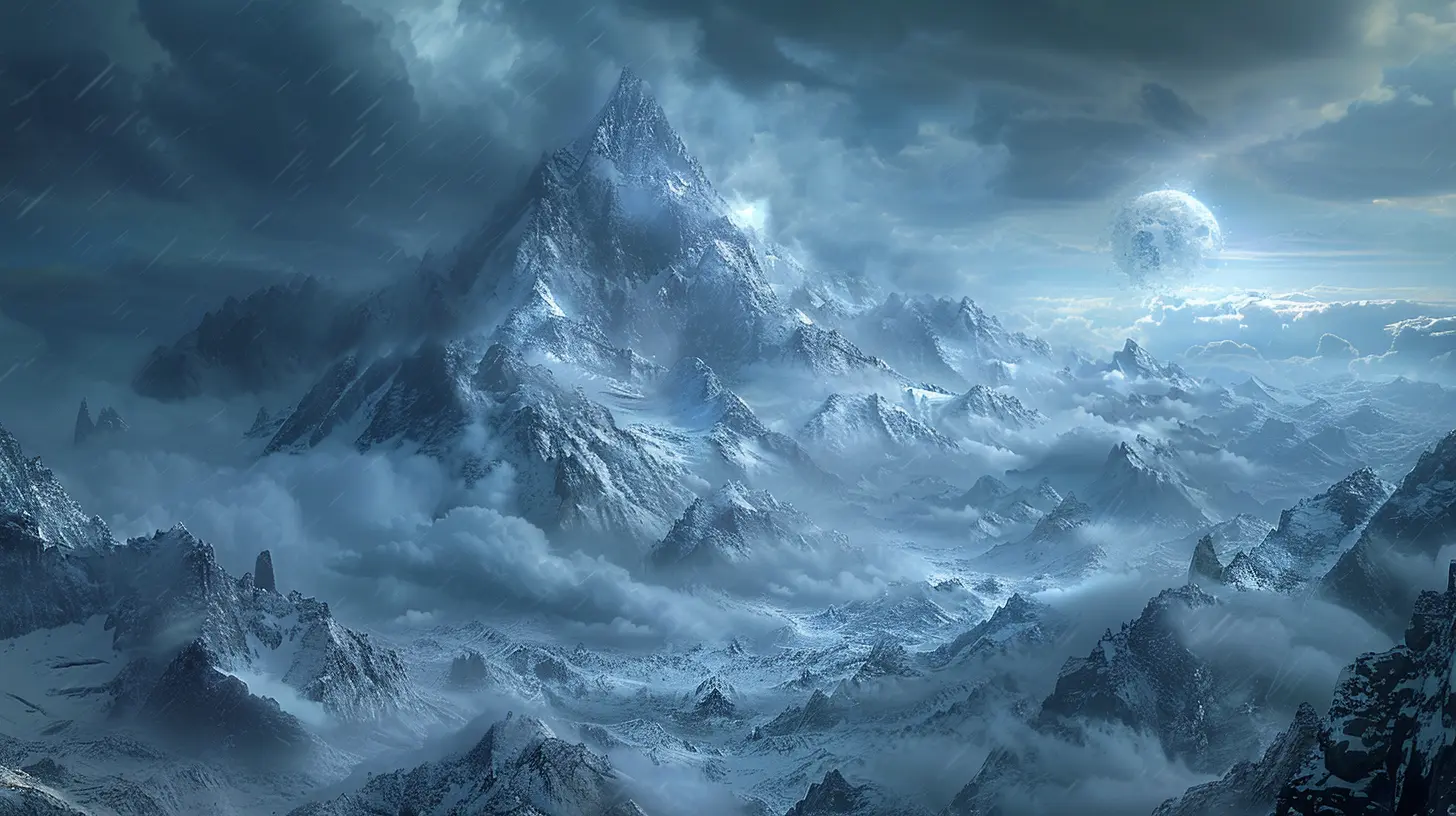
Emotional Impact: Weather as Mood Music
Okay, enough about stats and mechanics for a sec. Let’s talk vibes.Weather creates atmosphere. It’s like the background music you didn’t know you needed. Dry deserts feel lonelier under scorching suns. Rainy cities feel moody and noir-ish.
Take “The Last of Us Part II.” The game takes you from sunlit forests to rainy city ruins, creating emotional whiplash. The weather isn’t just showing off; it’s telling you how to feel without saying a word.
And don’t get me started on sunsets. A good in-game sunset hits harder than most rom-com endings. It’s beautiful, bittersweet, and tells you, “Hey, you’ve survived another day in this brutal world.”
Procedural Weather? Yes, Please!
Now we’re really cooking. Procedural weather is like RNG (random number generator) but for clouds. Instead of pre-scripted rain at level 5, the game says, “Eh, how about a thunderstorm right now?” You never know what’s coming—and that’s awesome.Games Doing It Right:
- Minecraft: One second it’s sunny, next you’re getting struck by lightning on your creeper farm. Classic.- No Man’s Sky: You’re exploring a new alien planet and get caught in a toxic rainstorm. Should’ve worn your space poncho.
- RDR2: One minute you’re robbing a train, next you’re stuck in a blizzard with a horse named Steve who refuses to move.
Thanks to procedural weather, every playthrough feels unique. It’s unpredictable, chaotic, and oddly poetic.
Realism vs Fun: The Great Balancing Act
Let’s have a real talk here. Sometimes devs try so hard to be realistic that it sucks the joy out of a game. Like, thank you, ultra-detailed snow physics, but I don’t need my socks to get wet when I cross a river… Not in a video game!Striking a Balance
Great games find that sweet spot between realism and fun. They give you:- Wind that affects bullets but doesn’t make you miss every time.
- Rain slick roads, but you're still able to drift like a legend.
- Snow that slows you down just enough to feel immersive, not annoying.
Think of it like seasoning on fries. Too little, bland. Too much, inedible. Just the right amount? Gamer heaven.
Weather and AI: The New Frontier
Here’s something you may not have thought about—NPCs and enemies reacting to weather. Yep, we’re in the future.- In “Far Cry 5,” enemies seek shelter during storms.
- In stealth games like "Splinter Cell," rain masks your footsteps.
- In “Ghost of Tsushima,” storms roll in when your rage mode activates. Even the sky knows when you’re about to become John Wick with a katana.
Weather influencing AI behavior adds a whole new layer of strategic depth. You’re not just battling enemies—you’re playing 4D chess with the environment.
Fun Weather Gimmicks We Secretly Love
Let’s end on a lighter note. Not every use of weather has to be hyper-realistic or gameplay-breaking. Some games just go full-on bananas, and we love it.Some Favorites:
- Mario Kart: Lightning shrinks everyone. Why? Who cares! It’s hilarious.- Animal Crossing: Rainy days = more fish. Science? No. Adorable? Yes.
- Pokémon: Different weather spawns different Pokémon. I caught a rare one during hail. Worth the frostbite.
These weather mechanics are more whimsical than logical, but they keep gameplay fresh and unpredictable—and they make for awesome watercooler moments (or Discord channel gossip).
So… Is Weather the Unsung Hero of Game Design?
Absolutely! Weather systems in video games are like that cool background bassist in a rock band—often overlooked but totally vital for the overall vibe. From deepening immersion to screwing with your sniper shot, it adds richness to game worlds that static sunshine just can’t compete with.Whether you’re surviving a snowstorm in "The Long Dark" or chilling in an island paradise in "Animal Crossing," weather is always there—changing the rules, setting the mood, and sometimes just being a chaotic jerk (looking at you, Mario Kart lightning bolts).
So next time you boot up a game and it starts pouring rain, don’t groan—lean into it. That storm just might be the main character you didn’t know you needed.
all images in this post were generated using AI tools
Category:
Game WorldsAuthor:

Leandro Banks
Discussion
rate this article
2 comments
Haven Moses
Weather in games? It’s not just for aesthetics! Rain, snow, and sun should shake things up, and if my character isn’t slipping on ice or getting sunburned, what's the point? Developers, bring on the chaos—I'm ready to battle Mother Nature herself!
April 26, 2026 at 4:34 AM
Leandro Banks
Absolutely! Weather adds layers to gameplay, making every encounter unique and challenging. It's all about immersion and realism-bring on the elements!
Piper Hardy
Ever pondered how shifting skies and swirling storms whisper secrets of forgotten lore? In the realm of gaming, weather isn’t just backdrop—it's a catalyst for adventure and revelation.
April 24, 2026 at 4:12 AM
Leandro Banks
Absolutely! Weather adds depth and immersion, shaping both environment and story in unique ways. It's fascinating how it influences gameplay and exploration.