Using AI to Make Game Worlds Smarter
13 June 2026
Game worlds are evolving — and not just in how they look. Thanks to artificial intelligence (AI), virtual environments are getting brains to match their beauty. Instead of rigid, predictable NPCs (non-player characters) and cookie-cutter quests, we’re entering an era where the game world can actually think, learn, and react to us. It’s like giving games a soul. Sounds wild, right?
In this article, we’ll take a deep dive into how AI is reshaping the heart of video games by making their worlds smarter, more dynamic, and more immersive than ever before.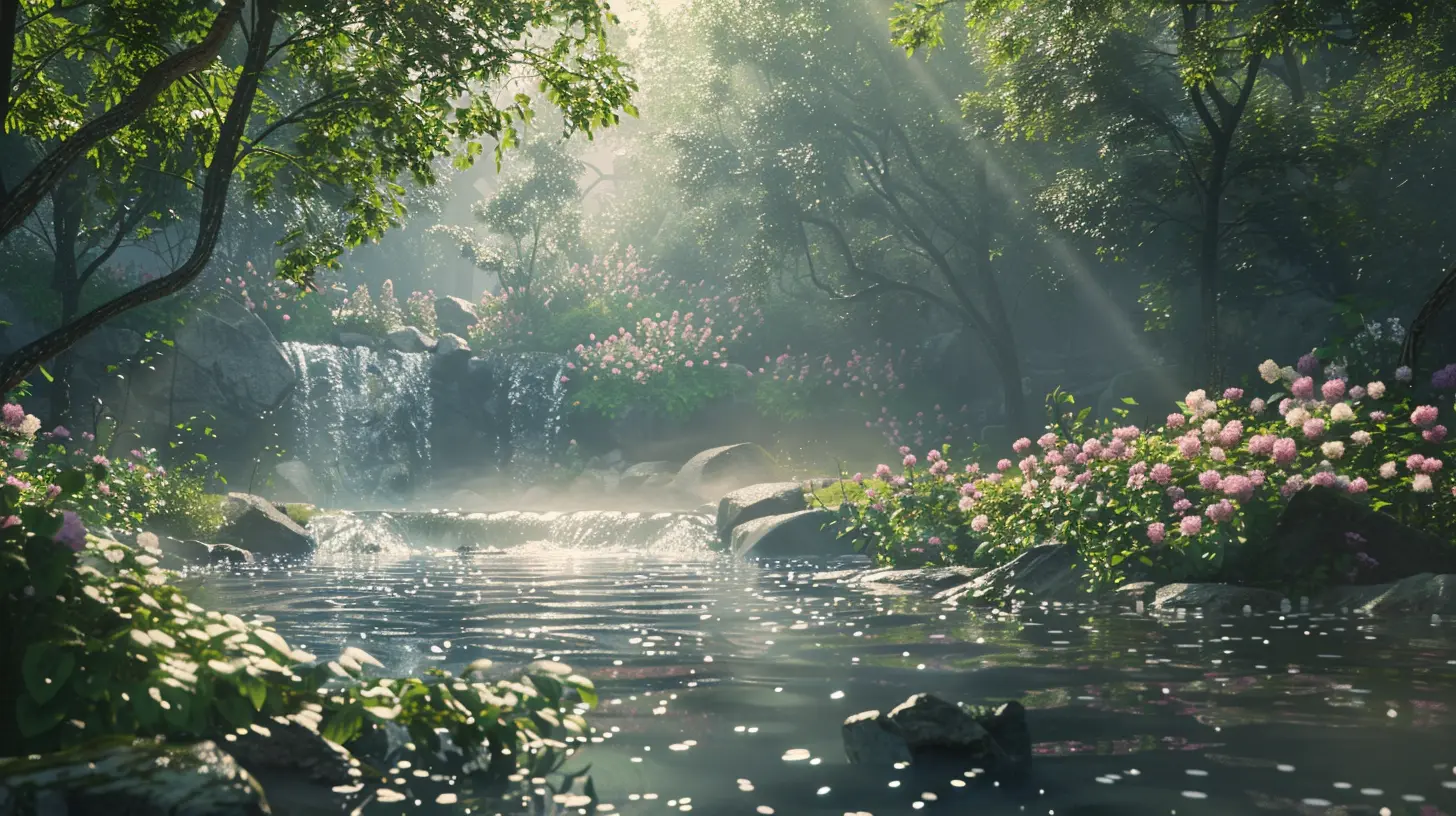
The Evolution of Game Worlds
Let’s rewind for a second.Think back to some of the classics — maybe Super Mario Bros., Doom, or even early RPGs like Final Fantasy. They were amazing for their time, but they were pretty straightforward. Enemies had one goal: attack you on sight. NPCs repeated the same lines. Levels didn’t change unless you progressed the story.
Fast forward to today. Open worlds like those in Red Dead Redemption 2, The Witcher 3, or Cyberpunk 2077 are packed with characters who (sort of) eat, sleep, and live their lives. But even these incredible worlds have limits. A bandit always attacks, a shopkeeper always sells, and a side quest never goes off-script.
That’s where AI can take the wheel.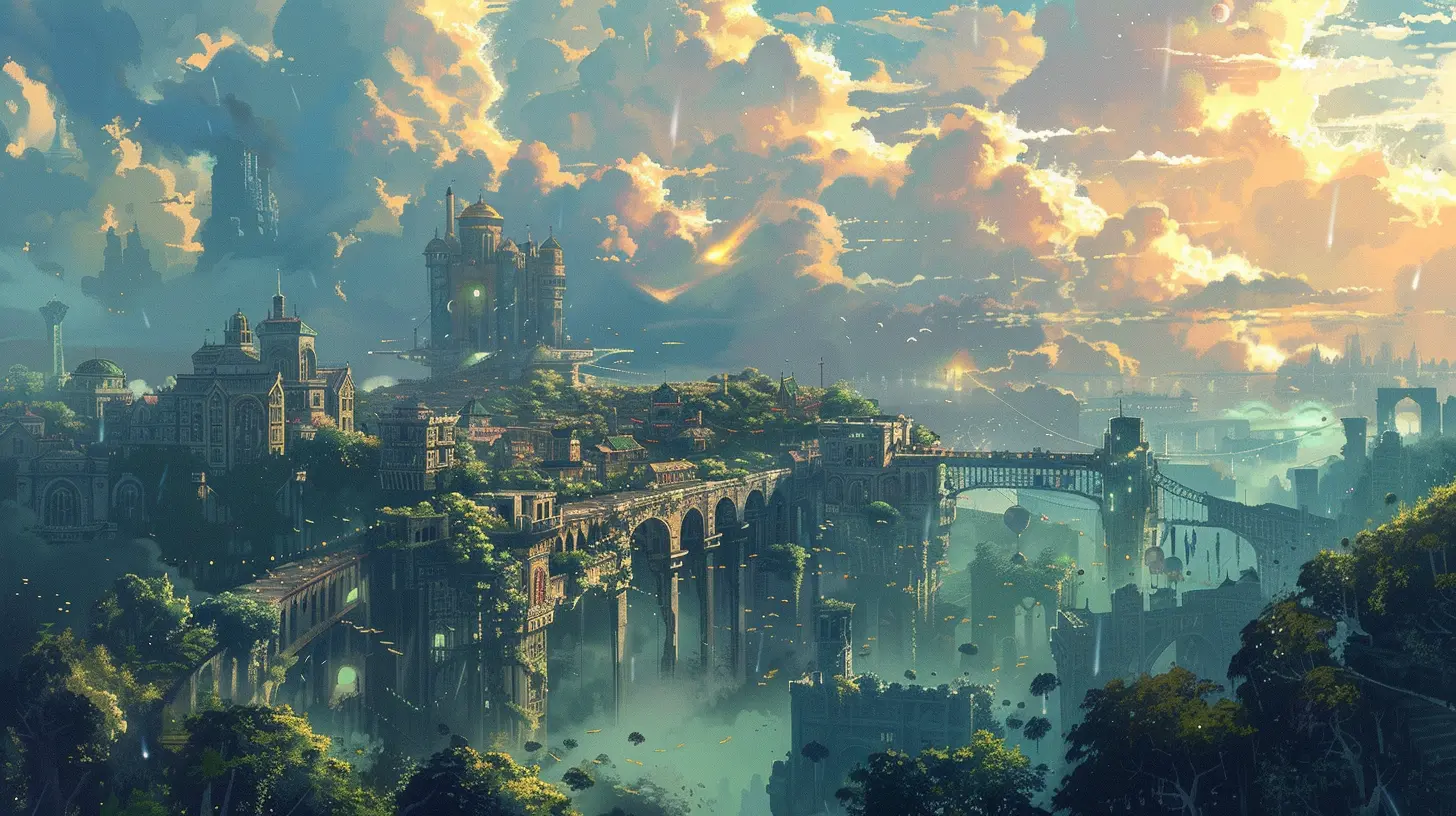
What Does It Mean to Make Game Worlds “Smarter”?
When we say "smarter game worlds," we're not just talking about making enemies harder to beat. We're talking about living, breathing environments where NPCs behave more like real people and the world adapts based on how you play.Imagine:
- NPCs who remember your actions — and hold grudges or friendships over time.
- Shops that raise prices if you’ve been stealing from their stock.
- Towns that rebuild if you saved them... or fall apart if you didn’t.
- Questlines that shift based on past decisions, not just branching paths.
This goes way beyond traditional scripting. It’s about simulating life — and that’s where AI comes in.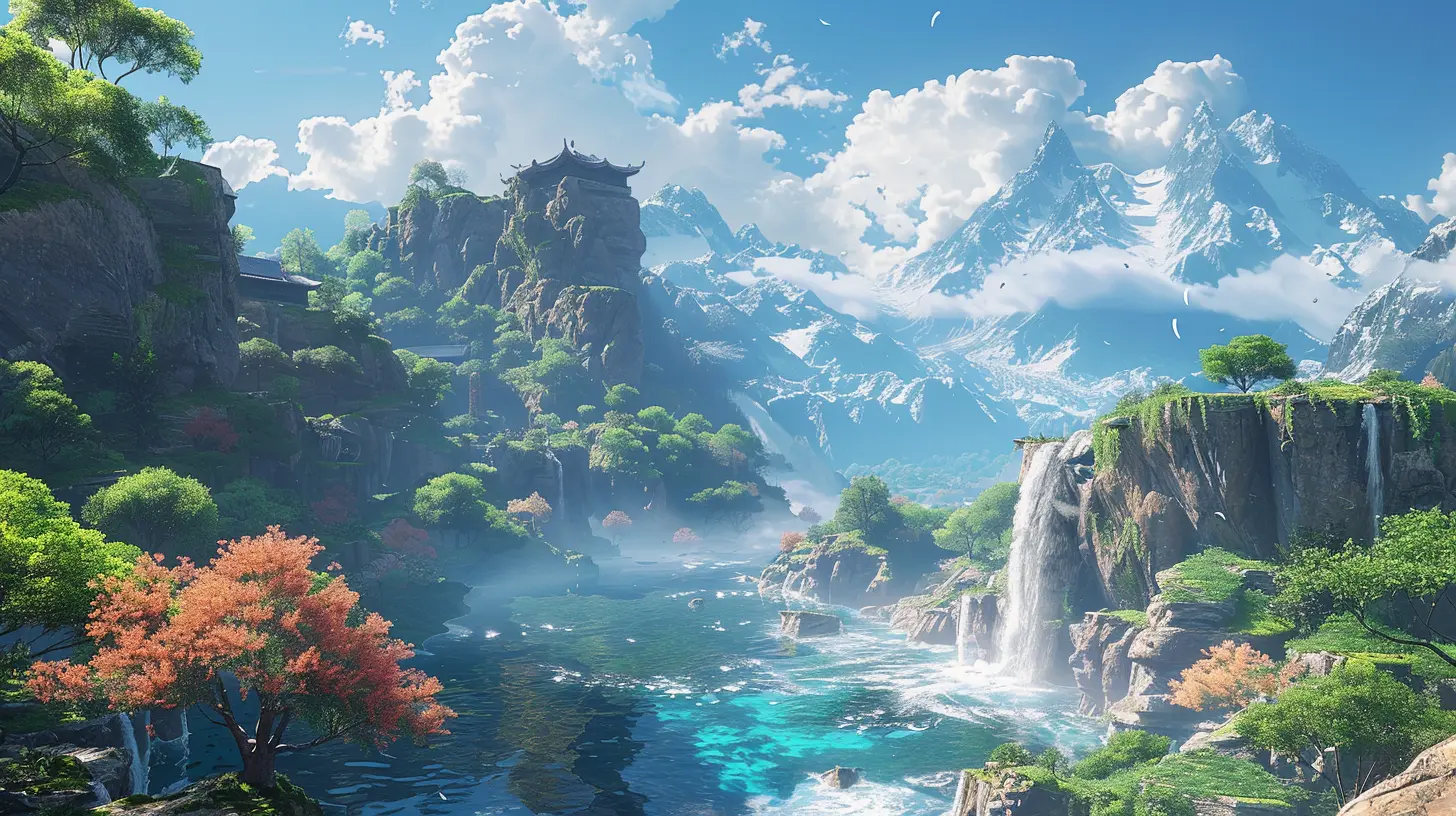
How AI is Used in Game Development Today
Let’s break it down into bite-sized pieces. AI in modern games is doing a lot already, in ways you might not even notice.1. NPC Behavior and Decision Making
AI models can help NPCs make decisions that feel real. Instead of following a simple “if this, then that” rule, AI allows for more nuanced reactions.For example, in a stealth game, an AI-powered guard might not just chase you when spotted. They might try to alert others, set traps, or even retreat and regroup. That’s some next-level strategy.
Games like Middle-Earth: Shadow of Mordor used a basic version of this with the Nemesis System. Orcs remembered you, adapted to your strategies, and came back with scars — literally and figuratively.
2. Procedural World Generation
Games like Minecraft or No Man’s Sky use procedural generation to create massive worlds without handcrafting every tree or mountain. AI can refine this by making the world generation smarter and more consistent with the game’s logic.Imagine exploring a planet where the ecosystem makes sense based on climate, geography, and food chains — all powered by AI.
3. Dynamic Storytelling
One of the coolest uses of AI? Storytelling that adapts to you.Narrative AI can adjust the plot based on your playstyle. Maybe the princess isn’t in another castle this time — maybe she ran away because your character has become too feared in the kingdom.
We’re talking about games writing themselves — with structure, emotion, and logic.
4. Natural Language Processing (NLP)
Ever wish you could just talk to NPCs rather than picking from a list of dialogue options?AI tools like ChatGPT (yeah, like me) make it possible for characters in games to understand and respond to player input in natural, human-like ways. This opens the door to organic conversations that could change quests and relationships in real-time.
Imagine walking into a village and chatting up a blacksmith like you’re in a D&D campaign. That’s not far off.
AI-Powered Smart Worlds in Action
Okay, enough theory. Let’s talk real-world examples.Watch Dogs: Legion
Ubisoft’s techno-thriller lets you recruit any NPC in London to your cause. Each person has their own job, routine, strengths, and weaknesses — all systemically generated. While it’s not AI in the futuristic sense, it's a big step toward living worlds.The Sims 4 (Modded with AI)
Modders have started experimenting with integrating AI personalities into The Sims. Now your Sim might decide to start a side hustle or ignore responsibilities for personal fulfillment. It’s no longer a simulation — it’s a sandbox for digital personalities.AI Dungeon
This text-based game uses AI to generate endless adventures on the fly. It’s a bit chaotic (like trying to DM a game of Dungeons & Dragons with a hyperactive poet), but the potential is obvious: infinite storytelling with genuine surprise.Challenges and Limitations of AI in Game Design
Let’s not get too lost in the hype. Making smarter game worlds sounds amazing, but it’s not all smooth sailing.1. Predictability vs Chaos
Too much randomness or unpredictability can break immersion. If an NPC suddenly declares war on you because you said “Hello” weirdly, that’s not smart — that’s frustrating.AI needs balance. It should feel natural and logical, not just random.
2. Development Time and Cost
Training AI models takes time, data, and serious computing power. This is especially tough for smaller indie studios. Making a smart world isn’t cheap.3. Ethical Concerns
When AI systems use real-world data (like human conversations or behaviors), developers have to be careful. Nobody wants a racist NPC spouting offensive stuff just because the AI learned from the internet.Game companies need to prioritize safe, inclusive design.
The Future: Where Are We Headed?
So, what's next? How smart can these game worlds get?AI Game Masters
Imagine an AI that acts like a Dungeon Master — creating quests, adjusting difficulty, and reacting to your playstyle in real time. It could make every playthrough completely unique.Emotional AI
Future NPCs might read your in-game emotions based on your decisions and playstyle. Are you reckless or cautious? Violent or diplomatic? Your companions might judge you accordingly.Personalized Game Worlds
AI can tailor the environment itself around you. Like horror games? Your next RPG might get a whole lot creepier. Prefer diplomacy over combat? Expect more talking and less stabbing.How Devs and Players Benefit
Let’s be honest — AI’s not just a gimmick. Smarter game worlds offer real perks for both developers and us, the players.For Developers:
- Less handcrafting of content = more focus on design and feel.- Systems that adapt over time = longer game lifespans and replayability.
- Unique player experiences = loyal communities.
For Players:
- Immersive, believable worlds.- Dynamic games that evolve with your choices.
- A sense that your actions truly matter.
That’s the dream. And we’re getting closer.
Final Thoughts
Using AI to make game worlds smarter isn’t some sci-fi concept — it’s already happening. We’re moving away from static universes toward ones with memory, personality, and unpredictability. It’s like stepping into a storybook where the characters are writing you back.Now, does this mean every game will become a fully sentient open-world simulator? Not quite. But the building blocks are in place. As AI continues to evolve, game developers will have an incredible toolset to craft unforgettable experiences.
So next time you talk to an NPC and they remember what you did — don’t be surprised if they don’t forgive you.
all images in this post were generated using AI tools
Category:
Game WorldsAuthor:

Leandro Banks
Discussion
rate this article
1 comments
Blaine Whitaker
AI in game worlds is like giving NPCs a brain. Imagine characters that adapt and evolve based on your choices. It's not just smarter gameplay; it's a dynamic narrative that keeps players on their toes... and coming back for more.
June 29, 2026 at 3:48 AM
Leandro Banks
Absolutely! AI can transform NPCs into dynamic characters, making every player choice impactful. This creates a richer narrative that really enhances the gaming experience.