What Makes a Game World Feel Alive
18 June 2026
Ever jump into a game and instantly feel like you're stepping into a breathing, buzzing universe—not just a static backdrop for a mission? That’s the magic of a truly alive game world. We’re not just talking NPCs who walk around or a few birds flying in the sky. We're talking about something deeper—worlds that pulse with personality, stories hidden in alleyways, weather that changes your plans, and characters that feel more like people than pixels.
So, what really makes a game world feel alive? Let’s break it down.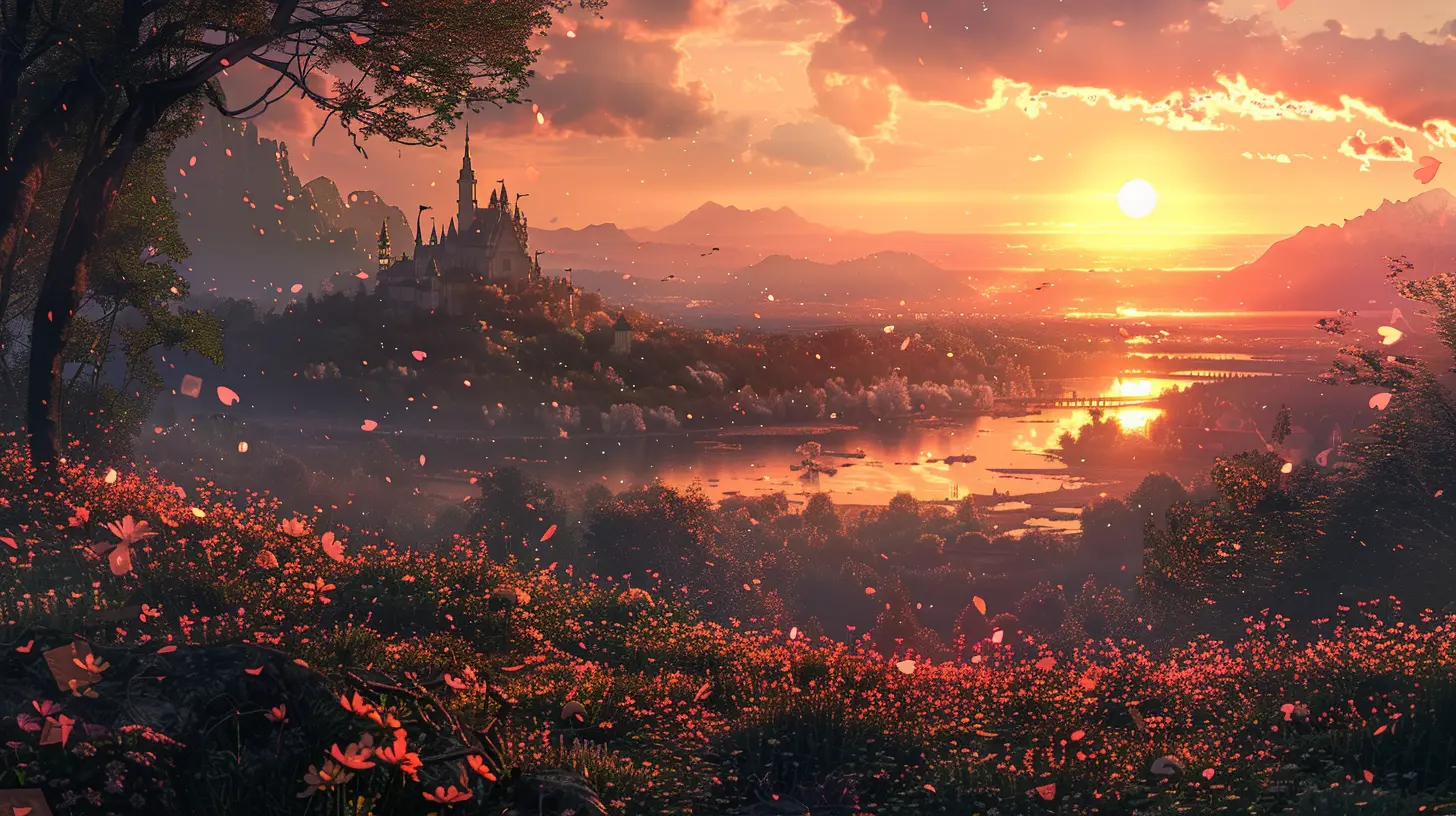
1. Dynamic NPC Behavior: More Than Just Background Extras
You know when NPCs do more than just repeat the same line every time you walk past? That’s where life begins.In a living game world, NPCs follow routines—wake up, go to work, gossip at the market, head home. Games like Red Dead Redemption 2 and The Elder Scrolls V: Skyrim do this brilliantly. The characters don’t just stand around waiting for you to show up. They have their own lives, and sometimes… you’re just interrupting.
And if they react to your actions? Even better. Rob a store, and you’ll hear whispers next time you walk through town. Help someone out, and they might recognize you on the street later. That’s interactivity that sticks.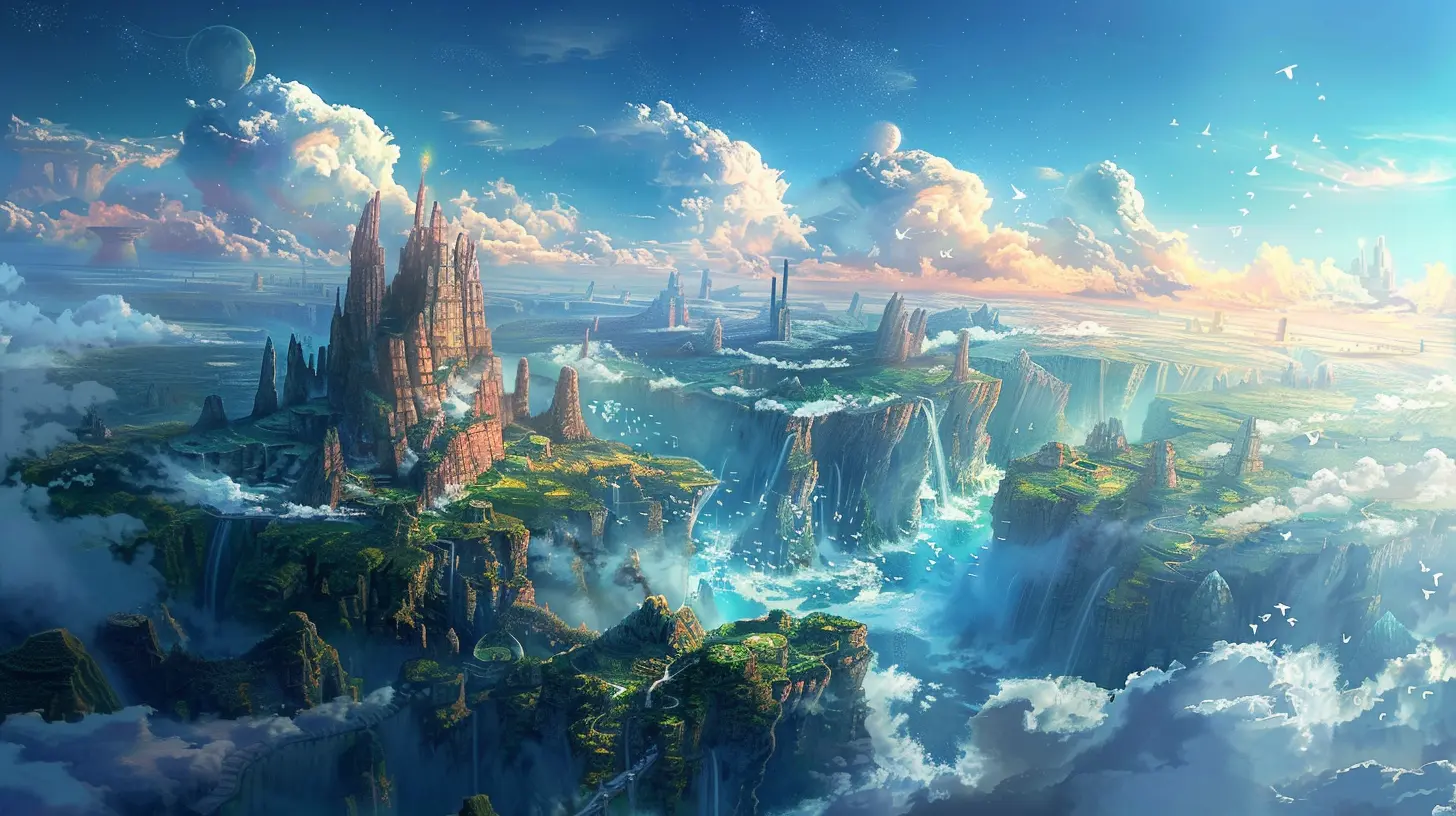
2. Real-Time Weather and Day/Night Cycles
Remember the first time you played a game where it rained and villagers ran for cover? Felt kinda magical, right?Real-world time mechanics like sunsets, sunrise, and changing weather make everything feel organic. It’s not just for show, either. You might need a torch to explore at night or take shelter during a thunderstorm. Games like The Legend of Zelda: Breath of the Wild embrace this and turn it into gameplay. Rain makes rocks slippery. Lightning strikes metal armor. Suddenly, the environment isn’t just pretty—it matters.
These changes keep you on your toes and make the world feel like it's alive even when you're not looking.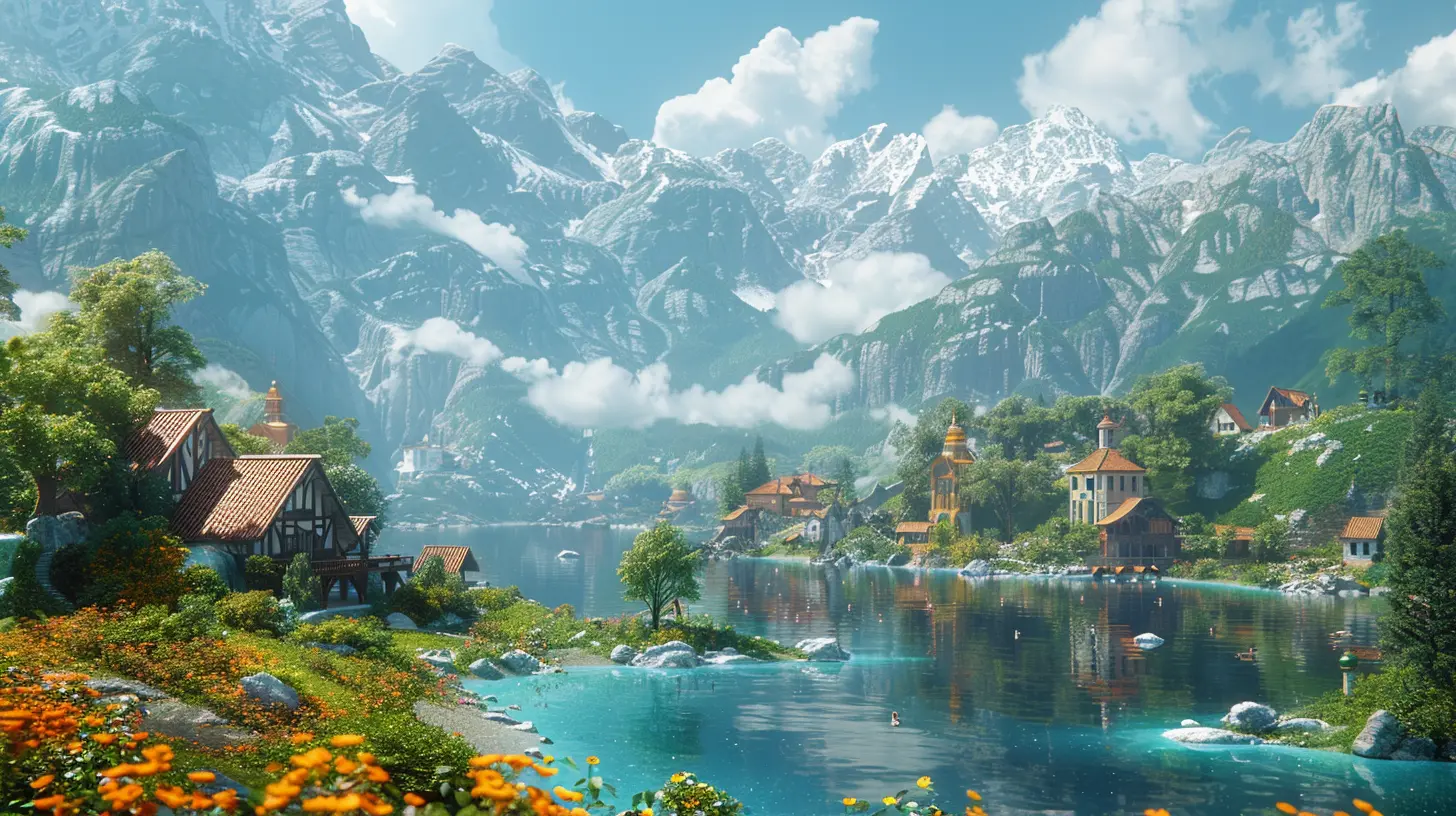
3. Ambient Sounds and Natural Environments
Close your eyes while playing a well-crafted game. Can you hear the wind rustling through the trees? Birds chirping in the distance? A dog barking down the street?Those ambient layers of sound are what make you feel immersed. It’s not just music or loud action. It’s the tiny, blink-and-you’ll-miss-it details. Crickets at night. Distant waterfalls. Footsteps echoing through a cave. It’s like the game is whispering little secrets to your subconscious, saying, “Hey… this place is real.”
The Witcher 3 and Ghost of Tsushima nailed this, letting the world speak for itself without constantly dragging you into menus or cutscenes.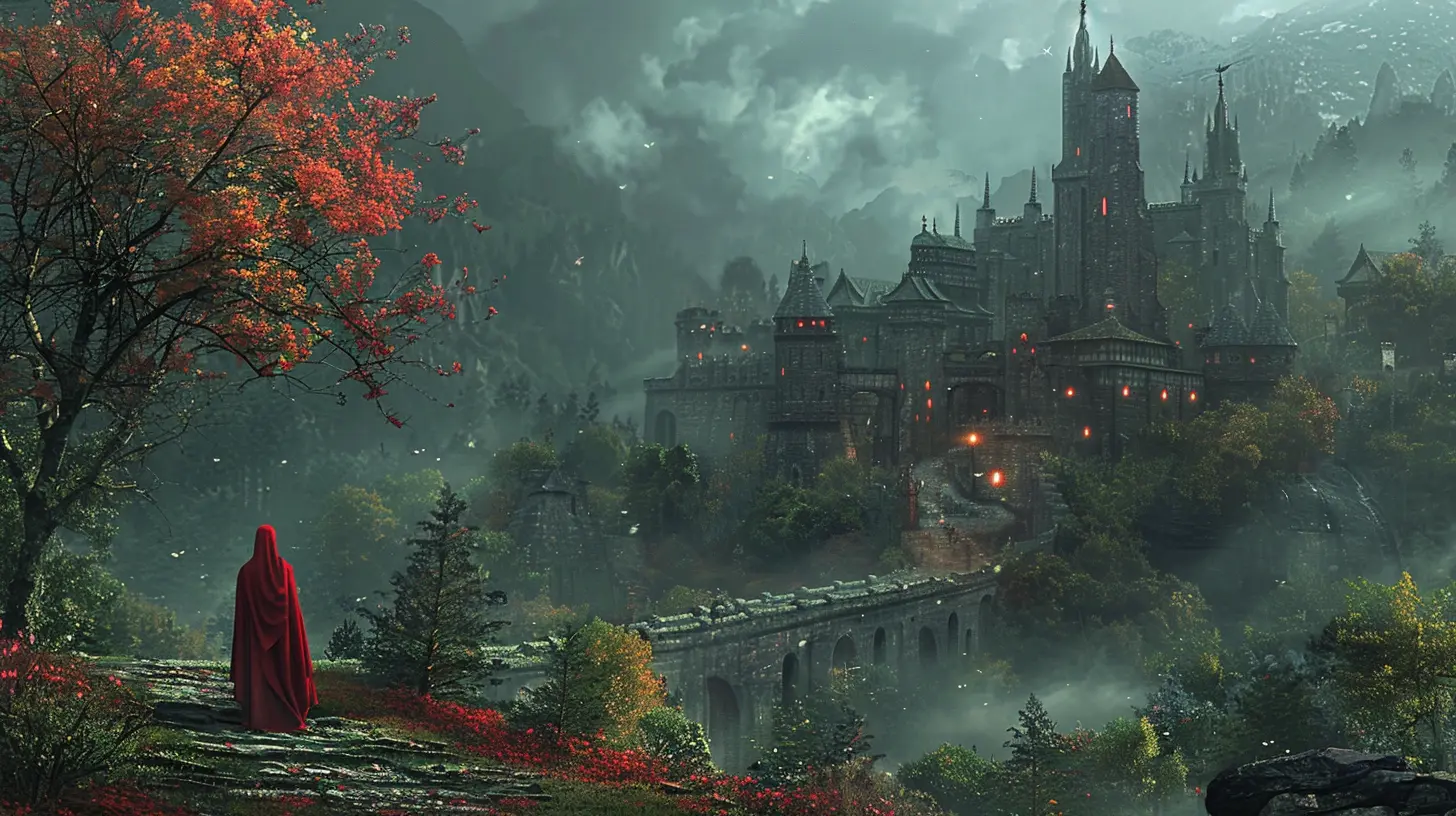
4. Evolving World Events and Player Impact
Nothing kills the vibe faster than a world that never reacts to your actions. If you save a village and nothing ever changes, it begs the question—why bother?Living worlds remember. They evolve.
A great example? Fable. Help those in need and towns become brighter, friendlier. Go full villain and you’ll see people run in fear. Shops close. Guards chase you. That’s the butterfly effect in motion. Your choices ripple outward, even if the outcome isn’t instant.
Even smaller touches—like seeing previously abandoned ruins turned into bustling hubs—make a huge difference. The world should feel like clay in your hands, not a cardboard diorama.
5. Random, Emerging Events and Stories
Let’s be honest, scripted quests are cool, but sometimes spontaneous chaos is better.Imagine you’re on your way to do a main quest, then suddenly a bear chases an NPC out of the woods, leading you into a whole side story you didn’t expect. These unscripted, emergent moments can make replaying the same game feel fresh every time.
Games like GTA V or Far Cry 5 are masters at this, throwing curveballs that steal your attention in the best way. It's like the game says, “Forget the main story for a sec—let’s have some fun.”
6. Believable Lore & Worldbuilding
You don’t need a 300-page codex (though lore nerds would probably love that). But the world should have depth. History. Culture. Myths.Good lore isn’t about how much info you can shovel at the player. It’s about giving them just enough to trigger curiosity. Maybe it's a mural on a cave wall, a torn note under a bed, or weird symbols scattered across the terrain.
Dark Souls and Elden Ring are prime examples. You’re dropped into a place soaked in mystery, and piecing it together becomes part of the fun. This makes the world feel older than you—like you’re walking on the bones of legends.
7. Unique Biomes and Attention to Detail
Let’s talk visuals. A living world needs visual variety. From snow-capped cliffs to dense jungle ruins, each area should tell a story of its own.But it’s not just about flashy graphics. It’s about intentional design. Are there broken fences near bandit camps? Do flowers bloom after rain? Every little touch adds flavor.
Open-world games like Horizon Forbidden West prove that the devil is in the details. A cactus in the desert. Steam rising from hot springs. Wildlife reacting to your presence. It’s these micro-miracles that add up to a world that breathes.
8. Reactive AI and Wildlife Systems
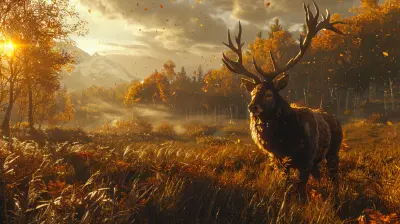
Ever stalked a deer in The Hunter: Call of the Wild or watched wolves hunting in Far Cry? Wildlife that behaves naturally—not just standing like confused statues—adds another layer of realism.Even better? When predators hunt prey, NPCs react to threats, or animals migrate based on time of year or food supply. These complex AI behaviors make everything feel unscripted… like real life.
You’re not the center of the universe anymore. You're just one part of a massive ecosystem doing its own thing.
9. Travel That Means Something
Fast travel is convenient, sure. But sometimes, it robs you of the journey.When environments are crafted with care, getting from point A to B becomes part of the gameplay. Think of how games like Death Stranding or Red Dead Redemption 2 make travel immersive. Terrain challenges you. Weather interferes. You start paying attention.
Hiking through the mountains, navigating a dense jungle, or even following a trail of destruction tells its own stories. In a living game world, travel isn't just movement—it’s discovery.
10. Dialogue That Feels Natural
Last but not least—people have to sound... well, like people.No world feels alive if every conversation is robotic or painfully scripted. Instead, great game writers inject humor, hesitation, slang, and local flavor into dialogue. NPCs talk about recent events, the weather, local gossip. Some even mess with you.
Dialogue systems like those in Mass Effect or Cyberpunk 2077 give you options that don’t just change the outcome—they shape your character’s personality and how others respond to them. That feedback loop is what keeps the world feeling fresh and alive.
Wrapping It Up: It's All in the Details
So, what really makes a game world feel alive?It’s not one big thing—it’s dozens of small, interconnected systems working together like a heartbeat. It’s the fusion of dynamic AI, immersive environments, evolving storylines, and your own impact on it all. When everything syncs up just right, you stop playing a game and start living in a world.
That’s when the magic happens.
And honestly? It never gets old.
all images in this post were generated using AI tools
Category:
Game WorldsAuthor:

Leandro Banks
Discussion
rate this article
1 comments
Yvette McQuillen
Creating a vibrant game world requires attention to detail and thoughtful design. When characters, environments, and stories resonate, players feel a true connection, making every moment spent in that world unforgettable.
June 23, 2026 at 4:30 AM
Leandro Banks
Absolutely! It's all about the little things that create immersion. When every element clicks, players truly engage and remember those experiences.