What Makes a Game World Feel Mysterious
1 April 2026
Have you ever stepped into a game and felt like you've wandered into uncharted territory—a place full of secrets, hidden doorways, strange symbols, and eerie silences? That spine-tingling sensation of not knowing what's around the next corner, or what that weird whisper in the shadows meant—now that’s mystery done right.
So, what is it that makes a game world feel mysterious? It's not just about foggy forests and cryptic ruins. It's the way the world is built, the way the story is told (or not told), and how your brain is constantly lit up with questions. Let’s unravel the magic and mechanics behind crafting truly mysterious game environments.
The Allure of the Unknown
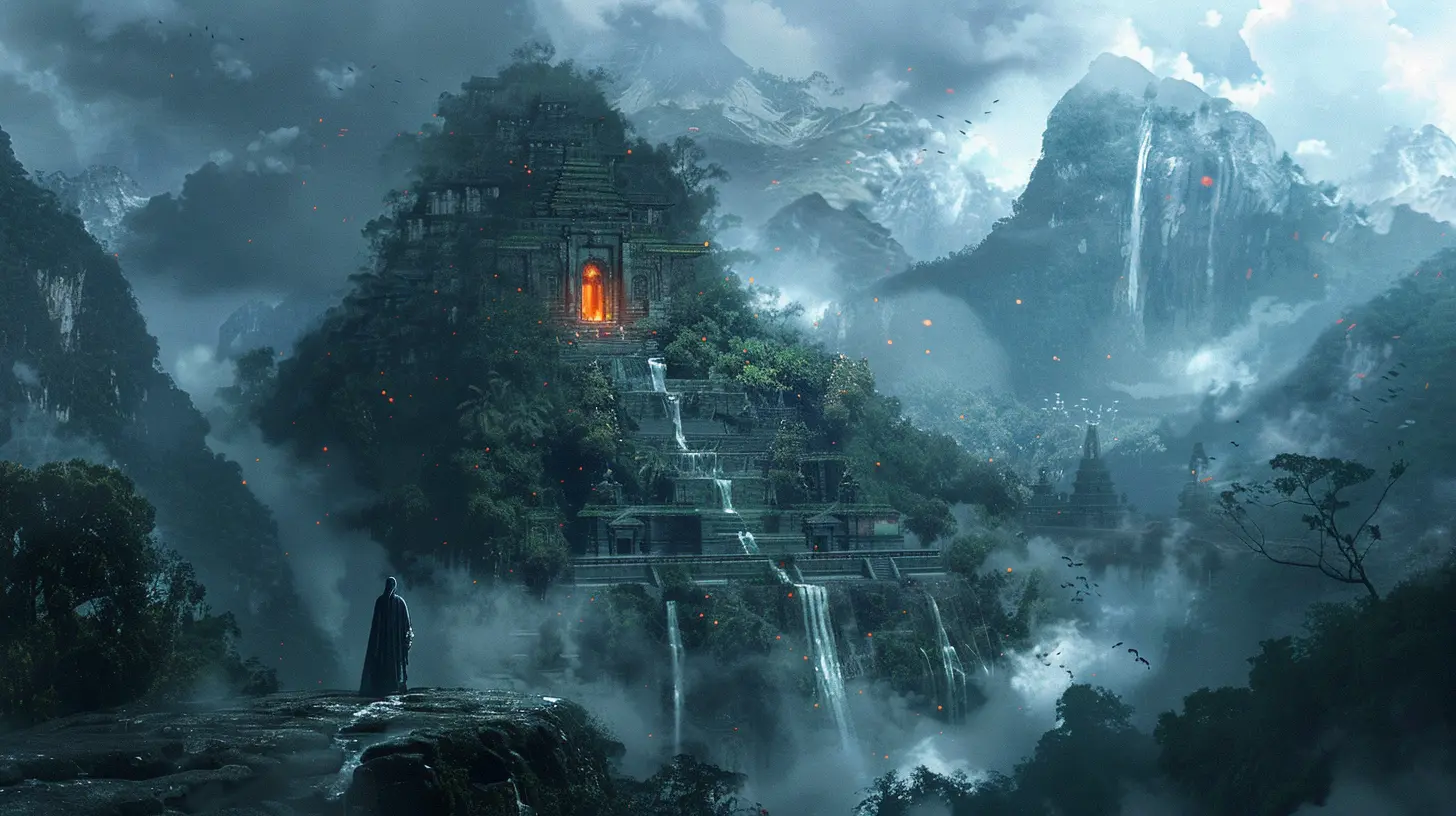
Let’s face it—we humans are naturally curious creatures. Give us a locked door or a strange symbol, and we’re itching to figure it out. A mysterious game world plays this card perfectly. It drops hints, teases secrets, and leaves breadcrumbs that never quite tell the whole story.Think of it like a good horror movie. The less you see, the more your imagination runs wild. That’s the sweet spot many game developers aim for when they’re building mysterious atmospheres.
You won’t find flashing arrows or pop-up hints that yell “GO HERE NEXT.” Instead, you’ll get subtle clues—like a flickering torchlight in the distance or a half-buried statue with glowing eyes—that make you say, “Hold on… what’s that?”
Worldbuilding with Layers
Nothing is Random
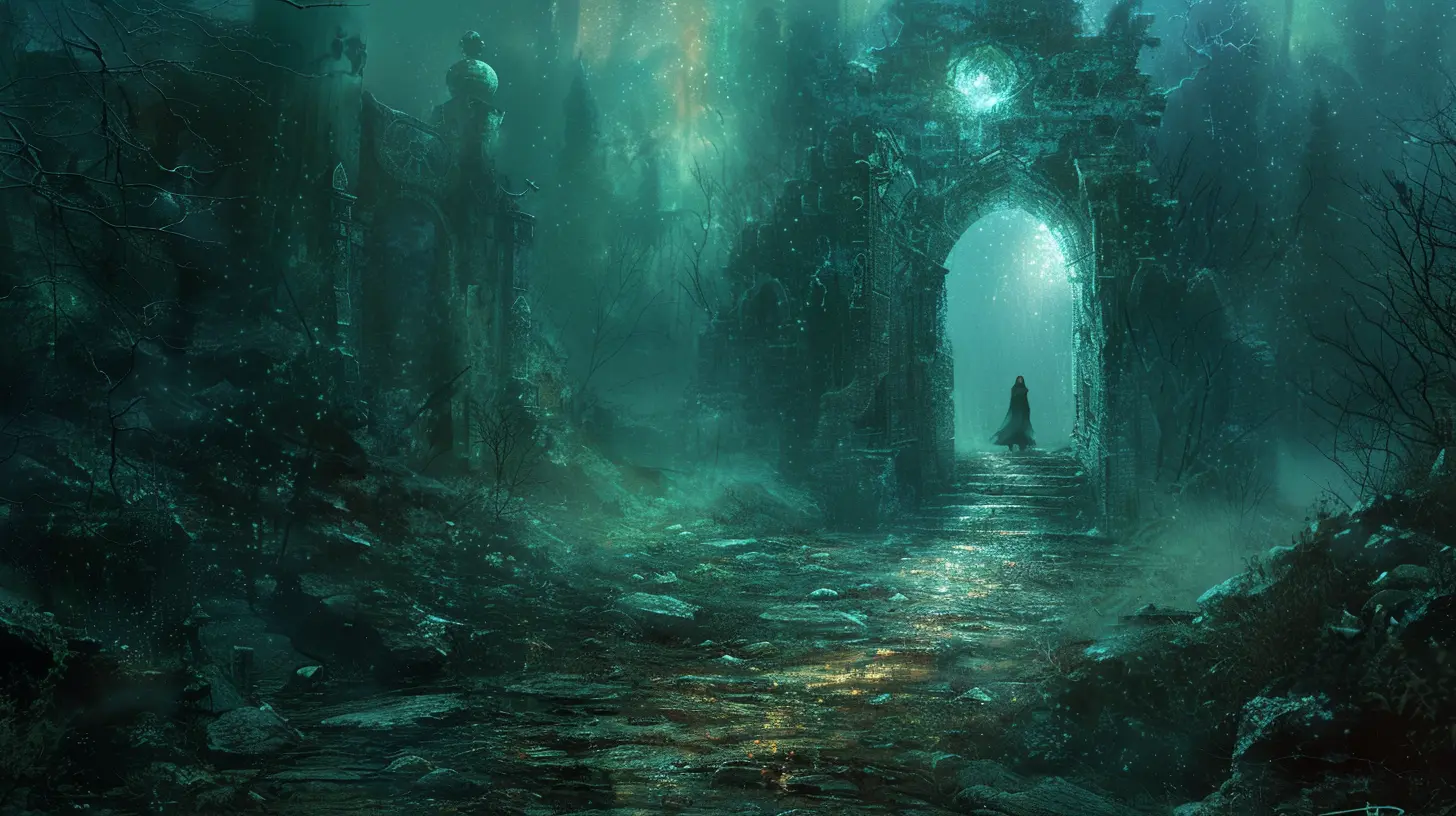
A mysterious world feels intentional. Every statue, every ruin, every diary page tucked behind a bookshelf exists for a reason. Even the parts you don’t understand (yet) are layered with meaning. That's what keeps players coming back—to piece things together like some digital archaeologist.Games like Dark Souls or Hollow Knight master this by using environmental storytelling. There’s very little hand-holding, but the world itself is rich enough that if you pay attention, you'll see the puzzle come together. Slowly. Painfully. But oh, so satisfyingly.
Hidden Histories and Lore
A living game world often has a buried past. The question is: how much of that past should be right in front of you?The answer is: not much.
Mystery thrives when lore is scattered. Maybe you find an old journal entry from a forgotten explorer. Or ancient murals with images you can’t quite decode. This gives the world depth. It shows that things happened before you arrived—and not everything is about you.
The Art of Not Saying Everything
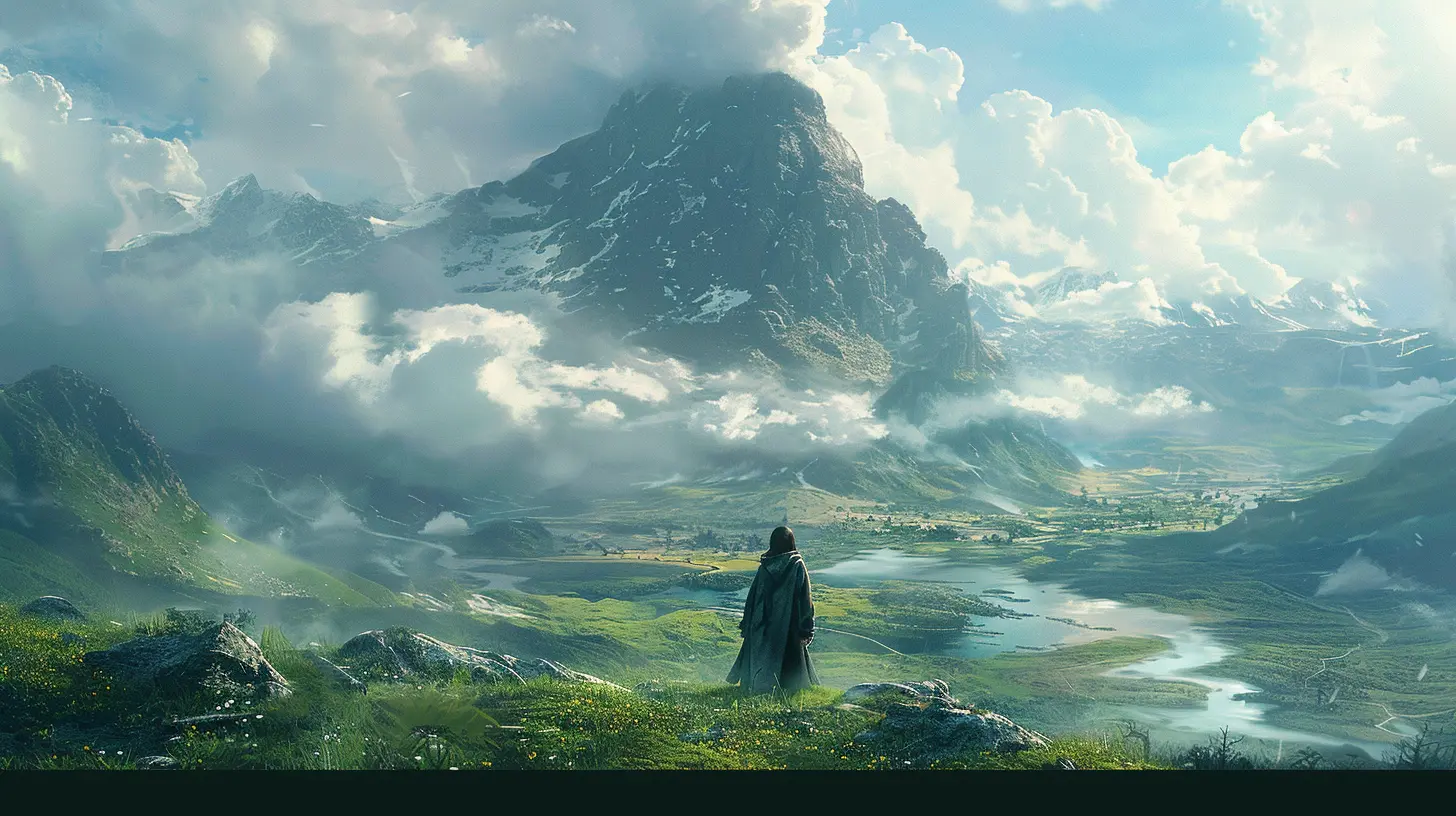
Here’s a fun twist—sometimes, what’s not said is more impactful than what is. Game developers often use silence or omission to stir curiosity.Take for example the game Journey. There’s almost no dialogue at all. And yet, players feel a connection to the world, wondering who built these structures, what happened here, and why you’re traveling at all.
That’s the power of subtlety. When a game doesn’t spoon-feed information, it invites you to pay closer attention and fill in the blanks with your own theories.
Strange NPCs and Unclear Motives
Mysterious NPCs are gold mines for intrigue. You know the type—the ones who speak in riddles, vanish after their dialogue, or change depending on what you do.When done right, these characters feel unpredictable, almost otherworldly. You can’t trust them fully, and that creates tension. Are they helping you? Using you? Watching you?
Games like The Legend of Zelda: Majora’s Mask pull this off beautifully by making the inhabitants of the world feel “off.” They behave oddly, they react to strange things, and they definitely know more than they’re telling you.
Environmental Storytelling
When the World Talks Without Words
One of the most powerful tools in crafting a mysterious game is environmental storytelling. This is where a place tells a story without anyone having to say a word.Picture this: you enter a crumbling cathedral. There’s a dagger stabbed into the altar, dried blood on the steps, and a broken crown lying in a pool of water. Suddenly, your brain lights up with a thousand questions. What happened here? Why is there a crown? Who stabbed whoever?
You might never get the full answers. But the mystery is what keeps you glued.
Lighting, Sound, and Atmosphere
Let’s not forget how much mood matters. Light and sound can push a mysterious vibe from 0 to 100 real quick. Dim lighting, flickering lanterns, and far-off echoes make a world feel unknowable.And music? Oh man—ambient tracks with subtle whispers, haunting piano notes, or even complete silence can build suspense like no dialogue ever could.
Atmosphere is like the seasoning on a steak—it doesn’t make the dish, but without it, everything tastes bland.
Puzzle Mechanics and the Joy of Discovery
When you’re dropped into a world where the rules aren’t clear, things become more thrilling. Mysterious games lean into this by offering puzzles that don’t immediately make sense. They require trial and error, maybe some notebook scribbling, and definitely a bit of patience.But once you solve them? That “Aha!” moment is like hitting a jackpot.
Mystery grows when the game trusts you to figure things out. It makes you feel smart, like you're unearthing long-lost secrets. More importantly, it makes you invested. After all, you’ve worked for it.
Vagueness Can Be a Strength
This might sound weird, but sometimes, clarity is the enemy of mystery. Games that leave loose ends—intentionally—can feel more haunting.Think about Inside or Limbo. Both games end without clear resolutions. And you know what? That’s part of their charm. They leave you with questions that stick with you for days.
Those “Wait, what did I just experience?” moments are golden, especially in a world overflowing with predictable plotlines.
A Sense of Scale That Dwarfs the Player
Nothing screams “mystery” quite like standing at the foot of a colossal statue or staring out into a fog-choked valley, knowing you haven’t even scratched the surface.Good game design makes you feel small—not in a bad way, but in a way that reminds you there’s so much more waiting to be uncovered.
This feeling of scale gives depth and makes you believe that the world exists beyond what you can see or reach. It’s “mystery by distance,” and it works wonders.
Player-Created Theories and Community Speculation
Mysterious worlds don’t just live in the game—they thrive in Reddit threads, YouTube breakdowns, and late-night Discord discussions.When a game does mystery right, players become detectives. They compare notes, argue theories, and decode cryptic dialogs. This creates a ripple effect where the mystery becomes a shared experience.
Games like Fez or The Witness pulled off this communal discovery perfectly. The developers gave just enough without revealing everything, and players filled in the blanks together.
Control and Freedom
Let’s be honest, part of what makes a game world mysterious is the freedom to go off the beaten path. Linear games can feel great, but they usually lack that sense of “Did I find something I wasn’t supposed to?”Non-linear exploration, hidden zones, and secret endings allow you to feel like you're pushing past the curtain. Each discovery feels like something you found, which makes it more personal and more magical.
Final Thoughts
Creating mystery in a game world isn’t just about hiding stuff or writing cryptic lore. It’s about building a world that feels alive—where every rock, ruin, and ripple has a purpose, even if you can’t see it yet.It’s about pulling players in, making them question everything, and giving them little hints that something bigger is out there—just waiting to be found.
And that’s what keeps us playing. That thrill of not knowing. That sweet chill down your spine when you realize… there’s more to this world than meets the eye.
So next time you boot up a game and feel that tickle of curiosity, that urge to search every corner and question every weird symbol—you'll know the devs did their job.
They built a world full of mystery, and they let you become part of the story.
all images in this post were generated using AI tools
Category:
Game WorldsAuthor:

Leandro Banks
Discussion
rate this article
2 comments
Foster Edwards
This article highlights key elements like atmospheric storytelling, hidden lore, and environmental details that contribute to a game world’s mystery, enhancing player immersion and intrigue.
April 9, 2026 at 4:16 AM
Leandro Banks
I'm glad you found those elements impactful. They really do play a crucial role in drawing players deeper into the game world.
Jessamine Pace
What a fantastic exploration of game worlds! Your insights into the elements that evoke mystery truly resonate. The blend of atmosphere, storytelling, and hidden secrets makes every adventure thrilling. I can’t wait to dive into these worlds and uncover their enigmas! Keep up the great work!
April 8, 2026 at 3:40 AM
Leandro Banks
Thank you so much for your kind words! I'm glad my insights resonated with you. Enjoy your adventures in those mysterious game worlds!