What Makes Some Game Sales Better Than Others
12 May 2026
Let’s be real — there’s nothing quite like the excitement of a good game sale. You know what I mean. That moment when you log into Steam, PlayStation Store, Xbox Marketplace, or Nintendo eShop, and boom — a sleek little banner flaunts “Up To 90% Off!” Suddenly, you're scrambling to check your wishlist and wondering how many games your budget — and your backlog — can handle this time.
But let’s face it. Not all game sales are created equal.
Some hit just right, tempting you with big titles at jaw-dropping discounts. Others? Meh. They repackage the same old deals, dress them up with flashy graphics, and hope you won’t notice. So, what actually makes some game sales better than others? Let’s dig into the world behind the discount tags and figure it out.
1. It’s All About the Price-to-Value Ratio
Alright, price tags are front and center in any sale — but it’s not just about how cheap a game is. It’s about how much game you’re getting for your money. That’s what I like to call the price-to-value ratio.A $5 game that gives you 40+ hours of gameplay, a gripping story, and decent visuals? Total win. But a flashy AAA title dropped from $70 to $59 that still feels half-baked or relies on microtransactions? Yeah… hard pass.
Great sales make you feel like you’re getting away with something — like you just robbed a digital store, legally.
Ask Yourself:
- Is this game actually worth the sale price, or is it just a small discount to lure me in?- Have I wanted this game for a while, or am I impulse buying because it’s cheap?
2. Big Name Games vs Hidden Gems
We all love grabbing that blockbuster hit — maybe a recent Call of Duty or the newest Final Fantasy — for a fraction of the cost. But here’s the twist. The best sales often highlight hidden gems you never knew you needed.You know the type:
- A quirky indie platformer with unexpected emotional depth.
- A strategy game that eats away your weekend.
- A survival horror title that makes you sleep with the lights on.
The better game sales don’t just slash the prices on well-known hits — they curate a mix that spotlights standout indie titles alongside heavy hitters. It gives us both the familiar and the unexpected.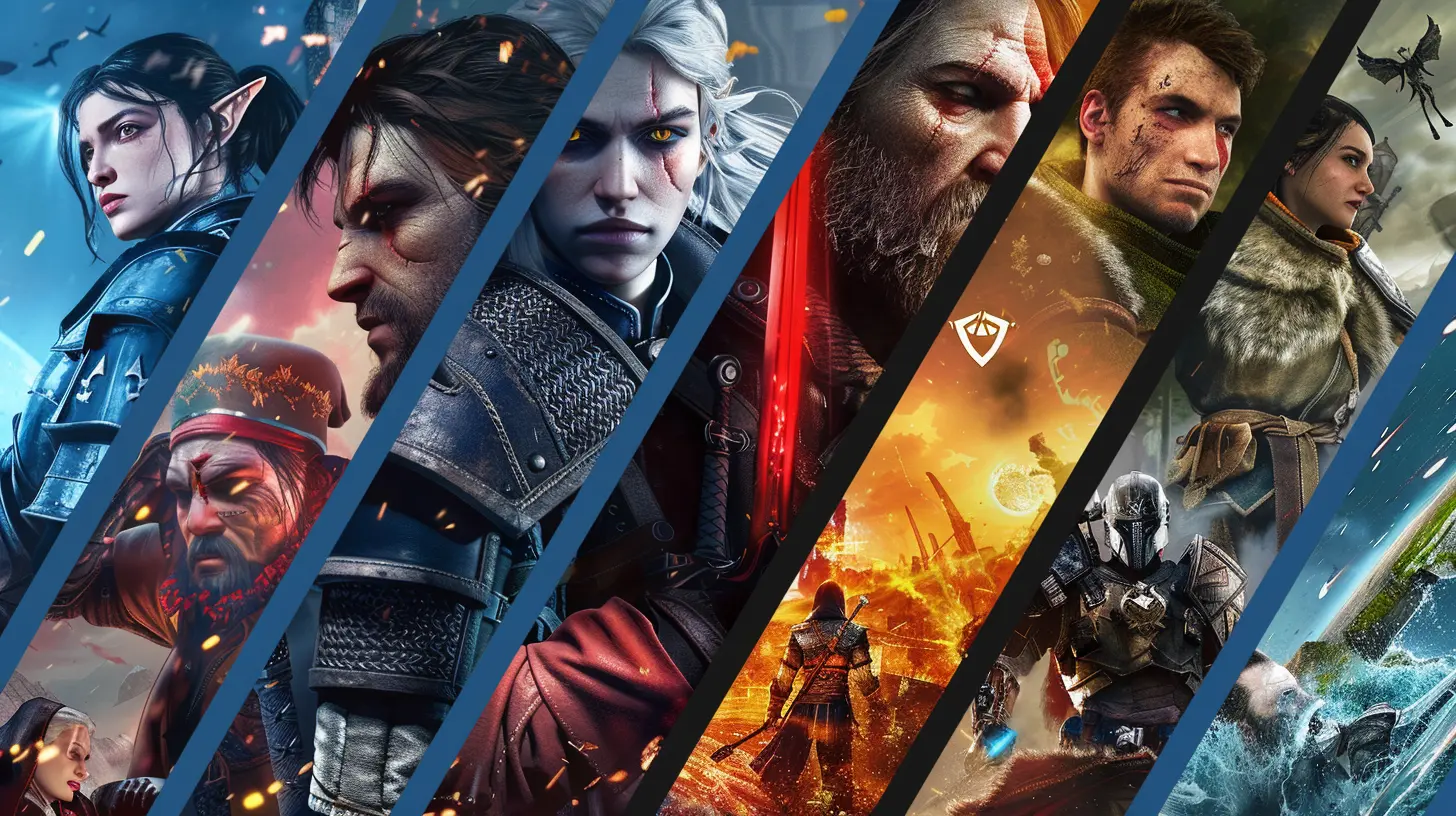
3. Smart Curation Makes a Huge Difference
Ever scroll through hundreds of discounted games and feel more overwhelmed than excited? Yeah, we’ve all been there. That’s where curation comes in.When game sales are well-organized — think bundles, publisher sales, genre spotlights — you’re more likely to find something you actually want. Compare that to a cluttered mess of random titles all thrown together with no rhyme or reason. It’s like diving into a bargain bin with a blindfold on.
Killer curation looks like this:
- “Top-Rated Horror Games Under $10”- “Award-Winning Games You Missed”
- “RPG Essentials: 50% or More Off”
That kind of thoughtful layout tells me the sale was built with gamers in mind — not just quick cash grabs.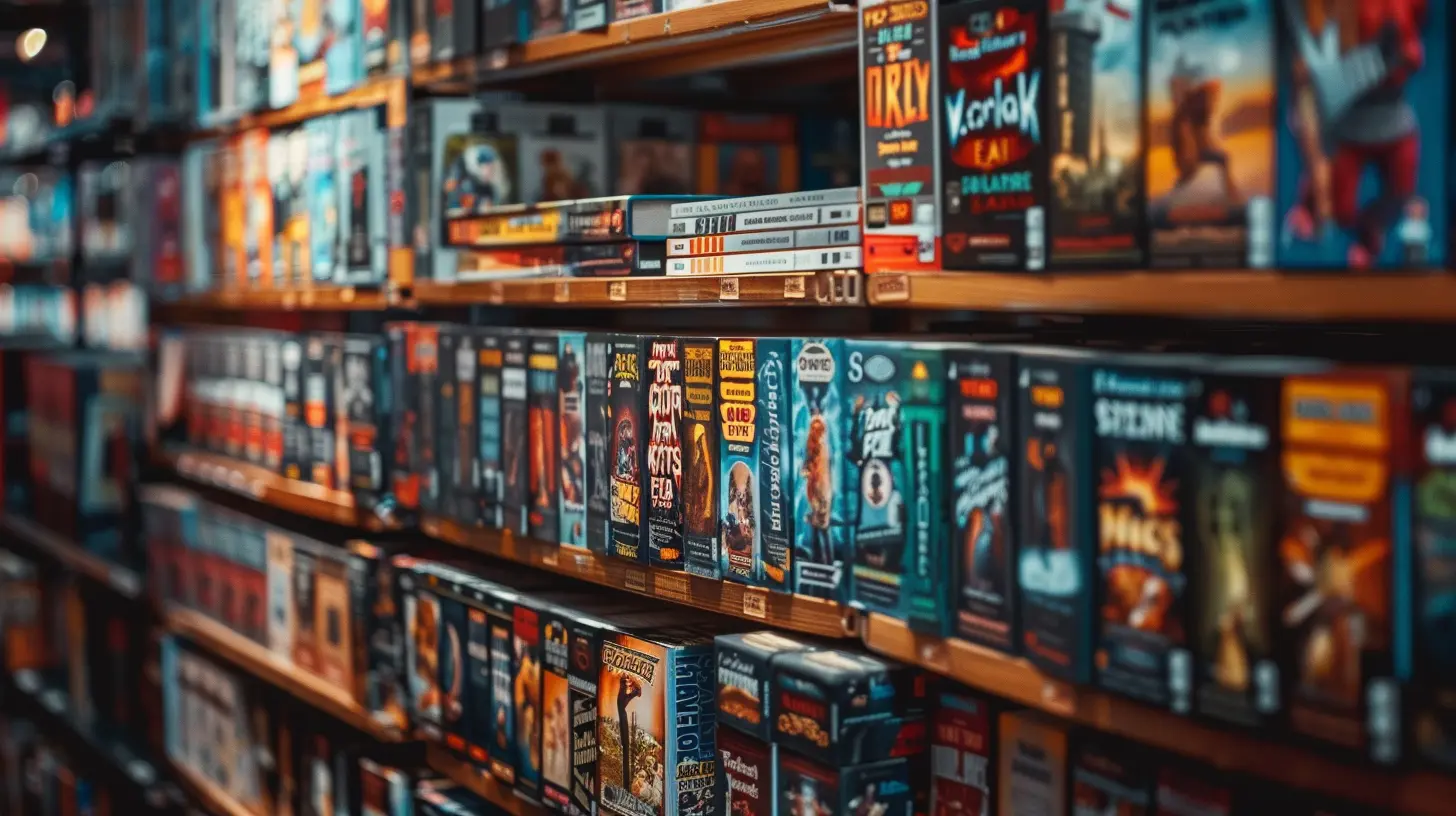
4. Timing is Everything
Let’s talk timing. Because a killer discount at the right time? Chef’s kiss.Game studios and platforms are strategic. You’ll notice the biggest, baddest sales often happen when:
- A sequel is about to release (get hyped!)
- A holiday is around the corner (Steam Summer Sale, anyone?)
- The gaming calendar is slow (gotta fill that lull)
When sales align with our gaming cycles — like right after exams, during school breaks, or just before the winter holidays — you’re more likely to bite. You’ve got the time, and the games are calling. Good timing = better value.
5. Actual Discounts Matter (Don’t Fall for Fake Deals)
Quick reality check: not every “sale” is a real deal.Some devs and platforms play sneaky. They bump a game’s price just before discounting it — making it look like a bigger savings than it is. Others take 10% off and act like it’s a once-in-a-lifetime bargain.
But better sales? They give you real markdowns — and not just on the base game. We're talking:
- Deluxe and Ultimate Editions
- Quality DLC and expansions
- Meaningful bundles that reduce the total price
When a sale actually reflects a genuine cut in cost, you feel it. And it keeps you coming back for more.
6. Bundles That Don’t Suck
We've all seen bundles where only one game’s good and the rest are, well… filler. It's like ordering a combo meal and finding out the fries are cold and the drink's flat.Better game sales pack bundles full of quality. Whether it’s a franchise pack (think all the Borderlands games in one deal) or a thematic bundle (like “Crime Thrillers Collection”), they give you real bang for your buck. You’re stocking your library with multiple solid games, not digital clutter.
7. Nostalgia Hits Different
You know what can make a game sale completely irresistible? Nostalgia.When you see a childhood favorite — maybe something you played on an old PS2, or a remastered version of a GBA classic — suddenly on sale for peanuts, it hits you right in the feels. That’s marketing gold.
Game publishers know this. And the best sales know how to weaponize nostalgia without being sleazy. They offer retro bundles, remastered collections, and even upgrade paths that make you feel like you're connecting with your younger self without breaking the bank.
8. Platform-Specific Perks
Each gaming platform throws a different flavor into the sale soup.- Steam has crazy events with trading cards, badges, achievements, and those famous wishlists.
- PlayStation Sales often mix timed-exclusive discounts with deals for PS Plus members.
- Xbox throws in Game Pass offers and backward-compatible classics.
- Nintendo (when it’s feeling generous) surprises us with nostalgic gems and indie hits.
The better sales often come with perks beyond the price tag — loyalty rewards, exclusive member discounts, pre-order bonuses, and more. Those add layers of value that set them apart from the rest.
9. The Power of Community Buzz
Let’s be honest — we often need a little help figuring out what’s worth buying. That’s where the gaming community comes in.Gaming forums, subreddits, and YouTube creators explode when a good sale drops. They break down:
- Which games are must-buys
- Which ones are worth skipping
- How to spot hidden deals
Better sales generate this buzz naturally, because they actually have something worth talking about. The more hyped the community is, the more successful (and enjoyable) the sale becomes. People share their hauls, compare deals, and hype each other up like it’s Black Friday for gamers.
10. Personalization: Know Thy Gamer
Ever noticed how Netflix recommends shows you might like? Imagine that logic applied to game sales.Some platforms are starting to learn your tastes — and it’s awesome.
Steam, for example, shows you deals based on your wishlist and previous library picks. That means you’re not just scrolling aimlessly; you're being handed tailored temptations.
The best game sales use your data (in a non-creepy way) to surface games that speak your language. It’s like walking into a digital game store where everything on display was picked for you.
11. Outrageous Deals That Make Headlines
Every so often, a sale gets so wild, it actually makes the news. Like when Epic Games gave away GTA V for free. Or when a beloved AAA game drops to 90% off for no reason.These outlier deals turn decent sales into legendary ones. People who weren’t even planning to shop hear about it and rush to grab a copy before the deal ends. That kind of electricity? That’s what makes a game sale unforgettable.
12. Presentation & Hype Go Hand in Hand
Lastly, let’s not ignore the power of good design. The best game sales are well-presented — with exciting banners, countdown timers, thematic artwork, and even background music. It’s a whole vibe.You feel it in your gut: I can’t miss this one.
The presentation builds hype around the experience of the sale, not just the deals themselves. It’s not just a transaction — it becomes an event. And those are the sales you remember.
Final Thoughts: Not All Sales Deserve Your Wallet
Look, we all love a good bargain. But in gaming, your time is just as valuable as your money. The better game sales respect both. They’re built with care, curated smartly, timed right, and actually offer meaningful value.So next time you see a sale banner tempting you into another digital haul, ask yourself:
- “Is this sale giving me real value?”
- “Are these games I actually want to play?”
- “Am I buying because I want it, or because it’s cheap?”
When the answers align, go ahead and treat yourself.
But remember — your backlog is watching.
all images in this post were generated using AI tools
Category:
Gaming DealsAuthor:

Leandro Banks
Discussion
rate this article
2 comments
Peregrine Reese
This article raises intriguing points about game sales. I wonder, is it purely marketing that drives success, or are there deeper factors at play, like timing and community engagement? It's fascinating to see what truly influences a game's popularity.
July 24, 2026 at 2:29 AM
Leandro Banks
Thanks for your thoughts! Marketing plays a big role, but timing and community also have huge impacts on a game's success. It's a complex mix that makes the industry so interesting.
Miriam Campbell
Great read! It's fascinating how marketing, timing, and word of mouth can really shift game sales. I love seeing underdogs succeed and big titles stumble. What do you think is the biggest factor?
May 15, 2026 at 4:46 AM
Leandro Banks
Thanks! I think the biggest factor is definitely word of mouth. When players share their positive experiences, it can make a huge difference in sales-an underdog can really shine that way.