When Game Worlds Become Too Big
19 May 2026
Ever booted up a new open-world game, stepped into its sprawling landscape, and immediately felt… overwhelmed? You're not alone. In recent years, video game developers have been pushing the boundaries of what's possible. They've given us massive, detailed, living, breathing game worlds that promise hundreds of hours of gameplay. But sometimes, instead of excitement, we’re met with exhaustion. Let's dig into why that happens and what it really means when game worlds become too big.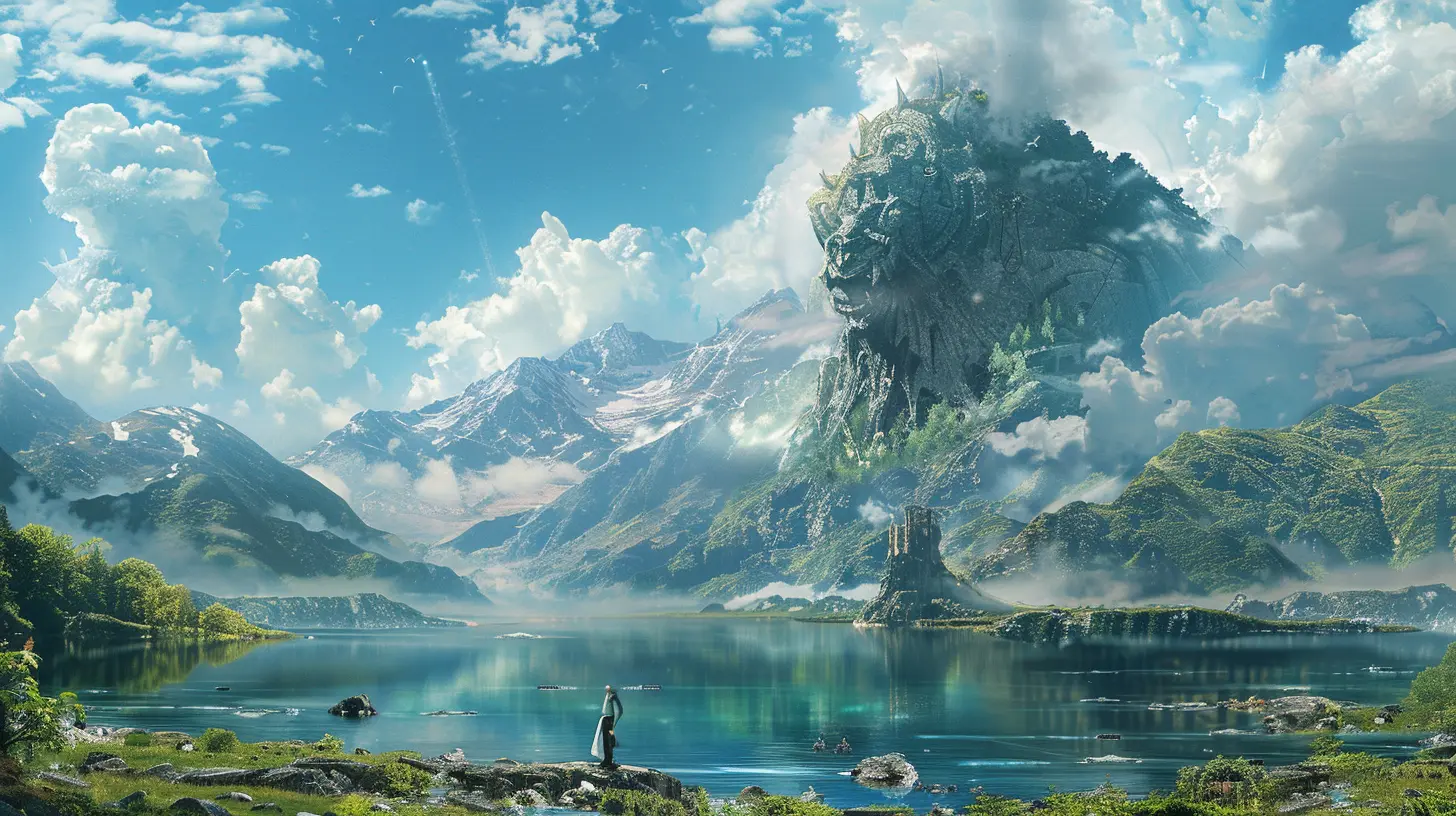
The Allure of the Expansive Open World
Let’s be honest—there’s something magical about huge game worlds. The first time you rode a horse through the wildlands in Red Dead Redemption 2 or took your first steps out of the Vault in Fallout 3, it felt limitless. It’s that sense of freedom, the idea that you can go anywhere, do anything, and live out your adventure however you want.That's the dream, right? Developers know it too. Bigger maps, more quests, and endless content—these are the selling points plastered all over trailers and marketing campaigns.
But here’s the question: At what point does “more” become “too much”?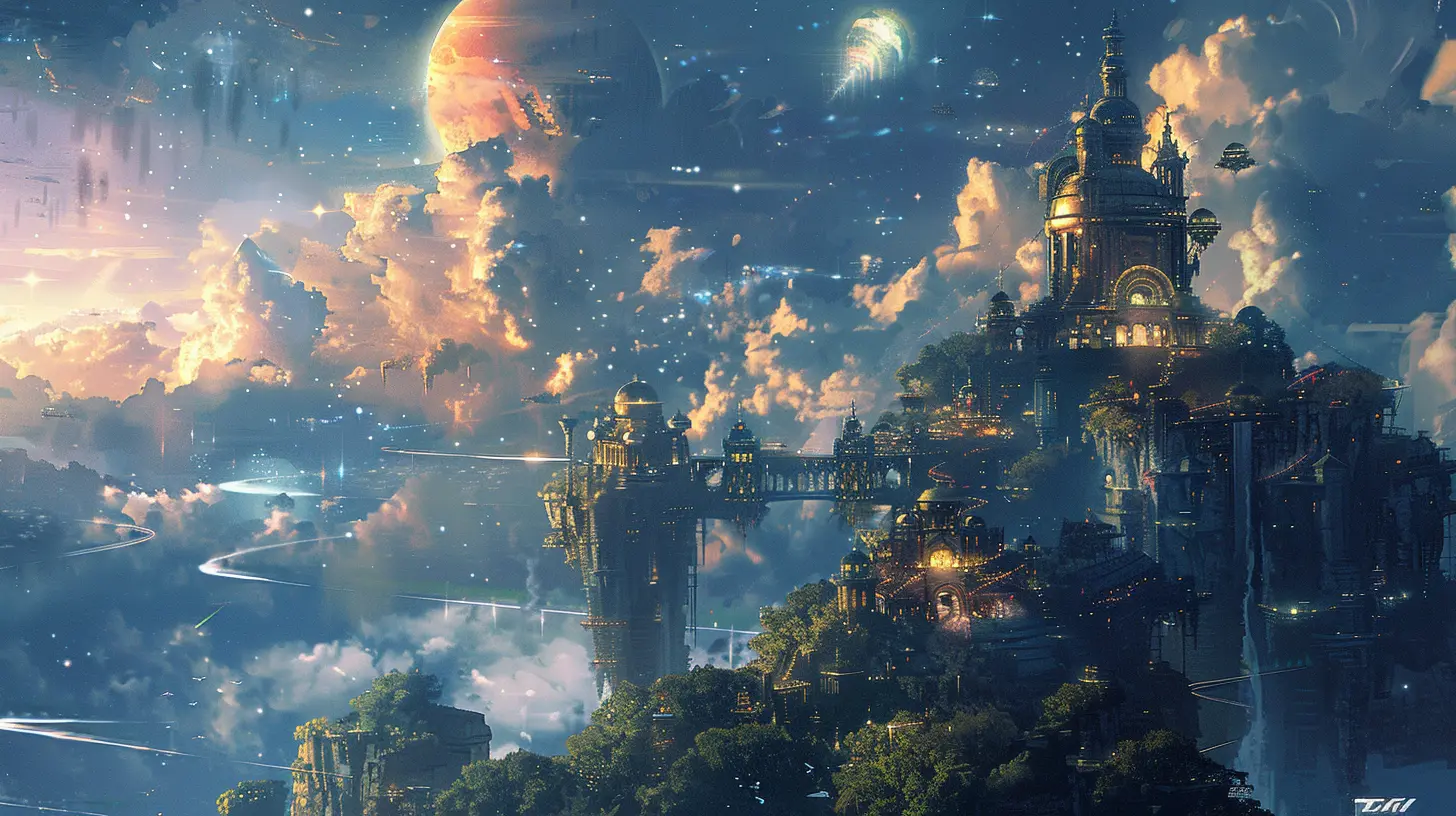
The Open-World Burnout is Real
Let’s talk turkey. There’s burnout happening in the gaming community, and it’s not just due to back-to-back releases. It’s the result of games being stuffed to the brim with content—so much so that playing them feels more like a second job than a hobby.We’ve all been there: staring at a bloated quest log filled with side missions, fetch quests, map markers, collectibles, and crafting materials spread across hundreds of miles of digital real estate. The sheer volume can be paralyzing. Rather than diving in, many of us just stop playing altogether.
Why? Because it’s exhausting. What should feel like an epic journey ends up feeling like a never-ending to-do list.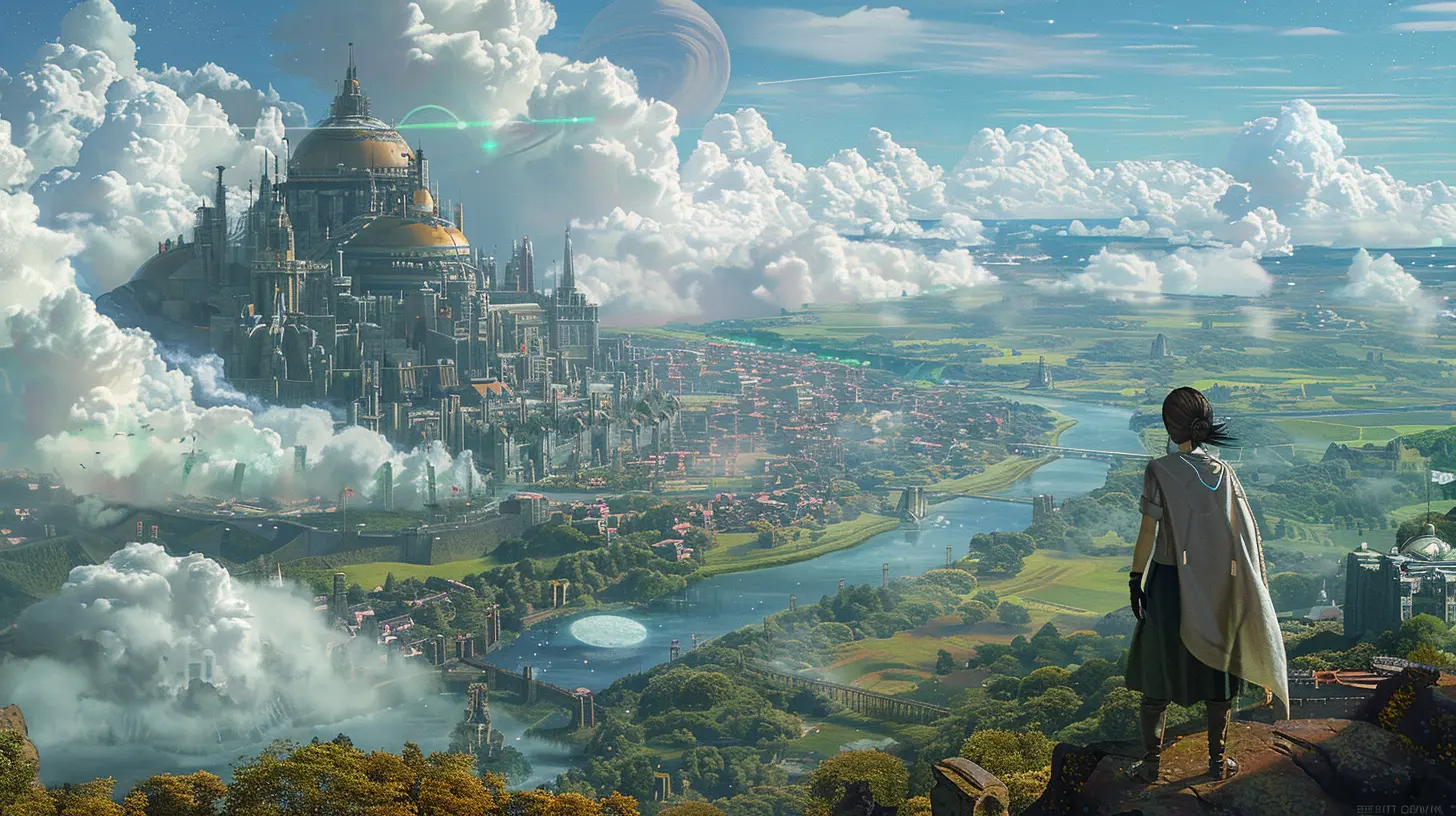
Quantity vs. Quality: The Eternal Debate
Bigger isn’t always better. It’s easy for developers to fall into the trap of thinking more land means more fun. But here's the thing—when half the map is filled with empty space or repetitive tasks, players start to check out.Think about those games where every region looks the same, the enemies just scale in difficulty, and the side quests are just variations of “go here, kill that.” After a while, it stops feeling like an adventure and starts feeling like déjà vu.
Compare that to smaller, more focused games. Titles like The Witcher 3 or Horizon Zero Dawn manage to balance size with substance. Every inch of the map feels meaningful. Every quest feels like part of a larger narrative. That’s the sweet spot.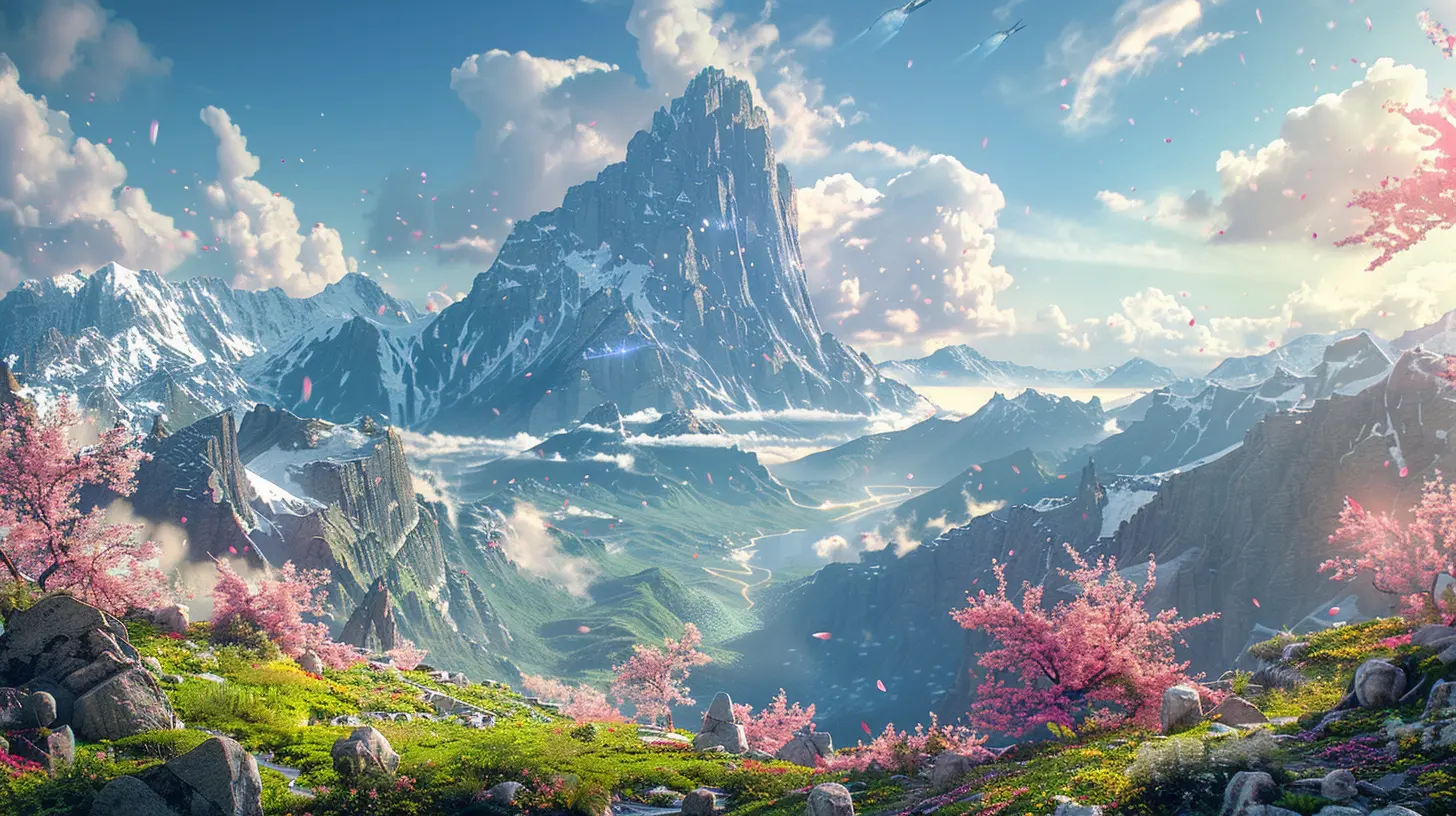
Player Fatigue and Decision Paralysis
Ever heard of the phrase “too much of a good thing”? That applies here. When players are bombarded with choices—where to go, what to do, which skill tree to level up—it becomes overwhelming. Choice paralysis kicks in, and the joy of exploration turns into anxiety.Imagine walking into an all-you-can-eat buffet with 200 dishes. Sounds great… until you realize you can’t pick what to eat because everything looks amazing (or maybe suspiciously similar). It's the same with massive game worlds—without direction, it can all blur together.
At some point, we start asking ourselves: “Do I really want to keep playing?” And the answer is often a reluctant no, not because the game is bad, but because it simply demands too much.
The Illusion of Freedom
Game developers love to say their worlds offer “complete freedom.” But is freedom really freedom if the world isn’t built to support it meaningfully?Let’s take Assassin’s Creed Valhalla as an example. It’s a gigantic game with endless locations, gear, and side stories. But for many players, it felt bloated. Despite the size, progression felt slow, the story dragged on, and the tasks felt repetitive. It’s like being handed the keys to a luxury car but only being allowed to drive in circles around a parking lot.
On the flip side, games like Legend of Zelda: Breath of the Wild do it right. Sure, the map is huge, but the freedom comes from how you interact with the world, not just its size. Every hill, cave, and ruin feels intentional and designed to encourage exploration.
When Exploration Becomes a Chore
Open-world games thrive on exploration, but when the world is too big or too monotonous, the thrill of discovery fades quickly. Climbing your 20th generic watchtower or finding your 50th identical treasure chest doesn't spark joy—it sparks a sigh.The best exploration is driven by curiosity, not obligation. If you're exploring just to tick boxes or grind materials, the magic quickly disappears. Exploration should feel like you're uncovering secrets, not checking off chores on a list.
Why Developers Keep Going Bigger
So, why do developers keep making these massive worlds?Well, part of it is expectation. Bigger games are often assumed to be better value for your money. If a game promises “over 100 hours of gameplay,” it gets more attention than one that offers a tight 20-hour experience. It’s also a selling point during marketing—bigger maps, more missions, more loot!
But here’s the catch: size doesn’t equal value. A huge game that’s boring is still boring, no matter how long it takes to complete. Many gamers are now craving quality over quantity, and some developers are starting to listen.
Time Is a Precious Resource
Let’s face it—we’re not 14 years old anymore with endless summer vacations. Time is precious. After work, school, and life obligations, most of us can only squeeze in a few hours of gaming a week. Spending that time aimlessly wandering a map hoping to stumble on something interesting isn’t appealing.Smaller, more curated experiences respect our time. They offer tight narratives, engaging gameplay, and memorable moments—all without demanding 200 hours of our lives.
The Rise of “Map Fatigue”
“Map fatigue” is the term some gamers use for this growing trend of zone overload. When you open a map in a new game and it's already littered with icons, question marks, and exclamation points, it’s more anxiety-inducing than exciting.In many cases, players spend as much time managing their maps and objectives as they do actually playing the game. That’s not fun—it’s micromanagement.
Is There Hope? Absolutely!
Not all is lost. We're seeing more developers listen to feedback. They're starting to realize that dense, meaningful content is more valued than endless filler. Games like Elden Ring offer large worlds but still manage to keep exploration exciting and unpredictable. There’s minimal hand-holding, yet every discovery feels rewarding.Similarly, indie games are making waves with tight experiences that respect your time. Titles like Hades, Death’s Door, or Tunic offer gorgeous, focused worlds without overstaying their welcome.
So, What Can We Do as Players?
We can't control how big a game world is, but we can change how we interact with it. Here are a few tips to keep the fun alive:- Play at your own pace. Don’t feel pressured to complete everything.
- Avoid burnout by taking breaks and playing different types of games.
- Ignore the mini-map and just wander—you'll be surprised what you find.
- Focus on the main story until you feel genuinely curious about side content.
- Use guides sparingly, so you don’t spoil the joy of discovery.
Remember, games should be fun, not another item on your task list.
Final Thoughts
Big game worlds are here to stay, and that’s not necessarily a bad thing. When done right, they offer some of the most immersive and unforgettable experiences in gaming. But developers need to strike a balance between size and substance. And as players, we need to listen to ourselves—if a game starts feeling like a chore, it’s okay to step away.Games are supposed to entertain us, inspire us, and pull us into new worlds— not bury us under mountains of repetitive content. So next time you find yourself in an open-world game and feeling overwhelmed, just remember: it’s okay to put the map down and just enjoy the ride.
all images in this post were generated using AI tools
Category:
Game WorldsAuthor:

Leandro Banks
Discussion
rate this article
2 comments
Amy Warren
Big game worlds can be impressive, but they often lead to empty experiences. When developers prioritize size over substance, players may feel lost or overwhelmed. Balance is key; meaningful content and engaging quests matter more than just vast landscapes. Quality should always come before quantity.
July 25, 2026 at 3:51 AM
Leandro Banks
I completely agree. A sprawling world loses its charm without engaging content. It's all about creating memorable experiences, not just filling space. Quality truly makes the difference.
Isla Carr
Great insights! Sometimes smaller worlds create richer experiences... Keep it up!
May 23, 2026 at 4:09 PM
Leandro Banks
Thank you! I completely agree that smaller worlds can offer depth and memorable moments. Appreciate your support!