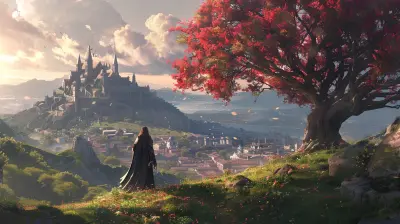
When Game Worlds Tell Stories Without Words
9 May 2026
Let’s be real—words are great. I mean, you're reading them right now. But sometimes, silence can say more than a thousand lines of dialogue. In the world of video games, where pixels and polygons paint landscapes and characters come alive, there's something magical about storytelling that doesn't rely on words. Yup, I'm talking about those moments when a game punches you right in the feels… without anyone saying a single thing.
Welcome to the world of wordless storytelling in games.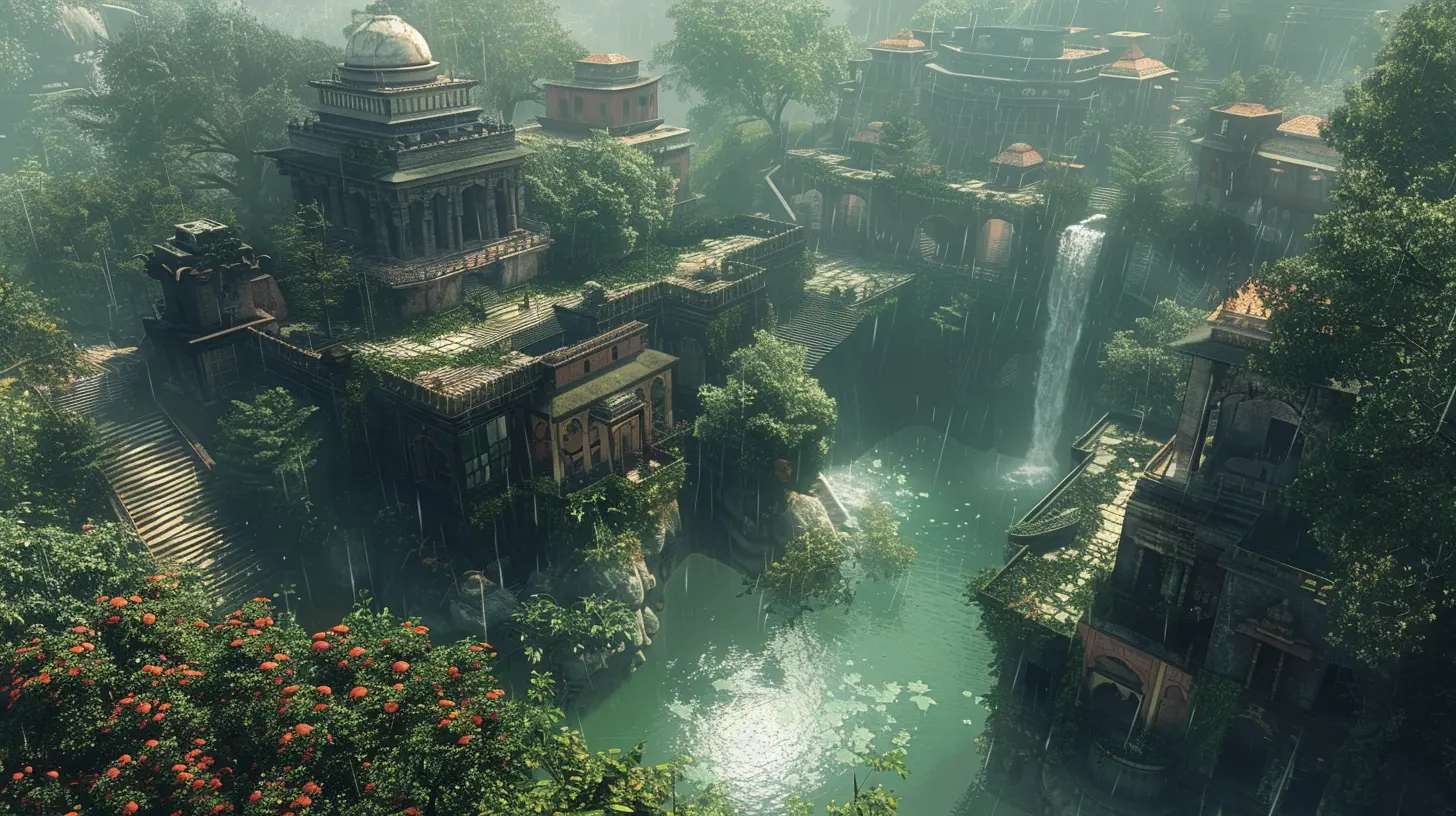
What Does It Mean to Tell a Story Without Words?
Okay, let's break it down. When we say a game tells a story "without words," we’re not just talking about games without subtitles or voice acting. We're diving into the deeper stuff—narratives told through visuals, music, movement, environment, and pure, unfiltered vibes.Think of it like a silent film with a joystick.
It’s the digital equivalent of a painting that somehow makes you cry or a silent character whose journey makes you feel like you've lived a hundred lifetimes. Powerful, right?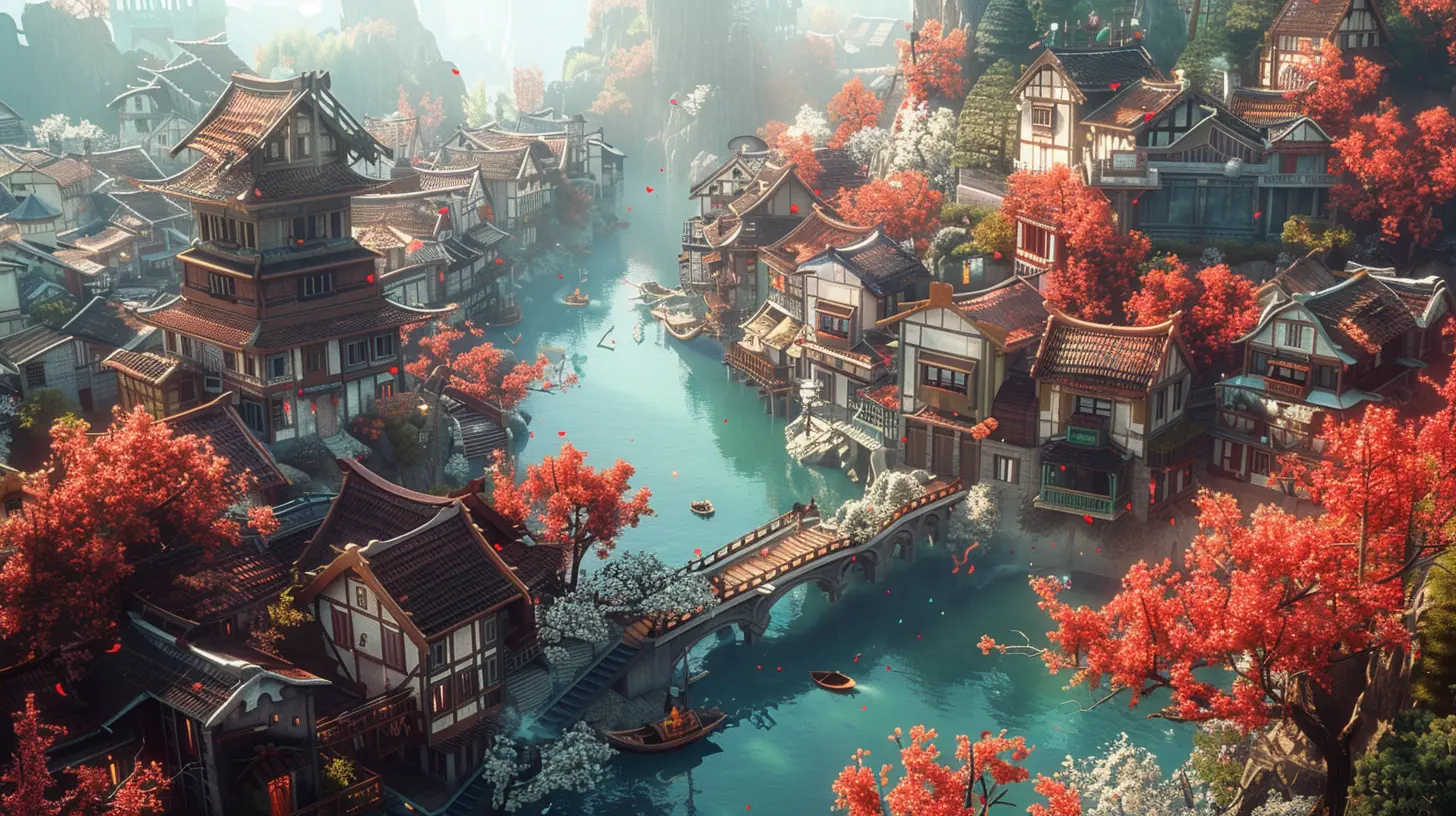
Why Do Game Developers Go Wordless?
Because sometimes, words just get in the way.Imagine trying to explain grief, isolation, or wonder using dialogue—it can get clunky fast. Developers often choose to ditch the chatter in favor of storytelling tools that transcend language barriers. It’s not about being mysterious for mystery’s sake (although, hey, a little mystery never hurt). It’s about crafting experiences that stick with you on a gut level.
Also, wordless games are more universally accessible. No localization headaches. No awkward translations. Just pure, emotional storytelling.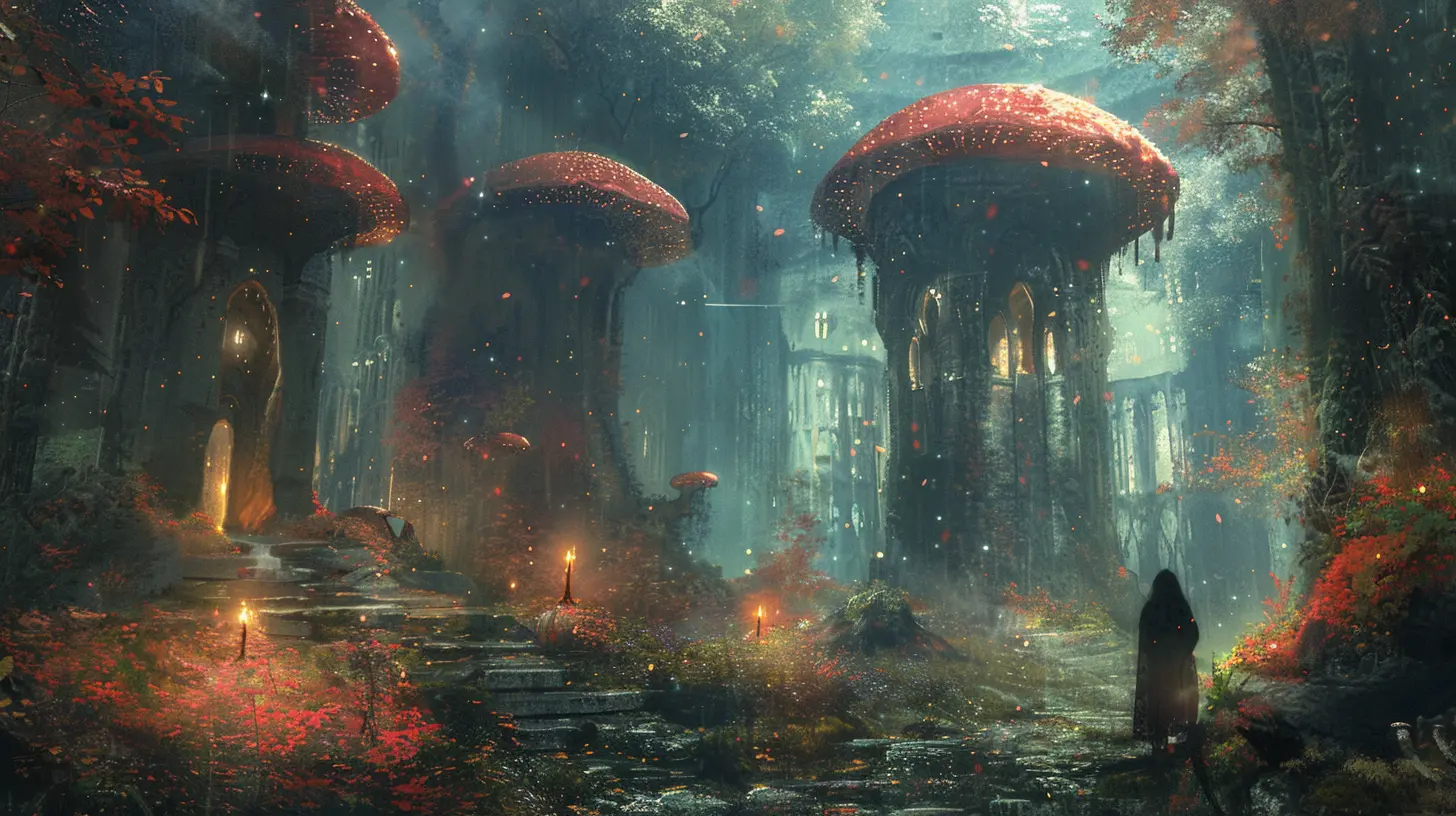
The Unsung Heroes of Nonverbal Storytelling
So who’s doing all the heavy lifting when words take a nap?? Environmental Design
A crumbling castle, overgrown vines, flickering torches—everything in a game's world can whisper stories if you’re paying attention. Where there’s rust, there was once life. Where there’s light, there’s hope. Where there’s trash… well, someone probably had a bad day.Games like Inside and Limbo master this. No instructions, no chatter—just eerie, deliciously unsettling visuals that plant questions in your brain and leave you squirming.
? Music and Sound
Ever noticed how a single note can make your spine shiver? Or how silence in a tense moment can be louder than any scream?Soundtracks in wordless games don’t just accompany the action—they tell the story. Take Journey, for example. That game’s score basically narrates your emotional arc from start to finish. It swells, it fades, it flutters—it speaks when pixels stay quiet.
?️ Player Interaction
Wordless storytelling isn't passive. It pulls you in and makes you part of the narrative. You’re not just watching a character suffer—you’re guiding them, feeling every stumble and triumph like it's your own.In Shadow of the Colossus, each giant you defeat leaves you more hollow. The game never tells you how to feel. It just lets your actions weigh on you, silently.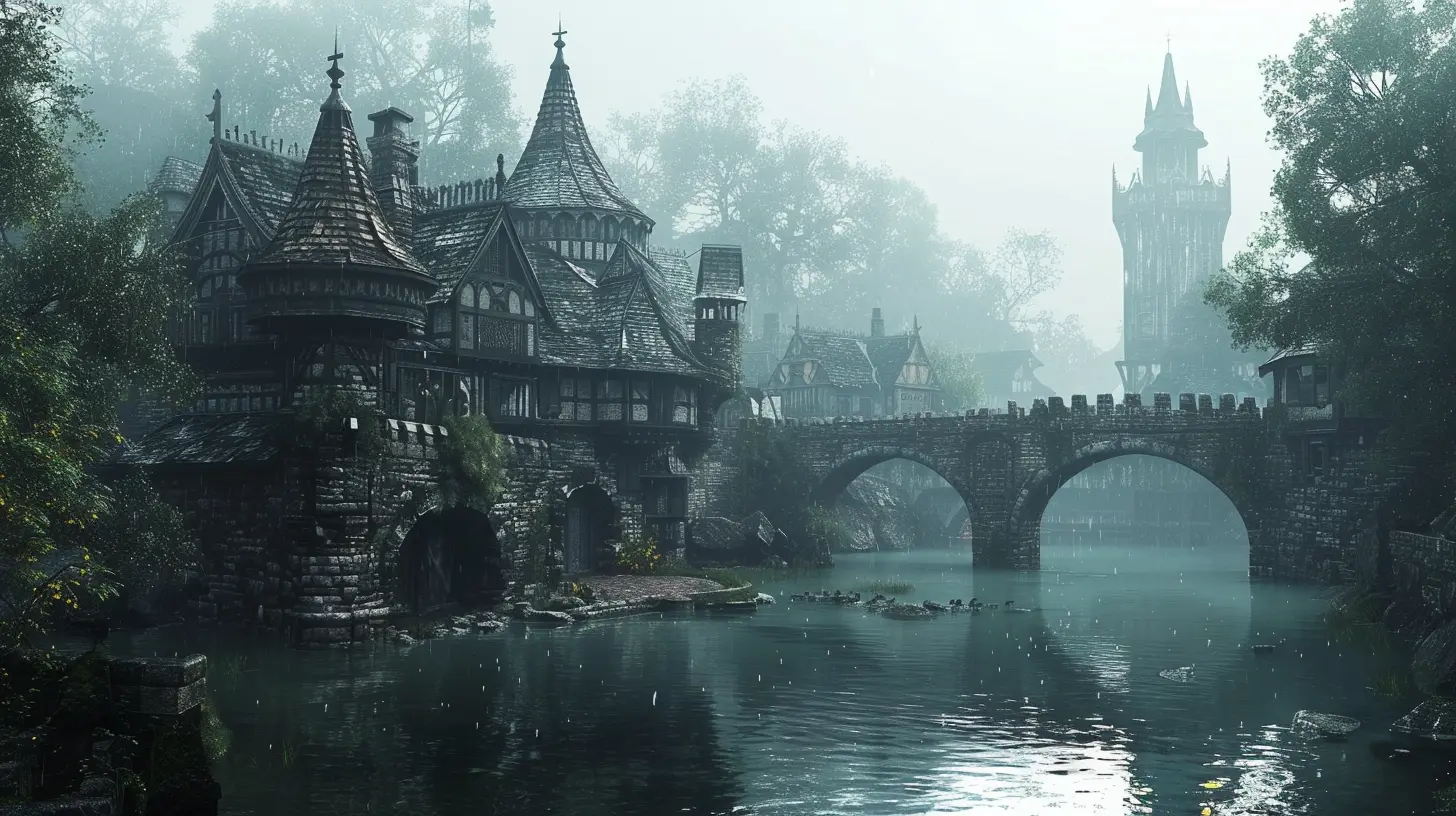
Iconic Games That Speak Without Speaking
Let’s fangirl (or fanboy) over some absolute legends in the silent storytelling biz.1. ? Journey
If you haven’t played Journey, stop reading and go do that. Okay, wait—finish reading, then go.You play a robed figure heading toward a glowing mountain. That’s it. No tutorials. No dialogue. Yet, by the end, you're an emotional wreck (in the best way possible). The sands, the ruins, the unexpected multiplayer moments—they all weave together to create a story you feel rather than understand.
2. ?️ Inside
Creepy. Confusing. Compelling.Inside throws you into a world that's gone very wrong and just says, “Good luck.” You run, hide, jump, and die—a lot. But each area reveals a little more of the world’s tragic story. No words, just dark storytelling done right.
3. ? Gris
Gris is a watercolor dream. This stunning platformer starts in monochrome and gradually introduces colors as your character processes grief. Each hue represents an emotional chapter—red for anger, blue for sorrow, green for growth.No voice acting. No exposition. Just pure emotion splashed across the screen.
4. ? Shadow of the Colossus
This game is a masterclass in minimalist storytelling. You play a silent hero slaying giants to save a girl. But each defeated colossus plants seeds of doubt. Are you doing the right thing? There are no cutscenes to explain, no dialogue to nudge you. Just actions. And consequences.5. ? Little Nightmares
Creepier than a clown at a funeral, Little Nightmares drops you into a world of grotesque horror with no explanation. Through puzzles and terror, you piece together a chilling story of survival and childhood trauma. Silent, sinister, and oh-so-satisfying.The Power of Leaving Things Unsaid
Let’s face it—sometimes, we don’t want our hands held. Wordless games respect that. They trust players to observe, infer, and emotionally invest.Imagine walking into a room and noticing everything’s dusty except a single path. Your brain instantly starts building the backstory. That’s your story now. Not because a narrator fed it to you—but because you lived it.
Ambiguity has power. It leaves room for interpretation. It lets your imagination fill in the silence with your own meaning.
Why These Games Stick With Us
Ever noticed how these wordless games linger in your brain long after the credits roll? That’s because they don’t just feed you a plot—they make you feel it.You weren’t told a story. You experienced it.
And in an age where we’re constantly bombarded with noise—notifications, news, chatter—there’s something deeply refreshing about a game that just... shuts up and lets you feel.
It’s like digital meditation with boss fights.
What We Can Learn From Wordless Worlds
Even if you’re not a game dev (hey, maybe you just love playing 'em—respect), there’s a lot to glean from this nifty little subgenre.- Show, don’t tell. This golden rule of writing is even more vital in games. Visual cues beat dialogue dumps every time.
- Emotion over exposition. If you can make someone cry without words, congrats—you’ve hit storytelling gold.
- Trust your audience. Gamers are smart cookies. We don’t need everything spelled out. Let us connect the dots—it’s more fun that way.
Will Wordless Games Take Over?
Probably not. And honestly, that’s okay. Dialogue-heavy games have their place too (looking at you, Mass Effect and The Witcher). But wordless storytelling is carving out its own corner of the gaming world, and we’re loving the space it’s making.It’s like a quiet revolution—one where less is more, silence is golden, and every frame is a page in a silent book you get to read by playing.
So, Next Time You Boot Up a Game…
Pay attention.Look at the faded posters on the wall. Listen to the subtle music shifts. Watch how your character slumps after a tough moment. Take a moment to appreciate the art of what is not said.
Because sometimes, the most powerful stories aren’t shouted—they’re felt.
all images in this post were generated using AI tools
Category:
Game WorldsAuthor:

Leandro Banks
Discussion
rate this article
2 comments
Penelope Kirkpatrick
Game worlds can evoke powerful emotions without a single word. Through visuals and atmosphere, they communicate deeper narratives that resonate with players, making the experience truly unforgettable.
July 20, 2026 at 4:38 AM
Leandro Banks
Absolutely, the silence in a game's visuals can speak volumes. It's fascinating how a well-crafted environment can draw players in and make them feel deeply connected to the story.
Jonah McIntire
Oh sure, who needs dialogue when you can just stare at a tree for twenty minutes and ponder its deep existential crisis? Nothing says "rich storytelling" like a silent sunset and the occasional rustle of leaves. What depth!
May 18, 2026 at 2:25 AM
Leandro Banks
I get your point. Sometimes silence and nature can speak volumes, even without dialogue. It's all about mood and the experience.