Why Some Game Worlds Are More Memorable Than Others
12 August 2026
Ever found yourself randomly thinking about a video game world months — or even years — after you’ve stopped playing it? Maybe it’s the haunting loneliness of Hollow Knight’s Hallownest. Or perhaps it’s the vibrant hustle and bustle of The Witcher 3’s Novigrad. Whatever the case, some game worlds just stick with us. They dig deep, plant a flag in our minds, and refuse to leave.
But why is that? Why do some game universes become unforgettable, while others fade into digital oblivion?
Let’s take a deep dive into that very question. Grab your favorite gaming snack, because we're going on a nostalgia-fueled ride.
What Makes a Game World "Memorable"?
Before we break it all down, let’s set the stage.When we say a game world is "memorable," we’re not just talking about good graphics or flashy mechanics. We're talking about the kind of world you feel like you lived in — where the moment you hear the soundtrack or see a screenshot, you're transported back instantly. It's like emotional time travel.
So what exactly gets a world to that level of nostalgic royalty?
1. Strong World-Building: It's Not Just About Lore
Let’s kick it off with the obvious: world-building. But here’s the thing — it’s not just about writing 1,000 pages of lore and calling it a day.Great world-building is about integration. It’s about how the story, gameplay, visuals, and even the sound design work together to create a cohesive experience. Think Dark Souls. You’re not spoon-fed the lore there — you feel it through every broken dungeon, shattered statue, and chilling enemy scream.
The game whispers its story through environmental clues, character design, and cryptic dialogue. It forces you to pay attention, to fill in the blanks yourself — and that’s exactly what makes it stick.
Memorable game worlds don’t just tell you a story — they let you uncover it.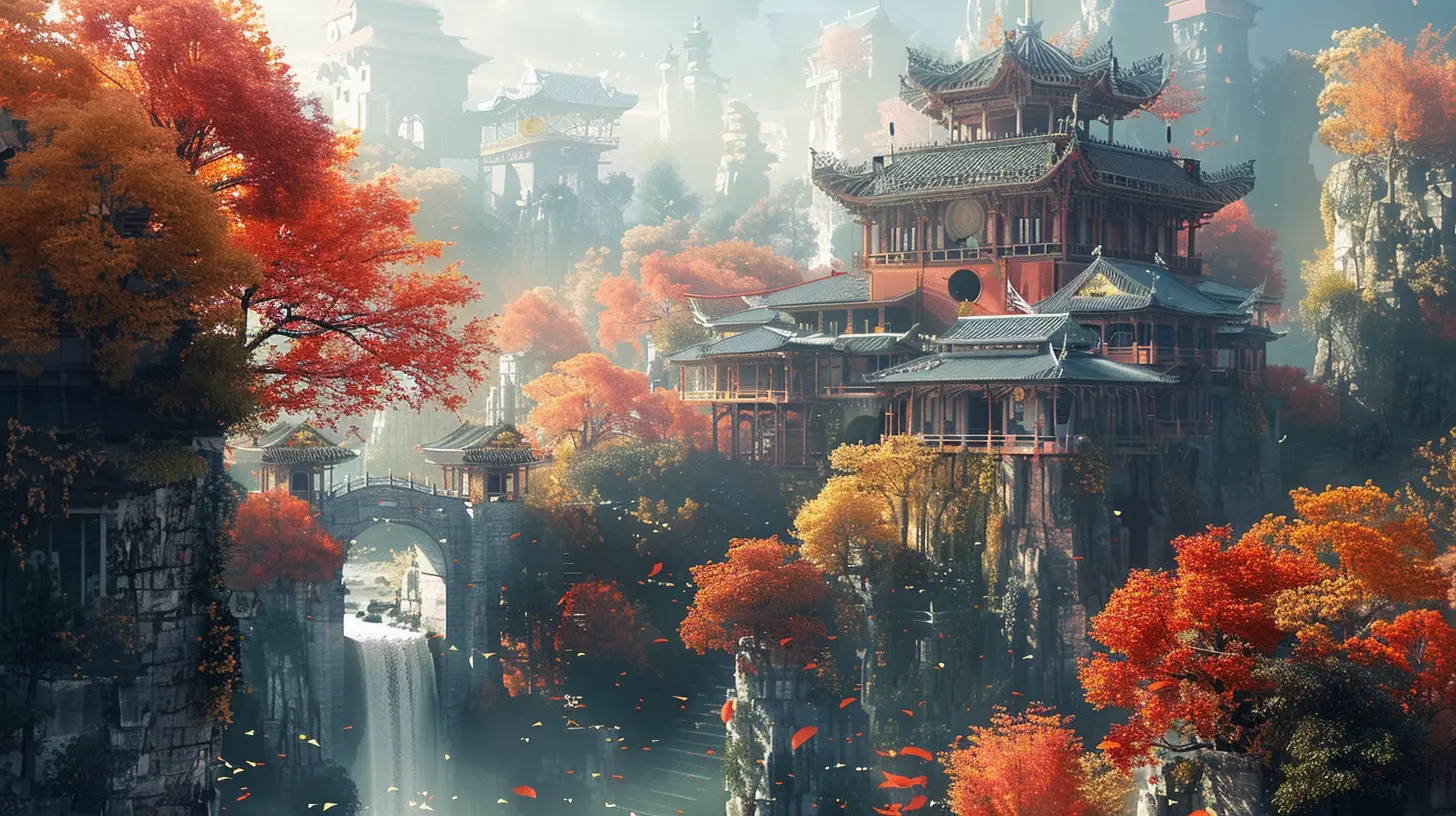
2. A Unique Aesthetic: Visual Identity Matters
Let’s be real — we’re visual creatures. We remember images more than we do texts or stats. So when a game nails its visual identity? That’s a recipe for long-term memory storage.Take BioShock's Rapture for example — an underwater city dripping in Art Deco style, dark shadows, and morally gray philosophy. It’s a place that doesn’t just look different, it feels different.
Or look at games like Okami or Ori and the Blind Forest — games that use art styles you’d never confuse with anything else. The memory lingers because your brain isn’t just remembering gameplay — it's remembering art.
Memorable worlds wear their personality in pixels.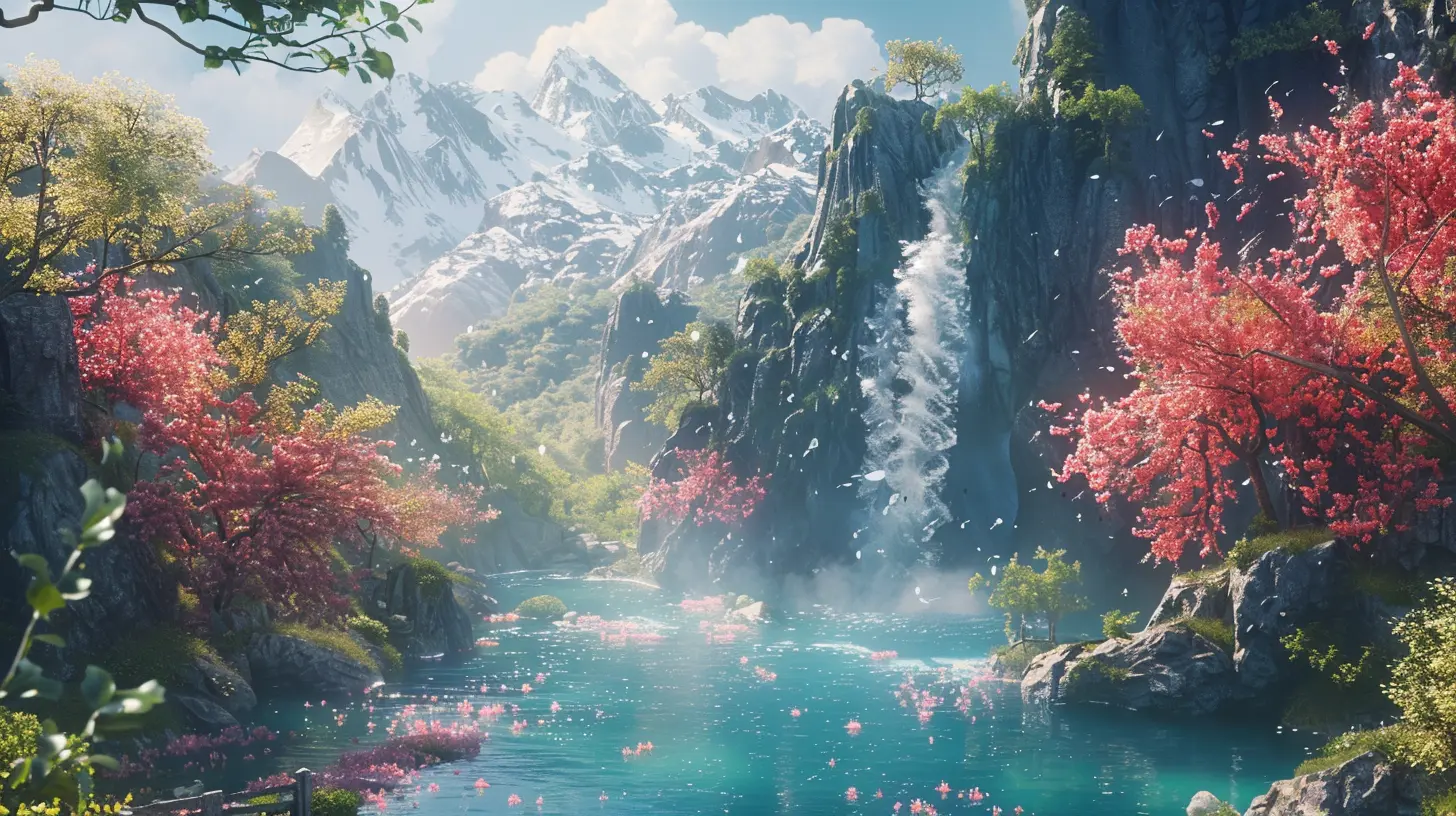
3. Music and Sound: Underrated and Overpowering
Ever walked past someone humming the Zelda theme and instantly thought of your first trek through Hyrule? That’s how insanely powerful sound can be.A great soundtrack doesn't just complement the visuals — it completes the world. Think about Skyrim’s "Dragonborn" theme. The moment that Viking chorus kicks in, your mind doesn’t just hear it — it feels like wielding a sword in the snowy mountains.
Ambient sounds also play a huge role. The creaking wood of a Silent Hill corridor or the chirping crickets in Red Dead Redemption 2’s prairie — these little audio cues are what make digital worlds feel alive.
Bottom line? A mute game is a forgettable game.
4. Emotional Connection: We Remember What Makes Us Feel
Here’s the secret sauce — emotion.You’re way more likely to remember a game world if you had an emotional response while playing in it. Maybe you laughed at quirky NPCs, got spooked in the shadows, or even cried (yes, cried) during a major story twist.
Take The Last of Us. The post-apocalyptic US setting isn’t unique on its own — but the emotional gravity tied to every location, every ruin, every moment with Joel and Ellie — that’s what brands it into your memory forever.
We remember places where we felt something real.
5. Player Agency: When You Feel Like You Belong
Memorable worlds let you leave your mark. They don’t just exist around you — they respond to you.Games like Fallout: New Vegas or Mass Effect succeed because your choices matter. The world bends, subtly or drastically, depending on your actions. And when a world reacts to you like that? It shifts from being just "a place you visited" to "a place you influenced." That’s a big deal.
Player agency turns pixels into purpose.
6. Environmental Storytelling: When Walls Speak
Want to captivate a player without a single word? Let the environment do the talking.Think of The Elder Scrolls V: Skyrim. You’re climbing a snowy cliff and stumble upon a skeleton next to a burned-out campfire, with a journal half-buried in snow. Boom — your mind starts spinning a story.
That’s environmental storytelling at its finest. It adds depth and mystery without breaking immersion. It makes you curious. It makes you care.
These subtle touches breathe life into a game world, making it feel like it exists beyond you — like it’s got a history of its own.
7. Consistency and Believability: The Rules Matter
Consistency might sound boring, but hear me out — it’s crucial.A world needs to follow its own rules. If gravity works one way in one area and another way in the next — with no explanation — you’re pulled out of the immersion instantly.
Look at Red Dead Redemption 2. Whether you’re in a swamp, a snowy peak, or a dusty desert, the world feels real. Plants grow where they should. Animals behave as expected. Even the accents and slang of NPCs change depending on the region.
When a game world is believable, it’s easier for your brain to accept it — and remember it.
8. Characters that Live in the World
A world without interesting characters is like a theme park with no visitors — sure, it looks cool, but it feels hollow.Memorable NPCs give the world heart. They make it feel lived-in.
Games like The Witcher 3 shine here. Every village has its own drama. Shopkeepers have backstories. Even side characters have emotional arcs.
You may not remember every side quest you did, but you’ll definitely remember bloody Bloody Baron and his haunted tale.
When characters are genuinely part of the world — not just vending machines for quests — it’s impossible to forget the setting they belong to.
9. Exploration and Discovery: Rewarded Curiosity
Games that reward curiosity stick with us. Simple as that.Zelda: Breath of the Wild practically begs you to ask "What’s that over the hill?" And nine times out of ten, there’s something worth finding.
Exploration creates ownership. It’s not just about covering map tiles — it's about the joy of discovering something you found, not something the game forced upon you.
The more a world rewards your curiosity, the more likely you are to remember it as your adventure.
10. A Sense of Wonder: The Magic Ingredient
And then there’s the X-factor: wonder.It’s hard to define, but you know it when you feel it. That breathless moment when you first see Columbia floating in the clouds. Or when you walk through the gates of Midgar. Or when you emerge from a vault in Fallout and see the ruined world sprawling before you.
That feeling? That’s wonder. And that’s what makes some game worlds unforgettable.
So... Why Are Some Game Worlds More Memorable Than Others?
Because they’re not just digital spaces. They’re experiences. They’re feelings. They’re stories that unfold in ways you control, colors that stick in your mind, sounds that trigger nostalgia, and emotions that stay with you long after the credits roll.A truly memorable game world isn’t just built. It's crafted — with love, with detail, with intention.
It’s a playground. It’s a storybook. It’s a canvas.
And most importantly?
It feels like home.
Final Thoughts
The next time you find yourself reminiscing about cruising through Vice City, surviving the wastelands of Fallout, or taking a peaceful stroll through Animal Crossing, remember — it’s not just about what the game looked like or how it played.It’s about how it made you feel. And that? That’s what truly sets the best game worlds apart.
They’re not just places. They’re memories.
all images in this post were generated using AI tools
Category:
Game WorldsAuthor:

Leandro Banks