Creating Emotion Through Game World Design
7 August 2026
Let’s get one thing straight: video games aren’t just flashy graphics and leaderboard bragging rights. They’re emotional rollercoasters—if they’re done right. And what makes those feelings stick to your ribs long after the credits roll? World design. That’s right, the physical (and sometimes totally bonkers) space your character moves through is doing more emotional heavy lifting than you might think.
So buckle up, because we’re diving head-first into the deliciously complex soup that is game world design and how it yanks on your heartstrings like a love letter from an ex. Whether it’s joy, fear, nostalgia, peace, or straight-up heartbreak—you’d be surprised at how much of it comes from the world itself, not just the story.
The Silent MVP: World Design as an Emotional Powerhouse
Let’s be real. When people think about emotional moments in games, they’re quick to shout out story-driven cutscenes, powerful voice acting, or that one character death that left you staring blankly at your screen for a full ten minutes. (Yes, we’re still not over THAT scene from Red Dead Redemption 2, thanks for asking.)But here’s a spicy truth—game world design is often what makes those moments land. The environment is the unsung hero that reinforces every emotional beat, frames every dramatic plot twist, and whispers mood-setting clues into your subconscious.
Think of it like film set design. You wouldn’t have a romantic dinner scene in a fluorescent-lit office cubicle. Same deal here.
Why Games That Make You FEEL Are Always the Most Memorable
Remember walking through the City of Tears in Hollow Knight? Or the eerie, otherworldly ruins in Shadow of the Colossus? Those aren’t just fancy backdrops. They're mood machines. The lighting, the silence, the scale—it all adds up to something way bigger than the pixels on your screen.Here’s a hot tip: if you're still thinking about a game years after playing it, chances are the world itself left a mark on your soul.
Breaking Down the Tools: How Game Worlds Convey Emotion
Let’s get into the juicy bits: how designers actually pull this off. Because it’s not random. World design is a carefully crafted cocktail of choices that mess with your brain in all the best ways.1. Color Palettes That Speak Louder Than Words
Colors are emotional dynamite. Want to make a player feel safe and cozy? Soft pastels and warm lighting will do the trick. Need to crank up the anxiety? Slap on some harsh reds and deep shadows and watch the panic set in.Think about the oppressive reds of DOOM Eternal versus the fluorescent paradise vibes of Animal Crossing. Yeah—two very different emotional vibes, both achieved through masterful use of color.
2. Sound Design That Makes the Environment Talk
Okay, it’s not technically visual, but sound is the secret sauce of world design. The hum of distant machinery, the whisper of wind through abandoned buildings, the sudden silence when you enter a sacred space—soundscapes can do more to build emotional tension than a thousand lines of dialogue.Nothing says “you’re about to get wrecked” like creepy ambient noises in a dark dungeon.
3. Spatial Design: Big Spaces, Big Feels
Size matters. (Don't giggle. We're being serious.)A vast open world? It can make you feel free—or alone. A tight, claustrophobic hallway? You're suddenly hyper-aware, cautious, and maybe a little sweaty.
Game designers use space like a painter uses canvas. Expanses can create awe. Narrow corridors can build suspense. Verticality? That screams danger, power, or even divine presence.
Games like Dark Souls and God of War use vertical spaces to instill that “holy crap I’m tiny” feeling, making every climb, fall, or towering enemy a major emotional event.
4. Environmental Storytelling (a.k.a. Show, Don’t Tell)
You ever walk into an abandoned house in a game and know exactly what happened there, without a single word spoken? That’s environmental storytelling.By placing objects, setting lighting cues, or using decay and destruction, worlds tell their own stories. These implicit narratives hit way harder because they let the player piece things together themselves. You're not being told what to feel—you’re discovering it. That’s goosebump stuff.
Look at The Last of Us. Countless emotional gut-punches come from simply exploring the world and seeing what’s been left behind.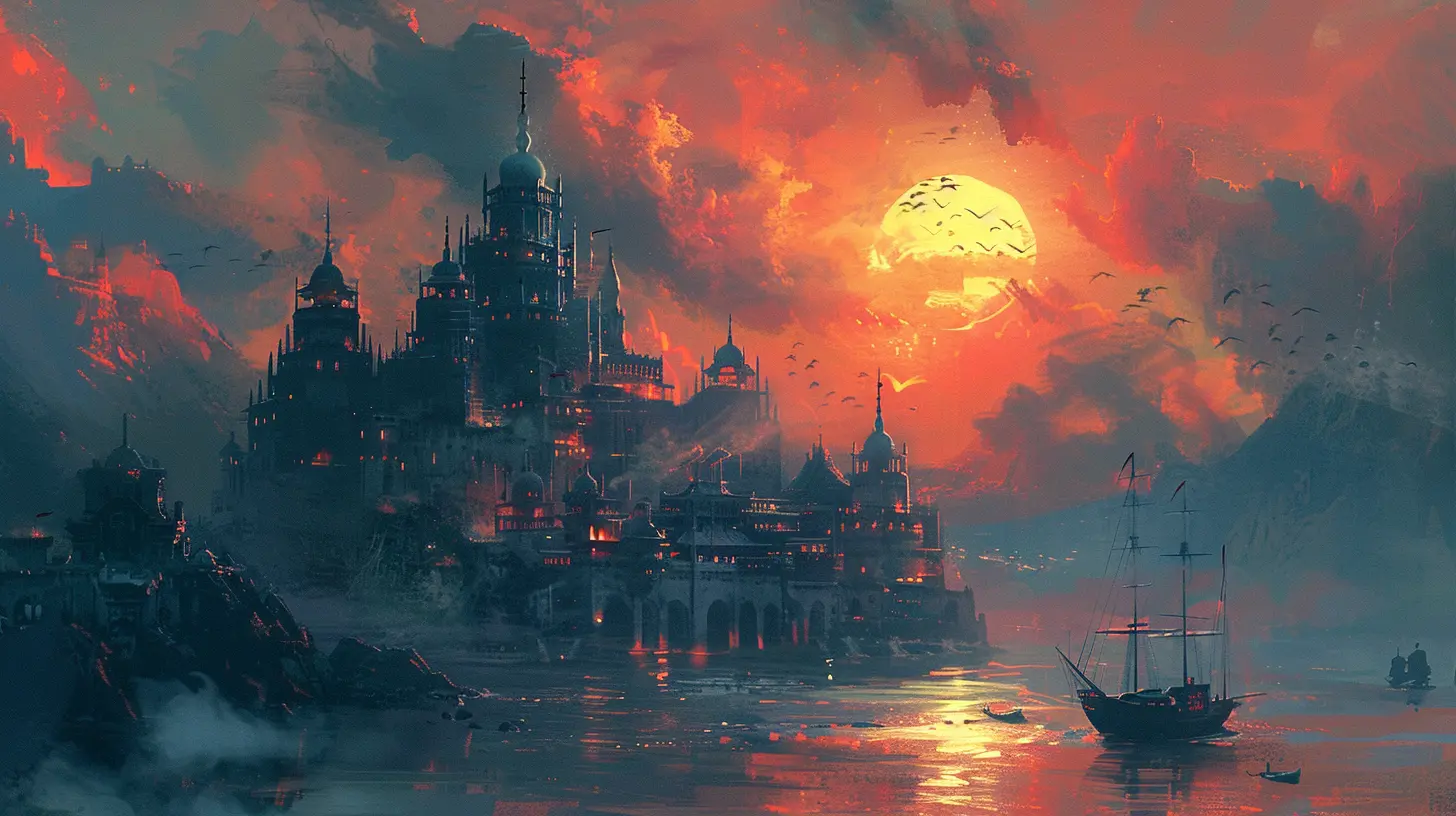
Creating Genre-Specific Emotional Landscapes
Not all games are trying to yank tears out of your face—but they still rely on emotional cues to keep you immersed.Horror: Fear in Every Corner
Want to make someone uncomfortable? Limit their line of sight. Use sound delays. Make corridors just a little too long. Horror games like Silent Hill and Amnesia are straight-up masters at this. Their environments are designed to feel unpredictable, unstable, and downright hostile.The kicker? Players love to be scared because these environments are emotionally immersive. You're not just watching a character be afraid—you are afraid.
Adventure/RPG: Wonder and Discovery
Games like Zelda: Breath of the Wild or Elden Ring are all about curiosity. Their environments reward exploration and, in turn, make players feel wonder, joy, and sometimes terror.Here, world design isn’t just about looking pretty—it’s about purposeful placement. Hidden ruins, ominous towers, and that one suspicious cave? These are breadcrumbs that make the player feel clever, engaged, and emotionally tied to the world they’re in.
Slice-of-Life & Simulation: Comfort and Connection
Ever entered your Stardew Valley farm after a long day in real life and just… exhaled? That’s emotional world design at its softest and most delightful. Everything from the background music to the glowing pixelated sunsets is tailored to make you feel calm and attached.Here, small details matter. Cozy lighting, calming audio loops, even the proximity of NPC houses—all contribute to a sense of community and comfort.
Player Agency: Feeling Through Doing
One of the most powerful aspects of game world design is that it's not passive. You don't just watch a scene—you move through it. You interact with it. And that interaction creates a deeper, more lasting emotional bond.Consequence-Based World Changes
Remember in Undertale when your choices altered how the world reacted to you? That’s emotional design wrapped in consequence. Whether it's a village remembering your kindness or an entire landscape being corrupted due to your actions, the emotion comes from realizing—you did this.That’s next-level storytelling, baby.
Dynamic Weather and Day/Night Cycles
Okay, don’t underestimate the power of a rainy day in a game. Weather systems crank up the mood big time. Rain can turn an average stroll into a moody introspection trip. And don’t get me started on sunsets—those glowing oranges and pinks can stir up some serious existential vibes.Games like Red Dead Redemption 2 and Ghost of Tsushima use these systems like emotional punctuation marks. A storm following a tragic cutscene? That’s not a coincidence.
The Role of Nostalgia and Familiarity
Want to tap straight into someone’s feels? Use architecture, props, or geography that feels familiar. A treehouse, a crumbling playground, a warm tavern with creaky floorboards—these evoke real-world emotions and memories.By placing emotionally charged symbols in your world design, you're hacking the player's brain in the best way possible. It’s like giving them déjà vu without ever having been there.
Indie Games: Proof You Don’t Need AAA Budgets to Create Mood
Let’s give a standing ovation to indie games, shall we? Because some of the most emotionally resonant game worlds come from smaller studios who know how to punch above their weight.Games like Inside, Limbo, Journey, and Celeste use minimalist design but still rip your soul in two (in the best, artsiest way possible).
They prove that it’s not about hyper-realistic textures or next-gen lighting. It’s about intentionality. Every square inch of the world is there for a reason, and that’s what makes them unforgettable.
Final Thoughts: World Design Is More Than Just Aesthetic—It’s Emotional Architecture
Creating emotion through game world design isn’t just a nice-to-have—it’s the secret sauce that separates "meh" games from the ones you dream about. Thoughtful world-building lets players not just see a story, but feel it, live it, and carry it with them long after their console powers down.So next time you find yourself tearing up during a game, take a second to look around. The world itself might just be the one holding your hand—and twisting the knife.
Now go out there and build the kind of virtual world that makes people feel things. Just don’t forget to sprinkle in some emotional landmines. You know, for flavor.
all images in this post were generated using AI tools
Category:
Game WorldsAuthor:

Leandro Banks