How MMO Worlds Stay Alive Over Time
23 June 2026
Massively Multiplayer Online (MMO) games — what a mouthful, huh? But if you’ve ever dipped your toes into the sprawling jungles of Azeroth, the majestic cities of Eorzea, or the galaxy-spanning chaos of New Eden, you know how deeply these worlds can pull you in. It’s not just about quests and grinding loot; it’s about becoming part of something bigger, something alive. But have you ever stopped to wonder: _how the heck do these digital worlds stay alive for so long?_
Let’s dive deep. Not just into the code and servers, but into the soul of MMOs. Because trust me, keeping an MMO breathing is part science, part art, and a whole lot of community magic.
The Ever-Beating Heart: Player Communities
No matter how gorgeously pixelated or narratively rich a world is, it’s nothing without its people. Players are the lifeblood. They’re the ones forging alliances, toppling dragons, crafting gear from digital stardust, and yes — arguing in trade chat.But it’s more than just logging in. It’s about connecting. Guilds become families. Raids become rituals. PvP zones turn into stories worth retelling over late-night Discord calls. These connections are sticky — they keep people coming back day after day, expansion after expansion.
Social Glue That Never Dries
Think about it. If you’re spending dozens or _hundreds_ of hours in a world, wouldn’t you want to share that journey? MMO developers encourage this by adding systems built around teamwork — from guild systems to player housing, shared achievements, and emotes. These tools turn strangers into comrades.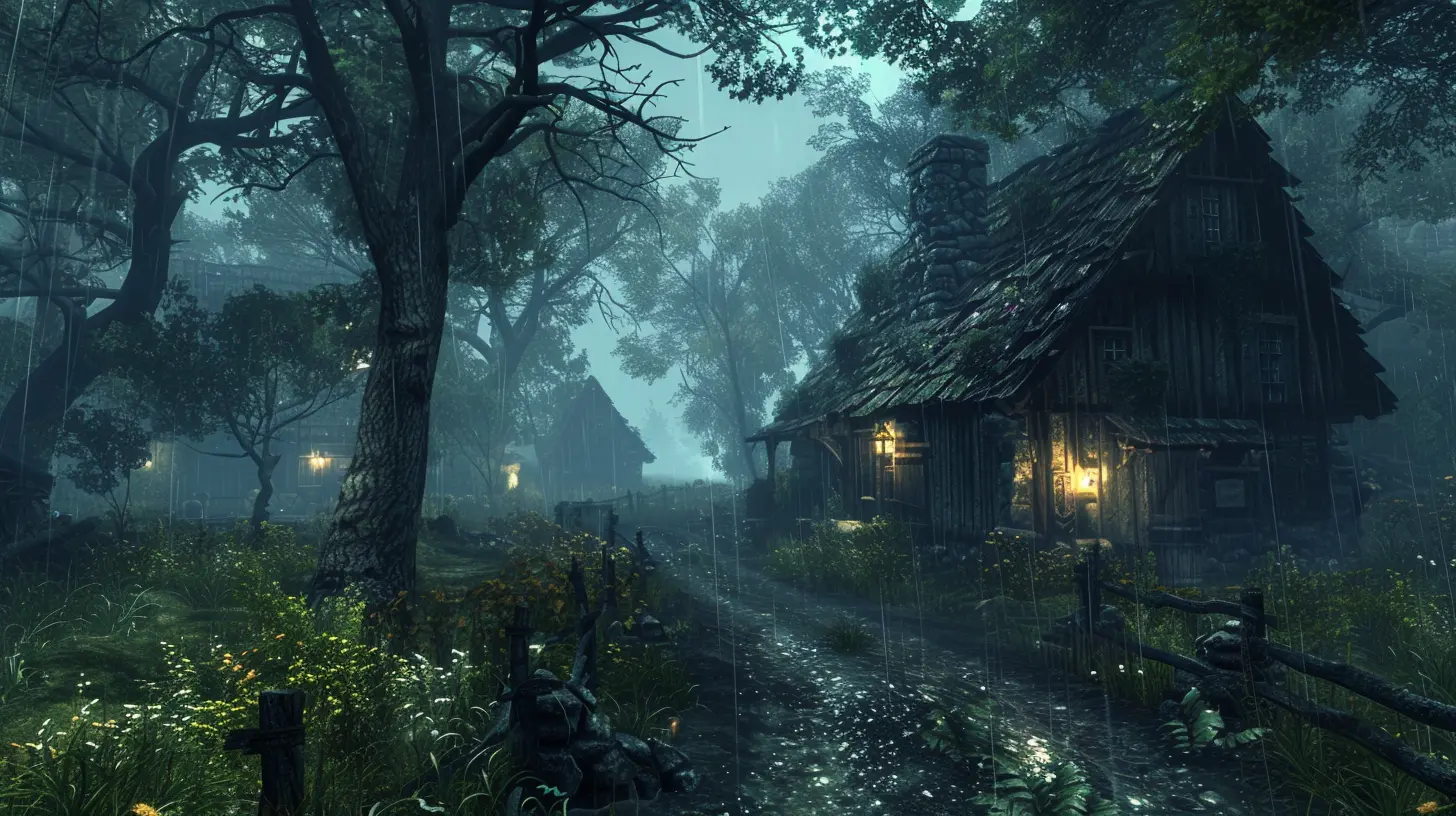
Content That Breathes — Not Just Exists
Let’s get real — nothing kills an MMO faster than stagnation. Players are explorers, adventurers, and most importantly, easily bored. MMO devs know this. That’s why the content engine never stops.Regular Updates & Expansions: The Lifelines
MMOs that survive — and thrive — pump out content like a well-oiled machine. We’re talking new zones, dungeons, raids, gear sets, seasonal events, and sometimes, full-blown class reworks. These updates do more than keep things “new around here.” They reignite the spark for lapsed players and give veterans fresh stuff to sink their teeth into.Let’s take “World of Warcraft” for example. It’s over two decades old now, but still going strong. Why? Because Blizzard keeps evolving it. Whether it’s time-traveling expansions or complete world overhauls, the game refuses to age quietly.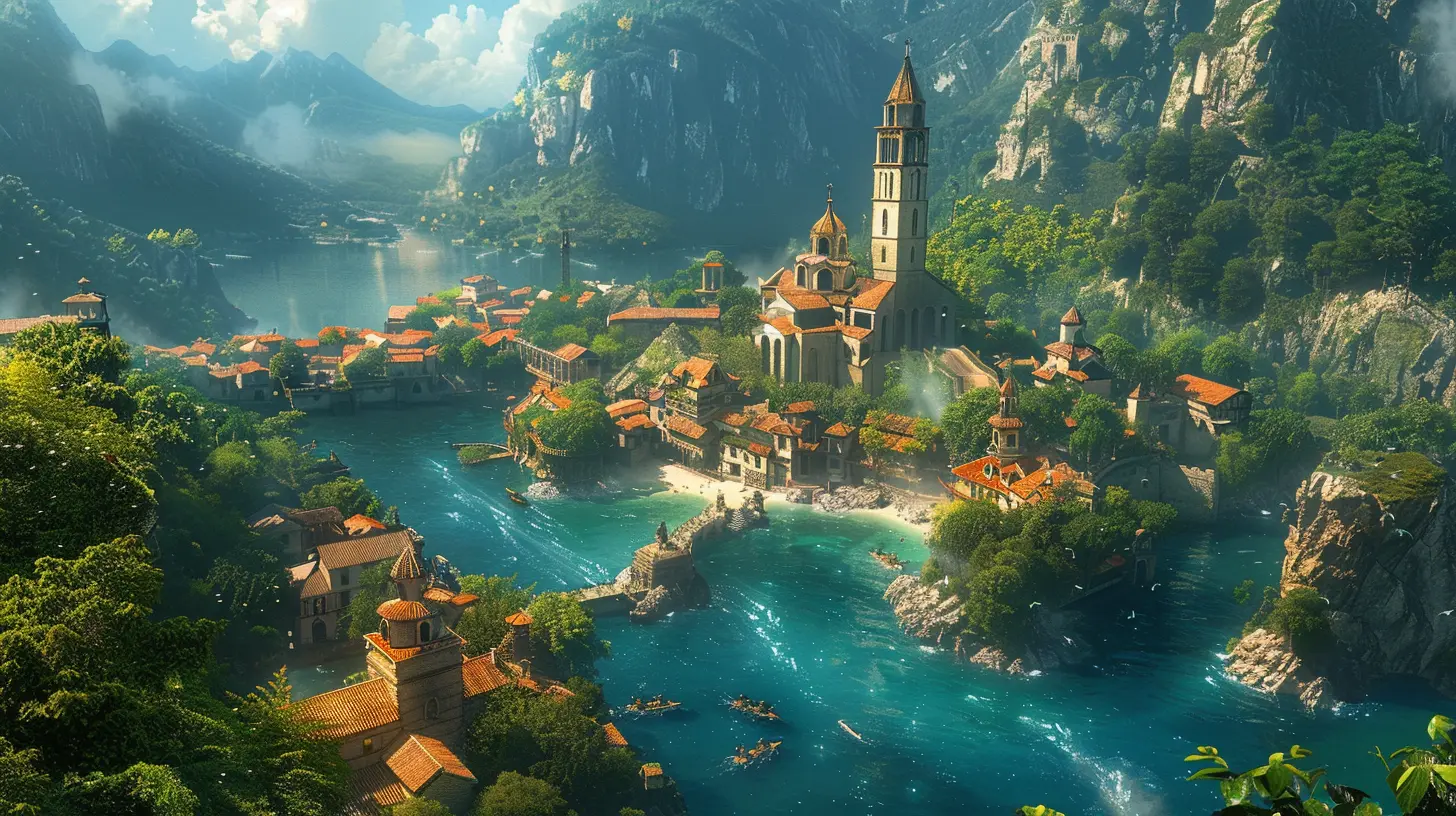
The Lore: A Digital Mythology That Grows
Every MMO has a story — some epic, some bizarre, some surprisingly profound. But the ones that stick around? They don’t just _tell_ stories. They _evolve_ them.Living Lore = A Living World
The best MMOs don’t treat their lore like museum pieces. Instead, they let the story unfold _with_ the player base. Major wars happen because of faction decisions. Legendary characters live, die, and return (sometimes as villains). New races, cultures, and histories get added, turning the world into a tapestry that keeps getting richer.If you’ve ever walked through a capital city and noticed a statue that wasn’t there last year, or a monument dedicated to a community event — you’ve witnessed living lore in action. That’s potent stuff.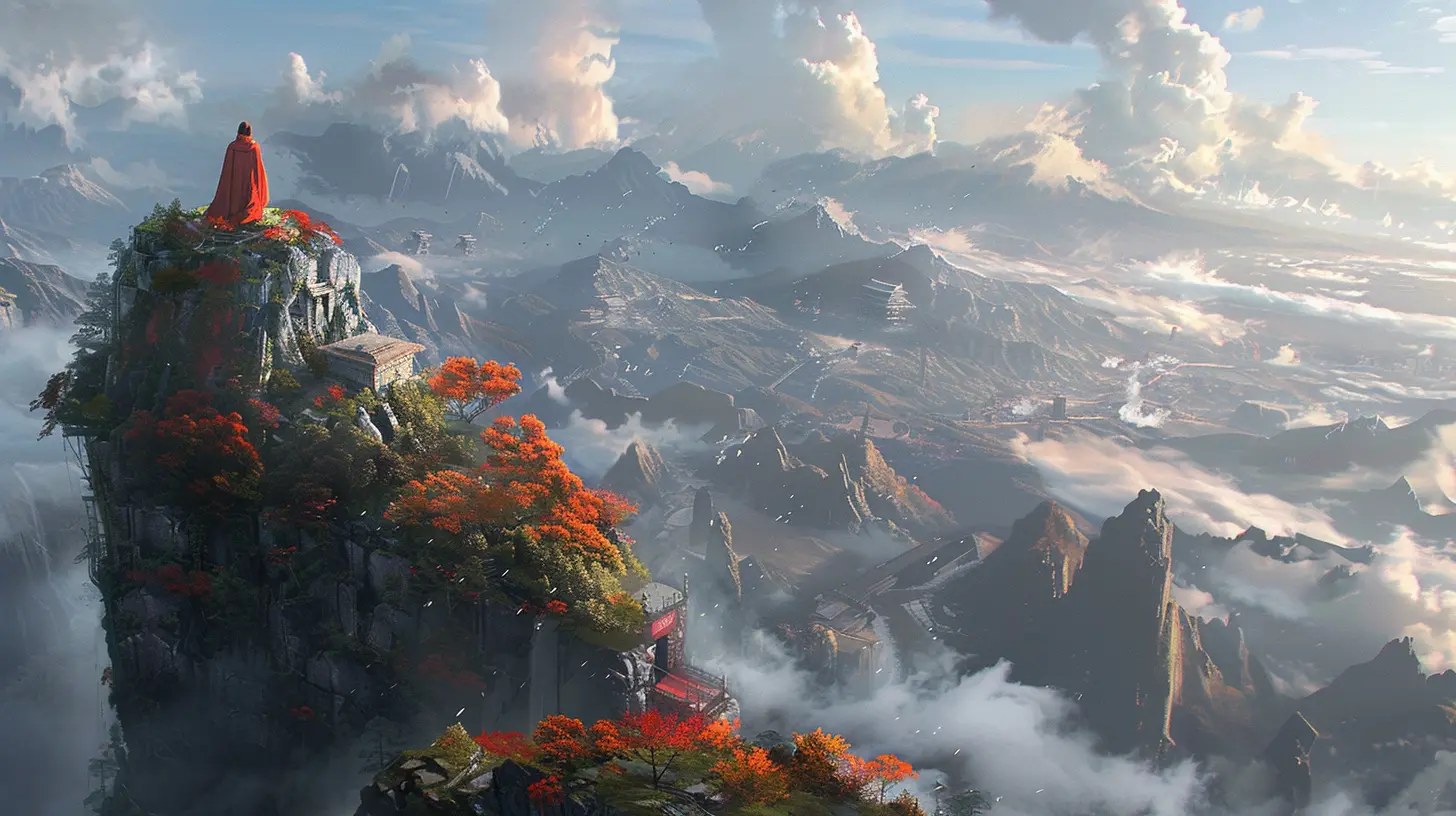
Events That Feel Like Holidays
MMOs love their events, and guess what? So do players.Halloween? Expect haunted houses, pumpkin mounts, and spooky gear. Valentine’s Day? There’ll be heart-shaped fireworks and awkward love-themed dailies. These events create rituals — not just in the game's calendar, but in our own.
They give us reasons to log in, gather friends, and celebrate something, even if it’s just a goofy snowball fight in a fantasy tundra.
Seasonal Events: The Beat of Time
These aren’t just filler content. They’re moments that align real-world time with the game’s internal heartbeat. When fans say, “It’s Brewfest time!” you know those digital taverns are about to get rowdy.Player-Driven Economies and Ecosystems
MMOs aren’t just about slaying monsters — they’re miniature sims. And behind the scenes? Whole economies are ticking away.In games like “EVE Online” or “Final Fantasy XIV,” players mine materials, craft goods, sell to others, and drive inflation or deflation. It’s a digital stock market with swords.
Supply, Demand, and Digital Dough
The craziest part? Players _govern_ these systems. Developers might set the parameters, but the value of a rare herb, a legendary weapon, or even a house is determined by human behavior. That unpredictability keeps the world _real_.And when a group of players corner the market or start a digital war over territory? That’s newsworthy — and it reminds everyone else that this world really is alive.
Developer Passion (And Responsiveness)
You can’t fake passion. And MMO developers? The good ones? They’re the unsung MVPs of online culture.From patch notes that read like love letters to livestreams full of teasers and laughter, devs constantly engage with the community. They answer questions, host Q&As, and sometimes even jump into the game themselves.
Listening Is Key
The real magic happens when devs _listen_. Got a bugged quest? They fix it. Got an overpowered class? They balance it. Screaming in the forums about a change? They tweak it (sometimes).That two-way street of communication makes players feel heard, respected, and — most importantly — involved.
Roleplaying: The Unsung Lifeblood
Want to know something wild? A surprising chunk of MMO players never even hit max level. They’re too busy living day-to-day lives as tavern owners, traveling bards, or wandering mercenaries. All made-up, all glorious.RP Servers: Digital Theaters
Roleplaying (RP) is one of the most organic ways MMO worlds stay alive. These aren’t scripted stories — they’re improvised sagas created by players. Whole guilds are formed around royal courts, pirate factions, or magical acadamies.And while it may seem niche, RP communities often bring incredible depth. They give cities life, create player-run newspapers, and even host festivals. It’s pure creativity — and it’s contagious.
Competition Keeps the Flame Burning
What happens when you throw thousands of players into a world with rankings, leaderboards, and epic loot? You get _drama_ — and engagement.PvP & Endgame Progression
From Arena championships to world-first raid races, the desire to prove you’re the best is a mighty motivator. Teams practice for months, strategies leak, and spectators watch as if it’s the Super Bowl.These high-stakes competitions keep MMOs in headlines, boost streaming views, and rally communities around their champions. It’s esports and fantasy smashed together — and it keeps that world humming.
Mods and Add-ons: Power to the People
Some MMOs allow players to build tools that enhance the experience — UI tweaks, gameplay enhancements, or just goofy cosmetic changes. That sort of player customization? It nurtures long-term love.Let the Community Create
By giving players tools to modify, create, or improve the game, developers invite them to become part of its evolution. From damage meters and raid planners to artistic reshades — these tools deepen the connection.It’s like handing over the keys and saying, “Drive how you like.”
Nostalgia and Comebacks
Let’s face it — every MMO has a lifespan. But some? They never fully die. They just go dormant… and then return, like phoenixes in flashy trailers.Games like “RuneScape” or “Classic WoW” bank hard on nostalgia — and for good reason. Players _want_ to return to where it all began.
The Power of the Past
Old zones, vintage gear, and throwback events stir deep emotional chords. Even the music of a forgotten login screen can yank us back. Developers often embrace this with legacy servers or revamped old content — and fans _love_ it.It’s digital déjà vu — and it works.
Crossovers and Cultural Moments
When MMOs team up with other franchises — be it through cosmetic tie-ins, themed dungeons, or crazy events — the result is electrifying.Final Fantasy XIV having a NieR: Automata raid? That’s not just cool. That’s marketing magic. It pulls in fans of both games and creates buzz on every gaming forum you can imagine.
Keeping It Fresh With Collabs
Crossovers offer excitement, surprise, and most importantly — relevance. They make the MMO feel tethered to the larger pop culture world, not isolated in its fantasy bubble.The Eternal Dance: Change and Stability
In the end, MMOs survive because they strike a careful balance. Too much change? Players feel lost. Too little? They get bored.The very best MMO worlds walk this tightrope — updating, evolving, surprising — but never losing the thread of what made them magical to begin with. They grow _with_ the players, not apart from them.
Final Thoughts
MMO worlds are more than just games. They’re digital cities full of real emotions, friendships, rivalries, and stories that linger long after the log-out screen. Keeping them alive isn’t just about code and servers — it’s about community, creativity, and constant evolution.So the next time you’re riding your pixelated mount into the sunset or lurking in a tradepost haggling over ore, take a second to appreciate it. You’re not just playing a game.
You’re helping keep a world alive.
all images in this post were generated using AI tools
Category:
Game WorldsAuthor:

Leandro Banks
Discussion
rate this article
1 comments
Penelope McPhail
Great insights on keeping games thriving!
June 27, 2026 at 4:49 PM
Leandro Banks
Thanks for your feedback! I'm glad you found the insights helpful.