What Real Cities Teach Us About Game World Design
13 July 2026
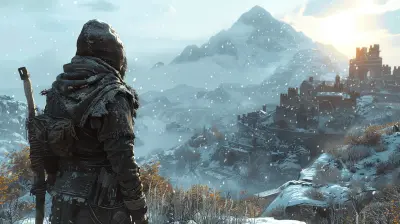
Designing virtual worlds is no small feat. It’s like playing god — you’re crafting environments, sculpting societies, and tuning the pulse of a world players will run, fight, and maybe cry through. But here’s the thing: some of the best, most immersive game worlds out there aren’t just born from imagination. They’re inspired by the real world — more specifically, real cities.
You might be wondering, “What do cluttered boulevards, subway escalators, and cramped apartments have to do with fantasy kingdoms or post-apocalyptic wastelands?” A lot, actually.
In this article, we’re diving into the nitty-gritty of how real cities shape, guide, and elevate the way game worlds are built. So, put on your game dev hat or just your gamer curiosity, and let’s break it down.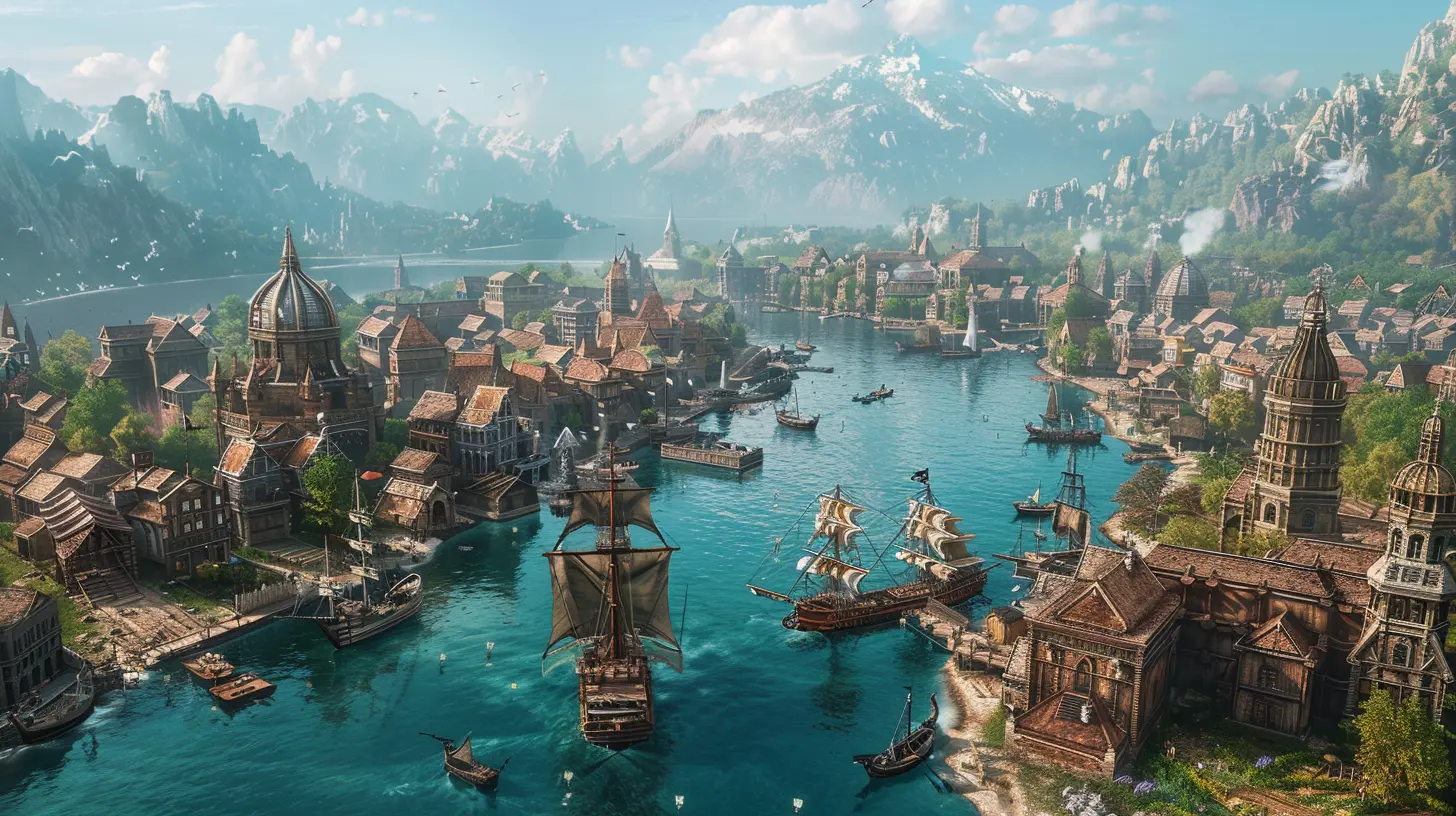
Why Do Real Cities Matter in Game Design?
Let’s kick it off with a basic question: Why even bother studying real cities when building a fantasy or sci-fi world?Simple: Real cities are living, breathing blueprints of function, culture, and chaos. They’re the ultimate cheat sheet. When you look at how real cities grow, how people move through them, how neighborhoods evolve and fall apart — you start to understand something deeper. You see the organic patterns of human behavior.
Think about how your city feels. Is it bustling? Is it cold and distant? Do the streets feel safe or sketchy? All these emotional cues can — and should — be pumped into your in-game environments, making them more believable and emotionally resonant.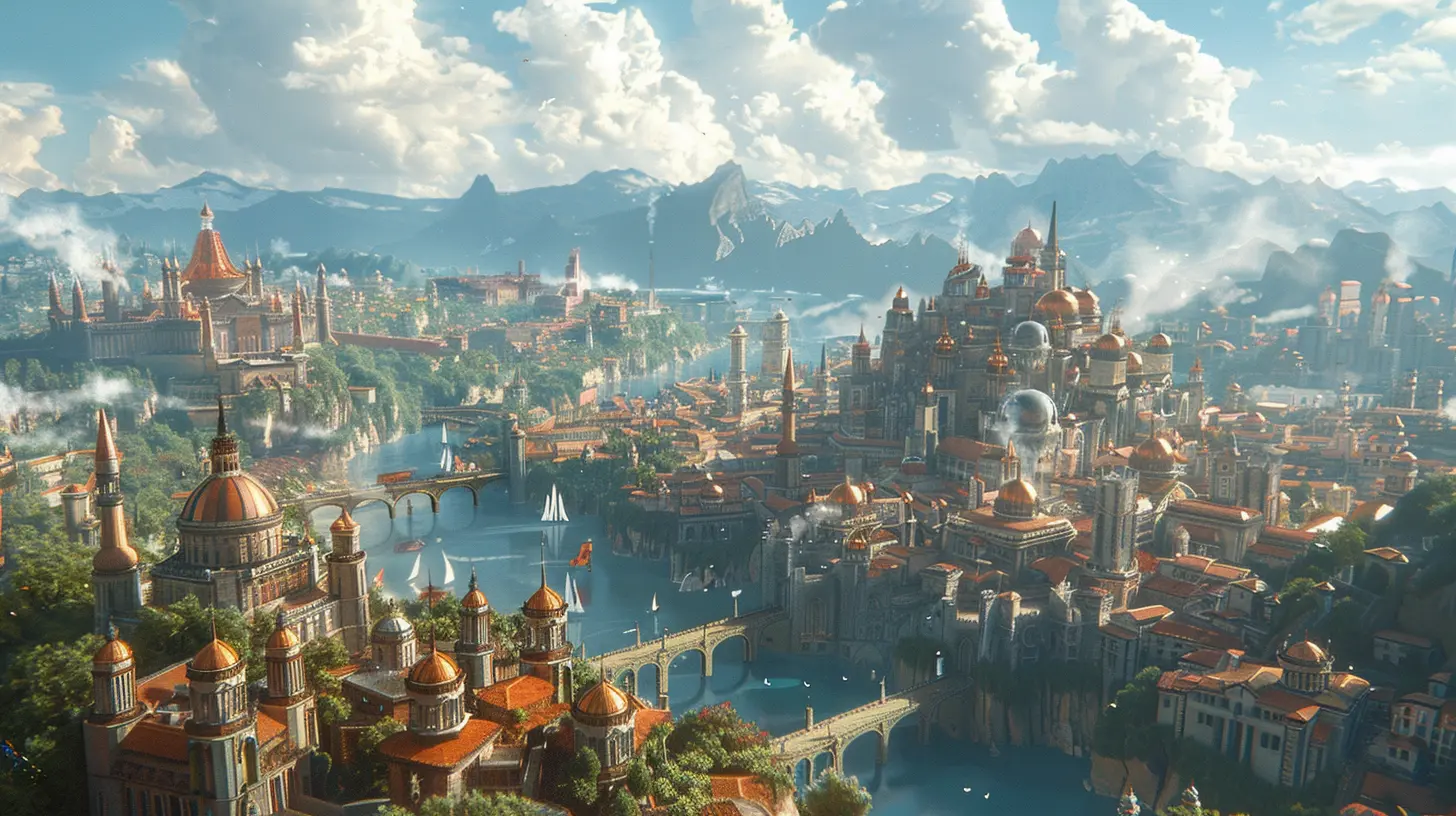
Form Meets Function: Urban Layouts That Make Sense
You ever wander through a game city and think, “Wait, why is the blacksmith shop next to the royal palace?” Or, “How is there no visible plumbing in this massive cyberpunk metropolis?”That’s where game world design often trips up. Real cities follow some kind of logic — even if it’s messy and chaotic. Historic districts are filled with worn-down housing; financial centers rise up with corporate towers. There’s zoning (even if unofficial), there’s infrastructure, and there are reasons why things are where they are.
Example from Real Life
Take New York City. Midtown is packed with business towers and office spaces. Central Park acts as both a landmark and a mental breather for residents. Now look at GTA IV’s Liberty City — clearly inspired by NYC. The layout works because it speaks to how a real city is organized. You can feel where the rich and poor sectors are. The skyline tells you how the economy functions in different areas.When game cities ignore this sense of layout, they feel like a theme park — fun, but fake.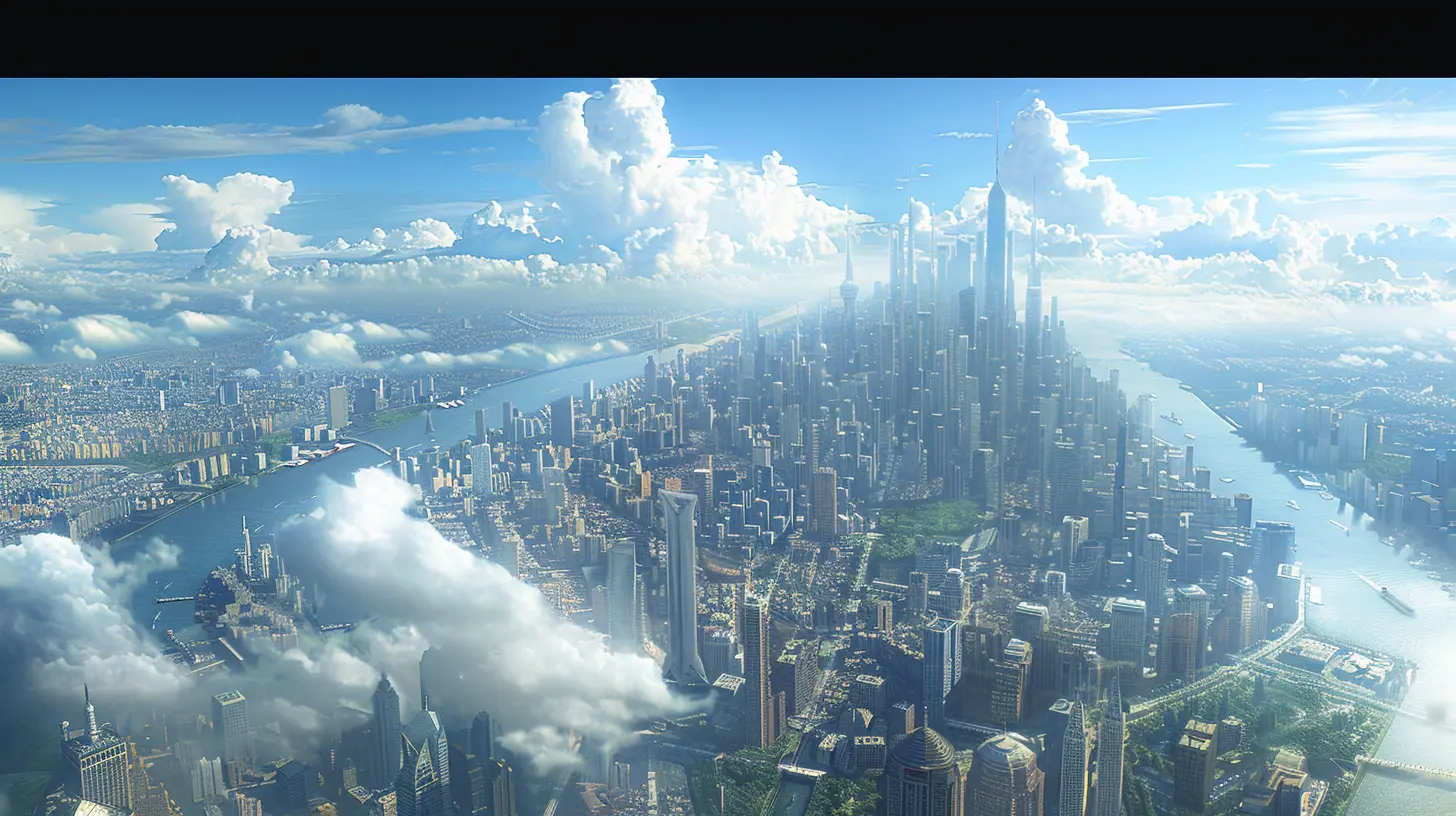
Verticality: Learning from Upwards Urban Growth
Ever played a game where everything’s flat? Kinda boring, right?Real cities deal with density by going vertical. Skyscrapers, underground subway systems, elevated train platforms — verticality changes how humans (and players) navigate spaces. Tokyo, for example, is a vertical labyrinth. There are shops five floors above a karaoke bar, with another arcade hidden below the street level.
Game worlds that mirror this vertical design — like in “Deus Ex: Human Revolution” or “Cyberpunk 2077” — feel richer. They give players a reason to look up and down, not just side to side.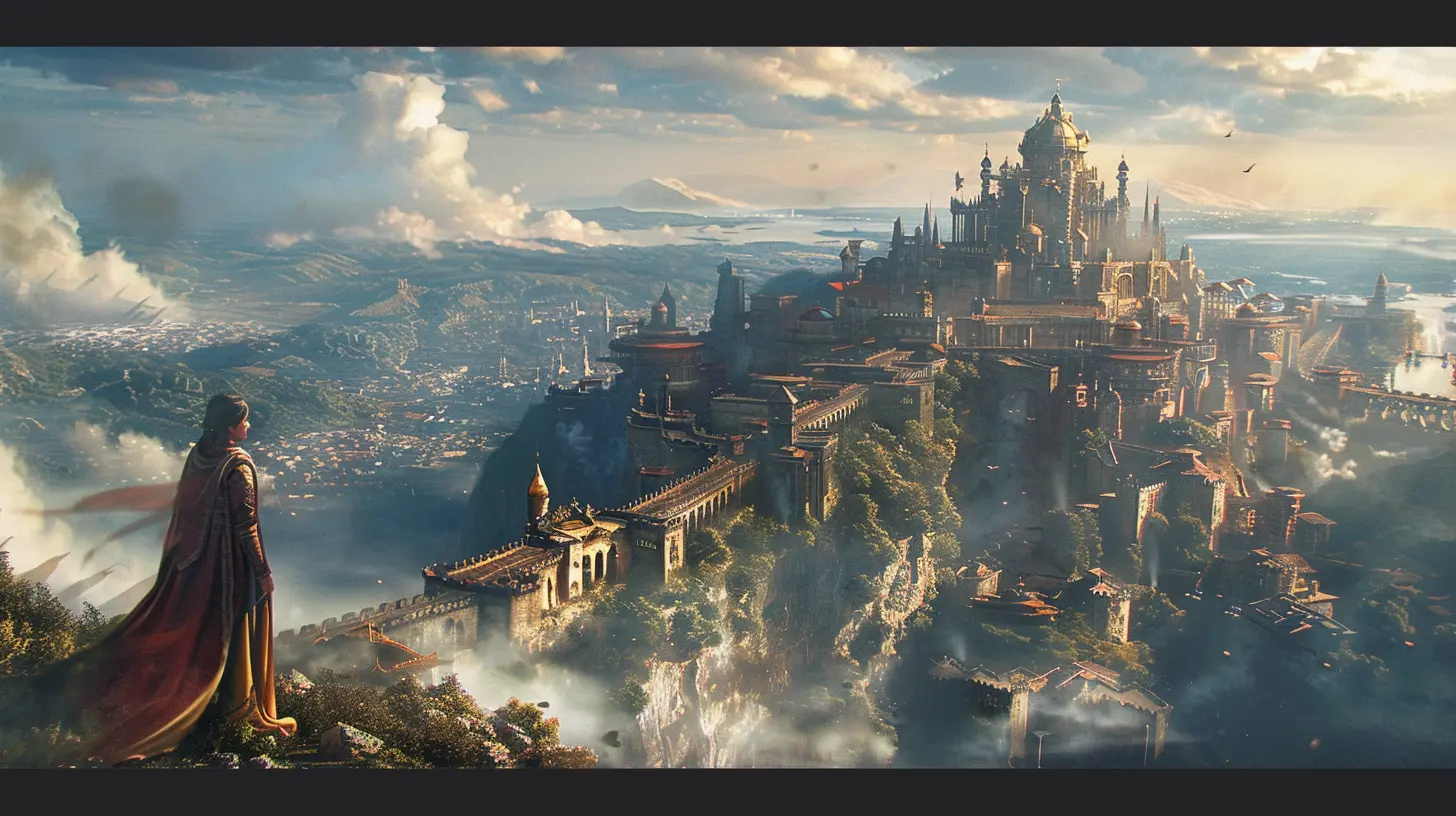
Movement: How People Actually Get Around
Let’s face it: teleportation portals are cool, but they’re not exactly grounded.When you study how people move through actual cities — walking, biking, driving, public transit — you discover how important flow and accessibility are. Take London: you can get pretty much anywhere with the Tube. Paris? Walkable neighborhoods that are tightly knit.
Game designers who think about movement in realistic terms create environments that are more immersive. Think of “The Witcher 3." Novigrad feels like a real city partly because routes make sense. It’s not just about dropping a market here and a castle there — it’s about threading them together in a way that flows naturally.
Culture in the Concrete
Cities aren’t just buildings. They’re stories. Every corner speaks — through graffiti, architecture, food, accents, and even trash (yep, even the garbage tells a story).Take Havana. Decades of political conflict, embargoes, and cultural pride ooze from the very walls of its old buildings. Now imagine injecting that same layered storytelling into a game. That’s how you make a place feel lived in.
You can place lore books and NPCs all day, but if the environment doesn’t tell a story visually, players won't feel it. Look at "The Last of Us." Abandoned homes, overgrown suburbs, rust-covered mailboxes — it doesn’t tell, it shows the fall of civilization.
Neighborhood Life: Microcosms Within the Macro
Good cities are like Russian nesting dolls. Inside the big city, you’ve got smaller zones: neighborhoods, districts, blocks. Each with its own culture, vibe, and tempo.Los Angeles isn’t just “LA.” It’s Hollywood, it’s Echo Park, it’s Koreatown, all stitched into one enormous fabric — and each area feels different yet connected.
The same idea works wonders in gaming. Think of “Dishonored’s” Dunwall or “Assassin’s Creed” cities. Every district feels distinct. One part’s industrial and grimy, another is aristocratic with lavish balconies. These details prevent cities from feeling copy-pasted and hollow.
Messy is Good: Embracing Organic Design
Real cities didn't pop into existence fully formed. They grew over decades, sometimes centuries — with all the weird little quirks that come along with that.Winding alleys that lead nowhere. Dead ends. Awkward intersections. Strange pockets of beauty tucked behind ugly concrete.
Game cities that feel too perfect — grid layouts, symmetrical designs, evenly spaced buildings — fall into the “uncanny valley” of urban design. Players might not be able to say what’s off, but they’ll feel it.
Games like “Skyrim” got this right. Riverwood isn't symmetrical, but it works. It feels like a village that just... happened.
Noise, Light & Life: The Atmosphere of a City
Ever walk through a real city at night? The streetlights buzz, windows glow, sirens echo, people chatter — even the silence feels alive.In games, these tiny atmospheric details can make or break immersion. Static environments feel like a backdrop. But when a city breathes — with ambient noise, changing weather, day-night cycles, and NPC routines — it transforms into a character in its own right.
“Red Dead Redemption 2” nailed this. Walk through Saint Denis and you’ll hear bar music, passing carts, dogs barking, and street vendors yelling. It’s a full sensory experience.
Design for Emergent Gameplay
Here’s a golden rule: build a city that’s not just for looking at — build it for playing in.Real cities are unpredictable. They offer surprise. A side alley might lead to a hidden cafe or a shortcut. Game cities should do the same. Let players stumble across an off-beat quest, a secret underground fight club, or a rooftop bar with a view.
Games like “GTA V” thrive because players can create their own moments in a world that feels open-ended and reactive.
Crisis and Change: Cities That Evolve
Cities aren’t static. They go through wars, economic booms and busts, climate shifts, revolutions — and game worlds should do this too.Imagine logging into your favorite MMO and seeing that a flood destroyed half a district. Or a political uprising changed NPC behaviors. That’s how you keep cities fresh and grounded in some version of a living reality.
“Final Fantasy XIV” does this well — major game events don’t just disappear; they leave scars behind that reshape the map and lore.
Let the Player Feel Like a Local
At the end of the day, the goal of great city design in games is simple: make the player feel at home — not in comfort, but in familiarity.They should know the shortcuts. They should have a favorite district. They should feel the change of seasons not just in color, but emotion. That’s when you know you've got something special.
Real cities do this without trying. Game cities need to intentionally craft it.
Final Thoughts: Cities Are the Secret Sauce of Immersive Design
Look, designing a game world without studying real cities is like baking a cake without reading a recipe. Sure, you might pull it off, but it's gonna be missing that wow factor.Real cities offer the perfect balance of beauty, chaos, order, and mystery. They’re messy, alive, and deeply human — and that’s exactly what our games should strive for.
So next time you explore a virtual city that feels right, just know: it probably owes a whole lot to the real world.
all images in this post were generated using AI tools
Category:
Game WorldsAuthor:

Leandro Banks
Discussion
rate this article
1 comments
Renata McLain
Ever notice how real cities have that lovable chaos? They mix history, culture, and unexpected surprises. Game worlds should be no different. Imagine stumbling upon a hidden taco stand in a medieval fantasy or a quirky museum in a sci-fi metropolis... It makes exploration unforgettable!
July 13, 2026 at 4:44 AM