Unwritten Lore Hidden in Game Environments
17 April 2026
Ever found yourself lost in a game—not because you were chasing an objective, but because you were piecing together the story behind a broken statue or reading faded scribbles on a wall? Yeah, me too. That’s the magic of unwritten lore. It's the stuff the developers never outright explain in dialogue or cutscenes. Instead, it’s left for you to uncover, interpret, and connect the dots in your own head.
These hidden gems of storytelling are tucked away in quiet corners, weathered architecture, and long-forgotten journals. And if you're paying attention, they can make the world feel more alive than any quest log ever could. So, let's dive deep into this rabbit hole of secrets, symbolism, and subtle worldbuilding—the kind you only find if you look closely.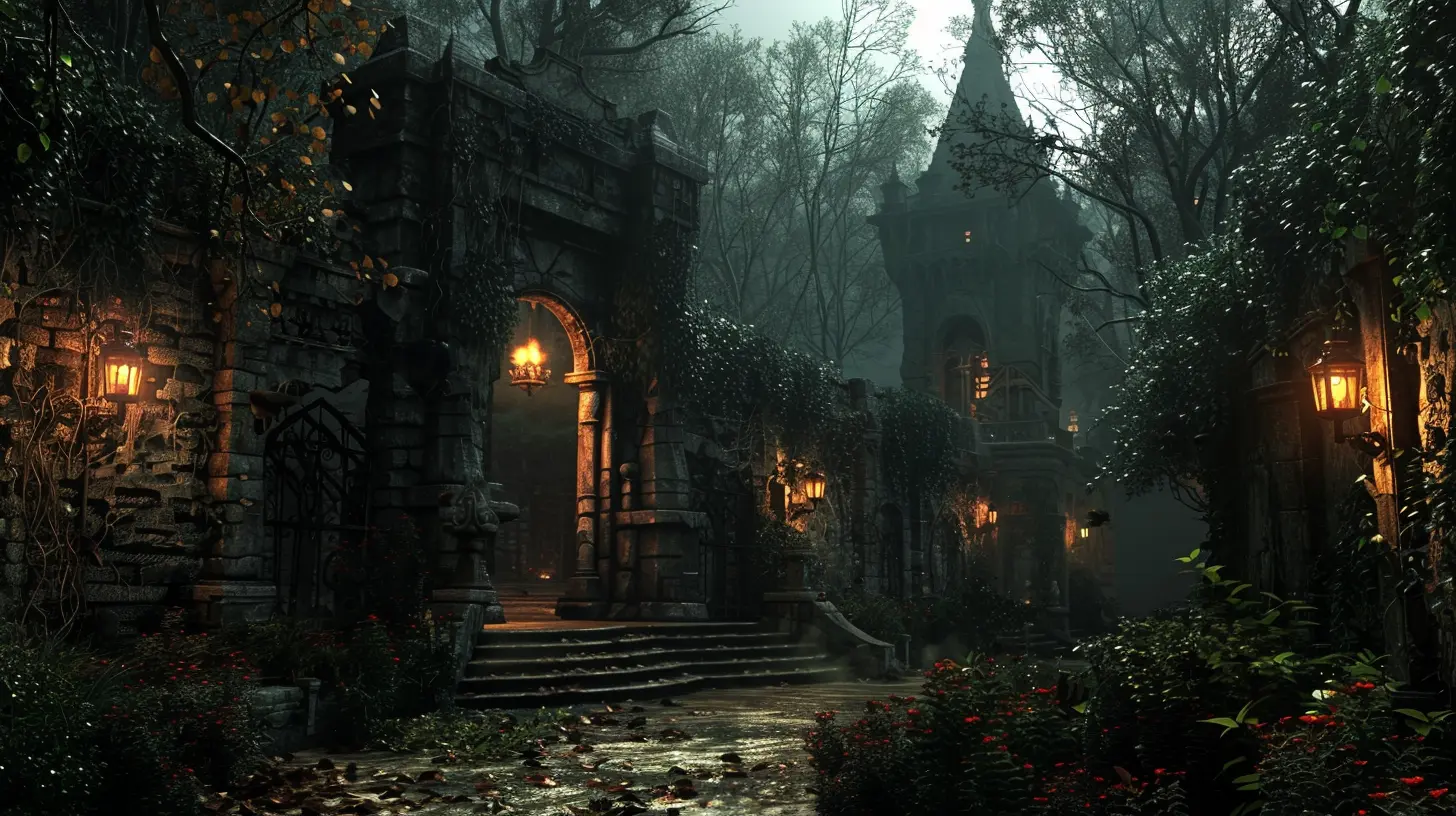
What Is Unwritten Lore, Anyway?
Let’s get one thing straight—unwritten lore isn’t just background noise. It’s not filler. It's like the soul of the game whispered in your ear. You won’t find it in main quests or narrated cutscenes. It's those bits and pieces that live in the environment: a bloodstained mural, a collapsed chapel, a sword stuck in a nameless grave. They hint at a broader world, one that existed long before you hit "Start Game."Think of it like reading a mystery novel, except the clues aren’t written—they’re shown. And you, dear player, are the detective.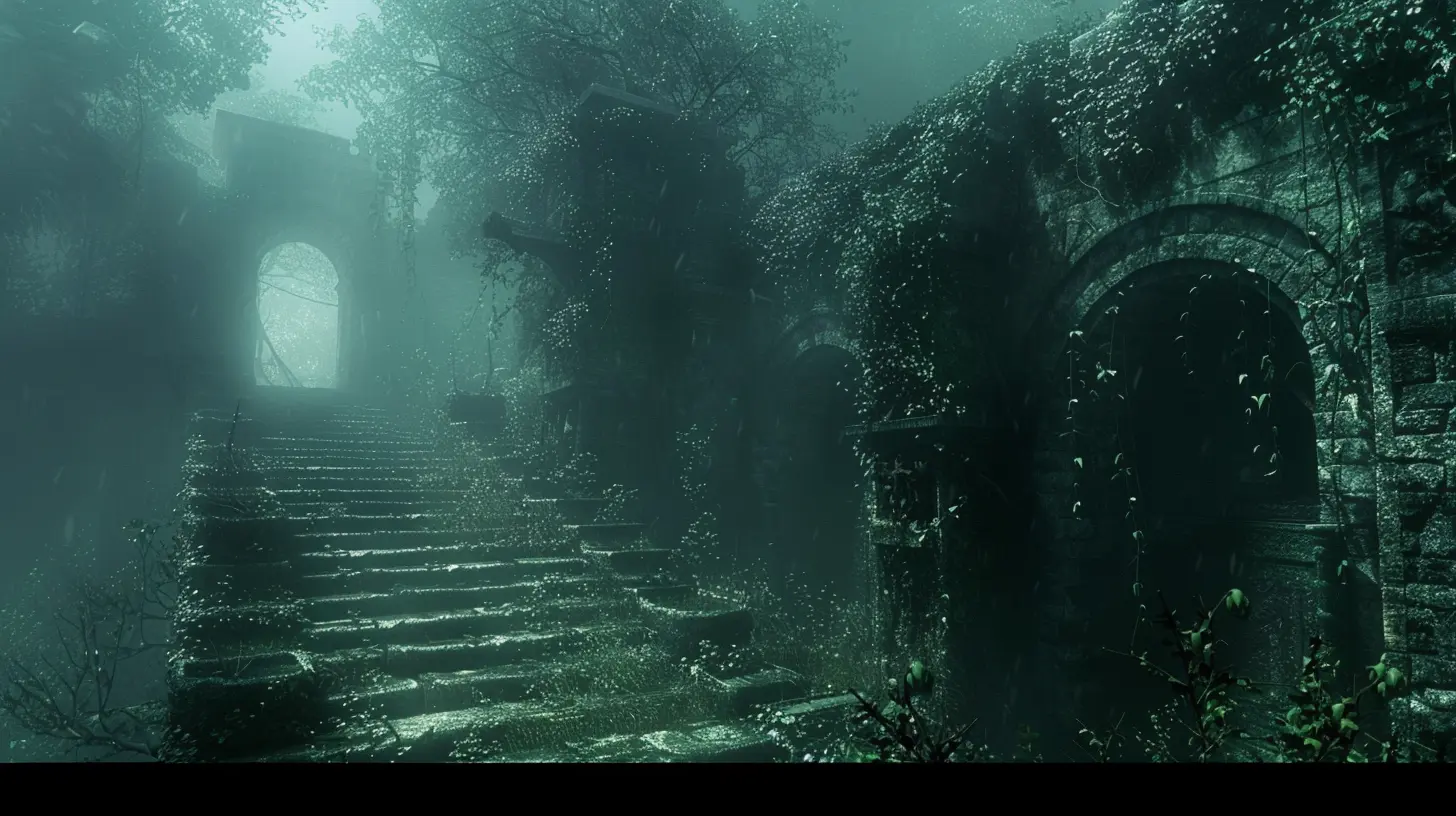
The Power of Environmental Storytelling
Let’s be real—every gamer loves a good story. But there's something extra satisfying about discovering a story on your own. Environmental storytelling turns players into active participants. Suddenly, you're not just following a narrative; you're building it.Games rarely tell you everything. Why should they? The best ones trust you to figure things out for yourself.
Environmental storytelling isn't limited to lore either. It can reveal tone, mood, or even moral ambiguity. The way a room is set up can say a million words—especially when no one else is around.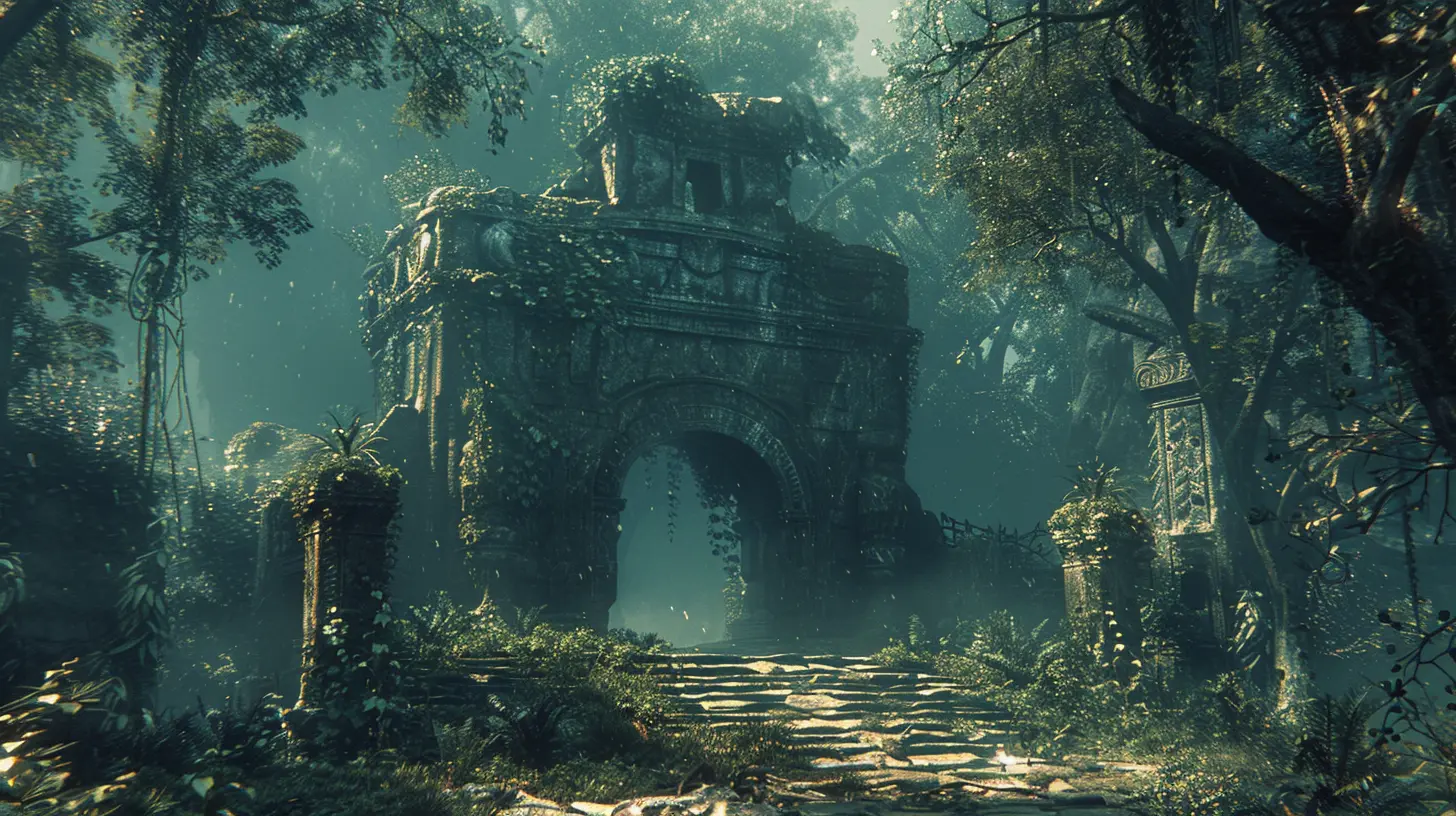
Dark Souls: The Masterclass of Hidden Lore
Let’s kick things off with the king of cryptic storytelling—Dark Souls. This series basically invented the term “Unwritten Lore.” Everything in Dark Souls begs for analysis. From item descriptions to level design, every corner is layered with meaning.You might find a crumbled statue of a forgotten king or a throne room filled with ash. There’s no narrator explaining what happened. You just... feel it. Slowly but surely, all these environmental cues tell an epic yet tragic story of gods, betrayal, and decay.
The community has built entire wikis and YouTube channels just trying to decode the lore. That’s how deep it goes. And guess what? It's all voluntary. You don’t need to understand the lore to beat the game. But once you start digging, it’s hard to stop.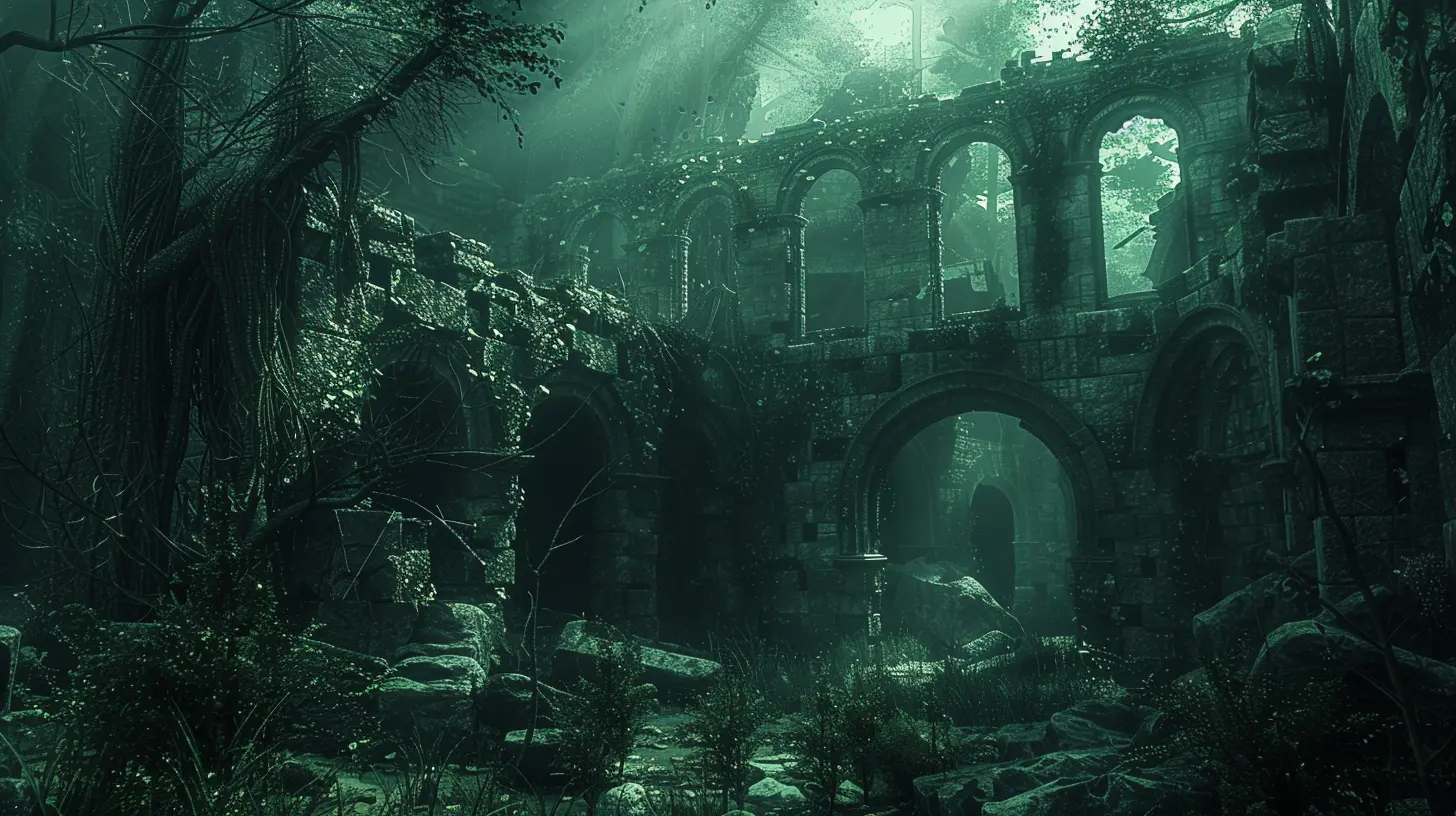
The Elder Scrolls: History Written on Stone
Bethesda’s Elder Scrolls series is a goldmine for environmental storytelling. Tamriel might just be the most detailed world ever crafted in gaming. Sure, there are books and NPC dialogue everywhere, but what really stands out is how the land tells its own story.Ever stumbled upon a ruin with skeletons huddled around a campfire? Or a dungeon filled with ancient markings and long-dead warriors still clutching their rusted weapons? That's not just for show.
In Skyrim especially, the placement of objects, the wear and tear of architecture, and even the ambient sound design all hint at past events—some of which were never written down.
The Last of Us: Emotional Storytelling in Silence
Naughty Dog's The Last of Us is a masterclass in subtlety. Yeah, the main story tugs at your heart, but have you ever walked through an abandoned apartment and found drawings from a child desperately trying to make sense of a crumbling world?You’ll see cribs overturned, walls covered in tally marks, and suitcases never unpacked. It's haunting. These aren’t just props; they’re silent screams from the past. They ground the apocalypse in humanity, reminding you that every ruin was once someone’s home.
One unforgettable moment? Stumbling upon Ish’s underground hideout and slowly uncovering the heartbreaking tale of a community that tried to survive. No quests. No cinematics. Just notes, layout, and environmental clues.
BioShock: A City That Tells Its Own Story
BioShock is a narrative beast, and Rapture is practically a character in itself. Built on the premise of objectivist utopia, the underwater city slowly reveals its downfall—not through exposition but through its design.A broken vending machine, graffiti preaching rebellion, mannequins arranged in eerie poses—all of these are storytelling choices. Even the use of water trickling through cracks screams, "This place is falling apart!"
Audio logs help, sure, but the real story is in the art-deco decay, the faded luxury, and the desperate remnants of a shattered society.
Red Dead Redemption 2: Mythology Hidden in the Wild
Rockstar’s Red Dead Redemption 2 is a living, breathing version of the Old West. But did you know it’s also filled with spooky folklore, hidden cults, and bizarre encounters? Most of which are never explained?You can stumble upon a cabin full of skeletons arranged in a ritualistic pattern, or encounter ghost sightings in the woods, or even discover a UFO if you’re looking at the right place at the right time. Yep. Aliens.
These aren’t part of the main story. They're layers to the world that enrich it and keep players curious. They raise more questions than answers—and that’s the fun of it.
Indie Games: Small Studios, Big Secrets
Indie developers often punch above their weight when it comes to environmental storytelling. Limited resources mean they have to get creative—and they do.Take Hyper Light Drifter, for example. There’s zero text. Zero dialogue. Yet the story is emotionally rich. Everything is shown through the world’s decay, the ruins of civilizations, and the protagonist’s own struggles.
Or how about Inside? You never get a single line of explanation, but the game tackles themes like control, conformity, and resistance through insane visuals and minimalist design. It’s like a silent art film you can play.
Why Gamers Love Unwritten Lore
So why does this type of storytelling resonate so much with us?Well, for one, it respects our intelligence. It doesn’t spoon-feed us. It gives us pieces and trusts us to figure it out.
But more than that, it makes the world feel real. Messy. Lived-in. Like there’s a history behind everything you’re seeing. That sense of depth? You can’t fake it with quest markers.
And let’s not forget the thrill of discovery. Piecing together hidden lore gives you that "aha!" moment, like finding a secret level in Mario or a hidden passage in Zelda.
How to Spot Hidden Lore In Games
Want to be a lore detective? Here are some tips to catch those elusive storytelling threads:- Look at object placement – Are the skeletons lying peacefully or mid-fight?
- Examine graffiti, paintings, and murals – What are they trying to say?
- Take note of atmosphere – Is the music trying to tell you something?
- Read item descriptions – Especially in games like Dark Souls or Bloodborne.
- Pay attention to architecture – A crumbling tower might hint at forgotten glory.
- Revisit old locations – Time changes things, and so does the story.
The more you practice, the better you get at connecting dots others might miss.
The Future of Environmental Storytelling
With gaming technology advancing at lightning speed, the future looks bright for hidden lore. Dynamic environments, next-gen graphics, and AI-driven narratives could make these secret stories even more immersive.Imagine walking through a procedurally generated city where every building tells a new story. Or interacting with an environment that changes based on your moral choices. We're not far off.
What remains timeless, though, is the joy of discovery. Technology may change, but the thrill of piecing together a world’s untold story? That’s forever.
Final Thoughts: Listen to the Silence
Next time you boot up a game, slow down. Don’t rush to the objective. Look around. The world is talking—you just have to listen.Unwritten lore hidden in game environments transforms simple pixels into powerful narratives. It builds connection, emotion, and a sense of wonder. It’s not in your face. It’s subtle, beautiful, and worth every second.
So go ahead—peek behind that broken wall, read the forgotten note, follow the trail of destruction. You might just uncover a story no one else has.
all images in this post were generated using AI tools
Category:
Game WorldsAuthor:

Leandro Banks
Discussion
rate this article
2 comments
Dominique McGeehan
Great read! Uncovering the subtle details in game environments adds depth to storytelling, enhancing immersion and inviting players to explore every corner.
April 19, 2026 at 2:57 PM
Karly McGrady
Absolutely loved this article! 🌟 Uncovering the hidden stories in game environments adds such depth to our adventures. It’s like finding buried treasure! Can’t wait to explore these secrets and share the joy of discovery with fellow gamers. Keep it up! 🎮✨
April 18, 2026 at 3:19 AM
Leandro Banks
Thanks for reading! I'm glad you enjoyed it. There's so much to uncover in game worlds, and I can't wait to hear about your discoveries too!